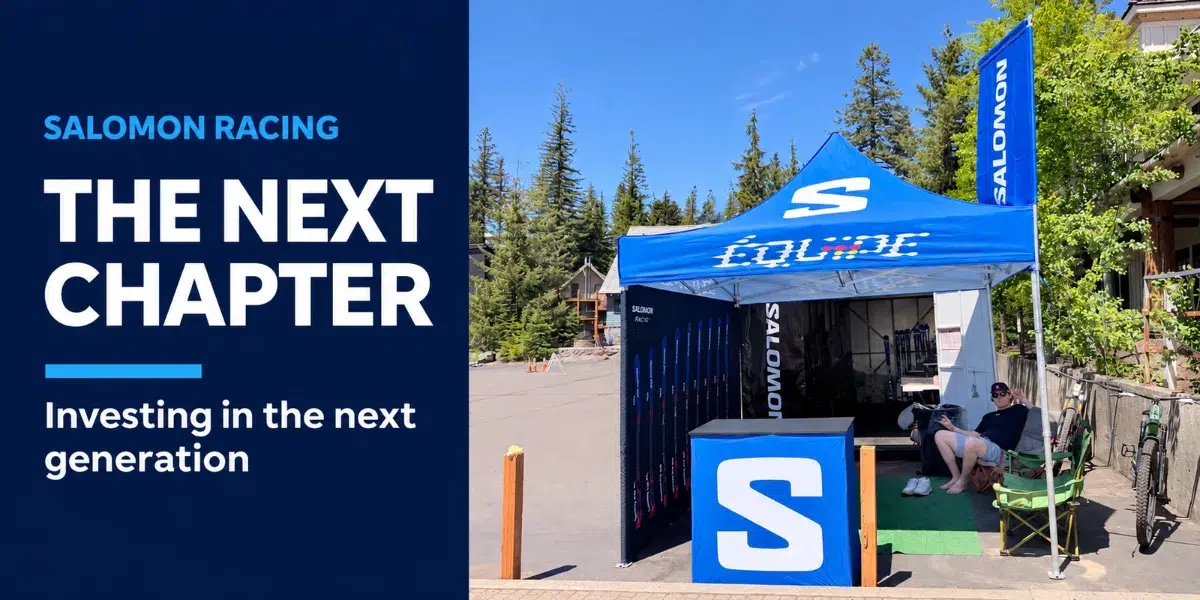
Salomon’s Next Chapter in North American Racing Starts With the Next Generation
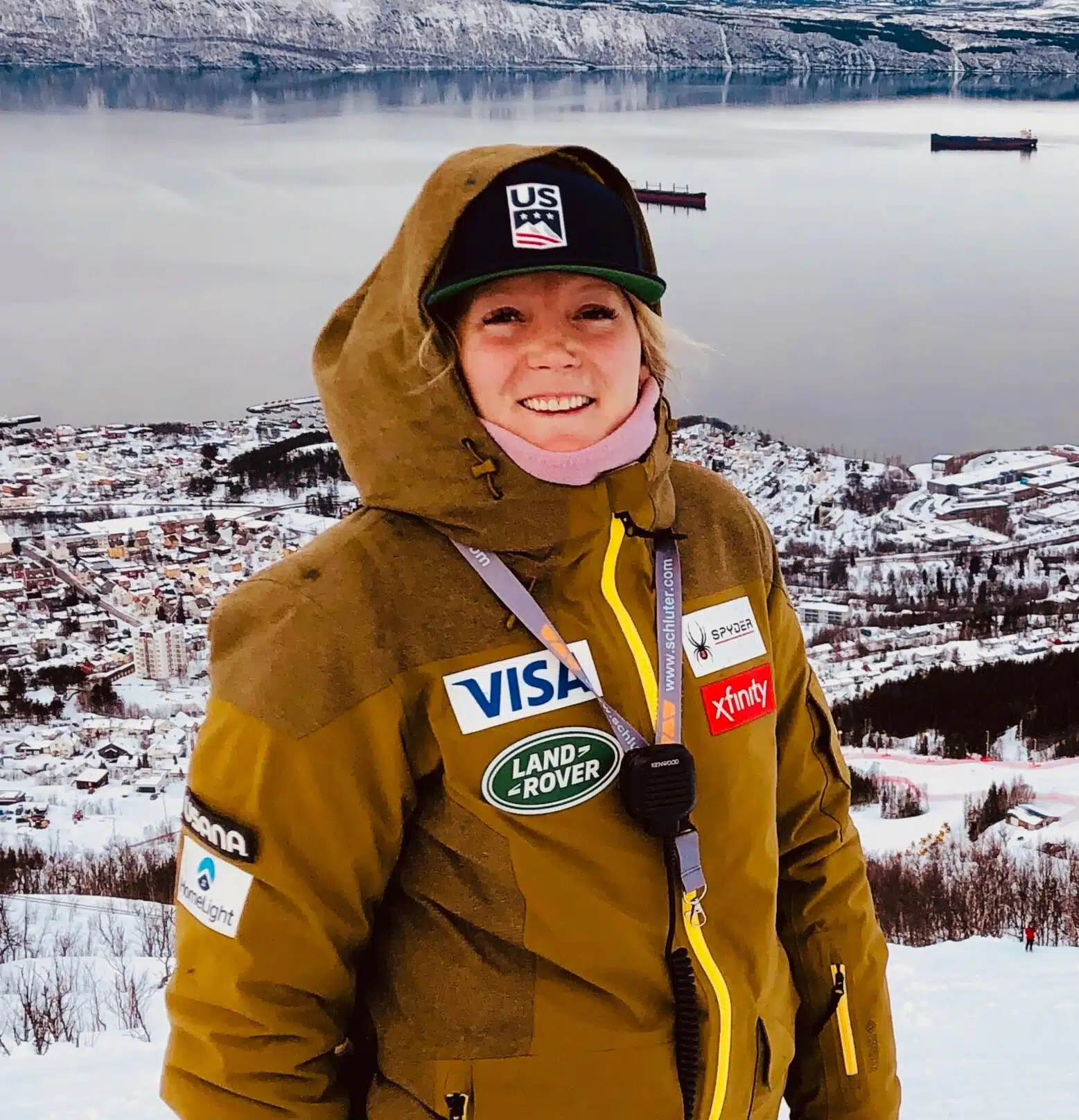
Lauren Samuels and Tyler Theis are shaping Salomon’s return to North American racing by investing in junior athletes, building relationships with coaches and strengthening support for racing families.
For many coaches and parents in North American ski racing, Salomon’s blue skis bring back memories of their own racing years. For the young athletes they are helping choose equipment today, those same skis may be something they have never had the opportunity to try.
That gap is where Lauren Samuels and Tyler Theis are putting their attention. As Salomon rebuilds its North American race presence, they are working to reconnect with people who remember the brand while introducing it to a generation that knows it through freeride skiing, footwear or watching the World Cup.
Samuels, Salomon’s senior manager of Alpine for North America, oversees the region’s product and commercial strategy, merchandising and marketing for those categories. She hired Theis as North American race manager to help turn the plans for racing into a program athletes, coaches and families can access.
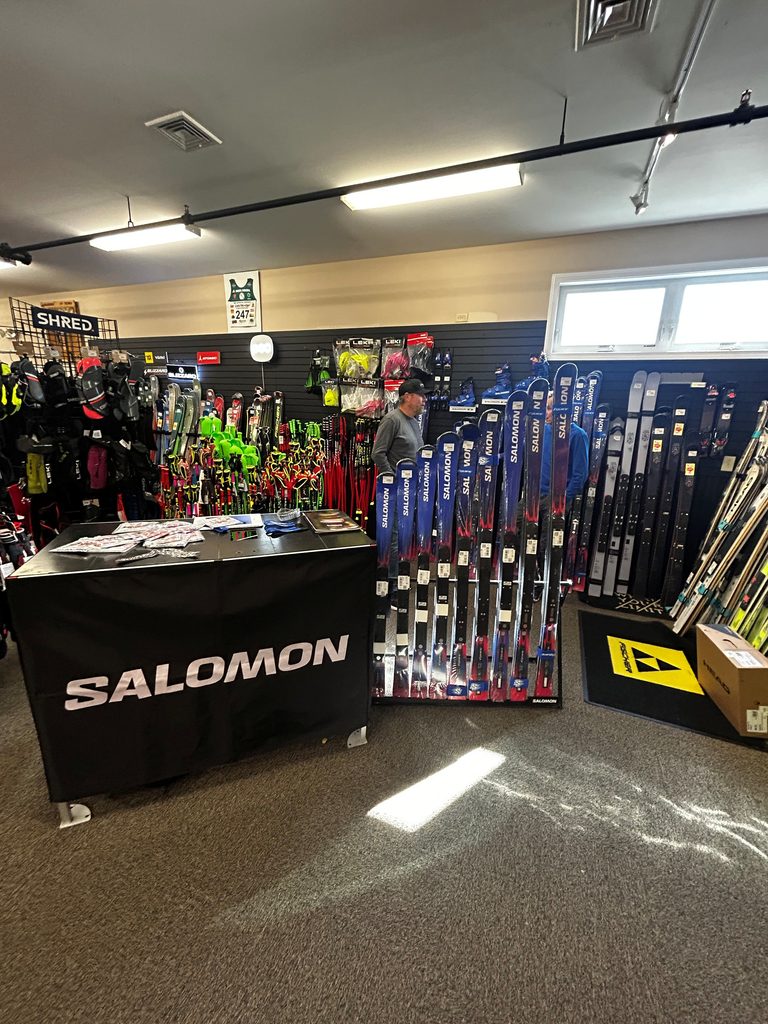
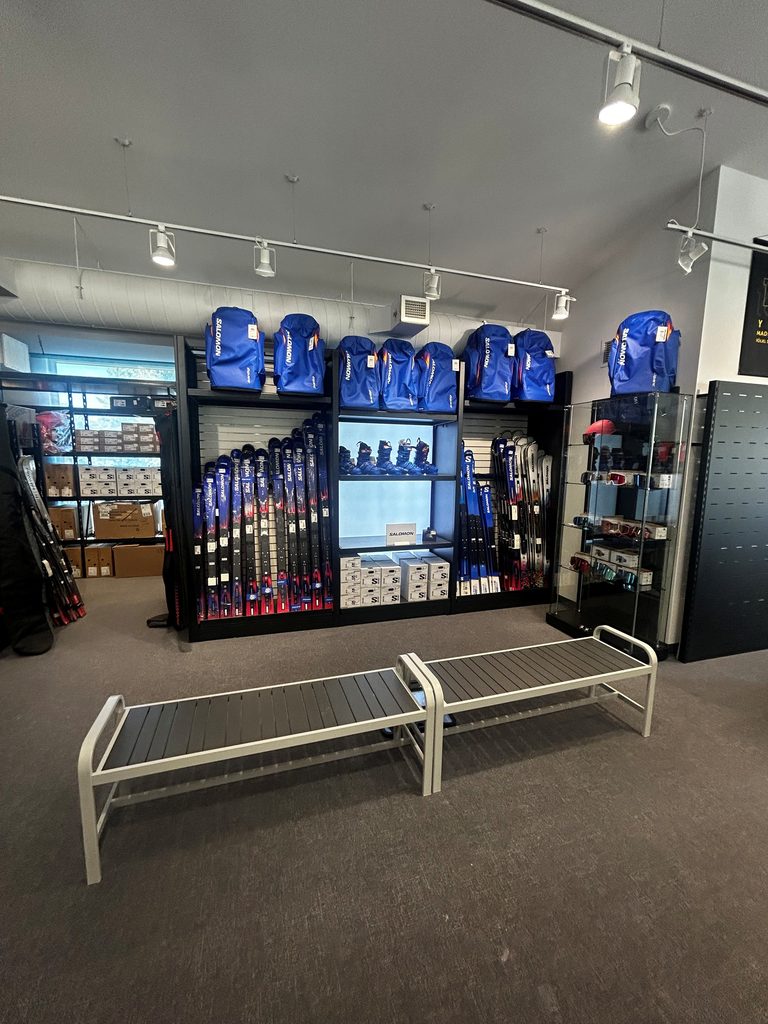
With products now in shops in the United States and Canada, Theis has been traveling to fit nights and race nights, meeting coaches and getting equipment in front of young racers. The priority is to build relationships at the junior level and give those athletes support as they develop.
“We’re still sticking to the strategy of focusing on junior and building it up, playing the longer game,” Samuels said. That approach is already shaping where the team spends its time, how it gets equipment out for testing and what it considers a successful first season.
Bringing a racer’s perspective to the role
Theis arrives at Salomon after six and a half years working with Fischer, with experience on both sides of the equipment relationship. He grew up racing in Wisconsin, competed for the University of New Mexico and spent summers at Mount Hood working in the demo center and coaching before moving into the industry.
After college, he began working with his father in the Midwest before returning to the mountains and moving further into race support. His background gave him an understanding of the athletes coming through established mountain programs, but also of the racers working their way up from smaller clubs.
Those are athletes he wants to keep in mind as he builds Salomon’s program. Coming from Wisconsin, he knows there are talented, committed kids who may have fewer opportunities to meet a race representative or test equipment.
“I really focus on just supporting everyone and being fair and really just support ski racing as a whole,” Theis said. His immediate focus includes U12, U14 and U16 athletes, with particular attention to the U14 age group, while the program also supports racers further along in their development.
The opportunity to help shape that support drew him to Salomon. His early conversations with Samuels gave him confidence in the brand’s resources, racing history and product development, along with the chance to build relationships from the ground up.
For Theis, the first step is making sure coaches understand what is available. He wants them to know the equipment, have someone they can contact and get their athletes on the product before making a decision.
“We have a lot of demo equipment available,” he said. “We can get equipment for athletes to try.” The goal is to find the right fit for the racer, with testing and coach feedback guiding that choice.
Getting back in front of the community
Samuels knows that rebuilding a race program requires a different approach from much of the retail ski business. In racing, a coach may help guide an equipment decision long before a family walks into a shop.
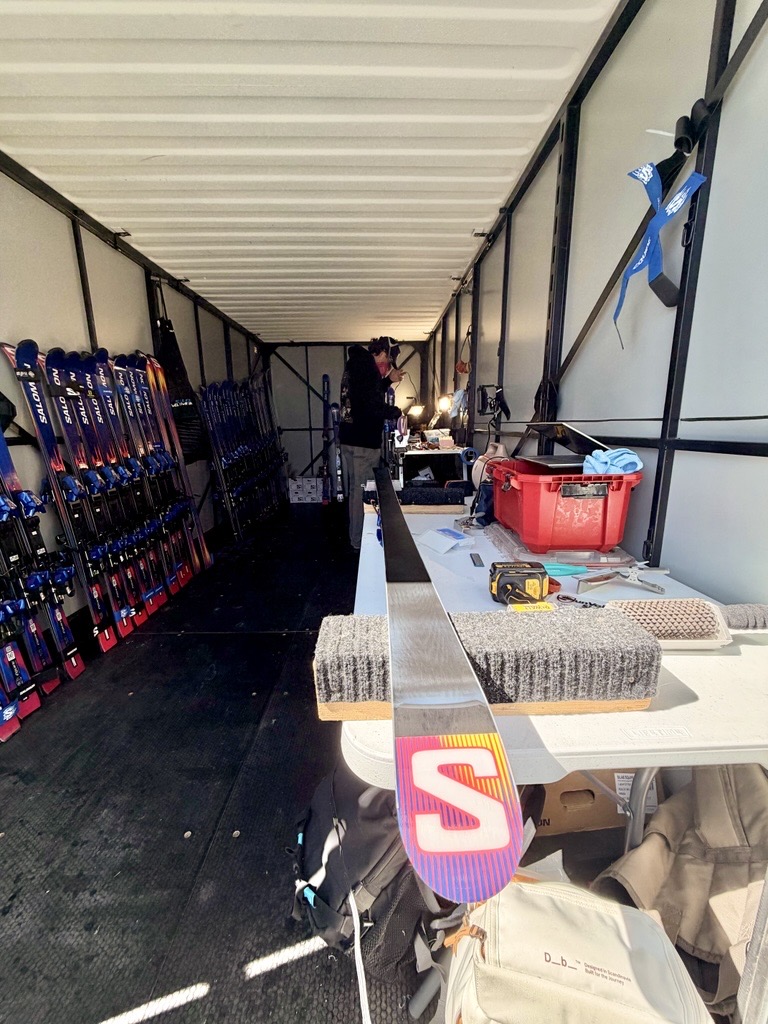
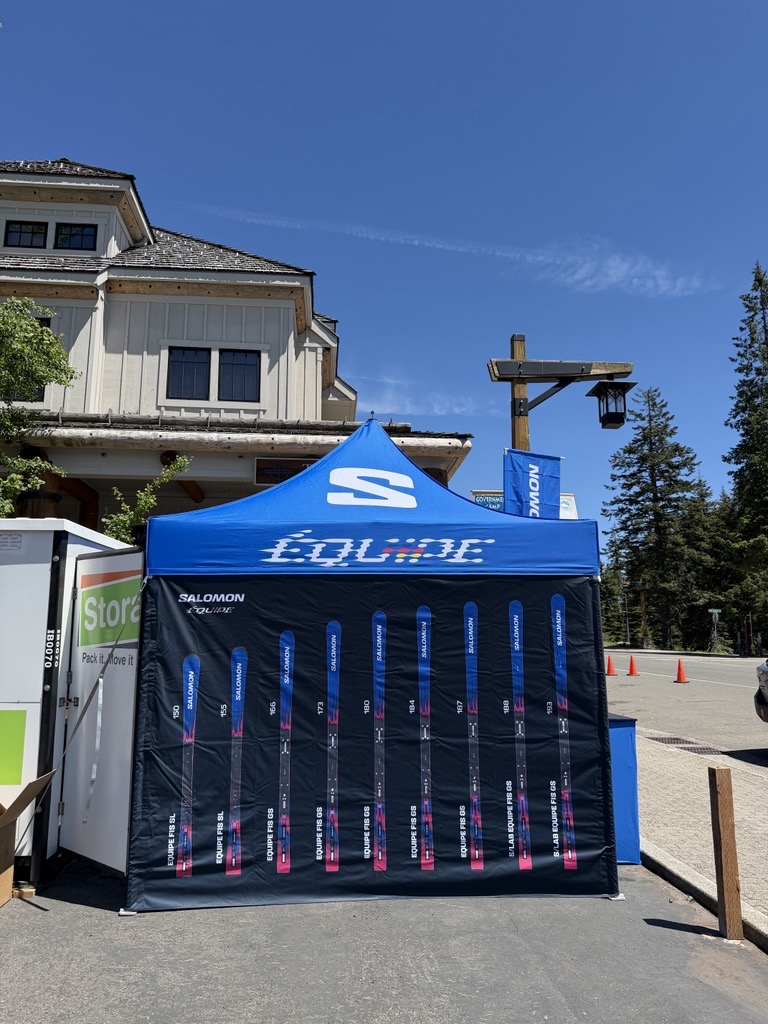
That makes time on the hill important. Before Theis joined the team, Samuels and a colleague headed to Mount Hood with skis, a tent and a plan to start meeting athletes and coaches. Their schedule put them there early in the summer testing period, while uncertainty around snow conditions required flexibility.
“Number one priority is we have to make it known that we’re back,” Samuels said. “We did the legwork with the retailers, but now we need to talk to the athletes and coaches.”
One exchange with a young racer brought that challenge into focus. Walking past the Salomon setup, he asked what they were doing there and pointed out that they had not been there the previous year. For Samuels, it was a reminder that the brand’s history would only mean so much to kids who had never experienced its North American race program.
Some of the crew had the chance to test the skis, exactly the kind of opportunity Samuels wanted to create by bringing Salomon in.
The team also worked around clubs’ training schedules by sending equipment to other locations. Skis went to Colorado, California and the East, while the Canadian team continued its own testing and outreach. If a club could not get to Mount Hood, Salomon looked for another way to get product under its athletes’ feet.
One athlete, one coach, one opportunity
An early example of that approach came through Rowmark. With the program heading to Mammoth, Samuels sent equipment for testing, and a coach soon contacted her about an athlete who wanted to switch boots after using them during drills and fundamentals training.
When Rowmark later traveled to Chile for GS training, Salomon supplied skis so the testing could continue. During camp, the coach reached out again to say the athlete wanted to make the switch to the skis as well.
“That’s one athlete and that’s one club or one coach, but that’s where you have to start,” Samuels said. The experience also opened conversations about other racers who were having difficulty with their boots and might benefit from trying another option.
For Samuels and Theis, those conversations help identify where the equipment can meet an athlete’s needs. They also give coaches a chance to see how the team responds, follows through and works with them beyond the first test.
What support looks like during the season
For a family considering an equipment change, the questions extend beyond how a ski feels on snow. They want to know who will help if something breaks, what happens when their athlete grows and whether they can reach someone when they need an answer.
Samuels recommends Salomon’s participating race shops as the first point of contact for equipment and service, alongside the brand’s warranty support. At the time of the interview, the team had also ordered spare-parts kits for key shops and representatives, including buckles, screws and other items that can become important during a busy winter.
Theis sees communication as a major part of his responsibility. Race representatives get pulled in many directions, but he knows that a short conversation can help a coach or parent work through a problem before it affects training or racing.
“Being available to athletes and coaches and parents is actually very, very crucial,” he said. Even when a particular ski is unavailable or the answer is not what a family hoped to hear, he wants to work with them toward a solution.
He also wants young athletes to feel comfortable approaching him. During his own college racing years, he learned how much better the relationship worked when he understood that his equipment representative was there to help. Asking questions and communicating early gave both of them more time to get what he needed.
“That’s what I want to relay to athletes is a partnership and a combined team thing,” Theis said. He wants them to see reaching out as part of that partnership and to know that their questions are welcome.
Equipment that fits the athlete
Listening to coaches is also helping the team understand the choices athletes face as they move through the junior age groups. Two U16 racers can be very different in size, strength and development, which makes equipment selection more involved than moving everyone onto the same setup at the same age.
Samuels said coaches have responded to options within the line, including different ski builds and plate choices. Spending time on the hill also allowed her to hear how programs approach boot fit and flex, and the challenges they encounter when moving athletes into more demanding equipment.
Theis describes predictability and adaptability as priorities in Salomon’s race development. He said the brand’s GS plate is designed to help with turn initiation, with the aim of giving athletes the ability to adjust as conditions change.
Testing gives those conversations a practical starting point. Coaches can watch how their athletes ski on the equipment, racers can feel the differences, and the team can learn where a particular setup works well or where another option may be needed.
Building something athletes want to stay with
I understand why support at that age matters. Salomon was my first equipment sponsor as a young racer, and with four children in our family and three of us skiing, that support made a difference. My coach helped make the connection, and knowing a brand believed in me created a loyalty that stayed with me.
Theis is looking for athletes who can build that kind of relationship. Results matter, but so do sportsmanship, being a good teammate and loving skiing beyond the racecourse. He is interested in the kid who works hard in training and still wants to go ski with their parents afterward.
“I want that kid that everyone looks up to,” he said. For Theis, enthusiasm for the sport is part of being a strong ambassador and part of what keeps an athlete connected to skiing long after junior racing.
He also knows that Salomon has to earn the community’s confidence over time. Coaches have already asked how long the renewed race support will last, and answering that question will require consistency through the seasons ahead.
For this winter, the goals are clear. Theis wants people to recognize Salomon as a race brand and to see young athletes performing well on the equipment. Samuels wants it included when coaches and families discuss their options, with kids excited to stop at the tent, grab a sticker and take the blue skis out for a run.
That is a meaningful place to start for a program built around the next generation. The young racer at Mount Hood wanted to know why Salomon had shown up, and Samuels and Theis now have the opportunity to give him and his teammates an answer through the support they experience on snow.
About the Author: Katie Twible
Related Post