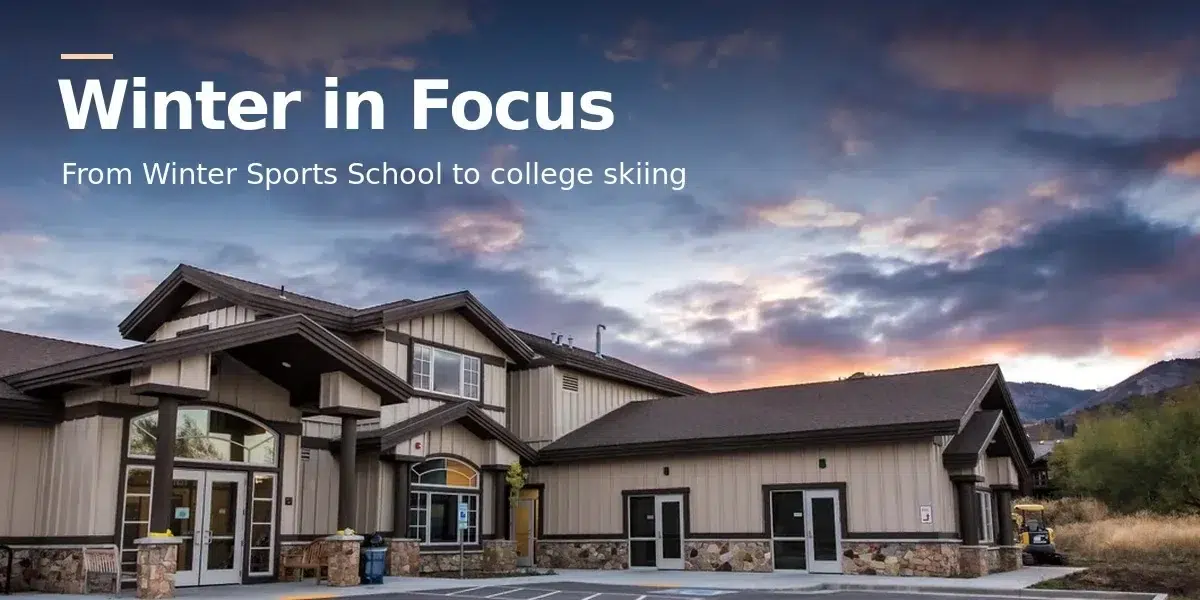
Winter in Focus: How Winter Sports School Helped Two Racers Reach College Skiing
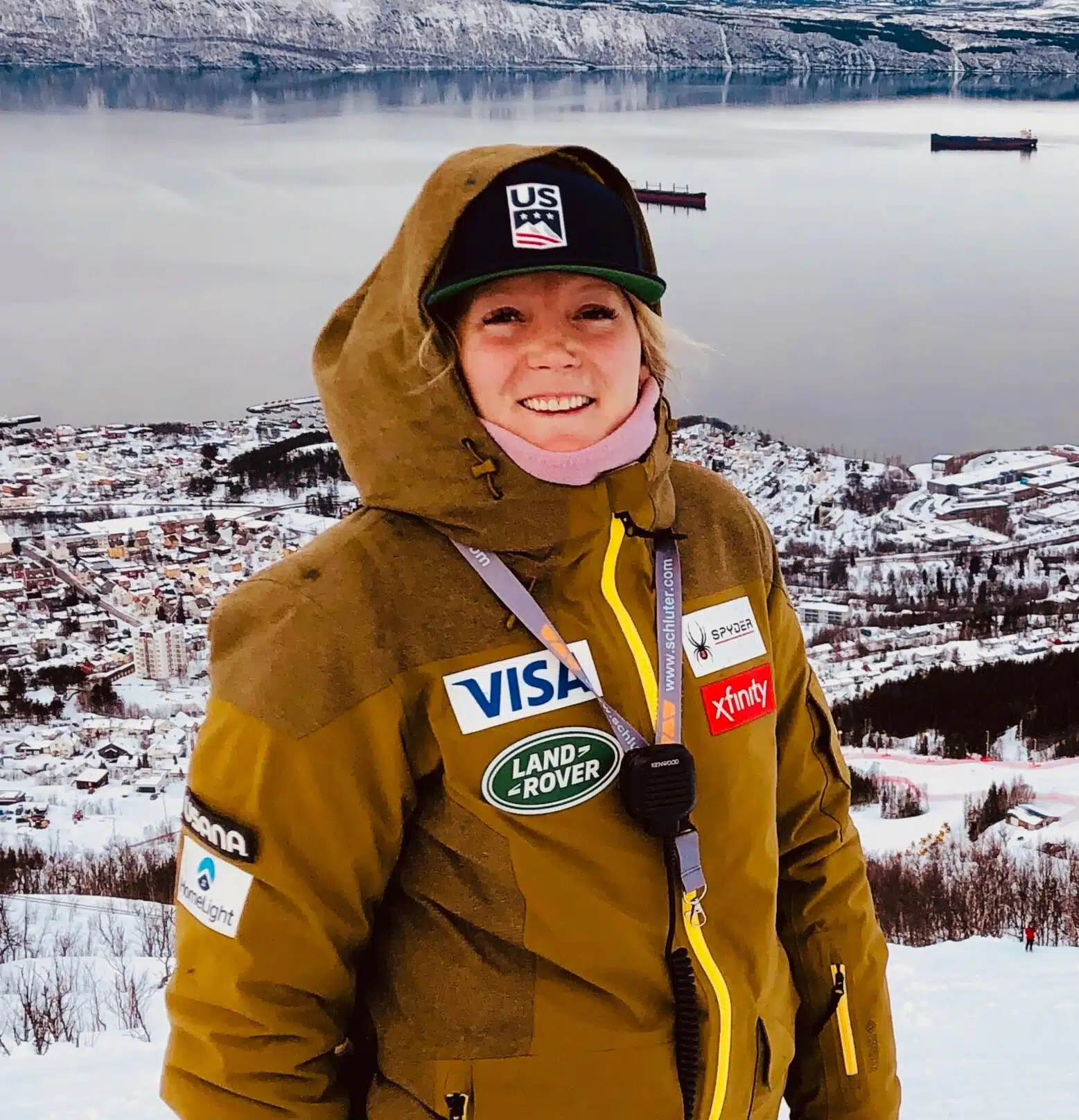
Graduates Benny Brown and Dyllan Guay reflect on the teachers, community and unconventional school calendar that helped them pursue skiing and academics.
For young ski racers and their families, keeping up with school can become one of the biggest challenges of the sport. Training camps overlap with classes, race trips mean missed assignments, and recovery time often turns into homework time. At the Winter Sports School (WSS) in Park City, Utah, an April-through-November academic calendar gives students the winter months to focus on training and competition.
For graduates Benny Brown and Dyllan Guay, that schedule helped them pursue opportunities at Dartmouth and the University of Utah. But both say their experience went well beyond having winters away from the classroom. Teachers who understood their goals, friendships across sports and encouragement to explore interests outside skiing helped prepare them for what came next.
Choosing a Different School Schedule
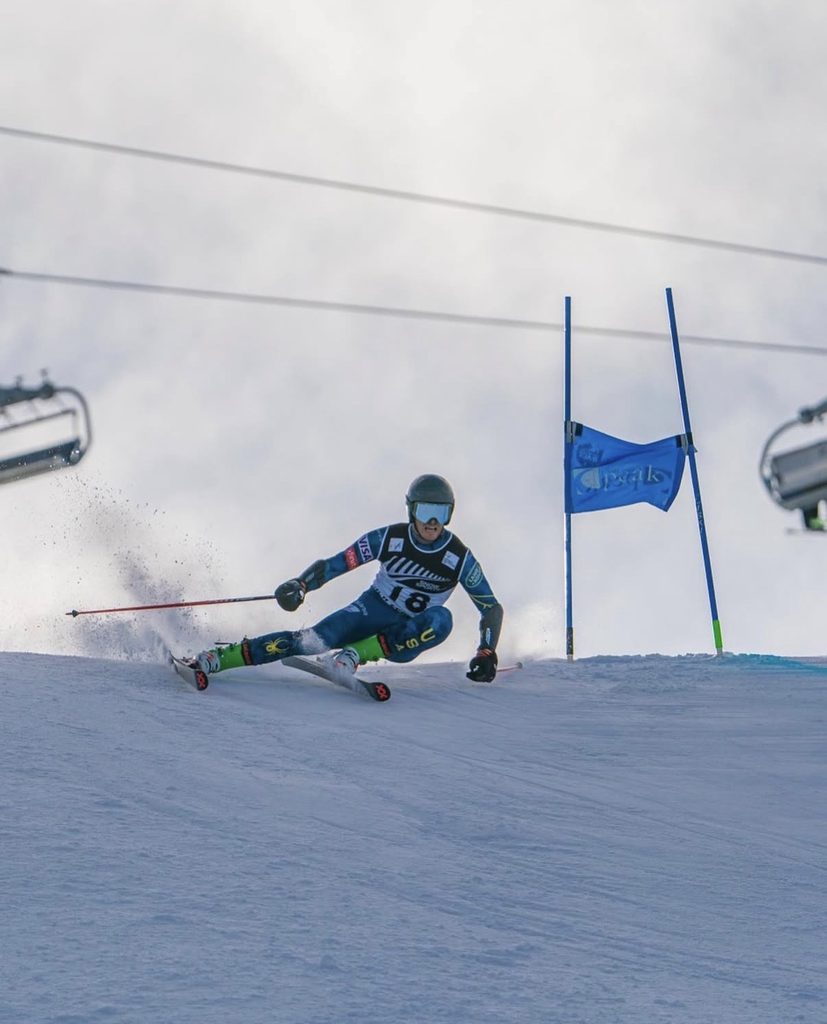
Brown grew up in Park City, where the legacy of the 2002 Olympics was still a strong presence. He tried different skiing disciplines before following his friends into racing with the Park City Ski Team, now Park City Ski & Snowboard. His early training took place at Park City Mountain Resort, with the Utah Olympic Park becoming a more significant part of the program as he got older.
Choosing WSS was a major decision. Football and baseball were just as important to him at the time, and he worried that attending the school would mean committing his entire identity to ski racing. The faculty’s willingness to support those other sports helped ease that concern.
“Going to WSS didn’t mean that skiing would be my entire identity,” Brown said.
He also noticed the school’s close community during his first visit. Students knew one another, relationships with teachers felt personal, and older teammates had already shown him what the calendar could make possible athletically.
“Spending all summer in a classroom isn’t most people’s first choice, but it’s really not that bad when you’re with such an amazing group of student-athletes,” he said.
Guay came to WSS from the Ogden area, where she grew up skiing at Snowbasin and Nordic Valley. Both of her parents raced for the University of Utah and coached, making skiing part of family life from the beginning. As a younger athlete, she loved freeskiing and often preferred exploring the mountain to training gates.
As she approached U16, she began looking for opportunities to continue developing as a racer. Friends introduced her to WSS, and she enrolled before joining Park City’s ski program. Still living in Ogden, attending school in Park City required hours of driving from her mother, who balanced the commute with work and coaching.
For Guay, the academic schedule addressed a problem she already knew well. Racing had meant frequent absences from her previous school, and keeping up with the work did not resolve the challenges around attendance. Moving classes into the summer gave her a chance to be more present in school while continuing to pursue skiing.
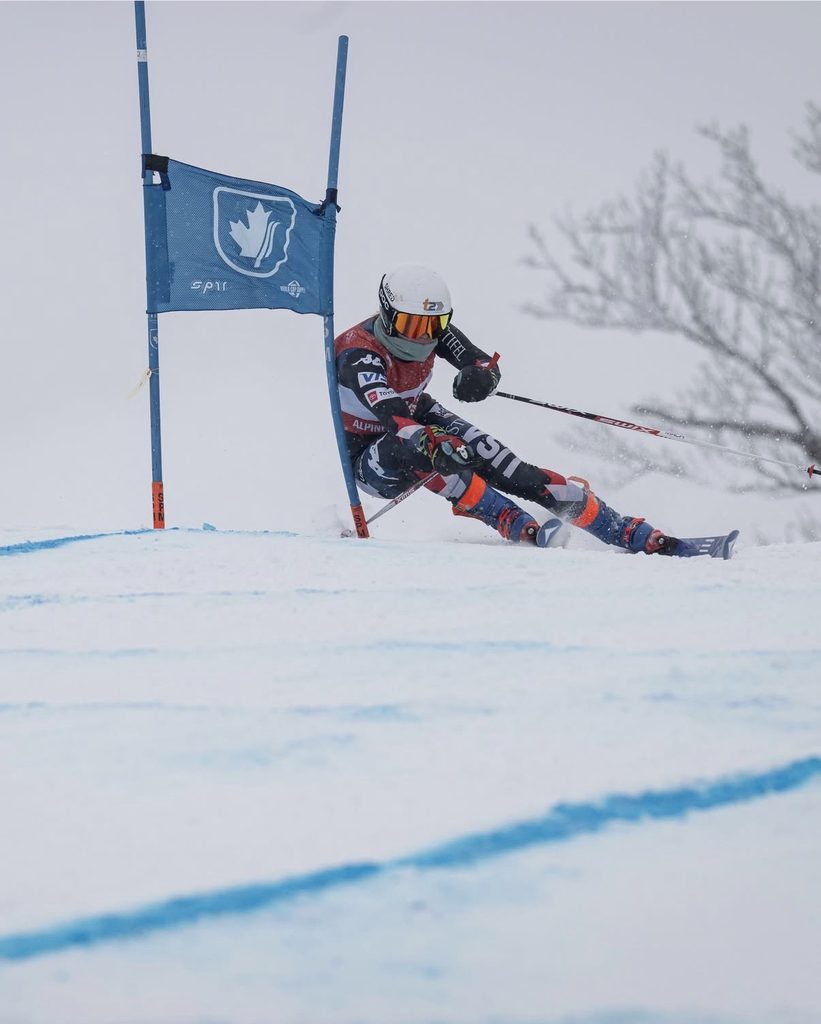
Making School and Training Work Together
Having winter away from classes does not eliminate every scheduling conflict. Summer and fall camps still take athletes out of school, and both graduates described an academic environment that required students to communicate, plan ahead and work hard.
Brown recalled an accelerated pace through the curriculum, with teachers helping students manage the demands of travel. During his senior year, he said he missed almost half the academic year because of his training schedule. Keeping up required additional work before trips, support while traveling and time with teachers when he returned.
For a week or two before one trip, Brown met with his math teacher 45 minutes before school each day. While away, his teachers made themselves available for Zoom meetings when he needed help.
“Whether that meant adjusting assignment due dates or holding supplementary class sessions, we always made it work,” Brown said.
He emphasized that accommodating skiing did not mean lowering academic expectations. Teachers found ways to help him learn the material and complete the work, even when his schedule looked different from that of his classmates.
Guay remembered a similar approach. Before extended camps, students met with teachers to discuss what they could complete in advance and what would need attention afterward. She recalled the school sending Wi-Fi routers on one trip and an academic staff member traveling to camps to help with subjects including math and science.
At home, the connection between school and training was part of everyday life. Classmates would finish the school day and carpool to dryland together, surrounded by friends managing many of the same commitments.
“You have a great relationship with every teacher, every administrator, everyone who works at the Winter Sports School,” Guay said.
That familiarity made it easier to ask for help. Teachers knew their students’ learning styles, understood where they struggled and recognized when they needed extra support.
Finding Community Beyond Alpine Racing
For Guay, feeling at home at WSS took time. She joined midway through her freshman year, after classmates had already begun building friendships. Over the following winter and school year, she found her closest friends, many of whom competed in moguls and other disciplines.
Being around athletes outside alpine racing widened her social circle while giving her friends who understood the commitment her sport required. They trained and competed differently, but they shared many of the same experiences.
Brown also appreciated the range of athletes at the school. His classmates included Nordic skiers, ski jumpers, figure skaters, climbers and athletes pursuing other sports. Watching how they approached their goals helped him stay motivated, particularly during COVID.
By senior year, Brown wanted to contribute more to the community and ran for student body president. He helped organize lunchtime competitions, communicate student feedback to faculty and coordinate community events. Through an annual volleyball tournament, students raised thousands of dollars for the Live Like Sam Foundation.
The foundation is named in memory of Sam Jackenthal, a former WSS student who died following a skiing accident during his junior year of high school. Along with the volleyball tournament, WSS honors his memory through the annual Sam Jackenthal Award for Citizenship, recognizing a senior who embodies the school’s values and consistently offers encouragement and support to others.
“While success at WSS requires academic and athletic excellence, what has stayed with me is that WSS instilled the importance of community in me,” Brown said.
From Park City to Dartmouth
Brown’s graduation in 2021 fit the life of a traveling ski racer. He watched the ceremony on a computer at Copper Mountain with classmates the day before a Nor-Am. That same week, he earned his opportunity at Dartmouth.
He continued racing with Park City before spending a postgraduate year at Burke Mountain Academy. College skiing appealed to him as a development opportunity, and he wanted more experience racing in the East, where firm snow and ice challenged him.
Looking back, Brown believes WSS helped him reach Dartmouth by allowing him to pursue a full winter schedule without having to work around classes and exams.
“I never had to adjust my race schedule due to class or worry about a test before heading to a different race,” he said.
Once at Dartmouth, he found that the accelerated academic pace at WSS had prepared him for college coursework. The larger adjustment was learning to take classes and race during the same season, something his high school calendar had allowed him to separate.
Now studying government and economics, Brown is preparing for his final collegiate season. He hopes his results will create an opportunity to continue racing after graduation. With most of his major requirements completed, he is also exploring other classes and experiences on campus.
A Return From Injury and an Opportunity at Utah
Guay’s path to college skiing included an injury during the year she graduated from WSS in 2024. As she worked toward returning to racing, she took classes at the University of Utah during the summer while also working. She later spent a postgraduate year skiing with Park City before earning a place on Utah’s team.
Now majoring in math and interested in attending law school, Guay credits WSS with helping her develop ambitions beyond the racecourse.
“I would say the Winter Sports School set me up to have ambitions outside of skiing, especially academically,” she said.
At Utah, she is enjoying the challenge of training alongside experienced teammates. Being one of the youngest athletes in the group has pushed her, and she is looking forward to a full season after the interruptions of returning from injury.
“I’m excited to just start at the beginning and then have a full season to work and get better and progress,” Guay said.
Giving Both School and Skiing Their Full Attention
For families considering WSS, attending classes through the summer can be a significant adjustment. Both Brown and Guay acknowledged that commitment, but they also described school years filled with friendships, shared training sessions and teachers invested in their progress.
During winter, the calendar gave them time to train, race and recover without the same pressure to catch up on missed classes. During the academic year, they could put more energy into learning, with support when camps took them away.
For Guay, that ability to give each pursuit her attention was one of the most valuable parts of the experience.
“Not only can you focus on your sport more, but you can focus on school more,” she said.
About the Author: Katie Twible
Related Post