His truth: Jonathan Nordbotten reflects on long career
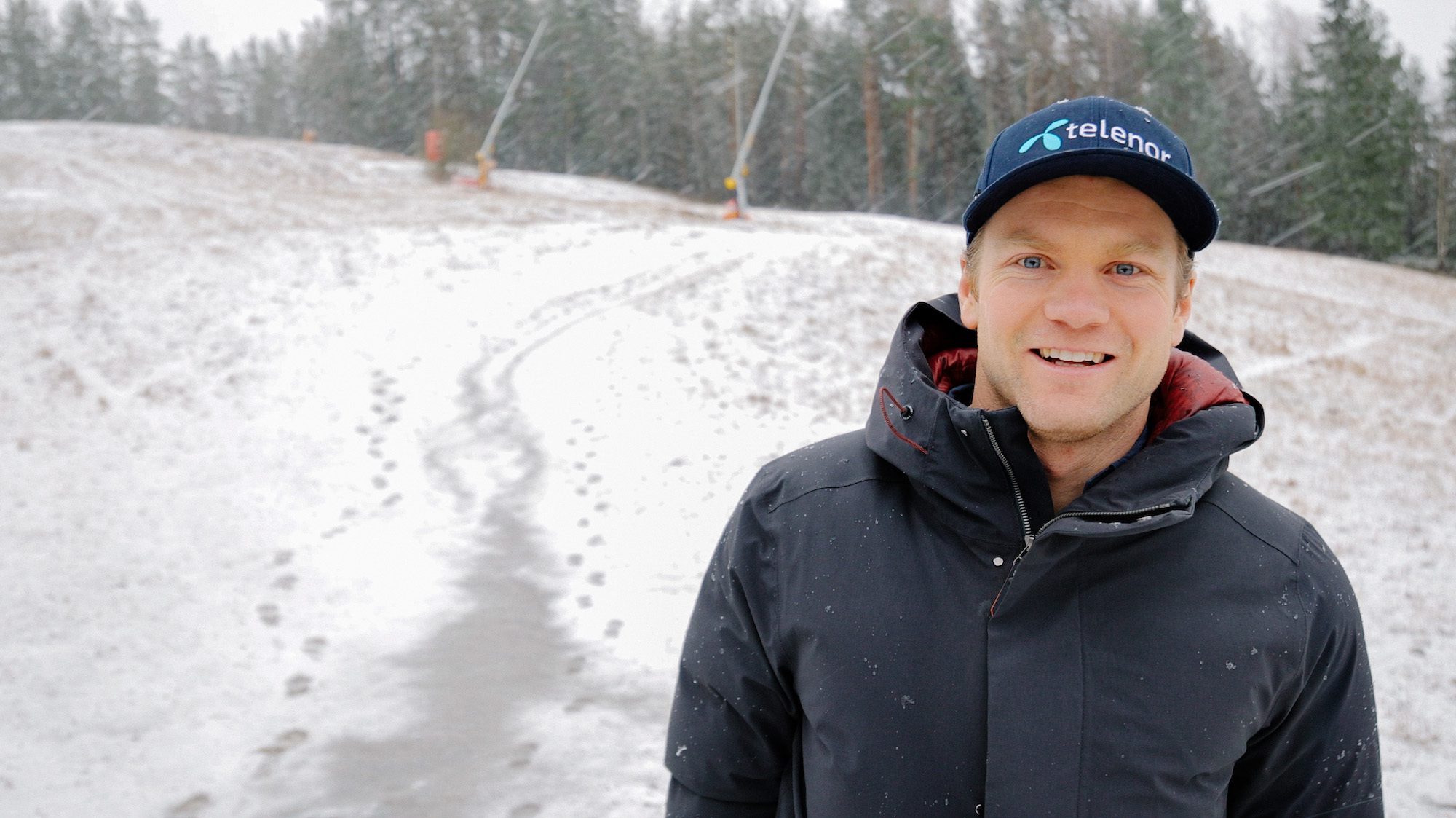
Norwegian Olympic bronze medalist Jonathan Nordbotten describes himself as a patient grinder but not a great athlete.
“I can barely dribble a basketball,” he said with a laugh.
That didn’t prevent this “less-than-great athlete” from becoming an NCAA individual and team national champion while skiing for UVM. Additionally, his career included 39 top-30 World Cup finishes; 12 of those were top 10s, and his two best finishes were a pair of fifths. He has skied in three FIS alpine world championships and at the PyeongChang Winter Olympics Games, where he won bronze for team Norway in the team event.
Most athletes can only dream about this level of performance. The exciting highs, however, did not come without several painful lows. Now that he is retired from competitive skiing, he would like to share the valuable lessons he learned during his journey.
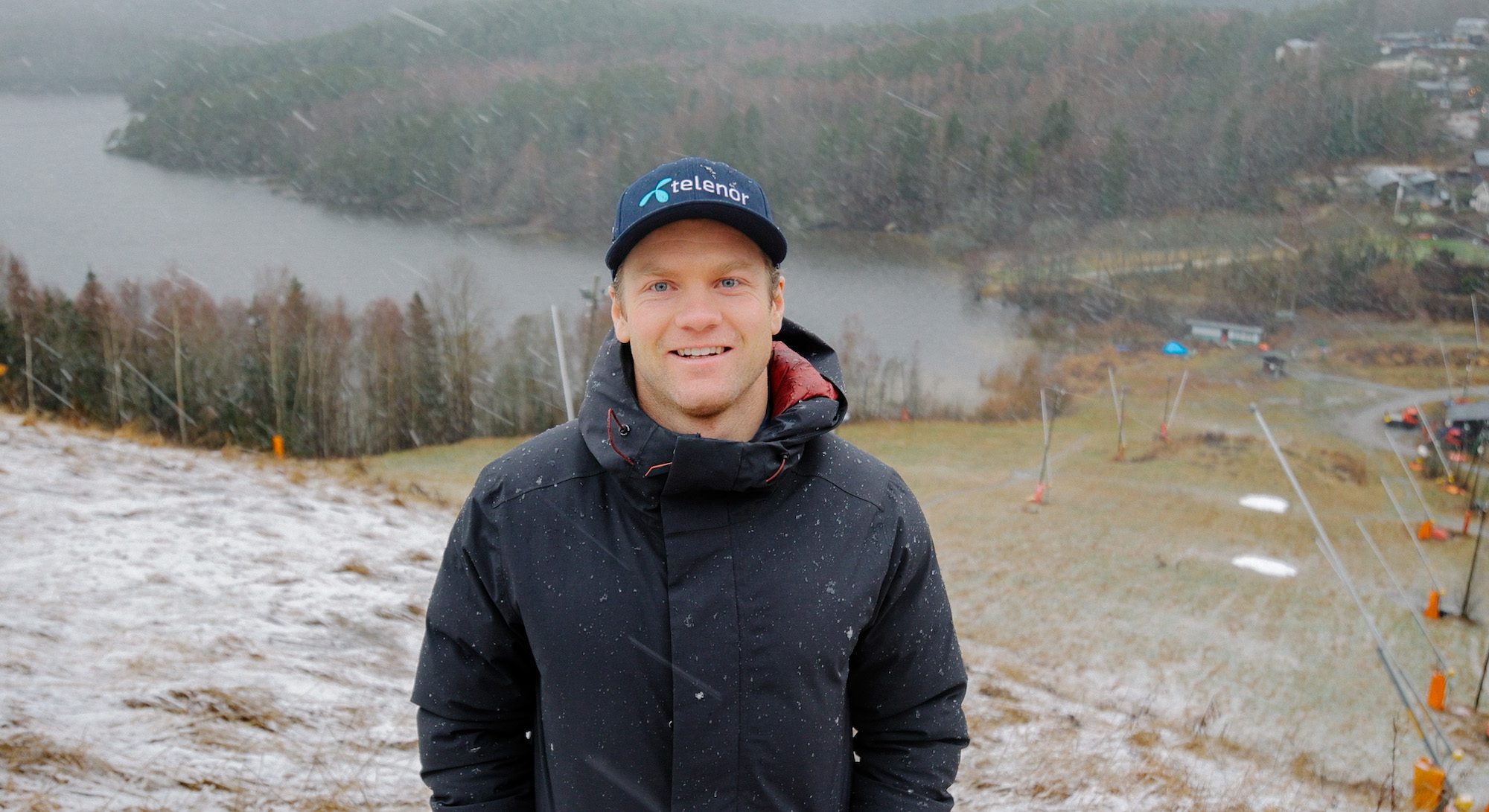
Born in July of 1989, Nordbotten lived in the village of Kolbotn just 20 minutes outside Oslo. From their home, the Nordbotten family can see the Ingeirkollen Slalom Center, a two-lift, local ski area.
Predictably, at the age of three, he started his skiing journey, and a few years later his parents enrolled him in the local program, the Ingierkollen Slalom Klubb. Although the younger club members met for only a couple hours, two days per week, Nordbotten was there early and stayed late.
“I would ski every day possible, and most of the skiing I did as a child was skiing around being a kid, just having fun with my friends,” he recalled. “Living so close to the ski hill was crucial to the pursuit of my passion.”
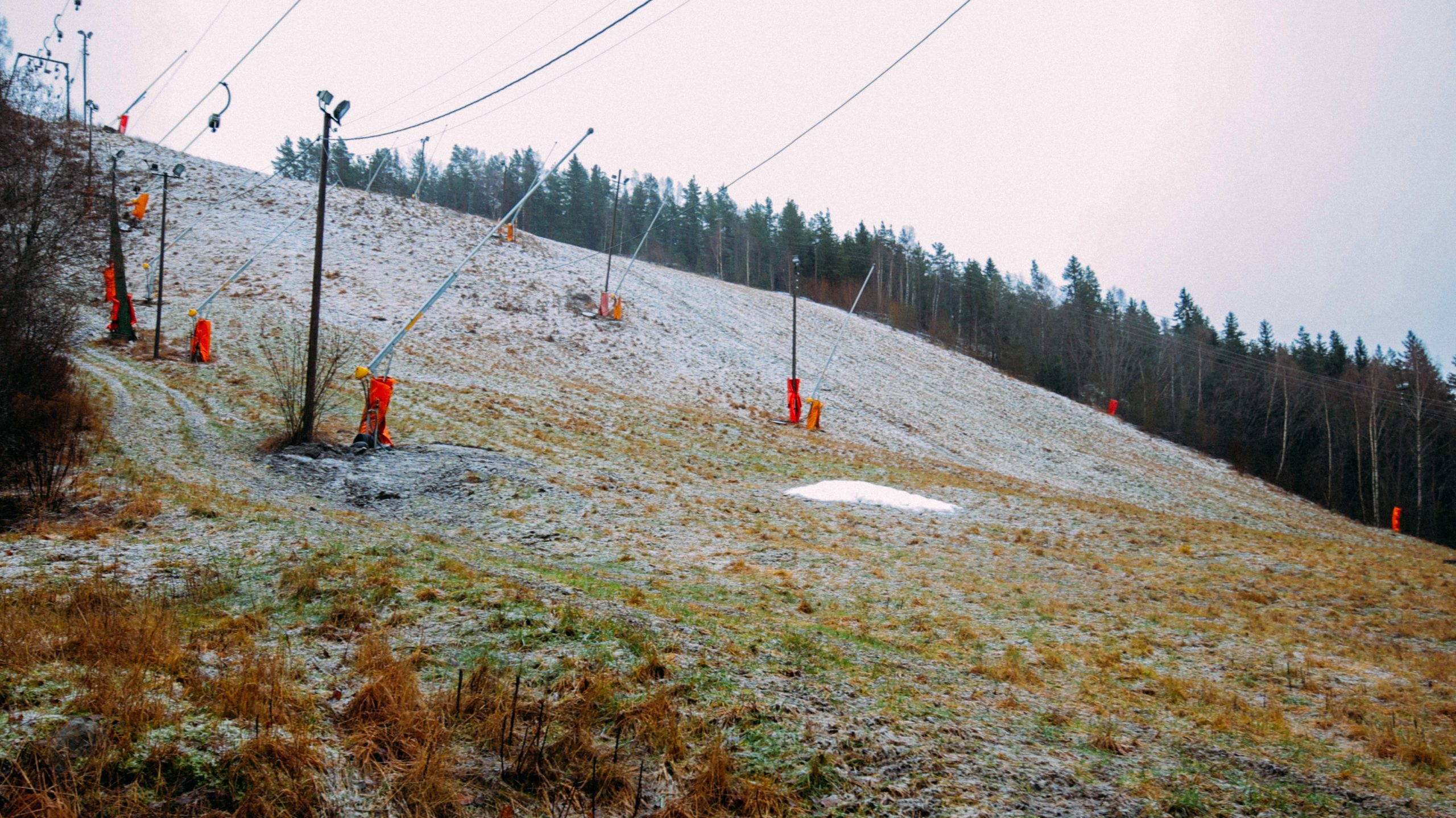
He had struggled with soccer and golf but skied well, and he loved it. “From a young age, I liked to compete; however, I was not a fast runner, and I wasn’t the fastest on my bike, but I was a fast skier,” he said.
In time, Nordbotten’s parents entered him in local holiday children’s races. “There was no pressure, and it was fun to race. After those early experiences, I only wanted to be a ski racer, and starting at the age of 10, my program became more professional each year.”
Valuable lessons
Looking back on his journey, Nordbotten hopes to share the most valuable lessons he learned throughout his years of ski racing. He comments, “In the pursuit of being my best, I have learned what helped me ski well, and I have identified things that got in my way.
“Even as a young racer, performance disappointments motivated me to work hard to address my deficiencies. As a kid, I remember not qualifying for a race, and my friends did. It bummed me out. I had excuses, but in the end, I knew I had not skied well enough to qualify,” he says.
“My solution was to do all I could to improve my weaknesses and do all I could to give myself the best chance to qualify the next time,” he said. “It has always been my desire to compete at the highest level possible, but it invariably took me significant effort to advance through the ranks. However, even when I wasn’t advancing as quickly as I hoped, I was still happy I was ski racing. There was nothing I would rather do.”
Nordbotten wants young athletes to know he can relate to the challenges of feeling uncomfortable when reaching a new, more-competitive level. He frequently experienced a healthy dose of doubt during career, but eventually, he would have a result that would supply the confidence needed to convince himself he belonged.
“Every time I would first succeed at a level, I realized that it was not much different than the level below,” he said. “In the end, it is just skiing around reds and blues. A good example is my Europa Cup experience. When I was young, I skied a lot of them, and I struggled. Continental Cups seemed beyond me. Then, I came to the U.S. to ski for UVM, and they entered me in the early-season Colorado NorAms.”
Nordbotten said the field was strong at those races, including several World Cup athletes, not least among them, Marcel Hirscher. Nordbotten raced from Bib 25 and finished 12th. But more importantly, he says, he finished only 1.48 seconds off the winner.
“As a result, I realized I could compete in Continental Cups. Armed with that knowledge, I was able to win two of the subsequent four NorAm slaloms,” he recalled. “When I arrived in the U.S., my world slalom rank was 108, and at the end of that first year at UVM, due largely to the confidence and insight I gained, I ended that season ranked 41st.
Nordbotten went on that season to qualify for four World Cup starts, and he scored his first points in the last of those four, in Schladming.
“It was then I realized, even the World Cup is just skiing around red and blue,” he said.
Two skiers, one Nordbotten
Nordbotten describes his career as the tale of two skiers.
“When I would get to a point I was skiing consistently fast, my focus would eventually drift from the process to the outcome. Doing well is fun and an absolute pleasure, but because of that, the result can seem to be the most important thing and the reason you ski. However, whenever I forgot that the love of the process is why I ski, and the process I love is why I have results, I would soon find myself in trouble. My results would fall off, and frustration would dominate my thinking.
“Once I had started down the outcome road, even the good outcomes would only be a relief, and disappointing results would make me mad. An outcome frame of mind was not a good place for me to be. During these darker moments, I would live in an environment that the sport I loved was no longer the challenge I enjoyed but a threat I had to face.
“When I ski my best, outcomes are not a part of my thoughts. I found thinking about outcomes and making them the goal has always hurt my performance. I know better, and many times I have been my own worst enemy,” he said.
Nordbotten recalls a race in Kitzbuehel, which he had assumed would be his last World Cup, having recently dropped out of the top 30. He had no reason to expect a good result that day, but he did expect to have some fun.
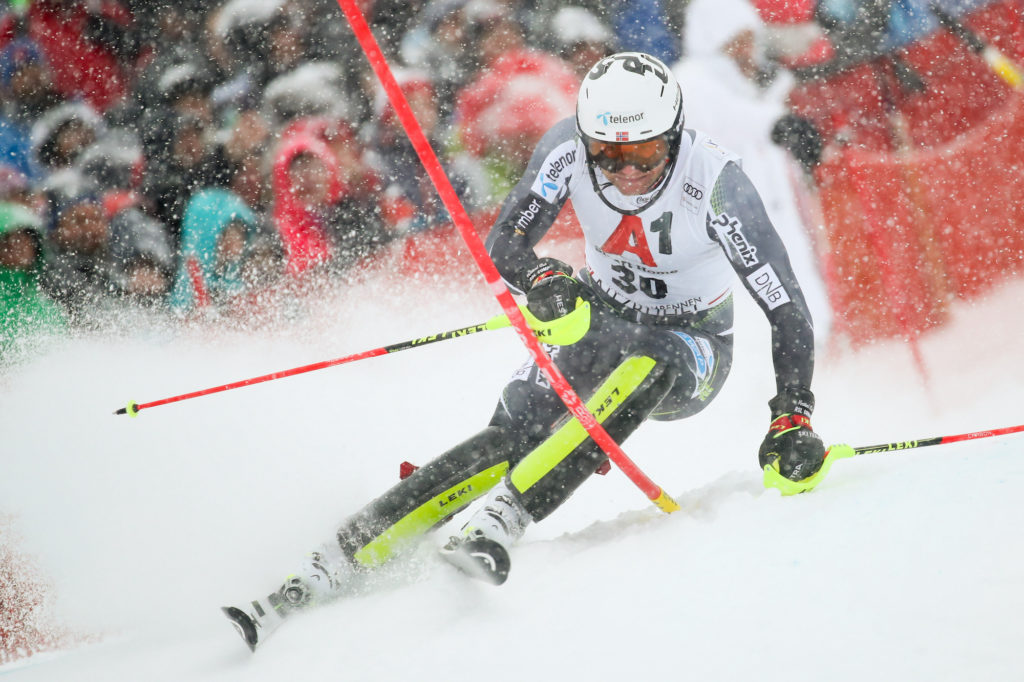
Before the first-run inspection he recalls being made fun of for taking a few pictures with his phone to memorialize the day, but it didn’t faze him.
He started Bib 51 and finished sixth. It was one of the best results of his career.
“Once again, I confirmed that I ski well when I don’t have outcome expectations. It put me back on track,” he said. “I understand it is hard not to concern yourself with the outcome. I believe it is because the world sends you constant signals that results are the only thing. Good Results are exciting. Everyone is patting you on the back. You even get new friends who don’t even know you. It is like a drug, addicting, but it is only a welcome pleasure, and results in themselves never made me happy.
“I do know every time I got sucked back into the outcome world, I became unhappy, and the high-to-low cycle would start again. I am fortunate to know the mindset I need to be my best, but I admit it is challenging to stay in that state of mind. I have had to work at it.
“One of the tools I use to combat the adverse effects of outcome thoughts is to read a note I received from a friend reminding me I ski only for myself and only because I love it. I keep the note on my phone and read it a hundred times a year. It is authentic, straightforward, and simple:
Hey Jono,
Please remember that your skiing is yours. You have nothing to prove. You do it because you love it.
You don’t ski at a World Cup for a team, a nation, a friend, a family member.
Ski free of anything but the moment. Express it. Love the moment.
Let Nordbotten fly.
There is another issue that Nordbotten has had to deal with throughout his career: the volume of advice from well-intended coaches. In an attempt to make him faster, many have tried to help him ski more conventionally.
As noted, Nordbotten doesn’t think of himself as athletically gifted. He has a stance anyone can envy, but his style is uniquely Nordbotten. Whenever he and a coach invested too much into becoming more traditional, he would become slow and frustrated, he said.
“To make the most of your unique ability, you have to know your skiing and trust yourself. Being open is important, and so is understanding the details, but it is a fine line,” he said. “If you are too available, I believe you won’t make it very far. I am at my best when I pursue improvements but only a few at a time.
“If I am overthinking during a race run, I might as well stop because I know I am slow. If I try and change too many things in training, I get frustrated and make no progress. I need to be in a flow state. I need to keep it simple and only think about the fewest things possible. During a race run, I do my best to clear my head and let Nordbotten fly,” he explained.
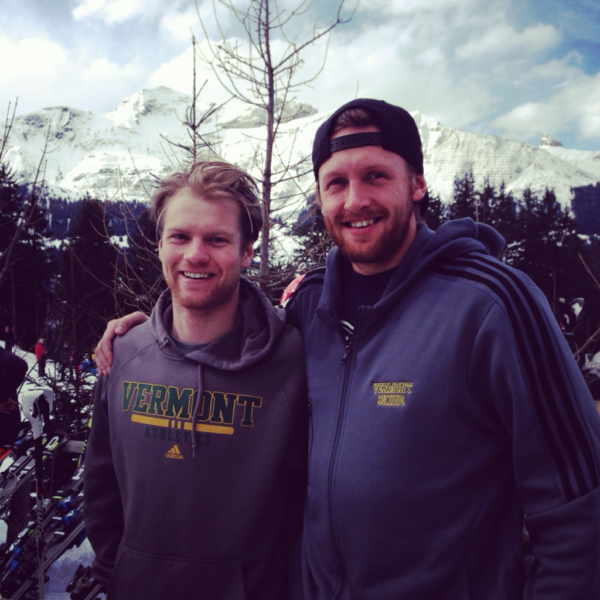 When asked what his best memories from ski racing are, Nordbotten immediately responded: “The camaraderie with friends and teammates. I especially cherish the memories of laughing together.”
He talks about the revelation he had when UVM won the national championship as a team. He compares it to winning the team event medal at the Olympics.
“Before skiing for UVM, I did not realize how great it is and how good it feels to win together as a team. It was extraordinary and an experience I will cherish forever. Succeeding with teammates is a special moment,” he said.
And finally, when asked what advice he would like to give others, Nordbotten responded: “Work hard, be dedicated, and have a structure that fits you. Make both long- and short-term process goals. Most importantly, don’t be afraid of uncomfortable decisions.
“I remember how awkward it was when I got onto a plane to go to New Zealand, knowing that after the camp, I would go directly to Vermont to enter UVM. It meant I would not be home for almost a year. I felt very lonely. I had never been to the U.S. before, and I only knew Tim Kelley at UVM.
“But, one of the main reasons I had chosen UVM was that they didn’t have any other Norwegians. If I was going to school in the U.S., I didn’t want to hang out with Norwegians. It ended up being one of my best decisions,” he finished. “I have made numerous uncomfortable decisions that ended up being great for me. That is why I am sure the tough decision I am making to retire from the World Cup will be a good one. I can’t wait to see where this significant decision will lead. One thing I know is that I will let Nordbotten fly.”
Currently, Nordbotten is considering a job in finance or continuing his education by pursuing a master’s in business administration.
About the Author: Peter Lange
Related Post