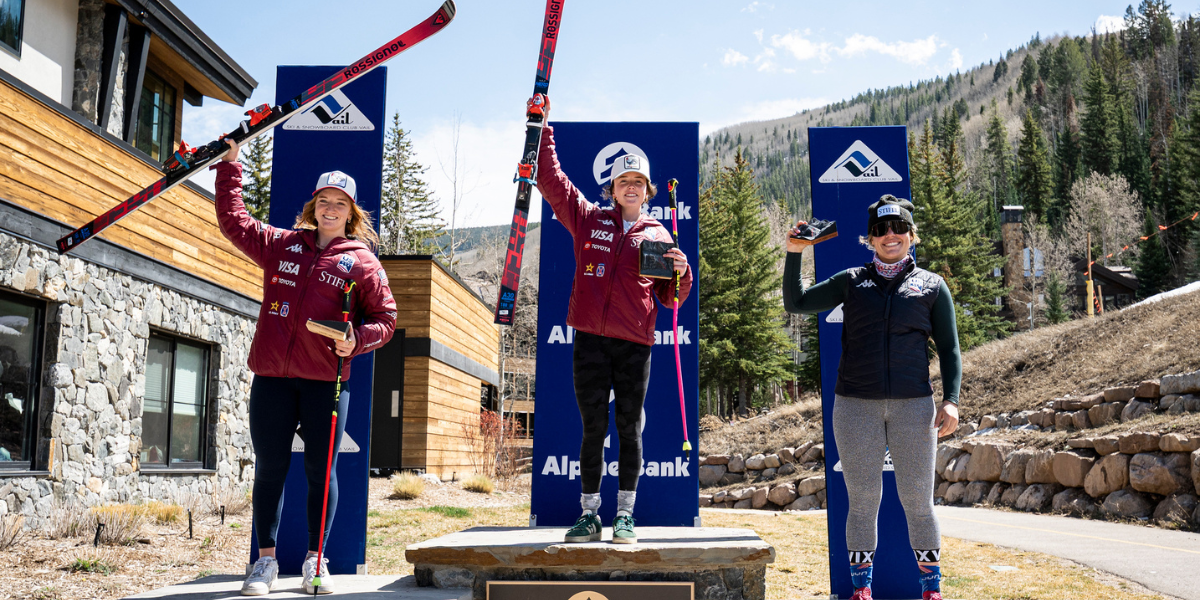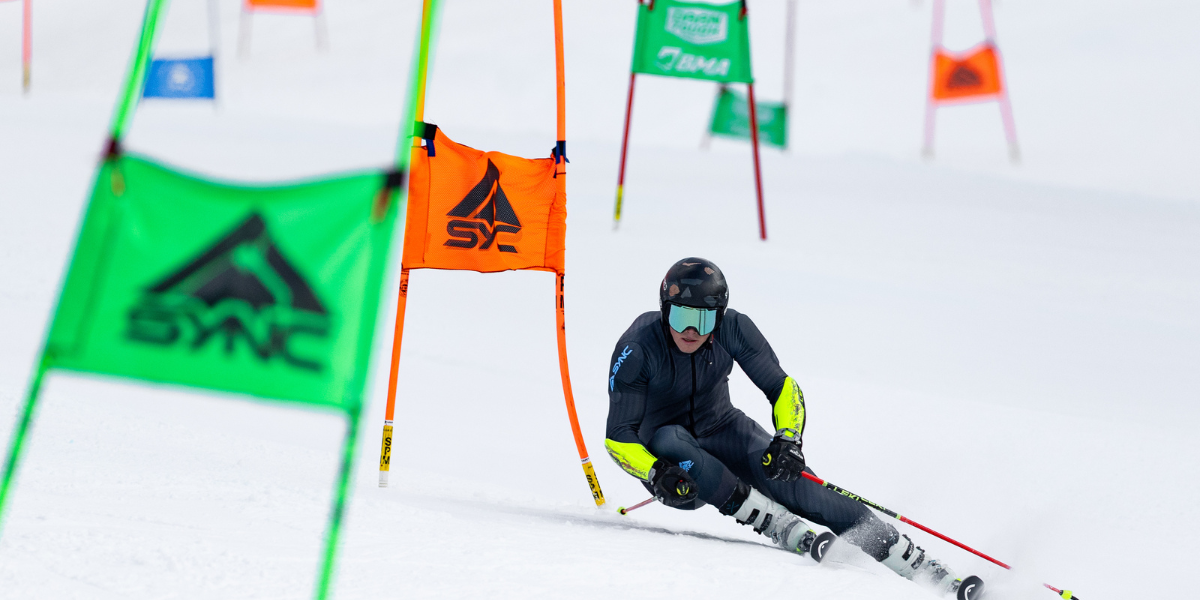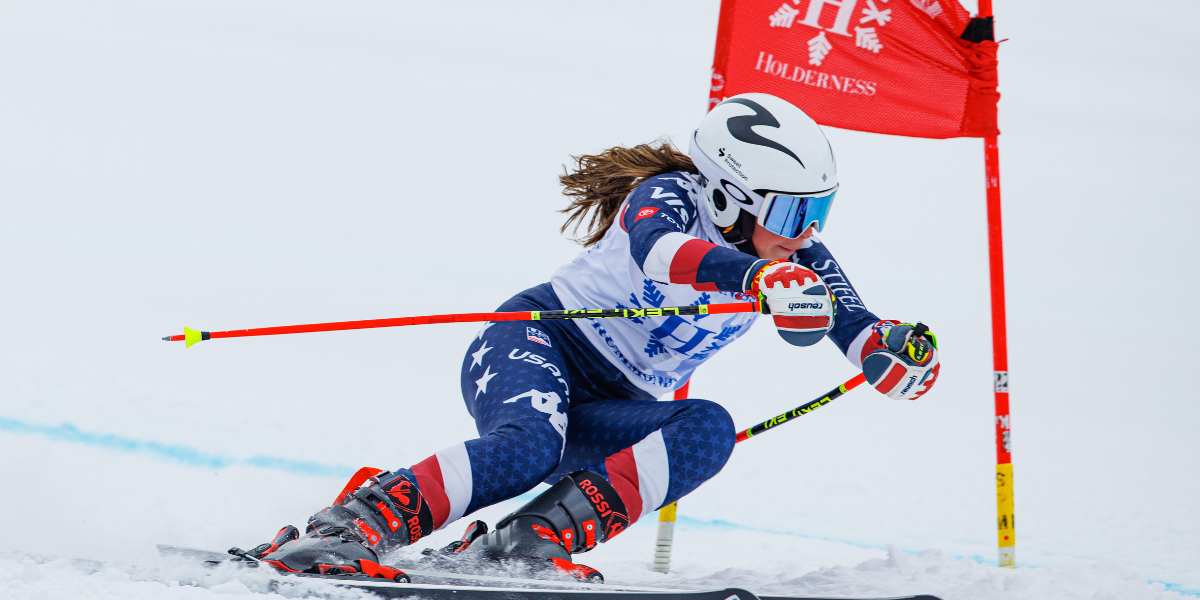
In pursuit of innovation, the ESKI project got underway this past summer. An initiation of the Alta Badia Ski Academy and Dr. Federiga Bindi, the project was funded by EU Sports and Education grants. The camp attendants — four girls and 12 boys — were primarily Alta Badia Ski Academy racers U14-16, including few US skiers of the same age.
The on-snow portion of the project (Stelvio in August), had typical characteristics of summer training, combining daily on-snow and dryland segments. The off-snow portion of the project got underway in the end of August and beginning of September, at the seaside resort of Punta Ala, in southwestern Tuscany.
The training activities included biking, CrossFit, water sports and games. In addition, coaches participated in 2-3 hours of daily conferences on the innovation of dry land training.

Among the mostly Italian coaches, were representatives from Latvia and Greece as well as American Mike Morin from Stratton Mountain School. I found myself on the side of seniority which gave me a slightly different perspective on the whole discussion.
The sessions, monitored by Dr. Bindi, did not come to any solid conclusions, but set up discussions for future meetings and offered an opportunity to brainstorm topics.
Then and now
My first impression was that there is not too much that needs to be invented. All discussed topics and perhaps innovations have already been exercised at some point in time, though called by a different name. Even relatively modern things like CrossFit are just old style “circuits” with a new name.
While the total volume of training per year has been maintained in the past 60 years (or more) for different age groups, the form has changed dramatically, shifting towards more on-snow training. In favor of extended on-snow training opportunities (early season, post season, summer on glaciers or indoors) we have compromised the off snow elements, sometimes including recovery.
My training log from 1968 shows that we trained a very similar total volume per year, but roughly 1/4 of that total volume was on-snow and the rest of it was dedicated to agility, speed, strength, endurance and recovery (passive, active and mental).
Nature of sport
Most coaches would argue there is no substitute for on-snow training, because technique and tactics can be trained on snow only. It is a true statement, however since we cannot extend the total volume per year, the only way to acquire more on snow time is to sacrifice or compress the supplemental training.
Our sport can hardly be called “athletically effective.” An infinity of elements need to be trained to provide what one ski run (a minute plus effort), 5-7 times per day, cannot satisfy. Ten minutes per day of total on-snow gate training effort cannot possibly give a racer all the needed elements to master the task and do it safely, efficiently and with the pursuit of speed improvement.
The ratio is roughly 1:10, action: preparation, where only a fraction of time on snow in full gear is committed to the actual action (skiing). In fact, this ratio is not as bad as it used to be. Skinning used to be the only way to get to the start of the alpine run, and inspection of the race course was “by ascent”. Alpine skiers got in shape by ascending the mountain—hiking 300m vertical four times a day gave you a full endurance workout. Today’s chairlifts are everywhere, and faster.
The evolution
In the meantime, equipment has changed, the speed is not comparable and the forces are beyond imagination. The shift in physique—from skinny, talented mountaineer ectomorph somatotype, to masculine acrobat mesomorph—has also taken place. Somewhere in this transition (1960-1970) we came to the conclusion that skiing alone is not enough to give skiers all the strength they need and came up with a multi skill concept. Lack of on-snow time in some parts of the globe forced alpine racers to invent alternative methods in order to keep up with those more fortunate who are closer to the snow.
Slopes with artificial surfaces, grass skis, “magic carpets”, in-line alpine skis, in-line skates, sand skiing—all those things were meant to substitute and provide a close-to-skiing feeling where snow was not available.
A multi-sport skill development
The ability to adapt new motor skills along with key cognitive functions is best in the early stage of life, and slows or diminishes with increased age. In our first year of life we learn how to roll, crawl, sit, stand and walk, all in balance. Later comes running, jumping and throwing. If we could maintain our infant pace in adapting new motor skills for the rest of our lives, we all would be champions of all sports. Unfortunately, in any sport, this God given ability diminishes with increased age, affecting athletic development.
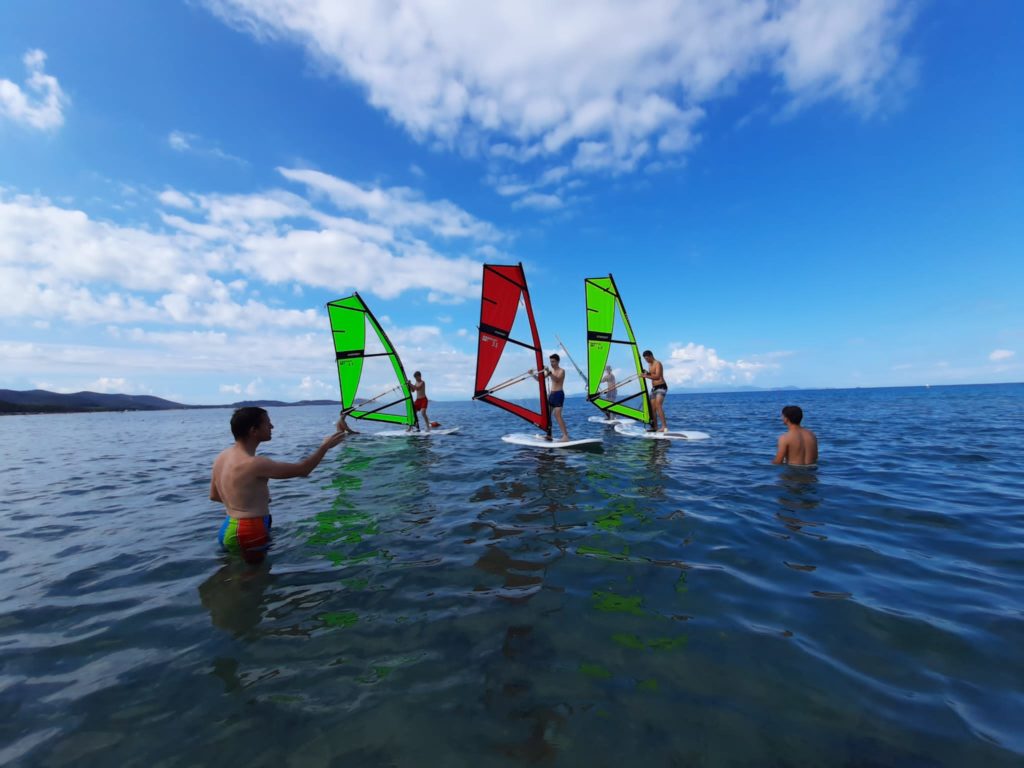
To extend the ability to learn new motor skills, an individual must expose him/her self to new skills and adapt those. For example, for a ski racer who develops eye-foot coordination by dribbling a soccer ball, the goal is not to become a world class player, but to pick up a useful motor skill that can be utilized in alpine skiing.
There are a practically unlimited amount of useful motor skills to learn, but the actual ability to learn holds the greatest benefit for enhancing on snow development.
Some people are better equipped
Shane McConkey came to CU in 1991. At the first fall dry land training session, I asked him if he could do a standing back flip and if it would pose any problem to try it if he had never done any. (The backflip was a standard feature among returning athletes.) His response was a double negative. After observing a few athletes, Shane took the turn, refused a spot, and laid a perfect backflip.
Since Day 1 he marveled everybody with his ability to learn a new trick: Balance rope going backward; mono-bike; double front flip dive from 3m platform…. Unfortunately later on Shane took his ability to the next level and the rest is history.
Technology impact
Another shift in the proportion of training structure came in 1984 with the introduction of shaped skis. With them came a greater demand for pure strength. For example, alpine skiers squatting twice their bodyweight is now standard. To get to that level in the weight room takes a considerable amount of time, and the only option is to sacrifice less critical components of training.
The five components of pre season training: agility, speed, strength, endurance and recovery have gotten squeezed into a much smaller box than in the past. In the search for this needed time, we cut out the seemingly “marginal” benefits of recovery, making it a personal responsibility outside of official training, or leaving it totally neglected. Things that used to be mandatory— massages, aquatic therapies, saunas, post work-out stretching—are no longer in our vocabulary or are accessible to a privileged few.
Where to go
The search for answers on questions of new methods should be in areas of efficiency, methodology, balance and consonance, discipline and safety. The last two have become a formal target of “Sports Safety” but need to respect a complexity where all aspects of training are in the right proportion to benefit the athlete. Today’s coaches typically have very minimal (if any) formal education in sports organization and methodology. The good old whistle, when used to attract the athletes’ attention, has become an antique in today’s abuse-sensitive environment, but carries real safety benefits.
Revisit and recycle
Additionally, the “load and recovery” cycle, which assures progress in physical fitness, needs to be reinstated as a training concept. When athletes who are not fully recovered go into another “demanding” training, it leads to fatigue and a total loss of training advantage. This happens often, due to the compartmentalization of training, where, for example the strength coach conducts training on Monday, and the ski coach—with no reference to the content of previous day’s training—takes skiers for hard gate training on Tuesday. Back in the old days, before schools hired supplemental, specialized coaches (for strength, speed, nutrition and mental health) the primary coach was present at all aspects of training, thus having a full understanding of and responsibility for the physical condition of the athletes. This is something we have to reinvent!
This was a first meeting of the project which is scheduled for the next two years with a number of camp/conferences to be conducted in a variety of countries.
The group is currently collecting as much evidence as possible to have a solid data to draft a conclusion. Stay tuned.
About the Author: Richard Rokos