GEPA Pictures
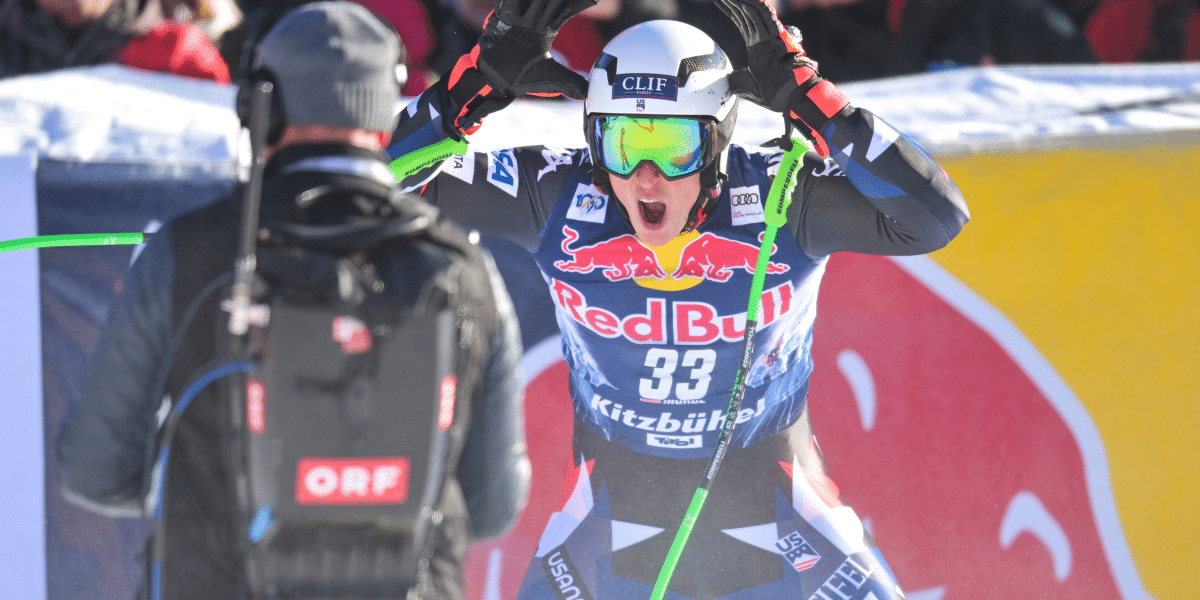
Copper Mountain — Sam Morse’s speed skiing career intersects with marriage, engineering at Dartmouth, and running Fast Camp, making him one of the most diverse figures on the U.S. men’s speed team. Known as “Moose,” Morse manages an extraordinary balance between elite performance and real-life responsibilities.
It’s a lot. But Morse handles it with honesty, commitment, and a deep love for the sport that first hooked him on the fall line at Sugarloaf.
Three Pillars — and a Marriage That Supports Them All
Morse keeps his life ordered around what he calls his three pillars: skiing, Dartmouth, and Fast Camp—the ski camp he is deeply proud of that he runs every year
“Those are my three pillars,” Morse said. “If something doesn’t fit into those three, it has to come later.”
Marriage is the priority. Morse and his wife, Mackenzie, celebrated their second anniversary this year, and she remains his closest daily support.
“She watches every race, every single one,” he said. “She wants me to do well, but I know she loves me regardless of results. That’s really important.”
Her remote role with the U.S. Olympic Committee allows them to spend nearly half the year together, splitting time between Europe in the winter and Hanover each spring.
Engineering at Dartmouth — Slowly, Intentionally
Morse is deep into Dartmouth’s mechanical engineering degree, roughly 75% complete. He attends each spring term and has four terms remaining.
“It’s really challenging,” he said. “Kyle Negomir and I just took a chemistry placement test to get into a harder class because the usual one isn’t offered in spring. We passed—barely.”
The schedule demands that he pace his degree, and, like Tommy Ford years ago, Morse expects he’ll eventually pause school, then return to finish once ski racing allows.
A Life Between Utah and Maine
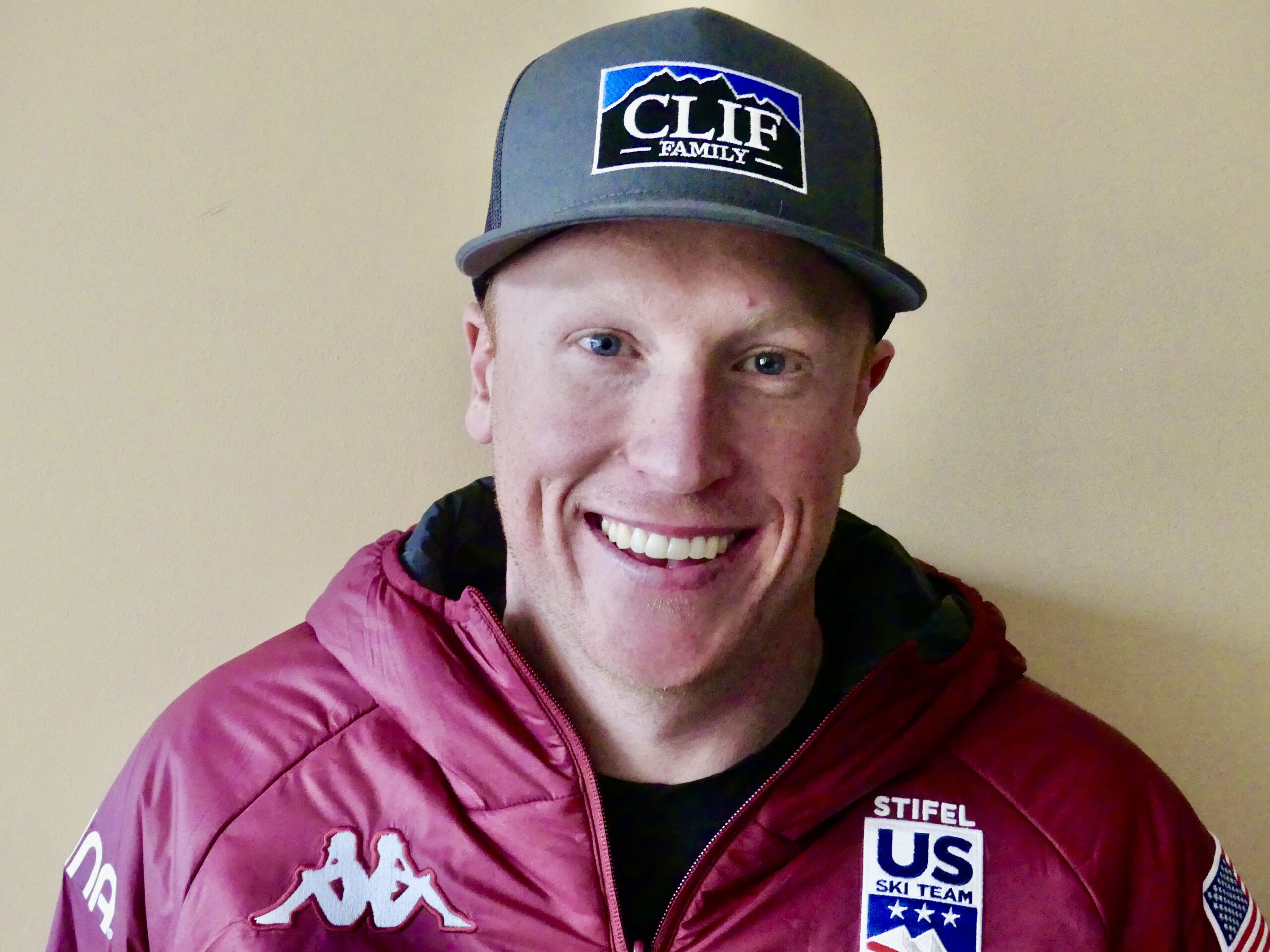
Though his official address is Park City, Morse is rarely home.
“I counted the last two years—294 days away one year, 297 the next,” he said.
Spring often takes him back to Sugarloaf, where the steep, unbroken fall line shaped the racer he is today.
“That unrelenting fall line is exactly what I feel in World Cup downhill,” Morse said. “You’re constantly accelerating. That was huge for me.”
Why the U.S. Speed Races Matter
The four early-season U.S. speed races give him a genuine edge.
“Getting this many races on home snow, on snow that suits me, is massive,” he said. “Arc-to-arc skiing fits me best. When you have to break the ski and slide—like at Kitzbühel—that finesse is harder for me. But linking turns at Beaver Creek or Gardena? I love that.”
Colorado’s dry, high-altitude snow amplifies that advantage.
“In Europe the snow has moisture. It’s faster. Colorado snow links together smoother and slips out better,” he explained. “Beaver Creek stays clean even after a ton of guys run it. That’s unique.”
Copper vs. Beaver Creek Super-G
Copper Mountain’s super-G is far more forgiving than Beaver Creek.
“Beaver Creek is a higher-level super-G—more air, more difficult terrain, and a very intimidating start,” he said. “Copper is a great entry super-G. The progression is right.”
The Olympic Dream That Started in a Minivan
Morse has raced two World Championships but has never been named to an Olympic team.
“Making the Olympics would be a childhood dream come true,” he said.
He still remembers the 2002 Salt Lake Games vividly—even though he was too young to attend. His father and brother drove from Maine to Utah in a minivan, stayed in a Motel 6, and watched the events in person. His brother returned with one unforgettable souvenir:
“My brother has a photo of himself wearing Bode Miller’s silver medal from Salt Lake,” Morse said. “It’s framed on our mantle. I grew up looking at that every day.”
That image still fuels him.
What Makes a Downhiller
Fear is part of the job. Morse doesn’t pretend otherwise.
“One of the major shared characteristics is we’re willing to lean in and embrace the speed and embrace the fear,” he said. “The fear is there—no denying it. It either destroys you and you become a tech skier, or you feed off it and become a downhiller.”
Kitzbühel: The King, the Monster, the Magnet
When asked which course captivates him most, Morse didn’t hesitate.
“Kitzbühel,” he said. “It has that intimidation factor.”
He respects Wengen’s complexity, but Kitzbühel’s psychological intensity is unmatched.
“When you’re sitting in the start watching racers send it off the Mausefalle, you have to convince yourself this is somehow a good idea,” he said. “When I land that first jump and make the next right-footer, I’m like, ‘Okay, I’m good.’ But getting there feels like rolling the dice.”
The start atmosphere, he said, is something every parent, coach, and young racer should experience.
“You can taste it,” he said. “It’s so different.”
Wengen: The Puzzle Still Being Solved
Morse lists Gardena, Beaver Creek, and Kitzbühel as his top three favorites. But Wengen remains the course he’s still decoding.
“Wengen is a puzzle,” he said. “Last year I finally began to put the pieces together. You nail one section, then mess up another. It’s hard to get it all to fit.”
A Reminder From Home
Before this season, Morse had a grounding conversation with his father.
“He said, ‘There’s going to be Olympic pressure, but don’t forget why we started—because you loved the thrill of racing,’” Morse recalled. “‘If you make the team, you make it. If you don’t, you don’t. But don’t lose the joy.’”
It stuck. Morse carries that message with him now.
Who Moose Really Is
Sam “Moose” Morse is compelling not simply because he’s a downhiller, but because he speaks openly about fear, marriage, engineering, and the pressure of chasing Olympic selection while running his own Fast Camp program. He’s grounded, thoughtful, and willing to embrace everything that makes elite speed skiing so difficult—and so beautiful.
He is, in every way, a racer who still carries the joy that started it all on Sugarloaf’s fall line.
About the Author: Peter Lange