Ski racers can learn a thing or two from that famous Yogi Berra line about baseball being 99 percent mental — with the other half physical.
See, the physical requirements of our sport overlap greatly with the mental aspects. You might get in the starting gate in superb shape after months of on-snow training on your slickly waxed skis, but if your head isn’t in the right place, your chance of a stellar performance can easily get sucked down a black hole.
“The physical side is definitely connected to the mental side,” says Mark Hiatt, Ph.D., who works with elite athletes through the Peak Performance Program. “If you’re anxious or over-amped, you need to develop a strategy to relax your muscles, lower your heart rate and breathing rate. It’s not one-size-fits all. Each athlete needs to find their optimal zone, what energy level works best.”
To get into the ideal mental zone, Hiatt suggests the use of key words and imagery not only on race day, but also during practice. “The hardest part is to practice it,” he says. “We recognize the importance of physical skills. You need to practice your mental skills as well, on the hill, in the gym, in all different environments. With more practice, it’s easier to be calm and focused and to reorient if need be.”
Tom Scheeler, a standout on the 2015 Spyder U.S. Alpine Masters Team, shares similar advice. “Repetition and knowing you prepared for the race is the best way to set your mind at rest,” says Scheeler. “I try to make my race runs feel like just another run. No nonchalant skiing in and out of a training course thinking I’ll fix it next run.”
Part of getting your head ready for race day is developing a pre-race routine, which starts on the way to the race. “The rituals you do leading up to the start are really important,” says Hiatt. “Your pre-performance plan prepares your mind and body for what’s about to happen. Cues that put you in the right frame of mind might include watching late-night TV, eating a particular meal or putting your gear on a certain way.”
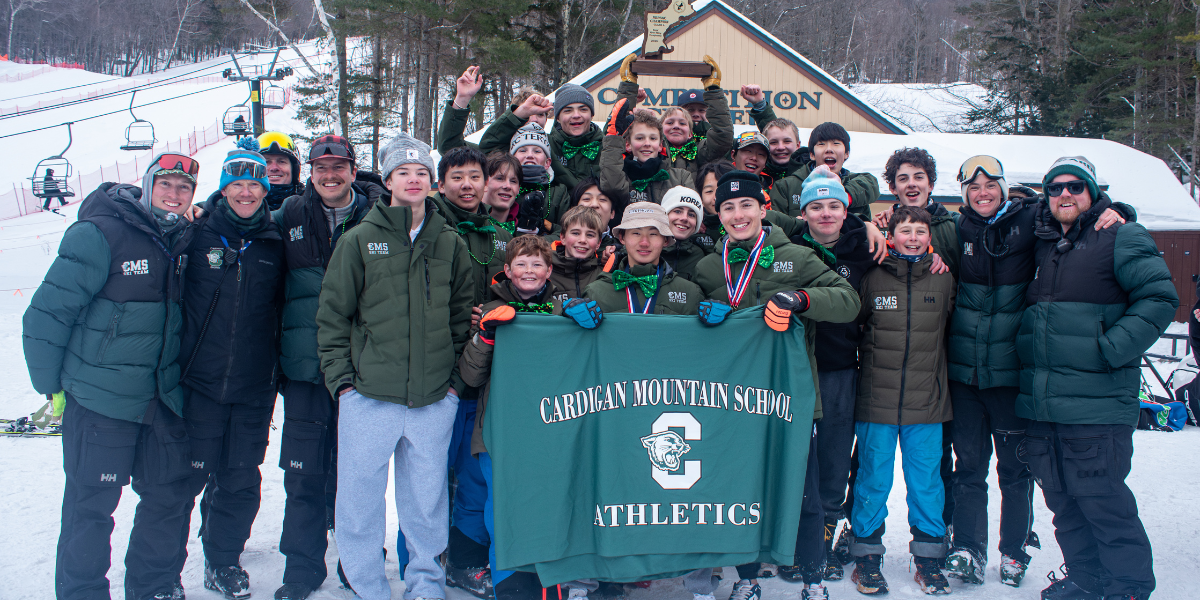
For Bill McCollom, a longtime top masters racer and coach of the state champion high school ski team in Woodstock, having a plan is a key to his ski racing success. It’s what helps him deal with the stress and pressure of competition and to control his emotions.
“It’s so important to be aware of the process and have a plan,” says McCollom. “I don’t stress out about how my competitors might perform. I focus on the task, not the result. I know my limits and try to ski as close to those limits as possible.”
Virtually every experienced masters racer has some sort of pre-race routine to help keep the butterflies under control. Masters national team member Steve Masur runs uphill, futzes with his gear and does a little yoga while avoiding any bad vibes in the start area. “I move away from the nattering nabobs of negativism at the top of the course, about how gate No. 8 is set wrong, someone’s last ACL surgery or the last time a binding preleased,” says Masur. “If I’m still freaked out in the starting gate, I look out over the beautiful mountains and think how awesome good turns feel. Dartfish won’t save me now, so I might as well enjoy it.”
 Pre-race routines help keep the butterflies under control. Credit Lisa Densmore Ballard
Surprisingly, 2015 Spyder U.S. Alpine Masters Team member Lauren Bennett confesses to a fear of speed. To get beyond it, she focuses on getting a fast start. “I know I can make up time with a good start,” she says. “It drives me to be just as fast throughout the course. Once I get on the course, I just remember the basics: stay ahead of things, don’t lean back.”
Teammate John Lussier also concentrates on the having a good start as a way to get mentally ready for a race run. “There’s always the thought and embarrassment of putting my pole between my legs while skating to the first gate,” says Lussier, expressing a dread all racers have felt at one time or another. “I take a few deep breaths and then focus on the aspects of making a good start and a good first turn. After that, it’s line, line, line, and if I don’t have it, what it takes to get it back.”
Many other top masters racers keep the self-coaching in their head very simple after the first turn, thinking only about line and perhaps one technical cue such as not pinching or keeping pressure on the front of the boot. But what if they make a mistake mid-run?
“I enter a Zen-like state and allow The Force to guide me, but if things go badly, I think about the next turn and how to reset,” says Masur. “I try to regain the flow, then start racing again.”
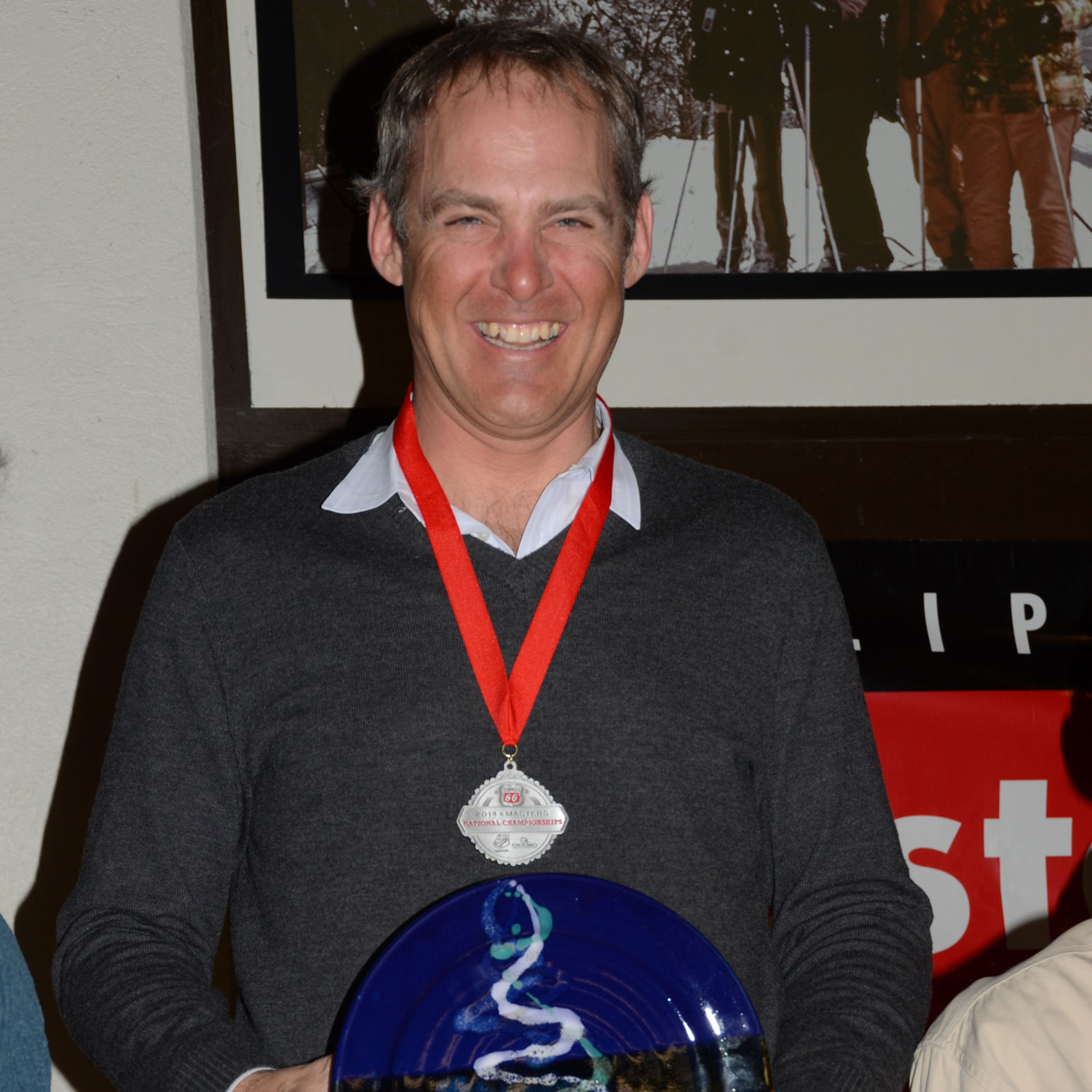 Steve Masur’s Zen-like state pays off at the awards ceremony. Credit Lisa Densmore Ballard
Losing one’s mental cool can happen at any time both before and during a race. You arrive late. A piece of gear malfunctions. The lift stops. The course has a weird gate. You get late over a knoll or bounce off your side on a fall-away turn. There are endless mental potholes on race day.
To regain a performance-enhancing state of mind, Hiatt recommends self-talk. “Use productive thoughts,” he says. “Tell yourself it’s OK. You don’t need to be perfect to perform well. Before race day, anticipate the problems that might arise both with your pre-race routine and during the race, and how to respond to them.”
And after it’s over? The mental game doesn’t end when the clock stops.
“We’re all hyper-critical at the end of each run, remembering only the mistakes,” says McCollom. “I try to enjoy the rush and sense of relief, then look at the positive elements of each run and what can be learned for next time.”
Masters racing is about good friends and good-natured competition, says Lussier. “None of us will feed our families based on our performance as ski racers,” he says. “To those who get tightly wrapped around the axle due to a poor run or event, I say, ‘Take a deep breath and think about the positive aspects of the activity. It’s about the people as well as the racing.’”
Which brings up one of my personal philosophies: the more fun you’re having, the faster you’ll ski. Hiatt agrees. “On the performance pie chart, having fun should be a big slice, a key goal,” he says. “It’s easy to get bogged down in the outcome. Find a balance. Give yourself permission to enjoy yourself. If you’re not having fun, change something.”
In Memoriam: Sandy Treat III
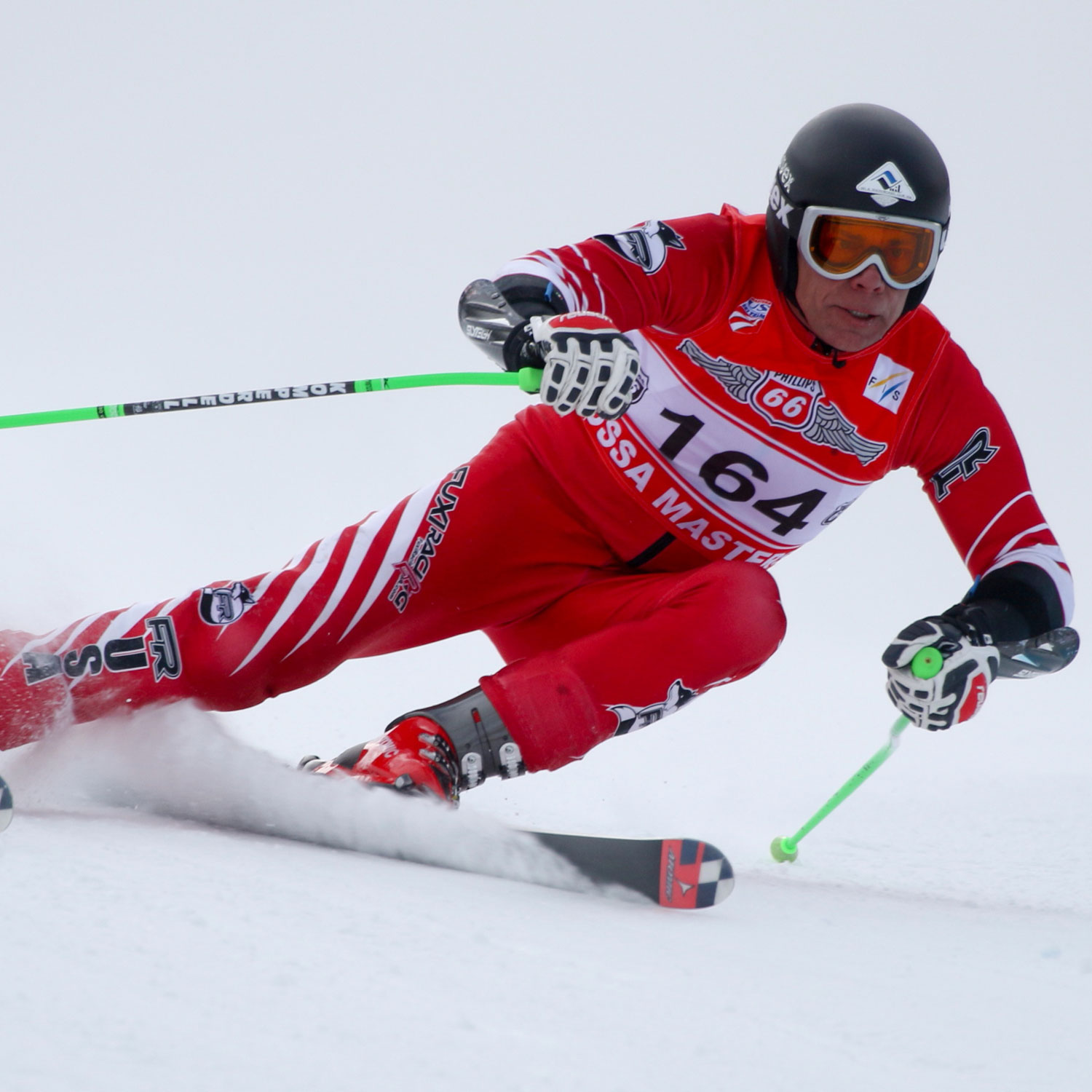 Lisa Densmore Ballard
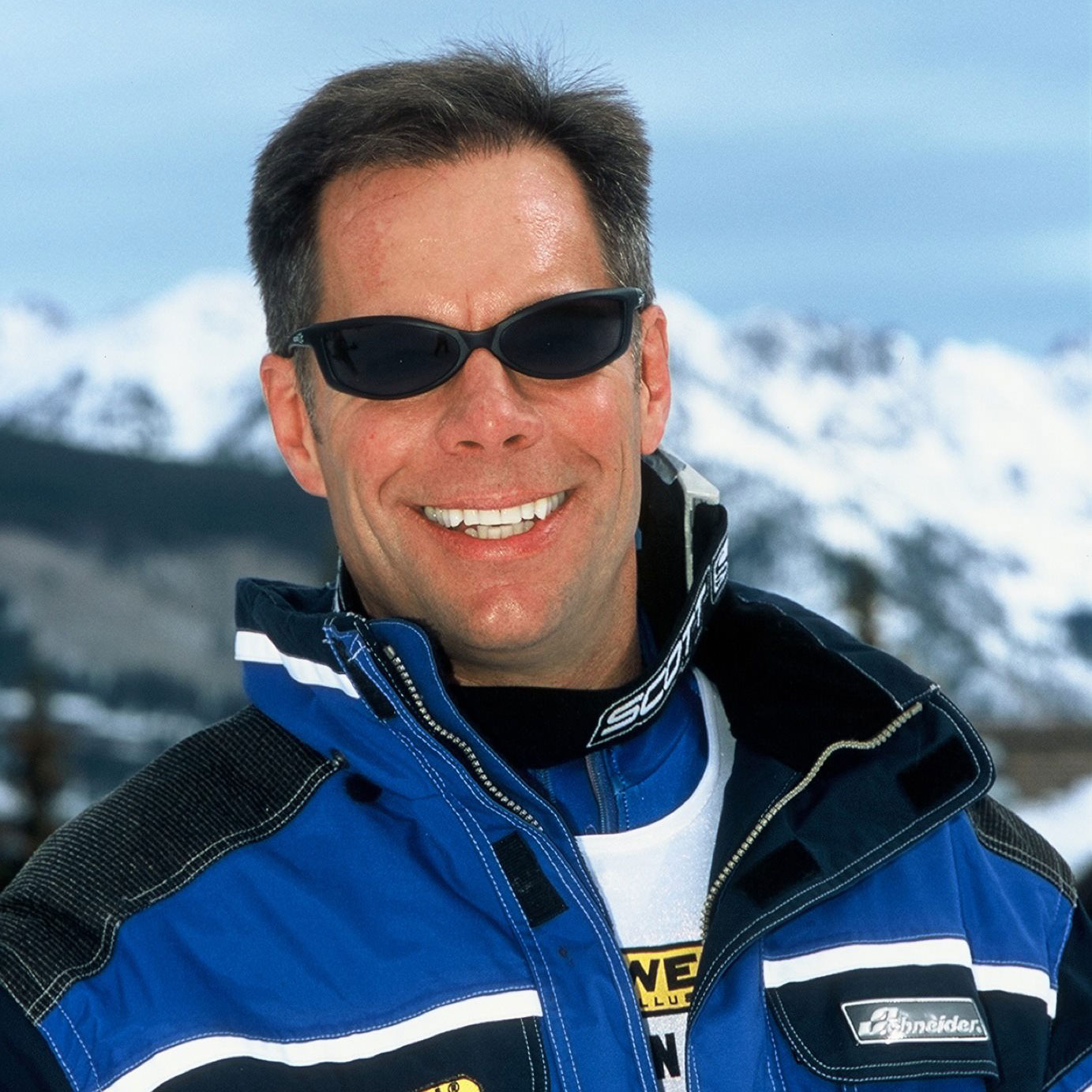
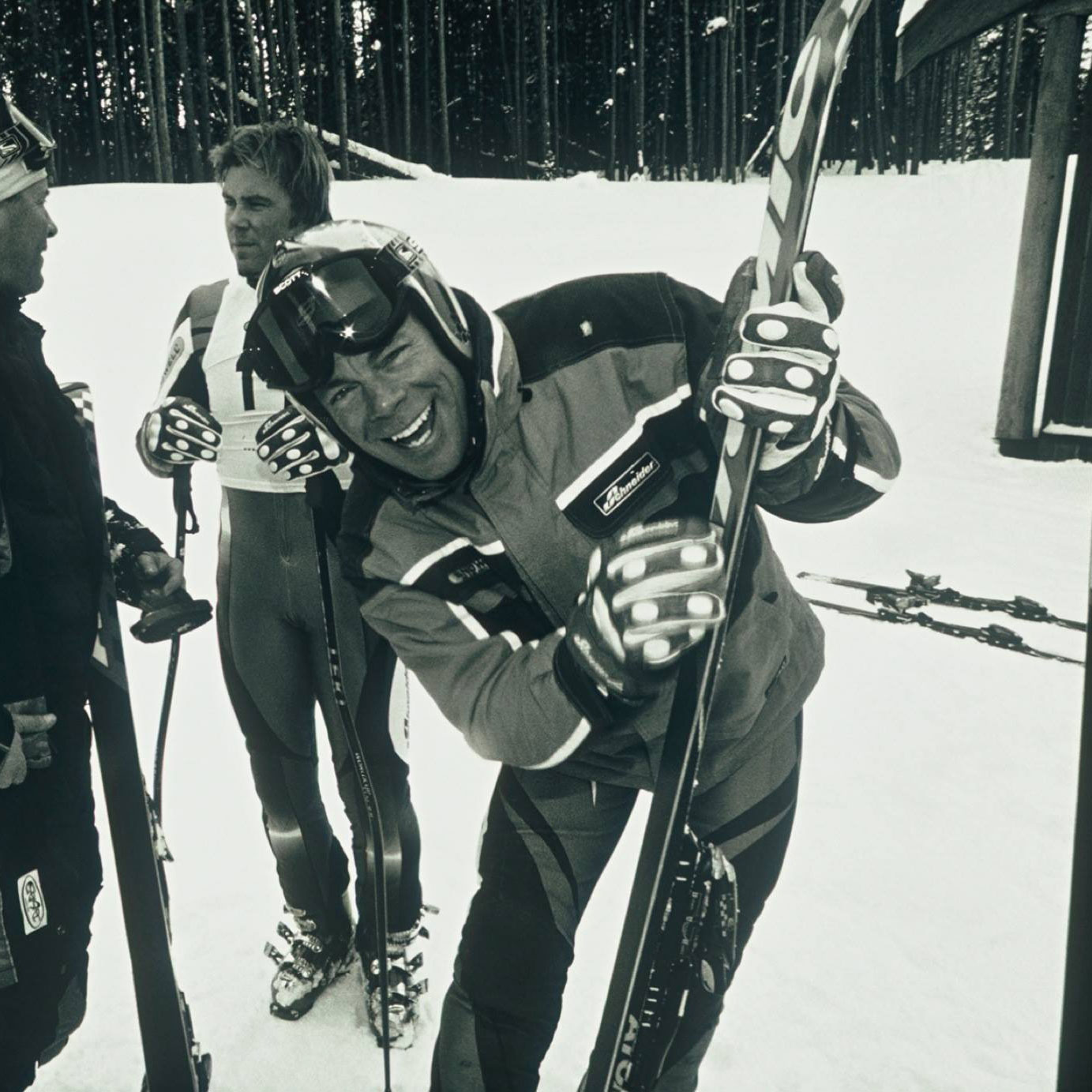
On Jan. 7, the masters ski racing community lost one of it stars, Sandy Treat III, one of the top super G and GS skiers among the Rocky Mountain Masters and the national super G champion at the 2006 U.S. Alpine Masters Championships.
Treat, fondly known as the Sand Man, was diagnosed with malignant melanoma skin cancer last August. Though he lost his battle with the disease, Treat will be remembered as a consummate winner. He was fast on the hill, gracious in the finish and a friend to everyone.
“On the hill he was a fighter and fierce competitor, but once he crossed the finish line he was a cheerleader, even when he didn’t get everything out of his run he wanted,” says Richard Bradsby, a good friend and competitor of Treat. “He always had a huge smile and interest in others. He was inspirational to many, including me.”
 Credit Fuxi Fuchsberger
Off the hill, Treat was a builder. He founded Summit Habitats in 1981 while earning his degree at the University of Denver. Originally working as a renovator in Denver, in 1986 he moved his company to Vail, where he created a number of the premier residences and residential and commercial developments in Vail, Beaver Creek, Cordillera, Steamboat Springs and beyond.
I first met the Sand Man as a student-athlete at Stratton Mountain School. We traveled to Austria to train together and then spent a winter chasing points around the U.S. hoping to qualify for the U.S. Ski Team. Despite the many ups and downs of ski racing, he always warmed everyone with his trademark smile. Years later, whenever he showed up at a masters event, he greeted me with that same smile and a nudge to go faster. The Sand Man will be missed by many, myself included.
 Credit Fuxi Fuchsberger
About the Author: Lisa Densmore Ballard