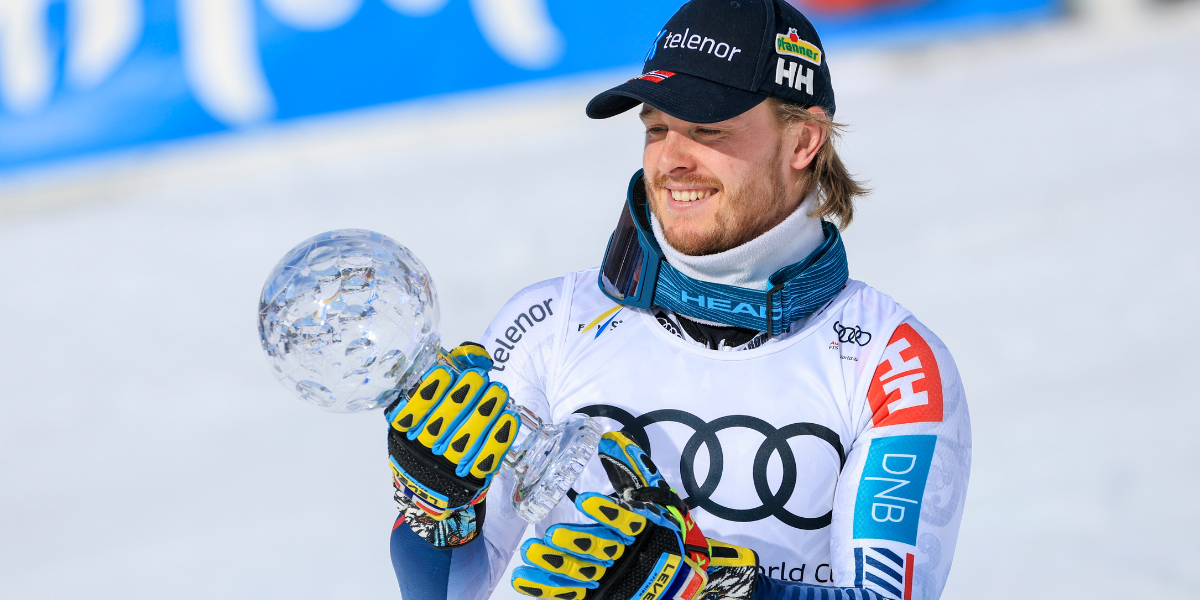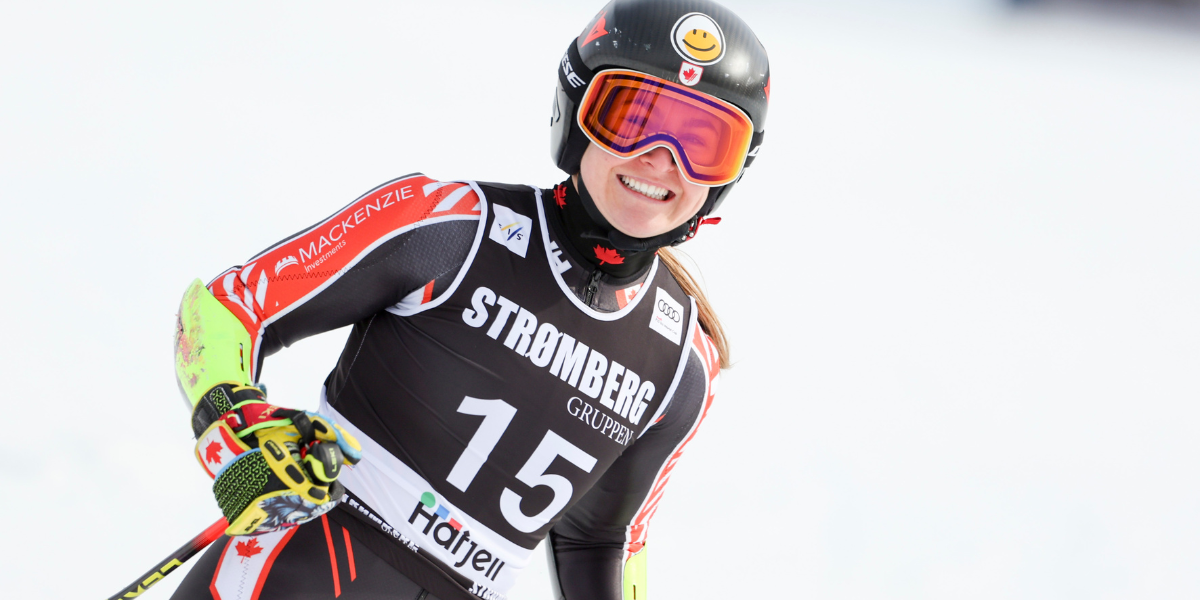
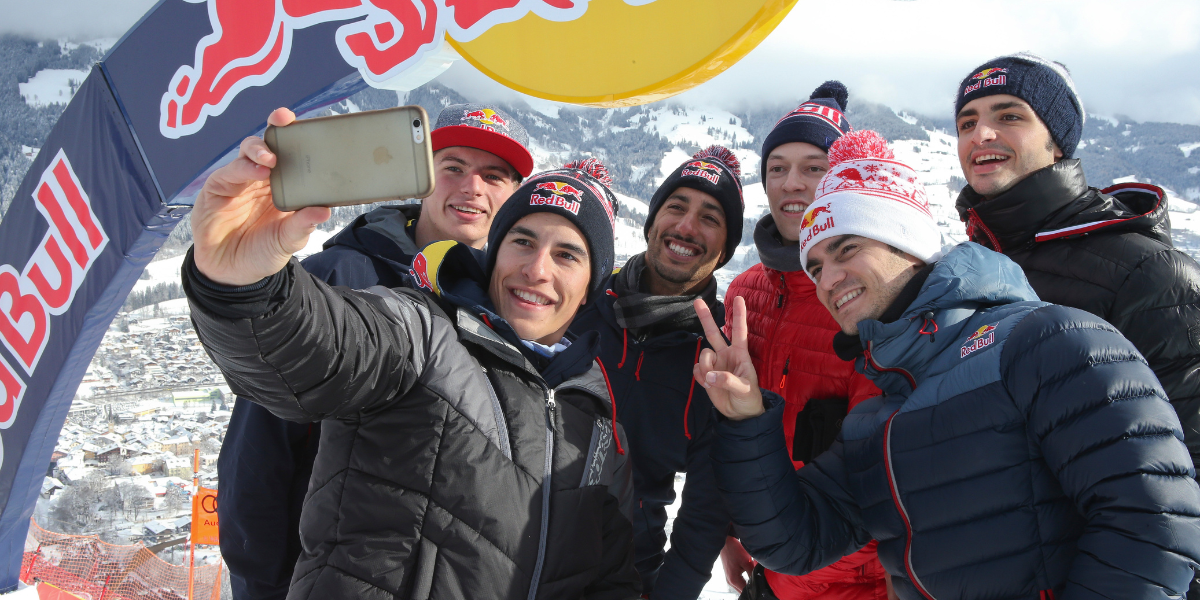
Junior skiers enjoying Kitzbühel / GEPA pictures
Parents play a powerful role in the psychological development of ski racers, whether they intend to or not. What you say, how you react emotionally at races, and even what you do not say send constant signals to your child about expectations, performance and self-worth.
Most parents want to help. Yet many unintentionally make the mental side of ski racing harder for their children. The challenge is caring enough to support their efforts, but not caring too much about the results of those efforts.
How Pressure Reaches Ski Racers
Most pressure ski racers feel does not come from explicit expectations. It comes from perceived expectations.
Children are remarkably sensitive to tone of voice, facial expressions, body language and other subtle emotional cues. A sigh after a disappointing run. Avoiding eye contact. Silence in the car. Post-race overanalysis. Overly strong emotions, whether negative or positive. All can be interpreted as judgment, even when none is intended.
Young ski racers often internalize a simple message: “My value depends on how I ski.” This perception is rarely conscious, but it is often there. Once that belief takes hold, fear of failure increases, pre-competitive anxiety rises, risk tolerance drops and performance tightens. Poor skiing often follows.
The Result Trap
One of the most common parental mistakes is focusing on results as the primary indicator of progress. Results are visible and easy to discuss. They are also misleading.
In ski racing, performance fluctuates for many reasons outside a racer’s control. Snow conditions, course set, weather and start number all matter. When parents emphasize results, racers learn to judge themselves on unstable ground. That rarely motivates. More often, it makes athletes cautious and protective.
And yes, obsessively refreshing live timing only reinforces that mindset.
What Ski Racers Actually Need From Parents
Racers need parents to provide emotional safety, not technical guidance or performance evaluation. They need to know their relationship with you does not change based on how they ski. That does not mean being indifferent. It means separating support from outcome.
The most helpful parental messages are positive and calm. Calm before races. Calm after good races. Calm after difficult races. Interest without interrogation.
Parents often ask what they should say before a race. My response: Say very little. Nothing you say will help them ski faster. But plenty can make them ski slower.
After a race, keep it simple: “So fun watching you race. I love you. Want something to eat?”
Your presence shows you care. Not making the race the center of the universe shows them it is not their measure of worth.
The Drive Home
The drive home may be the most psychologically dangerous moment in ski racing.
Racers are emotionally raw. Their internal dialogue is already loud. What parents say — or do not say — carries disproportionate weight.
Often, the best thing to say is very little.
Simple questions work best:
- “How did it feel out there?”
- “What did you learn today?”
- “What do you want to take into the next race?”
Or better yet, wait for them to bring it up.
Do not analyze. That is not your job. Do not lead with results. If they mention results, redirect the conversation to process — what contributed to the good skiing or what they can learn moving forward.
Never compare them to other racers. Comparison rarely inspires and often wounds.
Support Risk and Growth
Ski racing requires risk. Speed lives on the edge of control. When parents unintentionally reward safe skiing and react negatively to mistakes, racers learn to protect instead of attack.
Parents who understand development praise commitment, courage, determination and fun — not outcomes. They recognize mistakes as part of progress. They resist the urge to fix, rescue or explain away disappointment.
The message becomes clear: It is safe to try.
Practical Guidelines for Parents
- Before you speak, ask yourself three questions:
- Will what I am about to say make my child feel better, or make me feel better?
- Does this help them perform better, or make things worse?
- Will they experience this as support or pressure?
- Establish clear boundaries with coaches. Let them coach. That is their job. If you were a former racer or coach, resist the urge to step in unless your child asks — and even then, keep it light or direct them back to their coaches. Your role is support, not instruction.
Most important, remind your child through words and actions that skiing is something they do, not who they are. Avoid using “we” when talking about their racing. For example, say “You had a strong race today,” not “We had a great race.”
Ski racing should be part of their life, not their identity.
About the Author: Dr. Jim Taylor