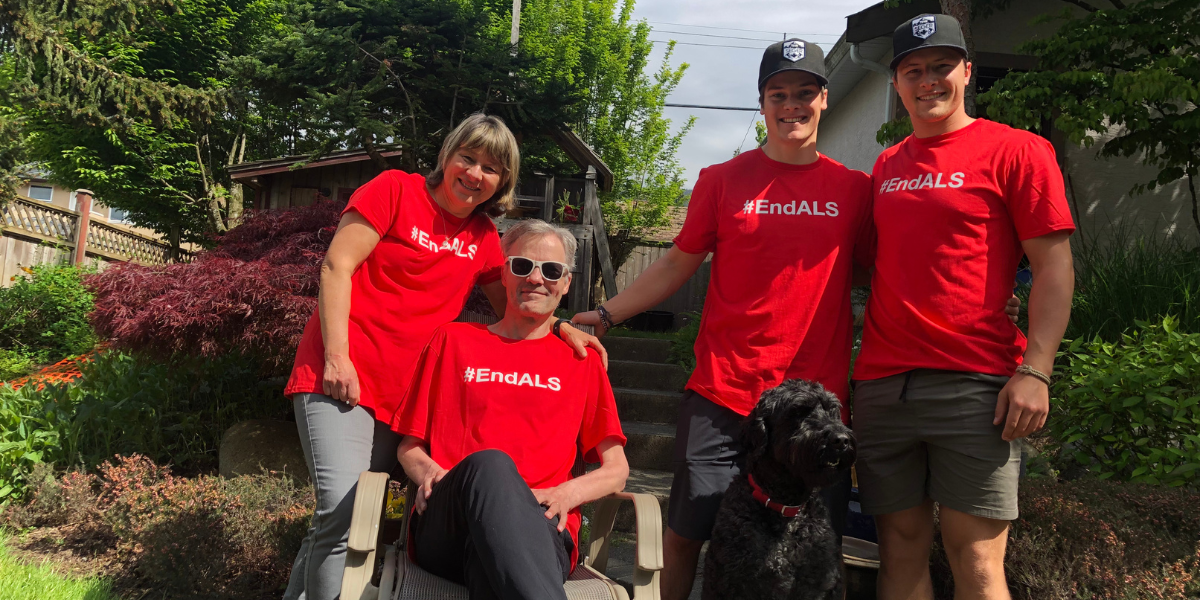
Featured Image: Brodie Seger and family. Provided by Brodie Seger.
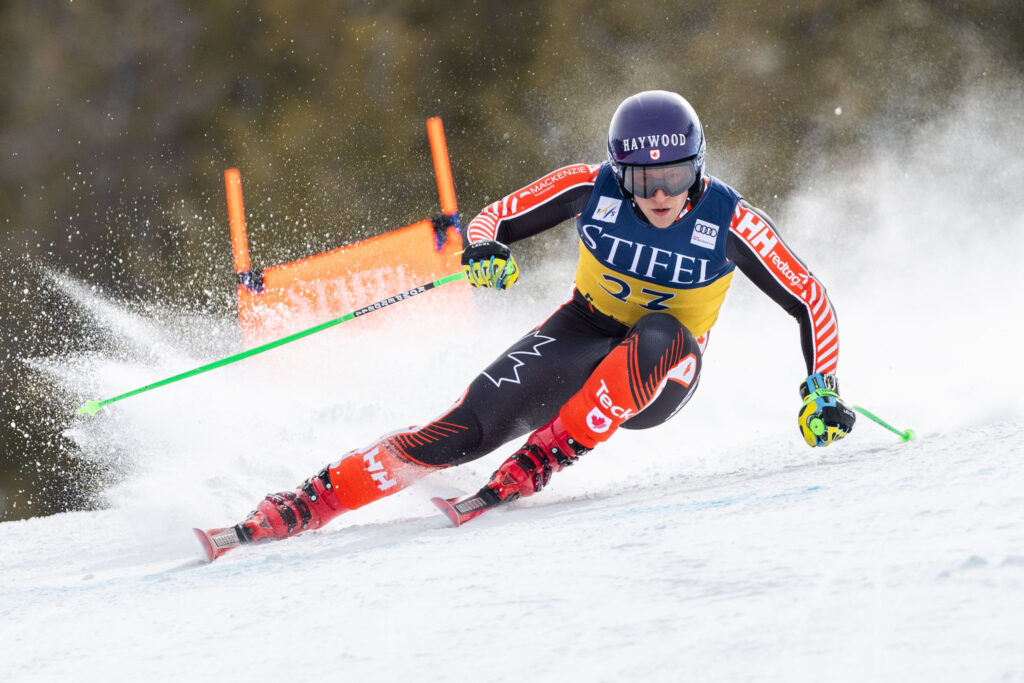
On the World Cup circuit, Brodie Seger’s dedication to a downhill course is well-known. But the 29-year-old Canadian skier knows that while his sport carries high risks and rewards, it doesn’t define him. Off the slopes, the Alpine Canada Alpin athlete carries a far deeper perspective.
With his brother as a teammate and his father fighting ALS, Seger has gained a profound understanding of resilience. It’s not just about pushing past injuries or near misses on the race course; it’s about valuing time, leaning on family, and finding strength in the face of what cannot be controlled. As he heads into the Olympic season, Seger brings not just speed—but a perspective grounded in home.
Time and Perspective
For Seger, time is the most valuable resource, yet it rarely feels like his own. Life on the World Cup circuit often means months away in Europe, with days dictated by training, recovery, travel, and team obligations. As a North American athlete, competing at the highest level almost requires relocation.
“You don’t always feel like you have access to the things you want to do,” he admits. But he doesn’t have to look far for perspective. His father, once fiercely active, is now confined by ALS, while his mother has become his full-time caregiver. Watching them has sharpened Seger’s outlook on what truly matters.
His father’s determination to stay present, to “see what happens next,” even while locked into his body, serves as a quiet reminder that motivation isn’t always about chasing podiums. Sometimes, it’s simply about showing up, no matter the challenge.

A Family Motto, Inked Forever
The Seger family has long embraced a motto: PPT, Power of Positive Thinking. It began as a simple reminder to stay grounded and focused through challenges on and off the slopes. Brodie’s father would say it before they left home to race, a final encouragement as they headed out the door.
The motto took on even deeper meaning during his father’s battle with ALS, symbolizing strength, optimism and the importance of cherishing every moment together. It became more than words when the family turned it into matching tattoos.
“Initially, my mom resisted the idea; tattoos weren’t her thing,” Seger recalls. “But the more she shared it, the more she realized how rare it was for adult sons to want a lifelong symbol linking them to their parents.” His father, who had never been a fan of tattoos, surprised everyone by encouraging it, recognizing its significance.
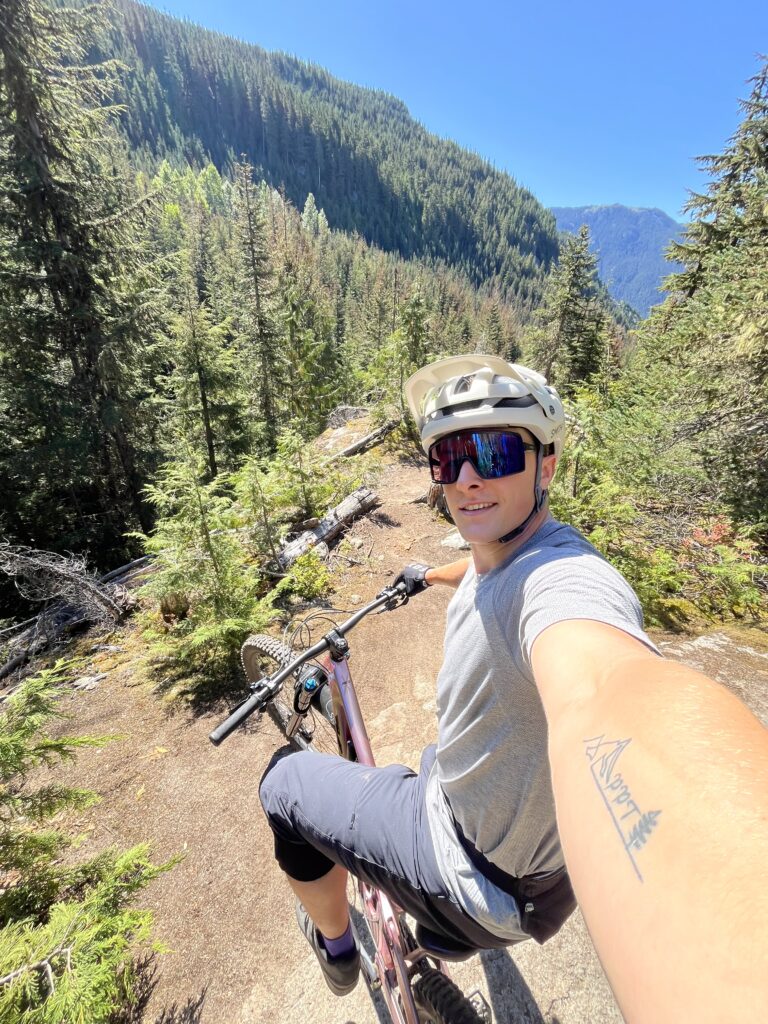
Brodie designed a tattoo blending mountains and forests, symbols of home and the outdoors they love. After his brother Riley’s graduation in Montana, they visited a tattoo shop. “We weren’t feeling 100 percent the next morning,” Seger laughs, “but it was special.” Today, the ink isn’t just art; it is a daily reminder of their bond, perseverance and the source of his strength.
Brothers, Rivals, Teammates
Seger didn’t come from a traditional ski racing background. His parents enrolled him and Riley in Whistler’s ski school, not realizing it would set them on a World Cup path. Brodie describes himself as experimental, while Riley was focused and driven from the start—fueled by sibling rivalry. That competitive push continues today on the Canadian speed team.
Team chemistry is essential. Seger and the men’s downhill squad deliberately build culture through meetings and workshops, helping younger athletes integrate and ensuring consistent performance. “It’s not just a special talent that comes once in a generation; it’s something the team cultivates deliberately,” he says.

Racing for a Cause: #Helmet4Hope
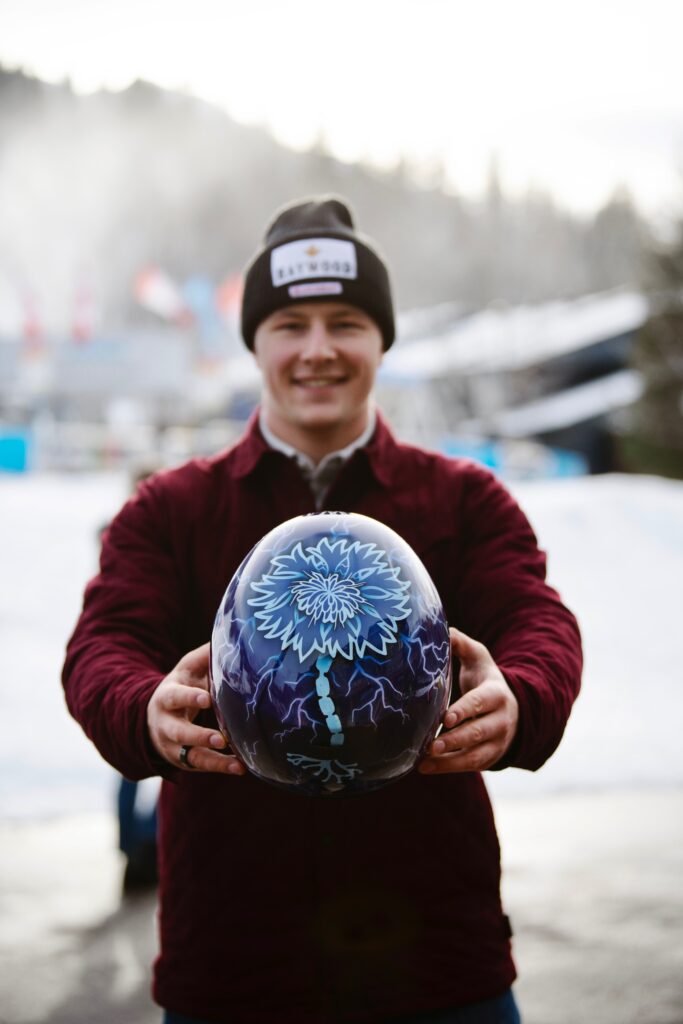
Off the slopes, Seger channels his passion into fundraising through #Helmet4Hope, an initiative he created to raise awareness and support for ALS (or MND in Europe) through the power of sport.
Artists and fans submit helmet designs, and the winning design is worn by Seger throughout the season, honoring his father while raising awareness and sparking conversations about ALS worldwide. This fall, he’ll launch another fundraiser, continuing to use his platform to make an impact beyond the race course.
The Olympic Pull
Seger’s Olympic dream traces back to Vancouver 2010, when his hometown buzzed with pride. For him, the Games represent more than medals—they symbolize unity, national pride, and contributing to something bigger than himself.
This season, the Olympics return to Bormio, Italy—a track Seger knows well. He remembers his last race there vividly, crashing after only a third of the course. The memory lingers, but he approaches February with openness, knowing conditions will differ from the icy, treacherous December run.
Finding the Right Headspace
Before pushing out of the start gate, Seger’s mind races almost as fast as his skis. He looks for solid cues or memorized course sections to hold onto, but experience has taught him that he performs best when his head is clear.
“I tend to want some feeling of certainty or control before going down the hill,” he says. But too much focus can slow him. His breakthroughs come when he lets go of expectations—like in Kitzbühel two years ago, when he finished 28th with no pressure, rediscovering freedom in his skiing. That mindset carried him to a top-10 finish in Beaver Creek last season.
Rituals help him stay centered—like a quick fist bump with the team physio and serviceman—allowing him to embrace risk, find speed, and accept downhill racing’s unpredictability.
Beyond Results
For Seger, downhill racing is about more than podiums. It is about family, perspective, and the moments that shape true resilience. With a father fighting ALS, he understands that courage exists off the hill just as much as on it. Guided by his mantra, the Power of Positive Thinking, and the love that anchors him at home, Seger heads into the Olympic season ready to race with courage, carry his family’s strength, and leave a legacy of perseverance and joy in Canadian skiing.
About the Author: Katie Twible