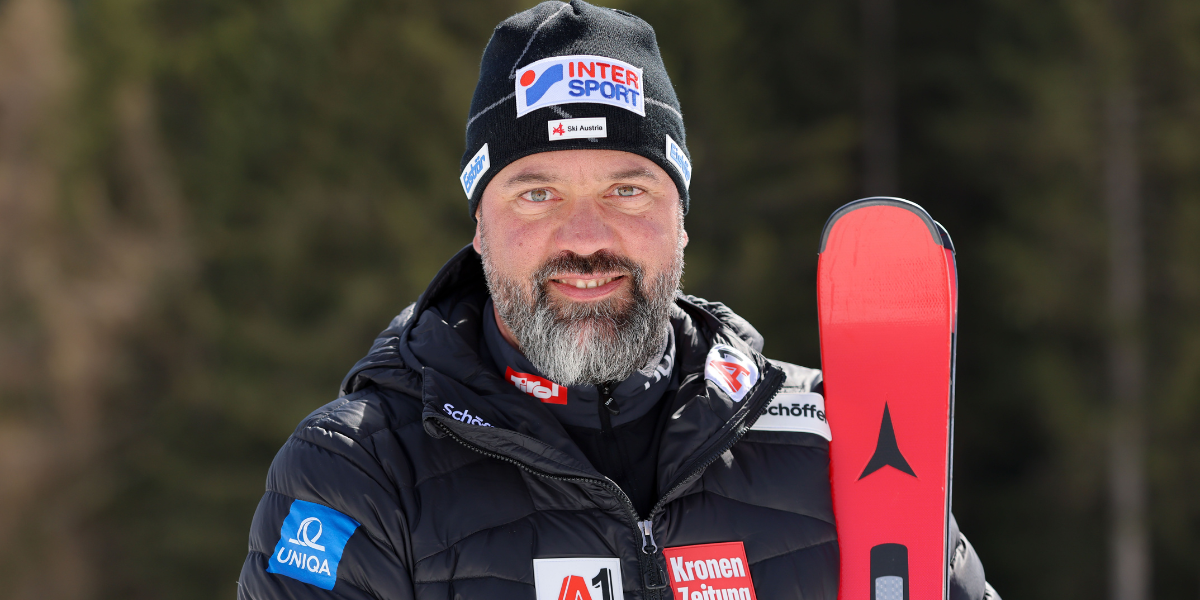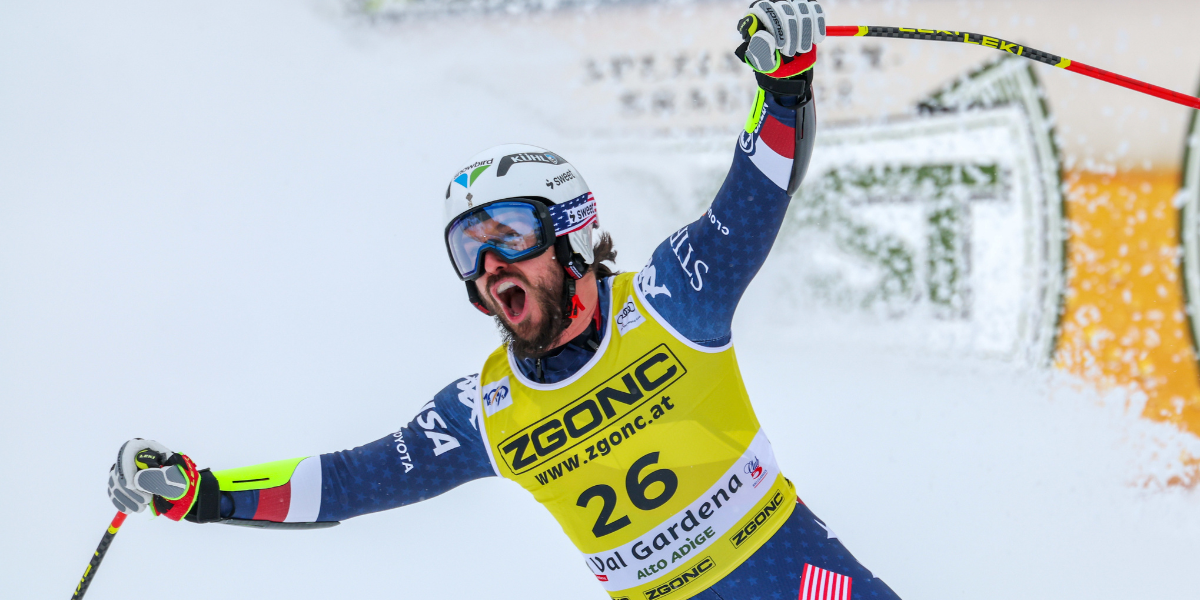

Featured Image: Katie Twible coaching. Provided by Katie Twible.
Katie Twible writes another article in our Coach’s Corner, discussing how burnout isn’t a sign of weakness; it’s data. Instead of seeing burnout as failure, we can treat it as valuable feedback and an opportunity.
For years, I equated burnout with failure. I saw it as a personal shortcoming, a sign that I couldn’t keep up, couldn’t handle the pressure, couldn’t cut it. But what if we’ve been reading the signs all wrong?
Burnout isn’t a weakness. It’s data.
It’s your body and mind flashing warning signals. It’s performance feedback that can’t be ignored. And it’s more common, especially among high performers, than many of us want to admit.
Redlining Your System
In sport, we have heart rate monitors, lactate thresholds, and GPS metrics to show when an athlete is maxing out.
But what do we use in life? When your motivation dips, when you feel cynical or emotionally depleted, that’s not weakness; it’s your internal dashboard lighting up. It’s your system telling you that you are redlining.
In Dr. Emily Nagoski and Amelia Nagoski’s episode on Brené Brown’s Unlocking Us, they explain burnout as a build-up of incomplete stress cycles.
They describe how the physical sensations of stress must be discharged, not just intellectually managed. That means the solution to burnout isn’t always just doing less or taking a bubble bath. It’s completing the stress cycle: moving your body, connecting with others, allowing yourself to feel and release.
High Performance Culture and the Burnout Trap
In high-performance circles, whether that’s in sport, business, or leadership, we often praise the grind. We reward pushing through, staying late, and showing up early. But rarely do we ask what the long game looks like.
The truth? Chronic burnout erodes performance, decision-making, creativity, and ultimately the thing we’re working so hard for: impact.
The “We Can Do Hard Things” podcast with Glennon Doyle and Dr. Becky Kennedy explores how burnout is not a lack of resilience but often a mismatch between our values and how we spend our time.
Dr. Becky notes that burnout doesn’t always stem from doing too much but from doing too much of the wrong thing or not enough of what makes us feel alive.
This resonates deeply with my own journey transitioning out of a career that was fueled by adrenaline, purpose, and pressure. Burnout didn’t mean I didn’t care. It meant I cared deeply, for too long, without the structures in place to restore myself.

Acknowledging Burnout During COVID-19
The COVID-19 pandemic accelerated burnout for ski coaches. Many came out of the pandemic completely burnt out, not from lack of passion but from the relentless demands placed on them.
Travel restrictions forced people to be stuck abroad for months, often with limiting ways to return home. Plans were constantly changing due to shifting regulations. COVID tests, isolation protocols, and the looming fear of infection added layers of stress. Coaches were away from their families, operating in survival mode. I saw countless colleagues emerge from that period angry, exhausted, and needing to step away from careers they once loved, and some never returned.
That burnout hit home for me.
I was working for an organization that kept me away from home for five consecutive months. When I finally did return, it meant two weeks in strict quarantine each time. Over the course of that year, I spent ten weeks in isolation, confined to my house, unable to even step outside under threat of government checks. It was lonely and mentally exhausting.
I tried to stay strong for my athletes, writing about positivity and resilience, but on many days, it was hard to show up with the energy they deserved. That quiet struggle, I believe, led some to view me as weak, as if needing rest somehow made me less capable.
The truth is, burnout doesn’t happen all at once. It creeps in slowly, disguised as dedication, masked by the pressure to “push through.” But if we don’t recognize it early in ourselves and in others, we risk losing the very people who care the most.
Reframing Burnout as Intelligence
What if we started treating burnout as intelligent feedback? As performance intel? What if we asked ourselves:
• What is this exhaustion trying to tell me?
• Where am I out of alignment?
• What do I need more or less of?
The shift is this: Burnout isn’t a moral failing. It’s an opportunity for course correction.
The Takeaway
If you’re feeling burnt out, you’re not broken. You’re being given data. Listen. Interpret. Adjust.
And remember: Elite athletes need recovery, but you do too.
Burnout-Related Podcasts Worth Checking Out:
•Unlocking Us with Brené Brown: Burnout and How to Complete the Stress Cycle
•We Can Do Hard Things with Glennon Doyle: Burnout Is Not Your Fault (search by title)
•The Mel Robbins Podcast: Why You’re So Exhausted All the Time
•The Rich Roll Podcast: Look for episodes featuring Dr. Gabor Maté on stress and trauma
You are not weak. You are wise to listen.
About the Author: Katie Twible