Cindy Berlack and Erik Arvidsson work to prevent tragedy
Last month, during the final pre-season training sessions at Copper Mountain, US Ski and Snowboard alpine athletes and staff attended a new avalanche education program created specifically for ski racers. Coaches and Athletes Snow Safety (CASS) is the latest offering from the BRASS Foundation. It builds on basic avalanche knowledge with considerations and scenarios directly relevant to the competitive snow sports community.
Over the course of three sessions, November 15-16, 65 USSS athletes and coaches attended one of three 90-minute interactive presentations led by seasoned experts Dale Atkins (former president of the American Avalanche Association) and Lel Tone (avalanche mitigator and ski patroller at Palisades Tahoe). Each session included breakout groups to evaluate and discuss avalanche reports. They also utilized the Ronnie and Bryce Snow Safety Card (see below) that helps skiers make smart, lifesaving decisions.
Click images to enlarge

BRASS ROOTS
BRASS stands for Bryce and Ronnie Athlete Snow Safety. The BRASS Foundation was created in the aftermath of the 2015 avalanche in Soelden, Austria, that claimed the lives of Bryce Astle and Ronnie Berlack, two rising US Ski Team athletes. The goal of the BRASS Foundation is to help prevent future tragedies through outreach and education.
So far, that has been through BRASS 101, 75- minute free online webinars. They feature Know Before You Go content developed by the Utah Avalanche Center, and a Q&A with avalanche experts and guest athletes. Each session ends with a showing of Off Piste, BRASS’s 13-minute film that reenacts the Soelden avalanche. Together, it is a powerful and informative presentation. Standard avalanche education, however, does not address specific scenarios and hazards unique to ski racers. Cindy Berlack—Ronnie’s mother—was on hand for the inaugural CASS event and explains why CASS is an essential complement to BRASS’s existing training and education.
UNIQUE SCENARIOS CREATE UNIQUE CHALLENGES
It’s been nearly seven years since the tragedy in Soelden, which occurred while the boys were free-skiing on an unplanned powder day. They were technically off-piste, but between two groomed runs and following the tracks of people they could see below . “I just go over in my mind all the elements that could have been different,” says Berlack. That constant replay, highlighting the unique factors facing ski racers—well-depicted in Off Piste—informed the creation of CASS.
SPUR-OF-THE-MOMENT DECISIONS: A significant difference between backcountry skiers and competitive snowsport athletes and coaches is planning and preparation. Racers often decide to ski hazardous slopes—in or out of bounds—on the spur of the moment. When racing or training is canceled, a tightly choreographed session can quickly turn into a free-wheeling powder day. “That’s exactly what happened the morning that Ronnie and Bryce died,” says Berlack.
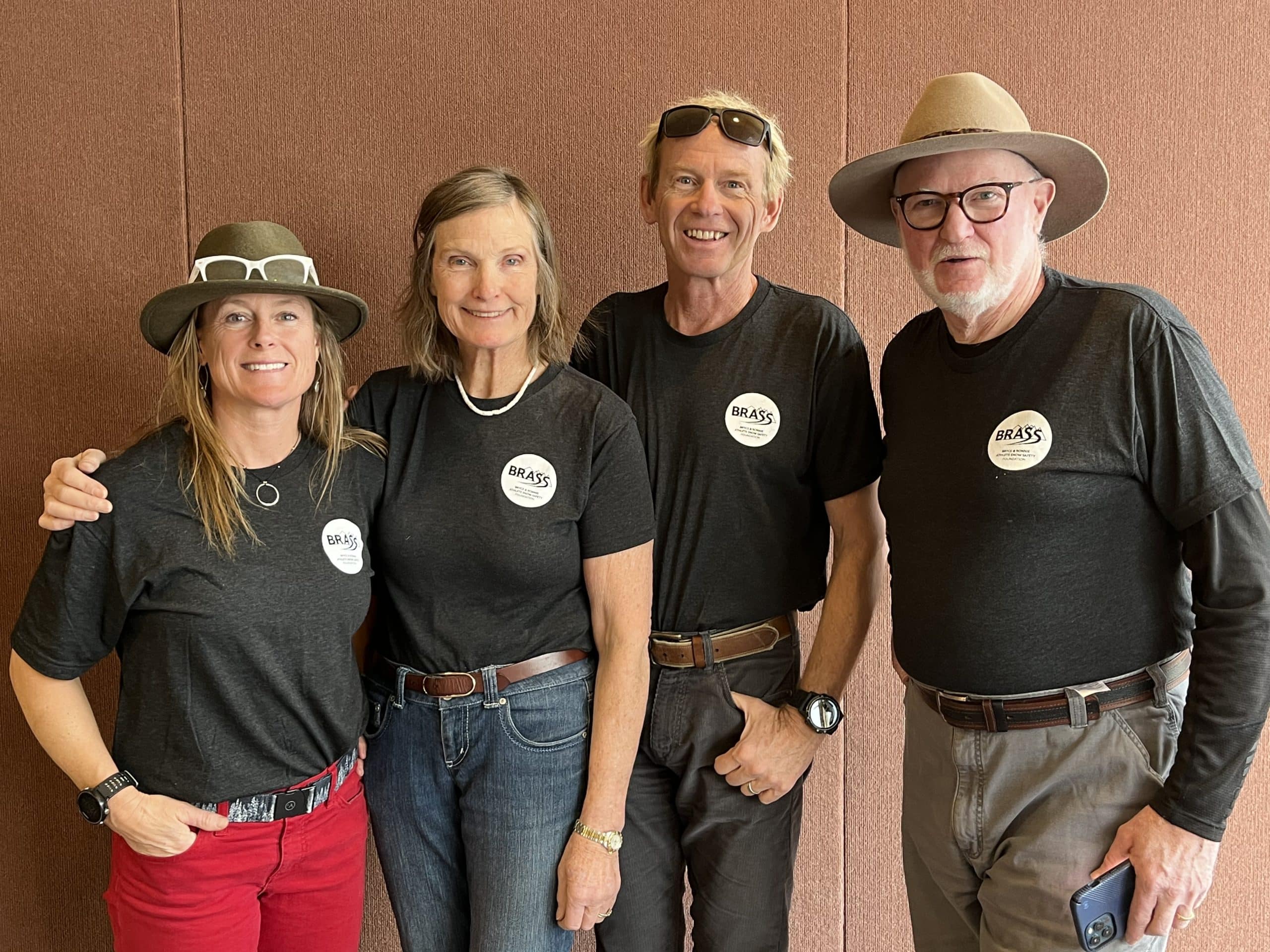
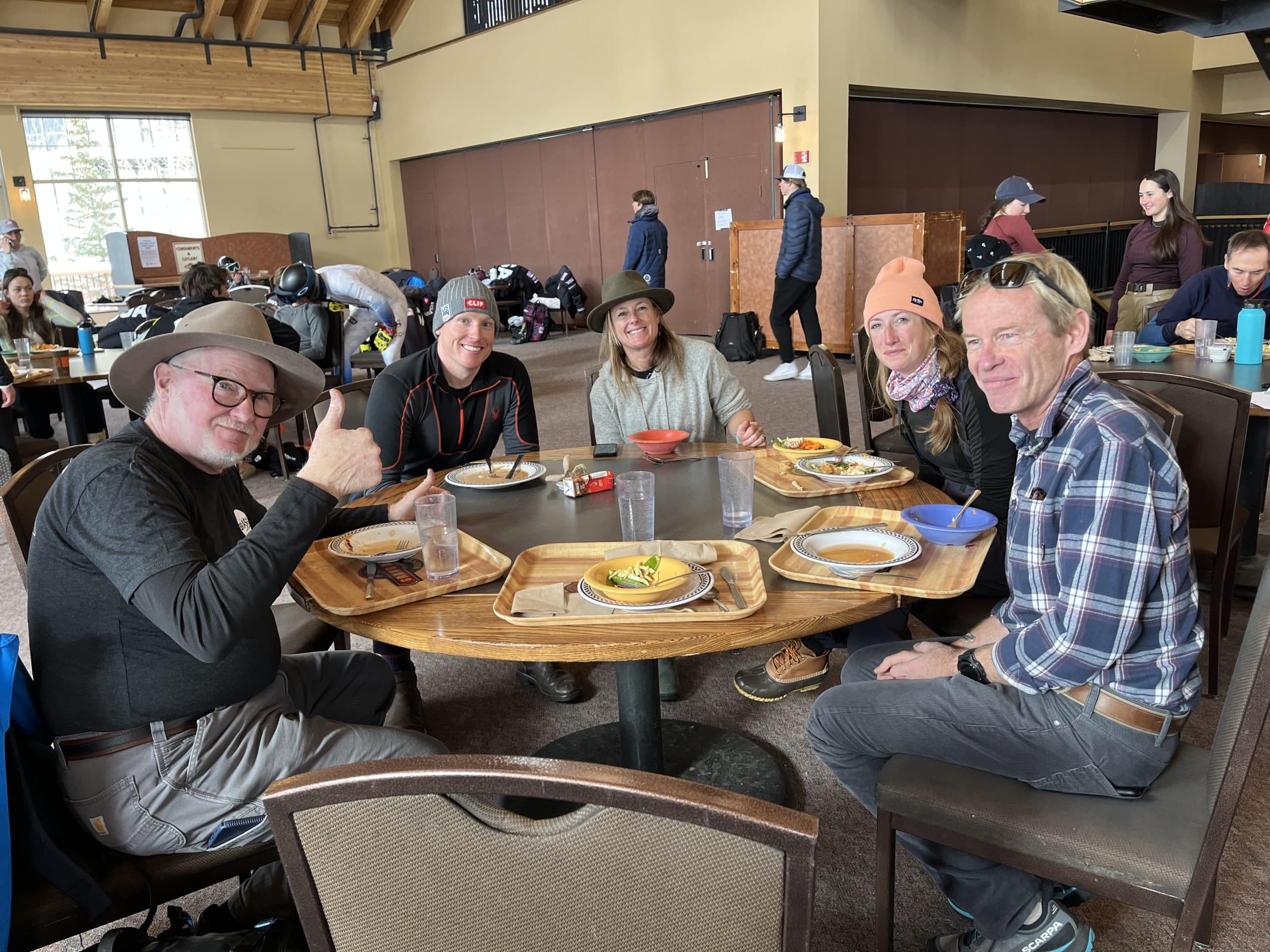
UNCLEAR BOUNDARIES: Additionally, ski racers travel all over the world to places with various mitigation practices and avalanche risks. For example, in the US, “off-piste” means venturing outside ski area boundaries—ducking the rope, going out of the gate, etc. In Europe, however, “off-piste” means any ungroomed slope. Erik Arvidsson was among the US athletes skiing with Bryce and Ronnie on the day of the accident. The concept that riding a lift and skiing down a trail could put them in a dangerous area “did not exist in any of our heads,” recalls Arvidsson in Off Piste.
FINDING THE SIGNS: Additionally, none of the athletes or coaches knew to check the avalanche forecast online or on-site. That day, the danger was at Level 3—considerable danger. Soelden had an elaborate avalanche warning sign; however, it was not visible to those exiting the lift that the boys rode up. Being prepared means knowing where to find the avalanche reports in various countries. It also means knowing the signs and symbols that warn of an avalanche hazard.
CREATING THE MESSAGE
Avalanche Safety Educator Lindsay Mann grew up skiing and ski racing on the East Coast and skied for Dartmouth’s 2007 NCAA Champion Team. She took her graduation present—a snow shovel, probe, and beacon—and moved west, ultimately earning her guiding certifications. Having coached and guided throughout the west, she is now an avalanche educator/guide for Sawtooth Mountain Guides. Mann worked with BRASS and USSS to create avalanche education modules, including BRASS 101, the 90-minute learning module on the USSS site, and the shorter, 20-minute version required by all USSS members over age 18.
To start, Mann administered a survey for BRASS to gather basic information on skiing habits and backcountry knowledge. “To me, one of the most striking things that we learned from that survey was that athletes as young as 13 are going into the backcountry with their peers,” recalls Mann. Ski racers can ski any terrain in all conditions. Furthermore, they typically are skiing in a group with a high tolerance for risk and an appetite for adventure. From her own experience, Mann recognizes how this potent mix can lead to poor decisions. With her unique background she sees the gaps for competitive athletes and coaches in traditional avalanche education and coaches’ education.
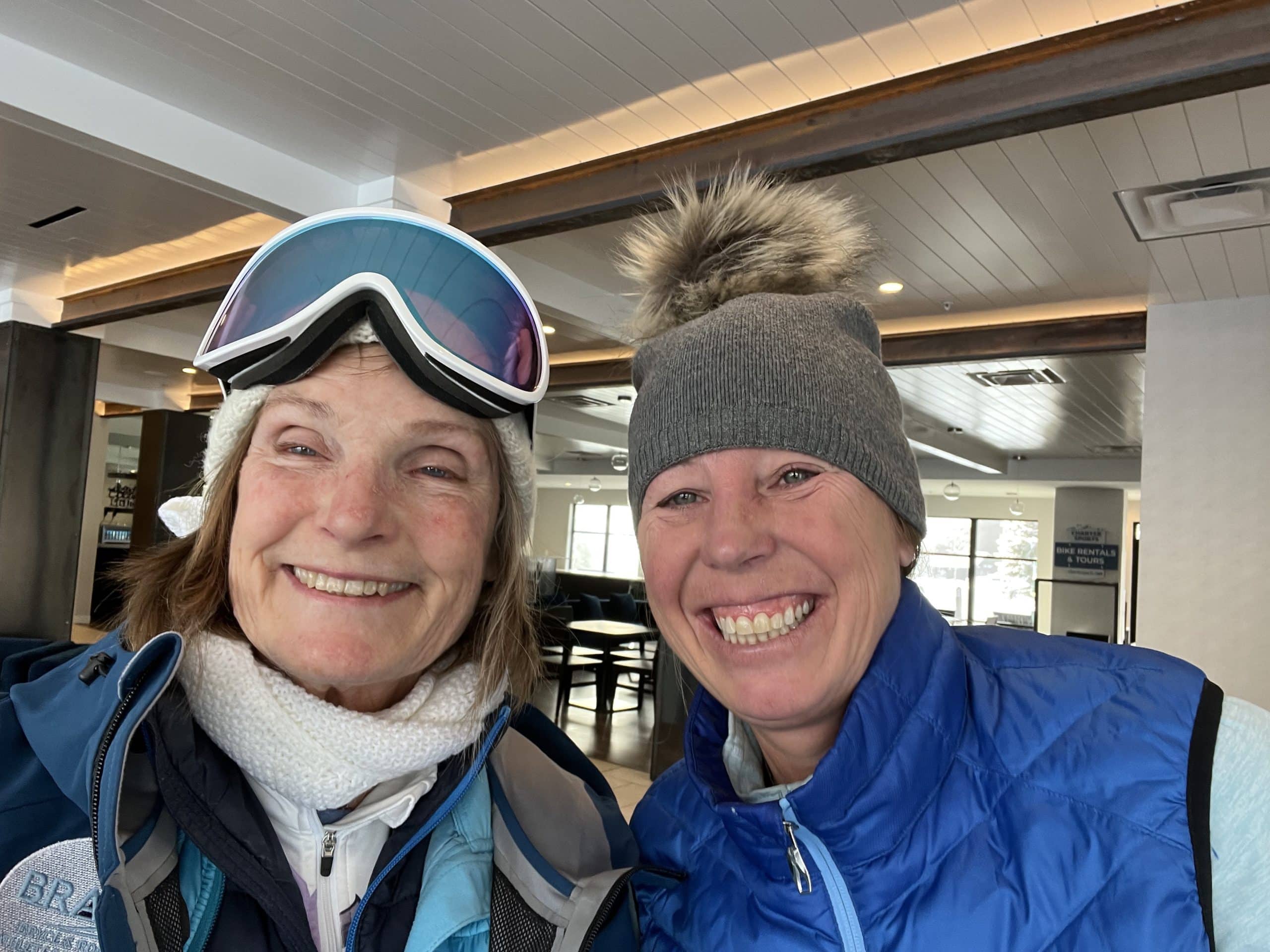
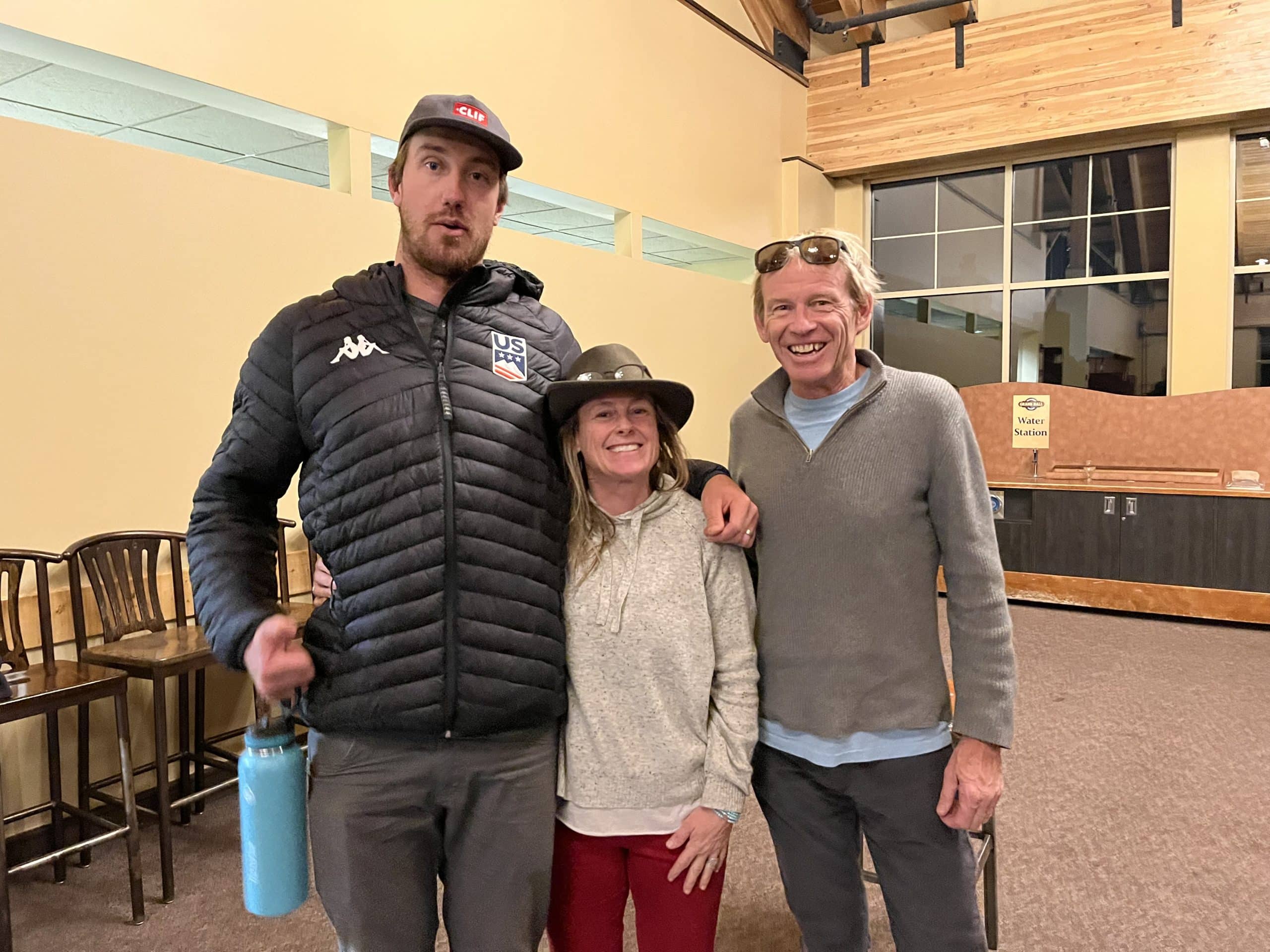
Traditional avalanche education caters more to people planning to head into the backcountry, and less to athletes whose plans often change on the fly. Standard coaches’ education covers safety in the training and competition venue—B net, snow preparation, protective gear, etc. It does not include safety outside that venue. Mann worked closely with Dale Atkins to design the CASS curriculum to address those gaps. “It’s not expected that these coaches suddenly become guides or avalanche forecasters or experts. We need to give them some different resources than the standard curriculum out there.”
BRINGING SNOW SAFETY INTO THE SKI RACING CULTURE
Those resources include apps to access avalanche forecasts in Europe and North America and the Bryce and Ronnie Snow Safety Card (see picture) that helps identify red flags that indicate hazardous terrain. Both provide helpful information and prompt discussions that keep safety at the forefront of everyone’s minds.
Jimmy Krupka was among the athletes on hand at the presentation. His own experience reflects the need for CASS. As a youngster, his coach hammered home the concept that “off-piste” in Europe means unprotected. Nonetheless, when coaches cut him and his teammates loose on powder days, peer pressure and ignorance often overrode caution and informed decisions. “I think it is important that coaches don’t completely shut down powder skiing out of fear,” says Krupka. “Kids need to go out and ski powder, but coaches need to control it.”
“Ultimately, we’re trying to have avalanche awareness and education be part of the routine, part of the culture in ski racing,” says Mann. “Avalanches are just an objective hazard of being in the mountains.”
THE MISSION GOES ON
Berlack described being back with Ronnie’s former teammates as an emotional ride and a memorable event. “The message of BRASS is finally being heard,” says Berlack.
Ultimately, she hopes CASS training can extend to all the disciplines under the umbrella of US Ski and Snowboard. Further she urges the organization to put a link on their homepage leading directly to training and their Snow Safety Policy. “The whole business of US Ski and Snowboard is human beings, getting them to perform at their highest possible level, and to help them perform, they have to feel they’re cared for.”
WHAT CAN YOU DO? GET EDUCATED! HIT DONATE!
Get educated and spread the word: Register for or watch recordings of BRASS 101 presentations on brassavalanche.org.
Punch the donate button! If everyone who sees BRASS 101 donates something, it will help widen the reach of avalanche education. The presentations are free but not free to develop and deliver. All donations go towards a safer future.
For any questions and to learn more about custom club presentations, contact info@brassavalanche.org
About the Author: Edie Thys Morgan