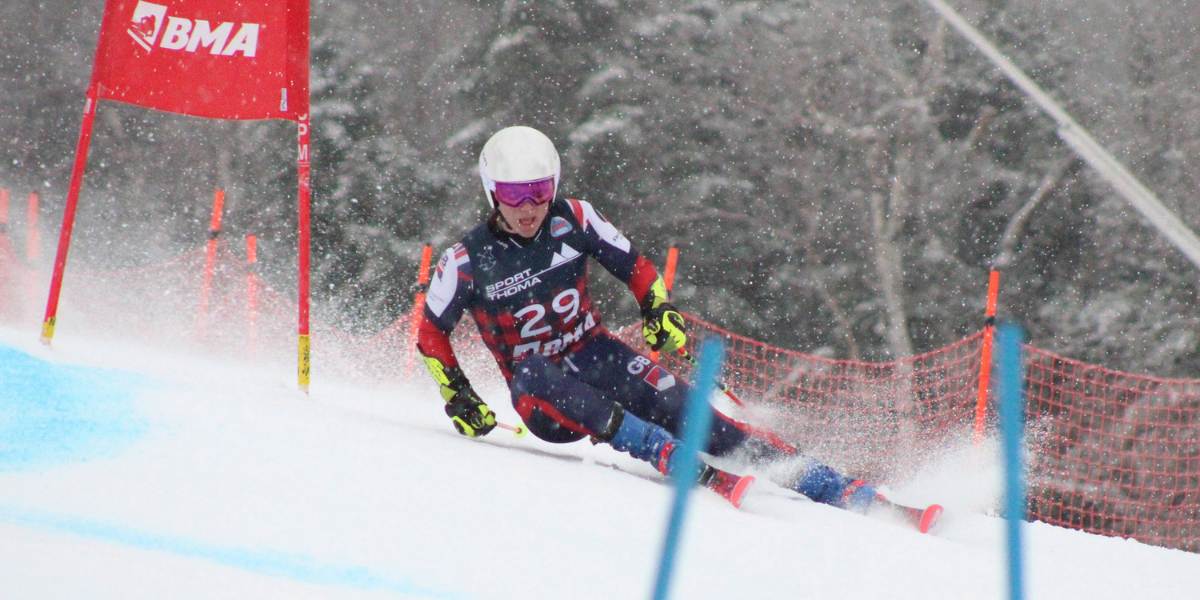
TOKO athlete Matteo Padoan learned a few hard lessons this winter after repeated rain-freeze cycles created some of the slickest surfaces of the season.
This season on the East Coast, we’ve had solid snowfall, but more importantly, repeated rain-freeze cycles. That pattern has produced consistently firm, slick surfaces and accelerated edge wear.
In these conditions, having the correct tune has been critical. If the ski wasn’t tuned properly, I didn’t have enough grip on the first run — and certainly not on the second or third once the edges started to dull.
Early in the season, I made a few mistakes and learned from them. In case they help you, here are three clear takeaways from the season.
Sharp Edges Tip to Tail Matter More Than You Think
In truly slick conditions, you may need sharp edges tip to tail — at least on the inside edge.
I grew up always dulling tips and tails on both the inside and outside edges. In softer or more aggressive snow conditions, that approach can work well. This year, it often didn’t.
When the surface was polished and firm, having the inside edge sharp all the way to the tip helped the ski engage earlier and hold longer. It gave me noticeably more confidence at the top of the turn.
It may seem obvious, but it wasn’t something I had ever prioritized before because we rarely dealt with this level of consistent slickness.
If the ski still won’t bite with sharp edges tip to tail, experiment with a more aggressive finishing approach. That might mean using a more aggressive file with fewer teeth or finishing the side edge with a 400 stone instead of a 1,000. I often finish with one or two light passes of a stone, depending on how slick the surface is.
Start Every Day From a Repeatable Baseline
It’s critical to begin each day with the same tune. That baseline gives you a true reference point.
If your tune changes every day, it becomes difficult to tell whether an adjustment is helping — or whether the ski is simply sharper or duller than it was the day before.
Starting from a fully prepped ski also makes on-hill adjustments more controlled. From there, you can detune with a gummy stone during inspection or warmup, taking edge off the inside or outside edge, tip or tail — usually in the 3- to 6-inch range.
Beginning the day on a ski that is already dull or tuned inconsistently removes that reference point and leaves you guessing. When conditions are firm and unforgiving, guessing is not where you want to be.
When It’s Icy, Tune Sharper Than You Think
If the forecast calls for firm snow, tune for something even firmer.
Tune as if it’s race day. You don’t know how much the surface will polish during inspection or how much snow will get slipped off before you leave the start.
One of the worst feelings is arriving in the start gate, realizing it’s slick and knowing your skis probably aren’t sharp enough. You don’t want to push out already second-guessing your equipment.
It’s easy to detune. It’s much harder to make a ski significantly sharper once you’re on the hill.
Always Remove the Hanger
A quick note on hanger removal: I’ve occasionally heard people suggest leaving a hanger — the bit of edge pushed out when tuning the side edge — on purpose for icy conditions.
In my experience, there’s no scenario where that helps.
If you want more bite, adjust your finishing strategy instead, whether that’s stone choice or skipping the stone entirely. I always remove the hanger after tuning.
Hopefully some of these lessons carry over to your winter as well.
Matteo Padoan
This article is part of the TOKO Wax Room Series. Explore more insights.
About the Author: Matteo Padoan