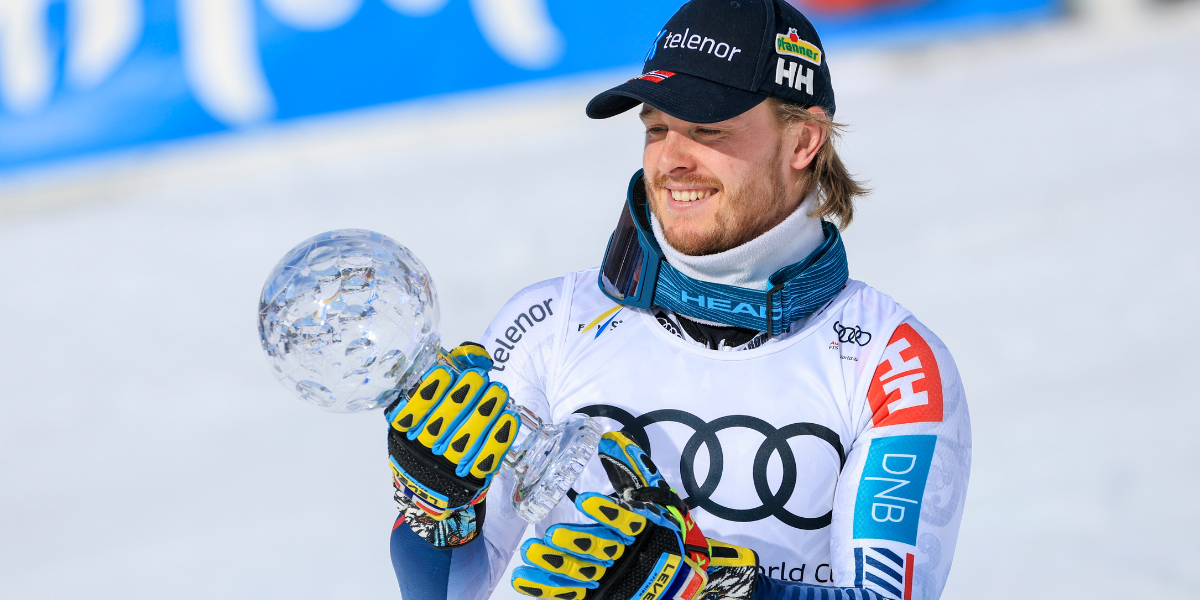
Aleksander Aamodt Kilde GEPA Photos
Three of the most significant male skiers have sustained season-ending injuries in less than three weeks. How does this affect the sport and the World Cup tour?
While Marco Odermatt and other top skiers still run the show and deliver impressive performances, three of the greatest athletes and popular ambassadors of alpine skiing have left the stage – for the time being.
After the recent accident-prone Wengen race week, discussions once again run high. Some of the issues are as follows: Has the race schedule become too intense? How should canceled events be rescheduled? How can the racers’ health be best cared for during a race season while they still get to complete a (more or less) full season schedule?
The overall giant
This season’s fall of the giants started with Austrian Marco Schwarz. Before the season, the 28-year-old skier, previously specializing in the technical disciplines, announced his intention to race all four disciplines and to enter all World Cup events on the men’s calendar. A challenging goal!
Schwarz impressed greatly: He held the lead in the season-opening GS race in Sölden, Austria, before the race was canceled due to strong wind. In the following eight World Cup races, he podiumed four times: a victory and a 2nd place in slalom and two 2nd places in giant slalom. In the speed events, he placed 5th in super-G and 9th in downhill.
The highly challenging Bormio downhill ended it all. Schwarz suffered a season-ending injury when he tore the cruciate ligament and medial meniscus and suffered cartilage damage in his right knee on December 28th in the first of two downhill competitions on the Stelvio course. This race was the all-rounder’s seventh competition in 14 days.
Later, Schwarz’s coaches were criticized in the media by racing legends Stephan Eberharter, Marc Girardelli and Felix Neureuther for allowing him to commit to such a demanding schedule, according to Eurosport.de. Schwarz did not seem to regret his racing schedule and responded on social media: “To the experts: Would do everything exactly the same.”
click on images to enlarge
The veteran giant
Next, Alexis Pinturault had an unfriendly encounter with the snow in Wengen on January 12th.
The 32-year-old veteran French skier, who started his World Cup career in 2009 and who previously primarily focused on the technical events and super-G, announced before this season that he would no longer race slalom. Instead, he shifted his focus toward the speed events and the giant slalom. His dream: A World Cup downhill victory before ending his impressive ski racing career.
Only days before the first official downhill training in Wengen, Pinturault and his wife Romane became parents to daughter Olympia. The Frenchman took the previous race weekend in Adelboden off to be present for the birth of their first child.
In Wengen, Pinturault impressed during Thursday’s shorter downhill (a make-up race for one of the canceled Beaver Creek competitions), capturing his first-ever top-10 World Cup downhill result by finishing 9th. Odermatt won the race, while the up-and-coming Swiss racer Marco Kohler unfortunately crashed and tore his ACL and meniscus.
The following day, during Friday’s super-G race won by French teammate Cyprien Sarrazin, it was Pinturault’s unfortunate turn. He crashed after landing the Silberhorn jump and ruptured his ACL.
The speed giant
Then came Saturday in Wengen. The previous days’ incredible runs by Swiss home-crowd favorite Odermatt, Sarrazin and Norwegian Aleksander Aamodt Kilde inspired an atmosphere of electric excitement among racers and 30,000 spectators alike before the traditional, full-length Lauberhorn downhill. It was time to tackle the longest course on the World Cup tour: 4.27 kilometers (2.65 miles) from start to finish at speeds up to 150 km/h (93 mph).
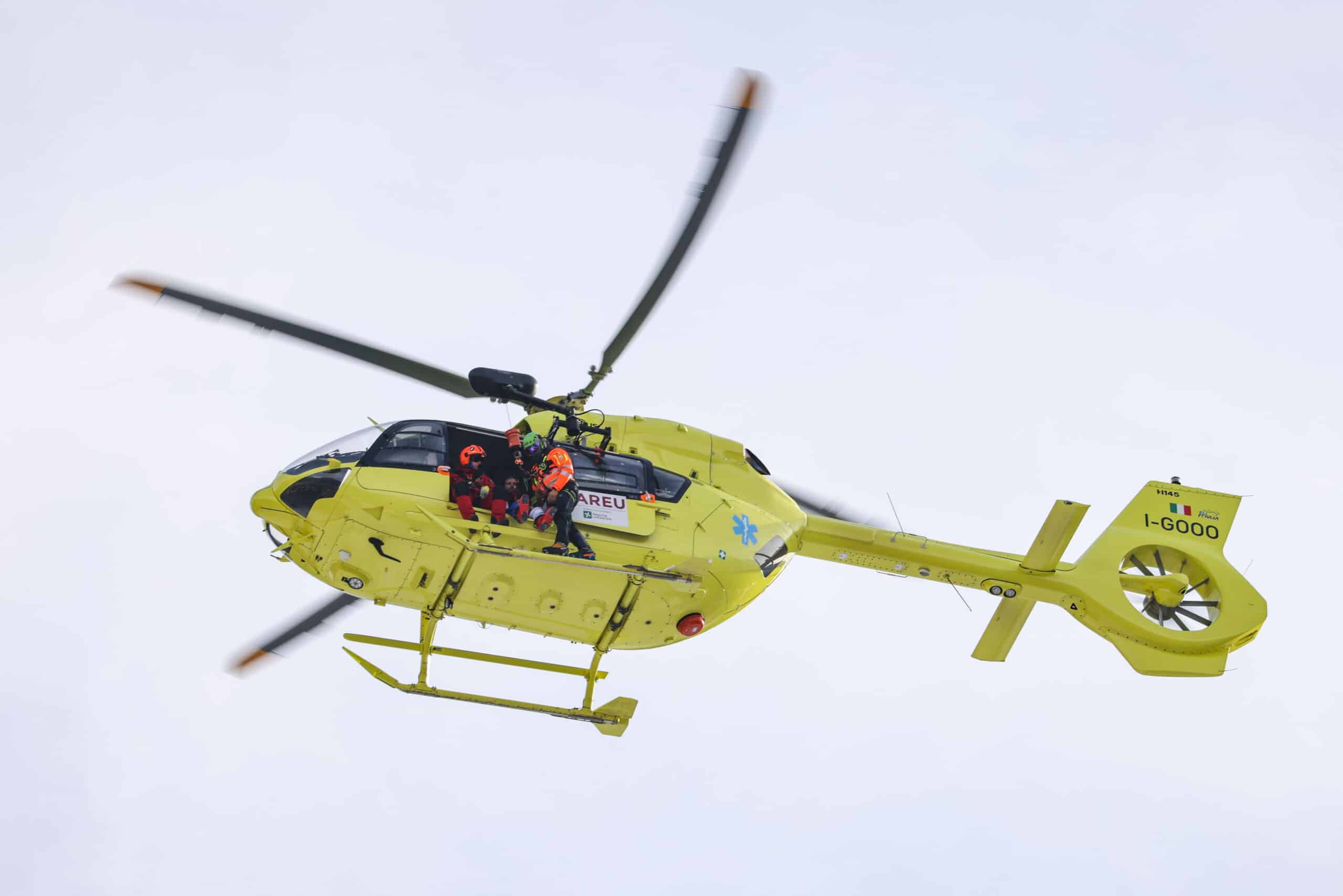
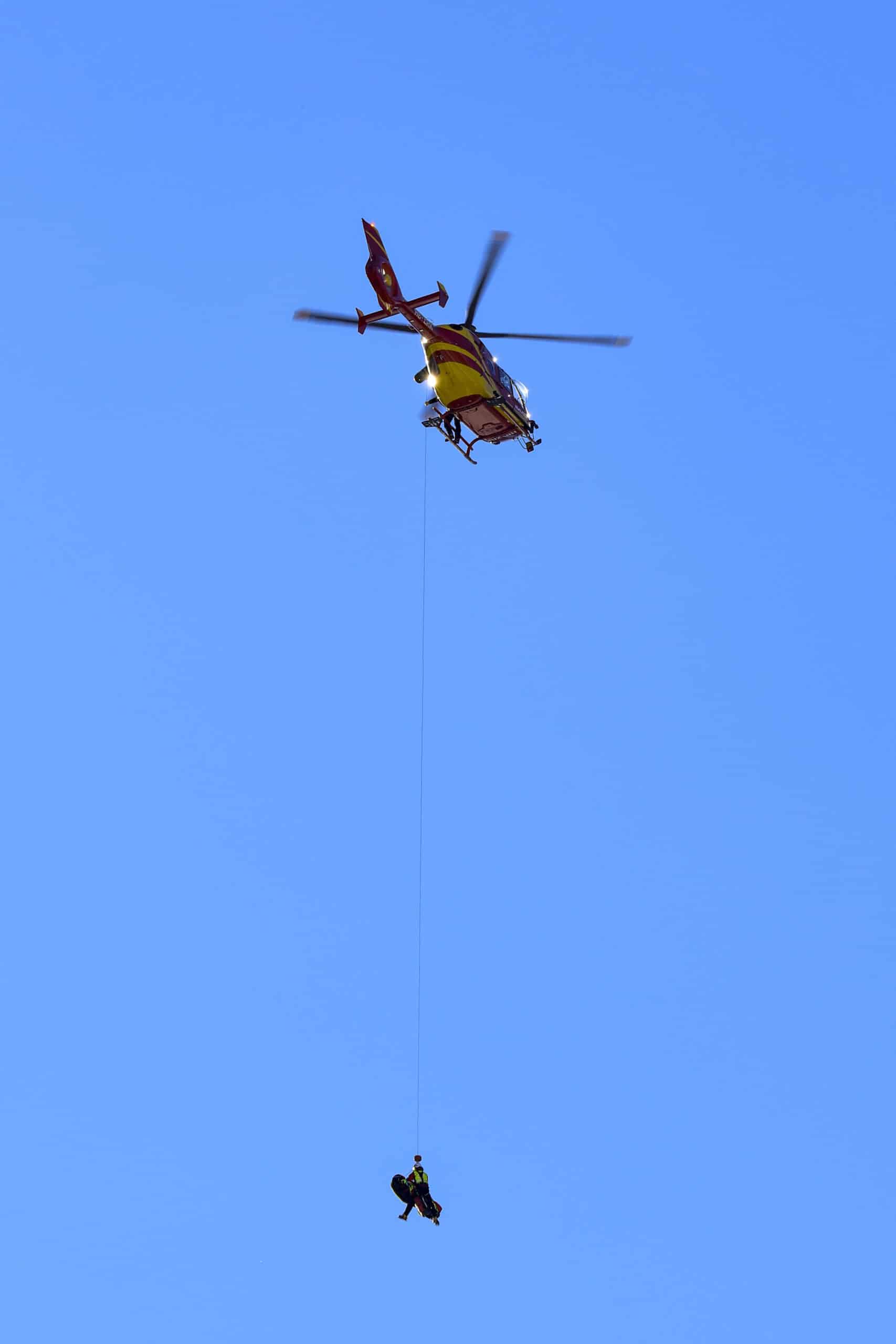
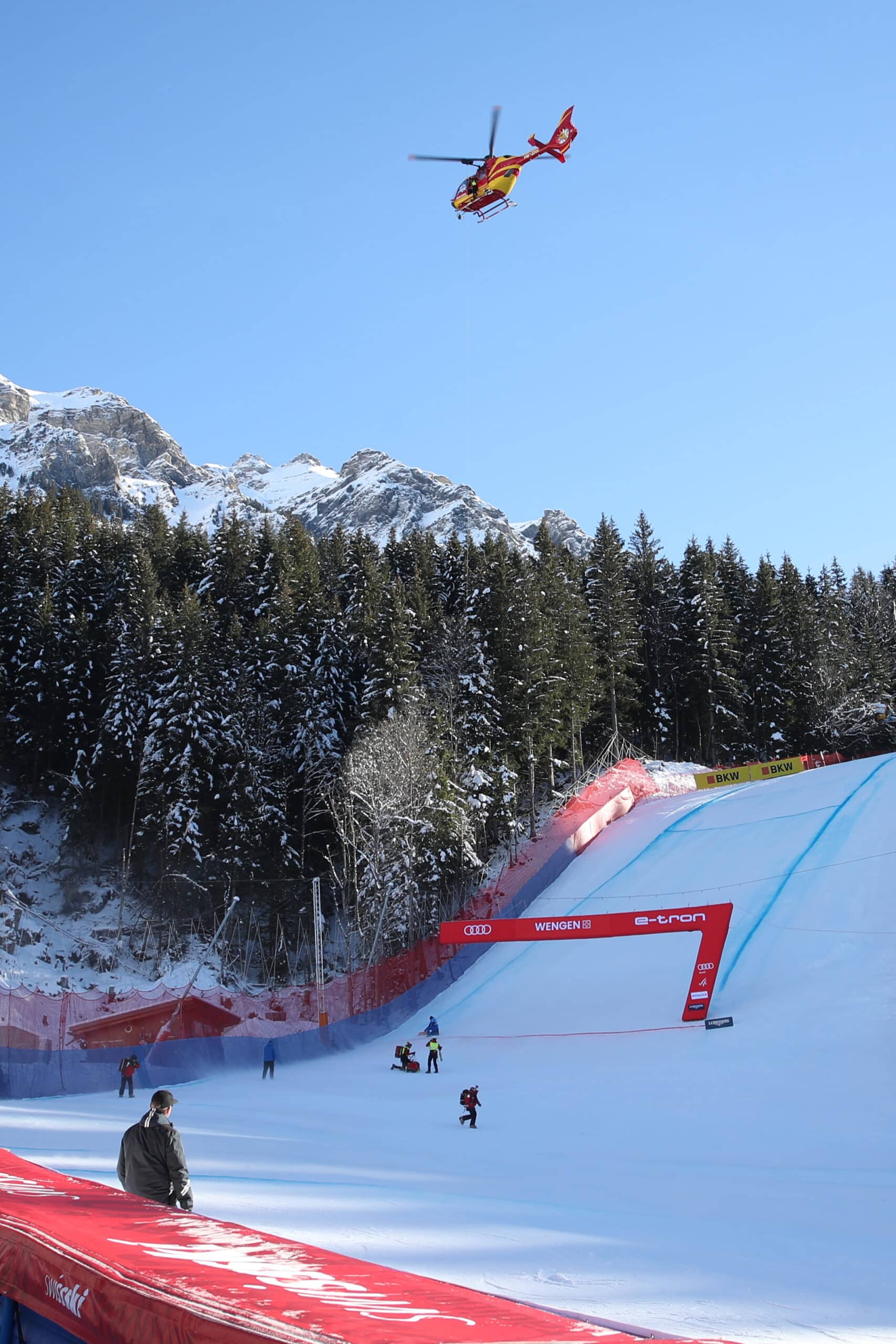
Little did anybody know that on this day, it was speed giant Aamodt Kilde’s turn to hit the net – hard, right before the finish line. Once again, dramatic minutes followed, with medical staff and a rescue helicopter. And again, the large, celebratory, finish-area crowd turned hushed as another giant fell.
When the racing continued after the long pause in the competition, an uncommonly high number of the remaining world-class downhillers also fell or had difficulties finishing the long Lauberhorn course.
Aamodt Kilde’s medical update is better than many feared, but the season-ending injuries are still severe and need time to heal. A deep cut in his calf, almost into the bone, caused significant blood loss and required surgery as some of the nerves were severed. His left shoulder was dislocated, and two ligaments were torn. He is scheduled to undergo surgery on his shoulder this Thursday, where possible nerve damage also will be looked at. Aamodt Kilde was partially unconscious after the fall, plus beat up from the impact. He now experiences headaches after hitting his head, so he rests, Aamodt Kilde told Norwegian broadcaster Viaplay Norge on Wednesday.
Not three
Many questions have arisen. Critiques and opinions are shared. Discussions take place and will continue as the rest of the season goes on and when the FIS plans for the next season in the spring.
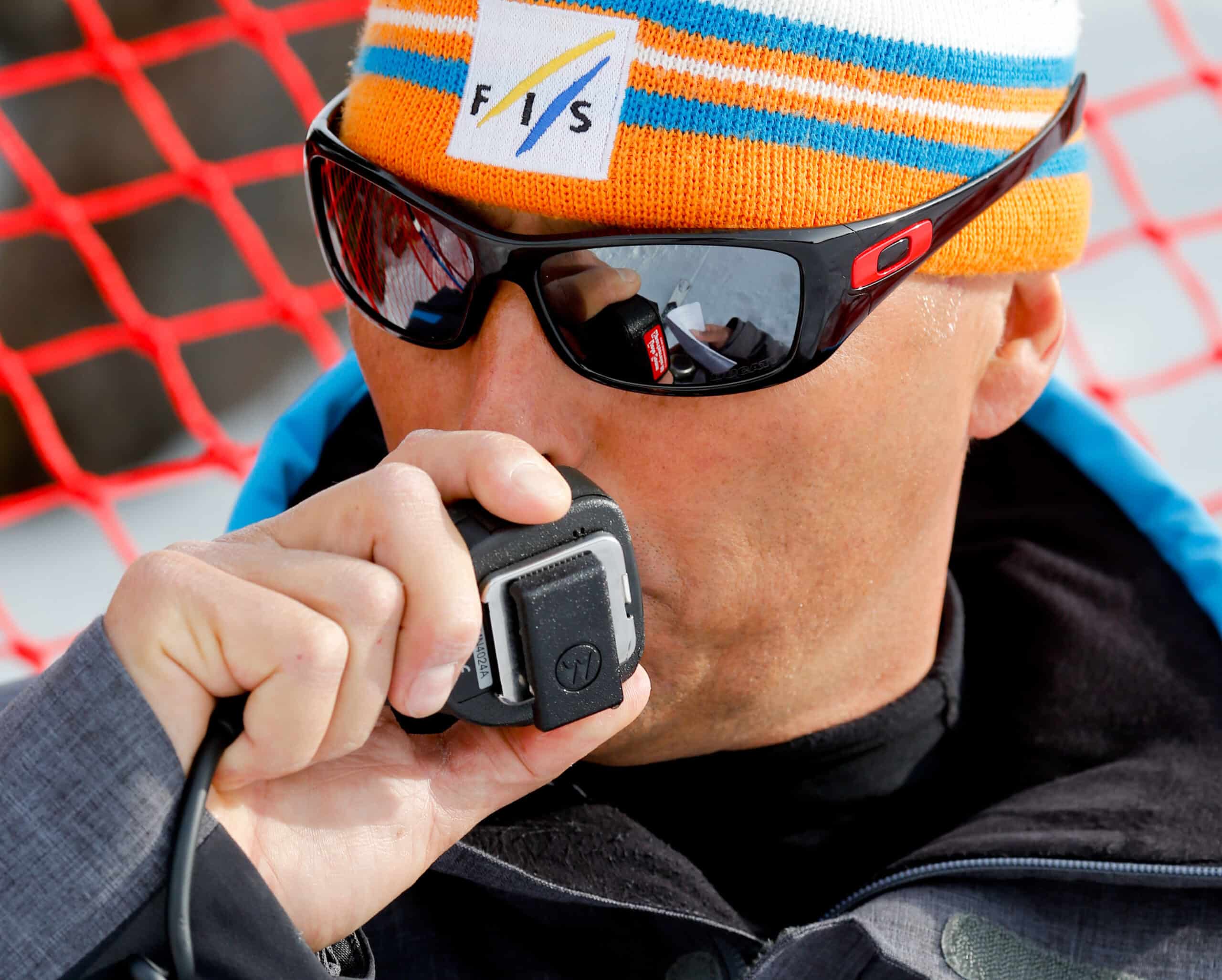
However, already on Saturday evening in Wengen — after the accident-filled, full-length Lauberhorn downhill — the FIS Race Director for the men’s World Cup, Markus Waldner, stated that three speed races in a row would not be scheduled again.
“In the future, it should absolutely be avoided to hold three speed events in a row at the same location because that’s really too heavy for the majority of the starting field,” Waldner stated in an interview with the Swiss broadcaster SRF on January 13, 2024.
“It was a full program; we knew that,” Waldner said about Wengen.
In the same SRF interview, Waldner expressed that it is essential to put the facts on the table and not mix things up, like which accidents were not related to the athlete being tired out, such as Pinturault’s, and which accidents were related to the athletes being too tired on the third day of racing, including Aamodt Kilde’s and several others. At the same time, Waldner pointed out that other athletes did okay with two training days followed by three consecutive race days.
Aamodt Kilde shares his thoughts
Wednesday, four days after his serious Lauberhorn downhill crash, Aamodt Kilde shared his thoughts from the hospital bed in Innsbruck, Austria, in an interview with Viaplay.
He had been ill before the Wengen races, and because of that, he skipped one of the two official training days. “It helped for the first two competitions, but maybe it wasn’t enough for the last race,” he told Viaplay.
“I’ve said in a previous interview: ‘Safety first.’ There is always a risk to start in a downhill, and I’m always willing to take that risk. But that day, it was maybe more of a risk than I thought,” Aamodt Kilde said. However, at the start of Saturday, he believed everything would go okay.
Asked by Viaplay about the exertion of three consecutive speed races, Aamodt Kilde responded: “For me, it’s the total package that counts. Three races could be doable, but you must look at the whole package. You have two training runs, two bib draws and three award ceremonies. Odermatt participated in everything, and I participated in everything until I crashed. I was also sick ahead of time.”
“I think it is too much if you also have the evening program. The day before that downhill, the award ceremony started at 7 o’clock at night. We weren’t back at the hotel (after the previous race) until 3:30 p.m. Then, it’s from 3:30 till 7 p.m. that you have time for restitution.”
At the evening’s ceremony, “there are many thousands of people who hype you up at 7 o’clock at night before you’re going to ski the world’s longest downhill,” Kilde said. He added: “And then there are two days’ break before Kitzbühel, which is the world’s most dangerous downhill.”
Aamodt Kilde stated clearly during the Viaplay interview that he believes it is time to have an honest discussion regarding the tight schedule.
There were two more serious injuries during Wednesday’s second training day in Kitzbühel. Barnabas Szöllös, Israel, lost his helmet during a high-speed crash. He suffered several facial fractures and a concussion, according to FIS. Starting right before Szöllös, Rémi Cuche of Switzerland also crashed. The 23-year-old nephew of five-time Kitzbühel downhill winner Didier Cuche has probably ruptured his cruciate ligament, according to Austrian Laola1.at on January 17.
Overloaded schedule
During the interview with the SRF, only hours after the accident filled Lauberhorn downhill on January 13, FIS Race Director Waldner described the 2024 speed schedule as “overloaded,” with 13 competitions planned compared to the standard nine, max ten-speed events in previous years. He explained that this year’s increase in speed events was due to adding new race locations and balancing the number of speed and technical events in the World Cup calendar. As a result, the 2024 schedule includes double downhills in Chamonix, Kitzbühel and so on. “Not good,” Waldner stated during the SRF interview.
Additionally, at the start of the season, five consecutive speed events had to be canceled due to weather conditions. The FIS race director pointed out to SRF that the FIS, in cooperation with the coaches’ working group, decided to reschedule only three of the five canceled speed races. The make-up races were added at the locations where it would be possible to race shorter downhills, as they knew the physical strain on the athletes would be high with the addition of make-up races during already planned events. He added that the athletes had been eager to make up the races that had been canceled.
Racing makes the wheels go round
Ski racers typically want the opportunity to race. After all, that is their occupation and what they enjoy doing. In addition, everyone inside and outside the ski business knows that the FIS World Cup ski racing — as well as the athletes’ and the support staff’s income — depends on competitions taking place to generate revenue.
So, it is all a balancing act.
Kjetil André Aamodt, a commentator for the Norwegian TV station Viaplay Norge and a legendary former all-round alpine racer, analyzed the situation towards the end of Viaplay’s broadcast Saturday:
“I am in favor of organizing the ski races that have been scheduled. This year has been very special. Nine competitions were canceled early in the season, so an extra race has been added here in Wengen. But Wengen is extra demanding. It’s such a long course. This is the fifth day they’ve been skiing. They have had two training sessions, and then, when you race, [it’s] a completely different level of pressure. Downhill on Thursday, super-G on Friday, and then you see [today] that this is a sign that the boys are tired, both physically and mentally.”
Aamodt added: “All of FIS and the whole sport lives off of organizing these races in a fairly short time. The winter is short; there is interest in alpine skiing in December, January and February. So, if you want to keep the wheels going, FIS is under pressure too to get it done. But safety must come first.”
In addition to concerns regarding practical, economic and safety issues during the World Cup season, various people in the ski business argue that the added-on make-up races remove the focus from the classic, paramount events like the Saturday, full-length Lauberhorn downhill in Wengen, the Saturday Hahnenkamm downhill in Kitzbühel, and other historical events that are the races to win.
Enough is enough
Emotions ran high during and after Saturday’s downhill race in Wengen, which should have been the weekend highlight but instead was marred by accidents. A combination of excitement, celebration, empathy and frustration colored the finish area. Lauberhorn winner Odermatt’s face also expressed mixed emotions.
During an interview with Viaplay Norge, Odermatt described Saturday’s winning downhill run as one of his best performances ever. At the same time, his day was bittersweet because of his ski racing friend Aamodt Kilde’s accident.
While in the finish area, Odermatt said he hoped there would never again be three speed races in a row in Wengen. He explained his statement further when talking to Viaplay:
“Maybe we have [learned] a lesson now… It is the hardest downhill of the year, the longest downhill, the longest super-G, so I really don’t think we need three races here, even if it was good for me this year. I also don’t think it is good in other venues to have so many races because of safety. The health of all the athletes has to be the highest priority, and I hope we don’t have to see this many crashes again.”
Sarrazin, the second-place finisher in Saturday’s downhill, also seemed shaken up by the accidents and injuries when talking with Viaplay:
“It’s tough to have a good feeling after this run. It’s mixed feelings after Alexis [Pinturault], and then Aleks [Aamodt Kilde] today. Today, third race in a row — I think it’s too much for us. Physically, it’s really challenging, especially today with the long [course].”
No time to rest
Third-place finisher Dominik Paris, on the other hand, told Viaplay that he felt okay during Saturday’s long downhill. “But I did not have this heavy program like him [Kilde]. He was on the podium two times and here all day at the finish area,” Paris said.
Paris further expanded: “We always have these double downhill races — that is not okay. You want to try; you want to push for one race in the downhill to stretch the limit, but not for two days in a row. [It] is not good doing two downhills in the same place. But, again, we want to race. We are happy to race, and if the program gives you the opportunity, you want to race. It’s always hard to say if it is too much or not.”
The Italian also explained how the Wengen downhill requires a lot of energy from the racers, not only because it is the longest downhill of the season, but also because of the extraordinary long race days. The athletes must rise extra early in the morning to catch a train up the mountain to the race venue, while the race starts later in the day than usual. Hence, extra-long days. “You have no time to rest,” Paris says.
Not too demanding
Not everyone experienced the three days of racing in Wengen as too demanding.
While saddened by his Norwegian teammate’s crash, Adrian Smiseth Sejersted told Viaplay he was happy to have three races in Wengen. Odermatt’s statement surprised him, with the Swiss star saying he hopes there will never be three consecutive speed races at the traditional venue again.
Smiseth Sejersted impressed by maintaining his race focus and staying mentally strong while teammate Aamodt Kilde was airlifted out of the course after his crash.. Smiseth Sejersted followed up by finishing 4th, his best downhill result ever.
The 2021 downhill and super-G World Champion, Vincent Kriechmayr, also felt the schedule worked out okay:
“You know, the first downhill [in Wengen] was because we had the first races [of the season] canceled, so we are happy to have races. It’s tough, but we train the whole year for races like this,” the Austrian told Viaplay.
Is alpine ski racing losing its appeal?
Atomic has lost two of its best racers, Schwarz and Aamodt Kilde. Christian Höflehner, Atomic’s racing director, characterizes the intense racing schedule as “unhealthy,” according to the Swiss newspaper Blick.ch.
In response to FIS President Johan Eliasch’s comment that an athlete can forego a race at any time, Höflehner says: “For a ski racer, winning an overall title is more important than success in an individual race. And if Kilde wants to win the downhill or super-G crystal globe, he can’t afford to take breaks from competition.”
The Atomic race director also voices another great concern after the recent significant crashes being broadcast to ski fans all over the globe:
“If parents see more and more violent falls on TV broadcasts from ski races, they will eventually ban their children from joining ski clubs and ski races!”
Indeed, the 2024 men’s alpine skiing World Cup will not be the same without Schwarz, Pinturault and Aamodt Kilde.
World Cup standings – now what?
Schwarz, Aamodt Kilde, and Pinturault’s strong skiing up until their injuries placed them in the top 10 in the World Cup standings. Losing these three contenders to injuries will shift the World Cup standings.
Here is a look at the standings before the remainder of the season, before heading into the legendary Kitzbühel race weekend in Austria, January 19-21.
Overall standings
| Overall standings | Points | Difference | ||
| 1. | Marco Odermatt | SUI | 1,016 | |
| 2. | Marco Schwarz | AUT | 464 | -552 |
| 3. | Cyprien Sarrazin | FRA | 460 | -556 |
| 4. | Aleksander Aamodt Kilde | NOR | 440 | -576 |
| 5. | Manuel Feller | AUT | 384 | -632 |
| 6. | Vincent Kriechmayr | AUT | 316 | -700 |
| 7. | Atle Lie McGrath | NOR | 290 | -726 |
| 8. | Henrik Kristoffersen | NOR | 285 | -731 |
| 9. | Dominik Paris | ITA | 279 | -737 |
| 10. | Filip Zubcic | CRO | 268 | -748 |
It is too early to discuss final standings, with 25 competitions remaining in the season, including the World Cup Finals in late March. However, if Odermatt participates in all remaining giant slalom, super-G and downhill races, he has 17 more competitions to score points — or, should we say, to win? After sustaining his injury in late December, four-discipline all-rounder Schwarz is out for the season. Now, three-discipline top contender Odermatt faces no competition from his most formidable rival for the overall title. Unless something out of the ordinary happens, Odermatt is on track to win the men’s World Cup Overall title for the third time in a row.
Downhill and super-G standings
| Downhill standings | Points | Difference | ||
| 1. | Marco Odermatt | SUI | 376 | |
| 2. | Cyprien Sarrazin | FRA | 310 | -66 |
| 3. | Dominik Paris | ITA | 229 | -147 |
| 4. | Aleksander Aamodt Kilde | NOR | 220 | -156 |
| 5. | Bryce Bennet | USA | 201 | -175 |
| 6. | Mattia Casse | ITA | 160 | -216 |
| 7. | Nils Allegre | FRA | 146 | -230 |
| 8. | Vincent Kriechmayr | AUT | 142 | -234 |
| 9. | James Crawford | CAN | 132 | -244 |
| 10. | Niels Hintermann | SUI | 123 | -253 |
| Super-G standings | Points | Difference | ||
| 1. | Marco Odermatt | SUI | 240 | |
| 2. | Vincent Kriechmayr | AUT | 174 | -66 |
| 3. | Cyprien Sarrazin | FRA | 150 | -90 |
| 4. | Raphael Haaser | AUT | 126 | -114 |
| 5. | Aleksander Aamodt Kilde | NOR | 120 | -120 |
| 6. | Daniel Hemetsberger | AUT | 94 | -146 |
| 7. | Justin Murisier | SUI | 81 | -159 |
| 8. | Stefan Babinsky | AUT | 80 | -160 |
| 9. | James Crawford | CAN | 75 | -165 |
| 10. | Guglielmo Bosca | ITA | 71 | -169 |
Odermatt tops the downhill and super-G standings as well. However, the competition for the podium spots in the speed disciplines is still tight and exciting. The speed specialists have six downhill and four super-G competitions left this season.
Injured Aamodt Kilde won the season Downhill Cup in 2022 and 2023, plus the Super-G Cup in 2022. Odermatt won the Super-G Cup in 2023.
Bryce Bennett,, USA, currently trails Paris who sits in third by only 28 points. Bennett is 175 points away from the lead in the downhill standings. In the super-G standings, Canadian James Crawford trails leader Odermatt by 165 points. Crawford sits in ninth in both speed rankings going into Kitzbühel. The two upcoming, demanding Hahnenkamm downhill races will give the toughest of the tough yet another chance to secure their spots in the standings.
Giant slalom standings
| Giant slalom standings | Points | Difference | ||
| 1. | Marco Odermatt | SUI | 400 | |
| 2. | Filip Zubcic | CRO | 240 | -160 |
| 3. | Marco Schwarz | AUT | 210 | -190 |
| 4. | Zan Kranjec | CRO | 166 | -234 |
| 5. | Henrik Kristoffersen | NOR | 149 | -251 |
| 6. | Alexis Pinturault | FRA | 130 | -270 |
| 7. | Joan Verdu | AND | 105 | -295 |
| 8. | Aleksander Aamodt Kilde | NOR | 100 | -300 |
| 9. | Atle Lie McGrath | NOR | 98 | -302 |
| 10. | River Radamus | USA | 94 | -306 |
Giant slalom is the discipline where all three of the “fallen giants” currently rank in the top 10. However, the remaining, uninjured skiers can score points in another seven giant slalom and eight slalom races this winter. Giant slalom specialist and this winter’s comet, Joan Verdú Sánchez of Andorra, missed the Adelboden race due to problems with a previously injured knee. He aims to return in Schladming.
Odermatt dominates in giant slalom, winning all four races completed this season. However, Croatian tech skier Filip Zubčić impresses with very strong giant slalom runs when he skis at his best and is one to watch. Odermatt won the season Giant Slalom Cup in the past two seasons.
Slalom standings
| Slalom standings | Points | Difference | ||
| 1. | Manuel Feller | AUT | 345 | |
| 2. | Atle Lie McGrath | NOR | 192 | -153 |
| 3. | Marco Schwarz | AUT | 180 | -165 |
| 4. | Clement Noel | FRA | 152 | -193 |
| 5. | Timon Haugan | NOR | 148 | -197 |
| 6. | Dave Ryding | GBR | 142 | -203 |
| 7. | Henrik Kristoffersen | NOR | 136 | -209 |
| 8. | Michael Matt | AUT | 112 | -233 |
| 9. | Linus Strasser | GER | 108 | -237 |
| 10. | Marc Rochat | SUI | 105 | -240 |
Manuel Feller of Austria leads the men’s slalom standings by winning three out of the four completed slalom races. Lie McGrath follows closely, as he has finished second in the last two slalom competitions, only (+0.02) and (+0.10) behind Feller. The slalom results have been extremely close with small time margins. Many racers are hungry and ready to step up on the slalom podium, and the upcoming competitions will be fierce.
Henrik Kristoffersen won the season Slalom Cup in 2022 and placed 2nd last season. Lucas Braathen won the Slalom Cup last season.
Braathen back in Kitz
After remarkable skiing, victories, and fun finish-area shows during recent seasons, Braathen’s sudden retirement in October still leaves somewhat of a void. His colorful personality and diplomacy for broadly encompassing acceptance of others left a strong impression in the ski racing world.
The Norwegian-Brazilian showman will be back in action in Kitzbühel this week — as a DJ at the BeyondKitz pop-up club!
Best wishes!
As the season goes on, Ski Racing Media sends its best wishes for a speedy and complete recovery to Schwarz, Pinturault and Aamodt Kilde, as well as all other injured ski racers around the world. The skiing community is looking forward to having all of you back when you are ready!
Sources: Viaplay Norge, SRF.ch, Blick.ch, SkiAustria.at, Eurosport.de, NBC Sports, FIS, Marco Schwarz on Facebook, marcokohler.ch, Olympics.com, Alpinlandslaget on Facebook, beyondkitz.com.
About the Author: Bente Bjørnsen Sherlock