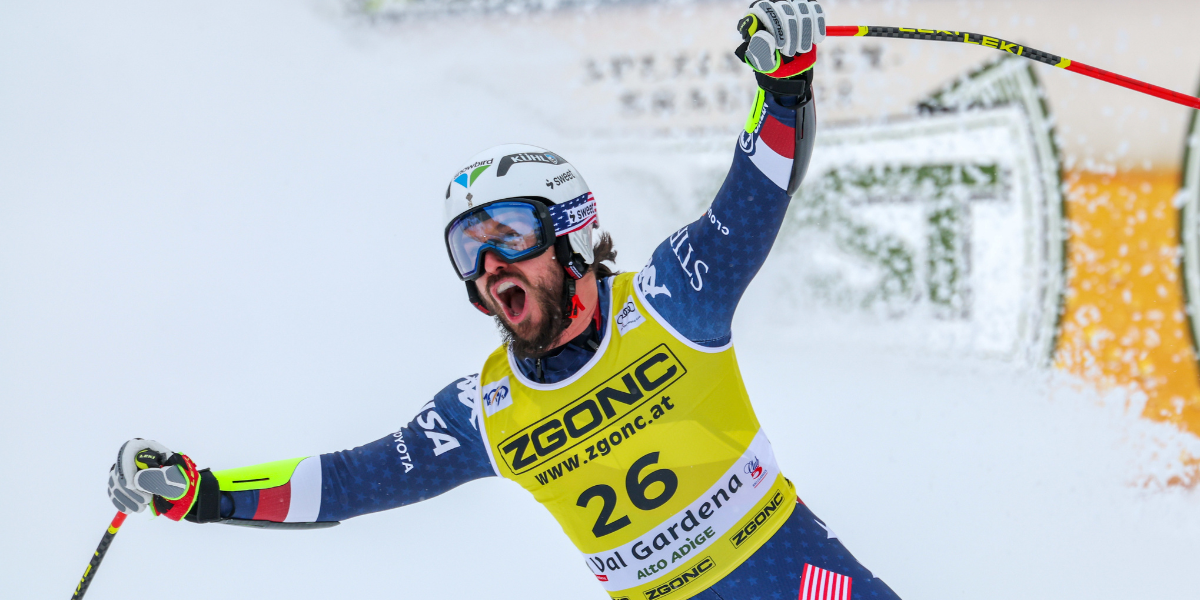
CU’s Chase Seymour experiencing the grind Photo credit: Serena Archer
It’s early October, which means two things: You are in the middle of the fall training block, either engaged in an intensive physical conditioning program, or starting to get on snow in Europe for early-season skiing, or both. As you build a solid foundation and prepare for your first races, the next few months before race season will be physically and mentally challenging.
If you’re reading this article, I’m guessing you’re pretty serious about your ski racing. But I’m also assuming you do it because it’s big-time fun. Engaging in competition, hanging out with your friends, traveling, achieving your goals, and getting the results you want, make ski racing fun and exciting.
Click photos to enlarge


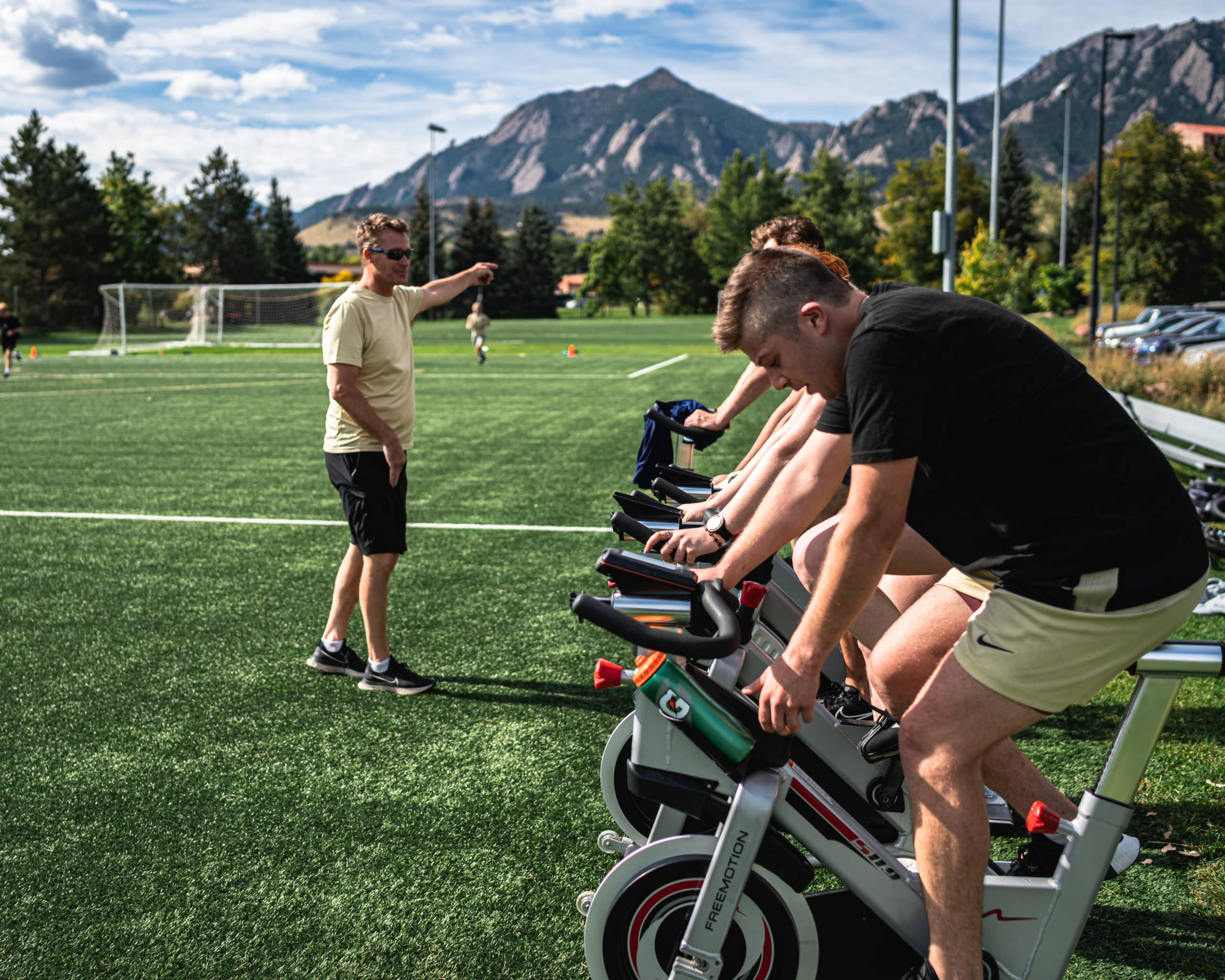
At the same time, no matter how much you love ski racing and how much fun it is in general, you must admit that many specific aspects of our sport are not fun, especially in fall training. You know what I’m talking about – that cold early morning runs, the mountain bike rides in the rain, those multiple sets of power cleans, and those incredibly intense gym sessions.
As I noted in a previous post, the fall matters because the physical conditioning you do and the fitness gains you make are essential for success in the coming winter. And let’s be realistic; fall training is hard. It is almost always physically tiring, sometimes repetitive and boring, and more often than not really painful. In other words, sometime this fall, you will likely arrive at a point in physical training when it is no longer fun.
defining the grind
I call this point “the grind.” The grind often separates ski racers who achieve their goals from those who don’t. The typical reaction to the grind is to either ease up or give up because it’s too damn hard. But truly motivated racers realize that the grind is also the point where it really counts. They reach the grind and, instead of easing up, they keep on going and, in fact, push harder because they know that maintaining their effort, intensity, and focus during the last reps, sets, or miles might make the difference between success and disappointment this winter.

Many sport psychologists will say that you have to love the grind because you won’t want to do it if you don’t. But I say that love isn’t what it’s about for most racers because there’s not much to love when you are exhausted, hurting, or bored out of your mind. So, you don’t have to love the grind to push through it. How you respond to the grind lies along a spectrum. As I just mentioned, loving the grind is rare. At the other end of the spectrum, racers hate the grind. If you feel this way, you will likely lose your motivation and give up, so hate isn’t an option either.
I suggest that you neither love nor hate the grind. Just accept it as part of striving toward your ski racing goals. The grind may not be very enjoyable, but what feels even worse is failing to achieve your goals because you didn’t work hard enough. And what will really feel good is seeing your hard work pay off with success this coming winter. In other words, as I wrote in another previous article, you can pay now or pay later.

embrace the value of the grind
So, next time you’re doing dryland and you’re feeling miserable, recognize how important the grind is and push through it. When you’ve had some great races this winter, you can thank yourself for hanging tough when it really mattered.
About the Author: Dr. Jim Taylor