Photo: U.S. Ski & Snowboard
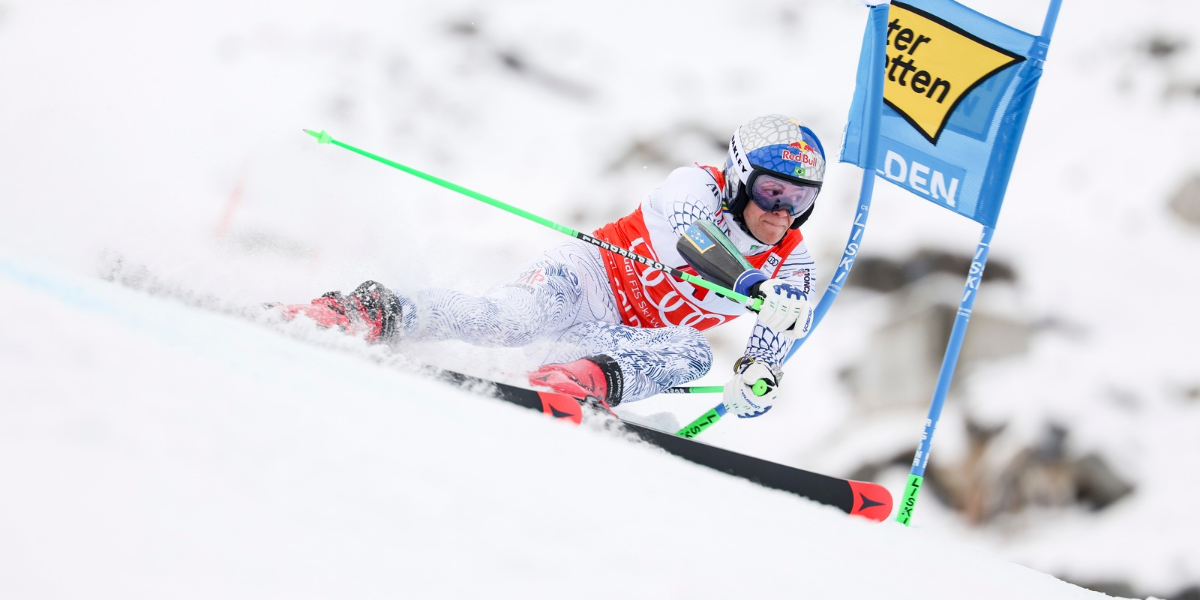
A World Cup race may last less than two or three minutes, but the physical preparation behind it takes months.
Every explosive start, terrain absorption and high-speed recovery depends on work completed far from the racecourse. Strength, endurance, movement quality and recovery all shape what an athlete can produce once the skis are on.
That preparation has become far more sophisticated than traditional offseason conditioning. Today, elite dryland training functions as a year-round performance system designed around the demands of alpine racing and the needs of each athlete.
Italian strength and conditioning coach Luca Scarian and Spanish coach Alejo Hervas recently outlined their approaches to FIS. Both work with athletes at the highest level of the sport. Scarian trains racers, including Federica Brignone and Marta Bassino, while Hervas works with Marco Odermatt, Gino Caviezel, and Justin Murisier.
Their systems differ in structure and terminology. However, both start from the same principle: physical preparation must help an athlete perform, adapt and remain healthy on snow.

Training must serve the skiing
Dryland training once focused largely on making athletes stronger and fitter. Elite programs now take a more targeted approach.
Scarian keeps physical preparation distinct from technical ski training, but he designs it to support performance on snow. His work emphasizes strength, aerobic capacity, core stability and efficient movement.
Before chasing greater output, however, he first wants the athlete moving well and training from a healthy physical foundation.
That order matters. Strength alone offers limited value if an athlete cannot move efficiently or tolerate the loads created in training and competition.
Hervas organizes his system around two broad areas: structural work and metabolic work.
Structural work targets muscles, joints, connective tissue and soft tissue. Metabolic training develops the aerobic and anaerobic systems athletes need to train, recover and compete.
During a 24-week preparation period, Hervas typically begins with aerobic development before moving into structured strength phases. Those phases include concentric, eccentric and isometric muscle actions.
He adjusts volume and intensity in waves and includes recovery periods throughout the process. Once regular skiing begins, the priority shifts toward maintaining the physical qualities already developed.
Elite strength is more than maximum force
Strength remains central to alpine racing, but elite preparation involves more than lifting the heaviest possible weight.
Scarian considers training volume, time under muscular tension and the speed at which an athlete can produce force.
That final element carries particular importance in ski racing. Athletes must create, control and absorb force almost instantly. Terrain, speed and changing snow conditions rarely allow time for deliberate corrections.
Hervas also combines strength with endurance, movement control and careful intensity management.
Because training time is limited, coaches must decide which qualities will create the greatest benefit. They cannot develop every physical ability at once or give each one equal emphasis.
Injuries make those decisions more complicated.
When an athlete cannot complete the normal program, coaches must protect the injured area and follow medical guidance. At the same time, they look for safe ways to preserve strength and conditioning elsewhere.
The goal is not to force progress. It is to protect the athlete while limiting unnecessary physical decline.
The program follows the athlete
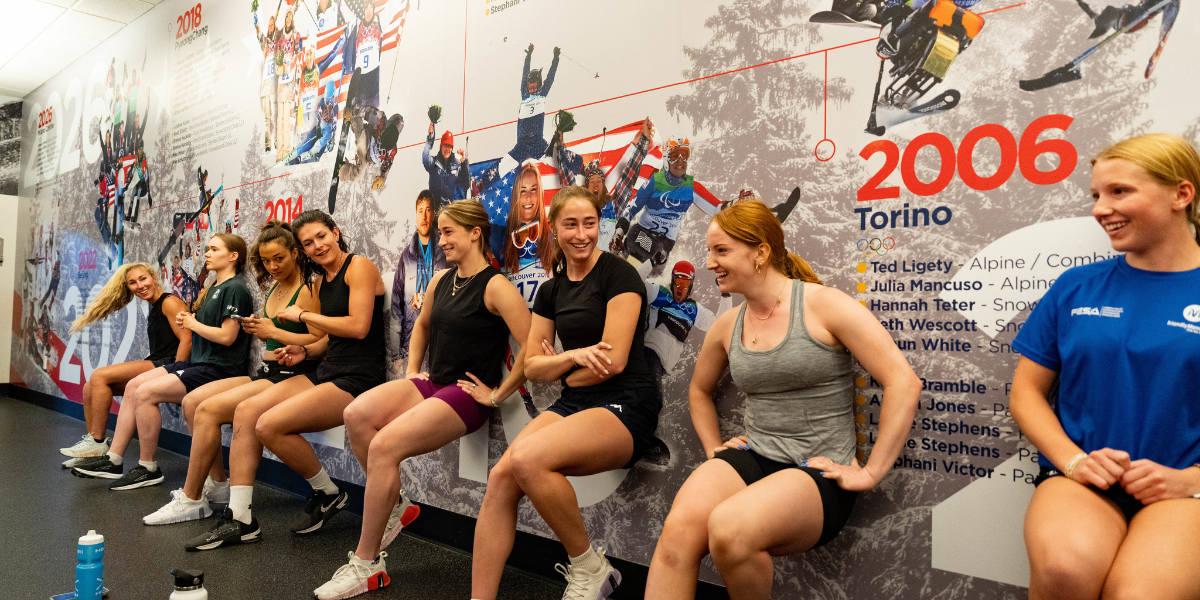
World Cup racers often train together, but they rarely complete identical programs.
Testing can expose strength deficits, movement restrictions and other measurable differences. Still, both coaches believe numbers provide only part of the picture.
They also need to understand how an athlete moves, communicates, handles fatigue and responds to different types of training.
Scarian has worked with several athletes over multiple years. That history allows him to challenge them without ignoring their individual limits or physical characteristics.
Hervas also relies heavily on daily observation. Data can reveal trends, but behavior and movement patterns can show just as much.
He pays particular attention to natural differences between an athlete’s left and right sides. Rather than assuming every asymmetry must disappear, he studies how those differences affect training and performance.
Individualization does not always require an entirely separate program. Coaches can modify volume, intensity, recovery periods or exercise selection while keeping athletes in the same session.
Developing athletes generally need consistency, sound habits and controlled progression. Experienced World Cup racers often require smaller and more specific adjustments.
Click on the images to enlarge

The plan must survive reality
Alpine ski racing rarely allows a training plan to unfold exactly as written.
Weather can disrupt camps. Travel creates fatigue. Competition calendars change, and injuries can alter months of preparation.
Therefore, coaches must adjust continually without losing the purpose of the program.
During the preparation phase, athletes generally build capacity through progressive changes in training volume and intensity. Recovery periods then allow the body to absorb that work.
Once the competition season begins, the challenge changes.
Athletes still need enough training to maintain strength and readiness. However, too much work can leave them flat on race day.
Scarian does not want athletes on the Italian women’s team to reduce their workloads too aggressively during winter. Regular muscular stimulation helps them remain physically engaged through a long season.
Hervas describes the central challenge as reducing training while improving performance.
That balance separates a fixed program from effective coaching.
Environment shapes the work
Training camps can strengthen team relationships and expose athletes to new challenges. They also allow coaches to observe how athletes respond under pressure and support one another.
However, both coaches place greater value on the quality of the process than on the location itself.
Scarian also sees benefits in stable training periods at home. Those blocks reduce disruption and allow athletes to build momentum before the travel demands of winter increase.
Neither coach relies on constant change for its own sake.
Instead, they introduce smaller adjustments while preserving the core principles of the program. That approach creates new challenges without sacrificing consistency.
Athlete feedback drives better decisions
Research, testing and collaboration all influence modern physical preparation. Yet direct communication with the athlete remains one of the most important tools available to a coach.
Experienced racers often recognize subtle changes in fatigue, movement and readiness before those changes appear clearly in testing.
Honest feedback allows coaches to adjust training loads, identify problems earlier and refine the program over time.
That exchange becomes even more important with elite athletes. At that level, coaching is not simply a matter of assigning exercises and counting repetitions.
The athlete and coach build the program together.
The race starts months before the start gate
Dryland training no longer serves as a bridge between ski seasons.
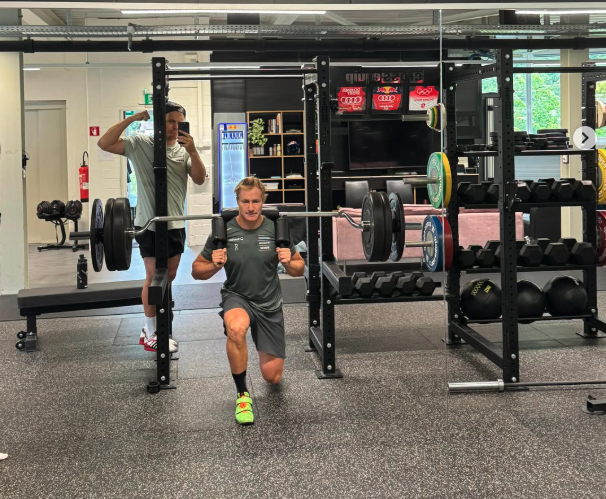
It builds the strength, endurance, movement quality and resilience required to handle World Cup speed. It also helps athletes tolerate heavy training loads and sustain performance through winter.
Scarian and Hervas use different systems, but both arrive at the same conclusion.
The performance seen on race day begins long before the athlete enters the start house.
This article is based on reporting published by FIS-Ski.com about the dryland training methods of Luca Scarian and Alejo Hervas.
About the Author: SR Staff Report