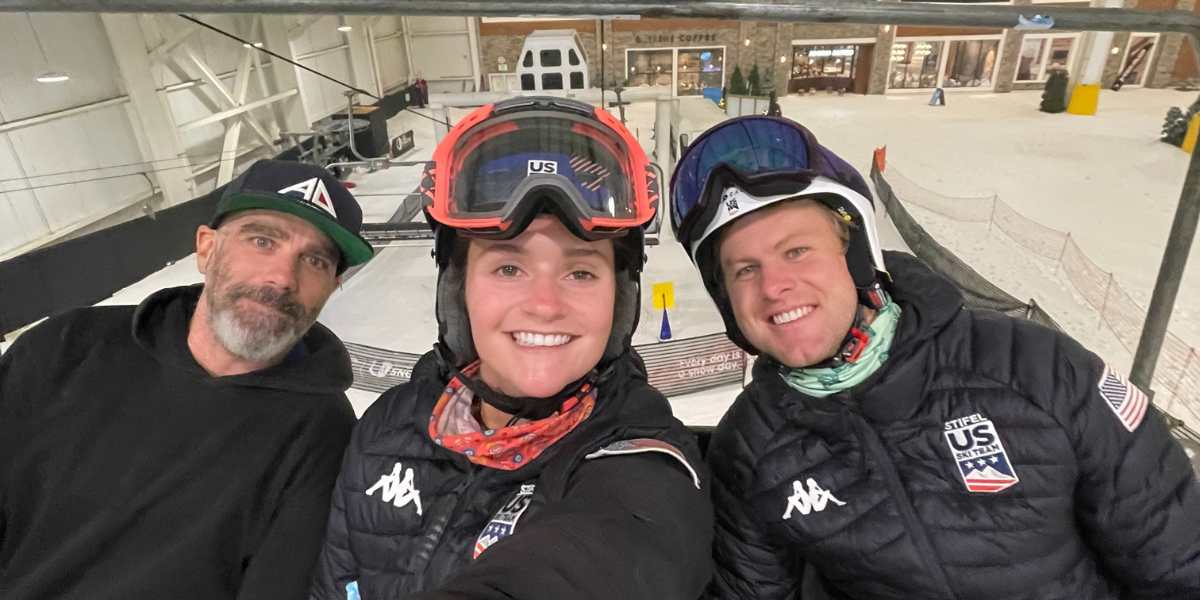
Featured Image: Ian Garner, high performance sport coach, working with two athletes as they return to training after injury.
Ski racing is thrilling, technical, and deeply rewarding, but it is also one of the most injury-prone Olympic sports. ACL tears, concussions, back injuries, and overuse issues are common challenges for athletes and coaches alike. As training demands increase and development pathways accelerate, injury risk has become an unavoidable part of the modern ski racing environment.
Across North America and Europe, programs are recognizing this and working to evolve how athletes return to snow safely.
Many clubs, academies, and national teams are now investing in prevention frameworks and structured return to snow protocols not because injuries are new but because expectations training loads and performance pressures have changed. Acknowledging that this is not just a medical issue but a coaching cultural and educational one.
As Gillian Bower, Vice President of High Performance at U.S. Ski & Snowboard, explains:
“Even our best-prepared athletes can sustain injuries. It’s not just about strength or conditioning—it’s about the system of support around them.”
That system—how athletes are trained, supported, and reintegrated—has become a central focus for many successful programs.
Despite these challenges, programs across the continent are responding proactively with better communication, smarter training design, and stronger return-to-snow systems.
Why Injury Prevention Matters
Ski racing risks are not new, but the context in which athletes develop has shifted significantly:
- Earlier Specialization: U12 and U14 athletes now ski year-round, increasing overuse and injury risk.
- Training Load: U16 athletes may ski 120–150 days a year without the same recovery or medical support as World Cup athletes.
- Climate and Conditions: Short, intense glacier and artificial snow blocks create dense, high-stress training days.
- Equipment and Environment Evolution: Skis are faster, boots more precise, and course sets more demanding.
Taken together, these factors compress development timelines and amplify risk—making prevention and structured return-to-snow strategies essential rather than optional.
Understanding How Injuries Happen
With that context in mind, understanding how injuries occur becomes essential for coaches. Even if coaches aren’t diagnosing injuries, understanding how they happen is essential.
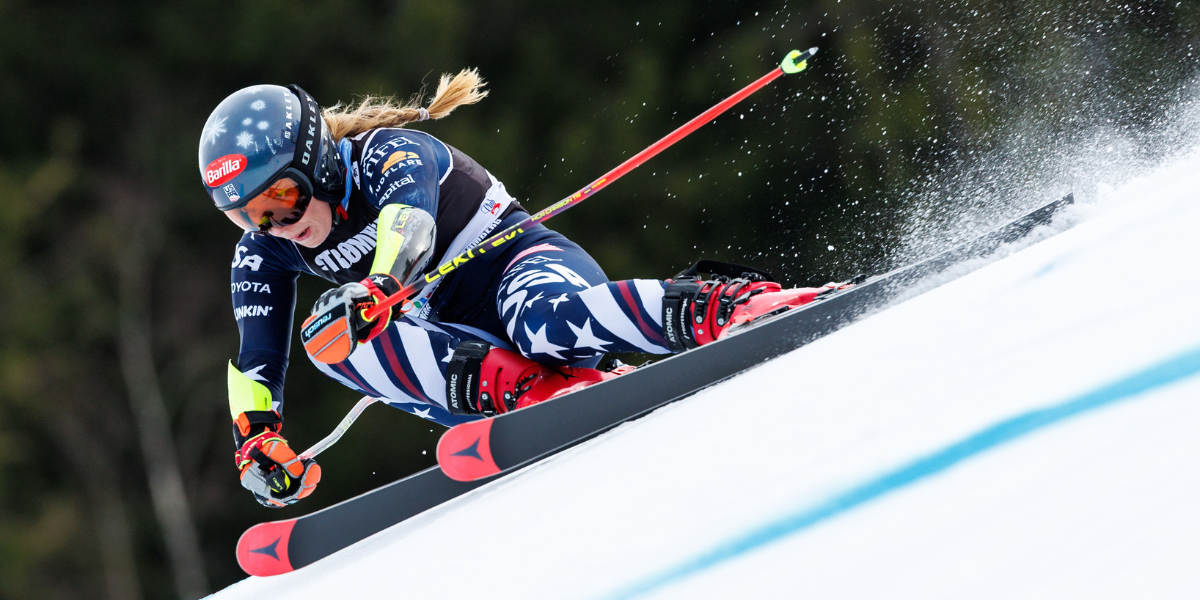
Knee injuries such as ACL and MCL tears often stem from twisting falls, late pressure on the inside ski, or a caught edge, and these risks can be heightened by poor equipment setup.
Even at the highest levels of preparation, knee injuries remain a reality in ski racing—reinforcing Gillian Bower’s point that prevention extends beyond strength and conditioning alone and into the broader system supporting the athlete.
Additional factors such as snow conditions, fatigue, travel, course setting, and mental readiness further influence injury risk. Ian Gardner, high performance sport coach for U.S. Ski & Snowboard, adds:
“Athletes have someone here to have their back. Everything we do is athlete-driven, based on their timelines and what they actually need.”
Coaching Responsibility: Prevention First
Because injury risk is influenced by many interconnected variables, the coach’s role becomes even more central. Across successful clubs, several common habits stand out:
- Structured Strength and Conditioning: Balance, landing mechanics, and single-leg strength are key resilience builders.
- Smart Warm-ups: Ten minutes of dynamic preparation can significantly reduce injury risk.
- Equipment Awareness: Properly fitted equipment is essential for both performance and safety. Because equipment sits at the intersection of performance and protection, coaches play a critical role in understanding the gear, educating athletes, and communicating with boot fitters and parents—especially during return from injury.
- Smart Training Environments: Courses should be age-appropriate, follow established guidelines for dimensions, and include breaks for recovery and adjustment based on conditions.
- Communication Culture: Encourage athletes to speak up about pain, fatigue, or instability. Red flags like swelling or persistent pain should not be ignored.
Gardner stresses the coach’s role during return to snow:
“I think probably the biggest one is being someone the athlete can lean on and rely on, to not feel pushed to the side or left behind, or dealing with the anxiety that comes with returning to sport.”
Structured Steps for Return to Snow
Despite good intentions, many programs struggle most at the moment athletes return to snow. Medical clearance does not always mean ski-ready.
Clubs with limited resources can implement these practical steps, inspired by U.S. Ski & Snowboard protocols:
- Immediate Reporting and Assessment: Athlete notifies coach or medical staff, who assess the injury and outline treatment and rehab.
- Centralized Communication: Assign a single point of contact to keep the athlete, coaches, strength staff, medical team, and family fully informed.
- Individualized Return-to-Snow Plan: Progression based on medical clearance, on-snow performance, and confidence—not fixed timelines. Include milestones, check-ins, and equipment setup reviews.
- Integration with the Team: Gradually reintroduce the athlete to group training, supported by mentors or assistant coaches.
- Feedback Loops: Regular meetings with the athlete, coaches, and medical staff help assess progress and adjust the plan as needed.
Supporting Mental Fitness in Return to Snow
Returning to snow is not just physical. For many athletes, it is the most psychologically demanding phase of recovery.
U.S. Ski & Snowboard’s pilot mental performance program, led by Dr. Kirsten Cooper of Elevate Performance Partners and Lindsay Winninger, uses an eight-week curriculum that builds resilience in the nervous system, communication, musculature, and mindset through reflection, journaling, mindfulness, and body-awareness exercises, ending with a check-in with a sports psychologist.
Dr. Cooper emphasizes that helping athletes reframe sensation is key to recovery:
“Athletes understand sensation as valuable information, not a threat. This lowers pain triggers and improves communication with coaches.”
She adds, “Confidence in ski racing is intense and scary. Athletes have to feel good about that going in.”
By integrating mental skills alongside physical rehabilitation, athletes rebuild confidence rather than simply returning to participation.
Common Misconceptions
- “One-size-fits-all plans work.” Recovery must be individualized. Guidelines exist, but every athlete progresses differently.
- “Comparisons are helpful.” Comparing recoveries creates pressure. Focus instead on personal progress and the individual recovery process.
Building a Return-to-Snow Culture
Key shifts for clubs and coaches:
- Normalize gradual returns and progressive loading
- Educate parents that faster isn’t always better
- Measure success by long-term health and performance, not immediate results
- Ensuring coaches are actively involved in the equipment setup process so everyone is aligned before the athlete returns to snow
“A safe return today means more podiums tomorrow and healthier athletes for life.” — Ian Gardner
Club-Level Solutions
Document injury and return-to-snow plans to clearly track progress, align staff expectations, and prevent rushed or unsafe recoveries.
Stagger return-to-snow schedules to reduce both coaching and peer pressure, allowing athletes to reintegrate at an appropriate pace.
Assign support roles such as assistant coaches or senior athlete mentors to provide guidance, accountability, and emotional support during the return-to-sport process.
Conclusion
Injury prevention and return to snow are increasingly central to a coach’s role, especially at the club level. By prioritizing prevention, implementing individualized return-to-snow protocols, and fostering a culture that values long-term health over short-term results, coaches can reduce injuries and develop stronger, more resilient ski racers.
Supporting athletes through recovery is no longer just a medical responsibility; it is a core coaching responsibility that clubs, national teams, and academies must embrace—backed by strong communication, mental performance support, and practical, athlete-centered protocol
Extra Resources
- Rebound: Train Your Mind to Bounce Back Stronger From Sports Injuries
By Cindy Kuzma and Carrie Cheadle
A powerful guide focused on the mental side of injury recovery. This book offers practical mindset strategies, reflection exercises, and tools to help athletes rebuild confidence, manage fear, and return stronger both mentally and physically. - The Injured Athlete Club (Podcast)
A supportive, athlete-driven podcast that explores the emotional highs and lows of being injured. Features real stories, expert insights, and conversations that help athletes feel less alone while navigating recovery and return-to-sport challenges. - Elevate Performance Athletes Academy: Return To Sport Program
A structured, holistic return-to-sport program designed to support injured athletes through both physical readiness and mental resilience. This program emphasizes confidence rebuilding, performance mindset, communication skills, and a sustainable transition back to competition.
Learn more: https://www.elevateperformancepartners.com/return-to-sport
About the Author: Katie Twible