Right now, the women’s World Cup is reading up on Murphy’s Law. The snow that snuffed out two of the three men’s World Cup starts in Lake Louise is performing an encore now that the women have arrived. Meanwhile, there’s another storm brewing in Switzerland, which is the next stop on the women’s calendar. As of 8 p.m. on Nov. 27, the Swiss government, reacting to the recent outbreak of the Omicron variant, added Canada to its list of countries whose travelers must undergo a mandatory 10-day quarantine and provide a negative Covid test when entering Switzerland.
The World Cup Tour faced similar restrictions last year, but in almost all cases, were granted an exception by local authorities and their governing health departments. The difference this go-around is the timing.
“The FIS is working with all the relevant authorities,” said head U.S. women’s coach Paul Kristofic. “I think something will get worked out, but this is a new variant and it’s all happening so quickly it’s got us all on our heels trying to figure it out.”
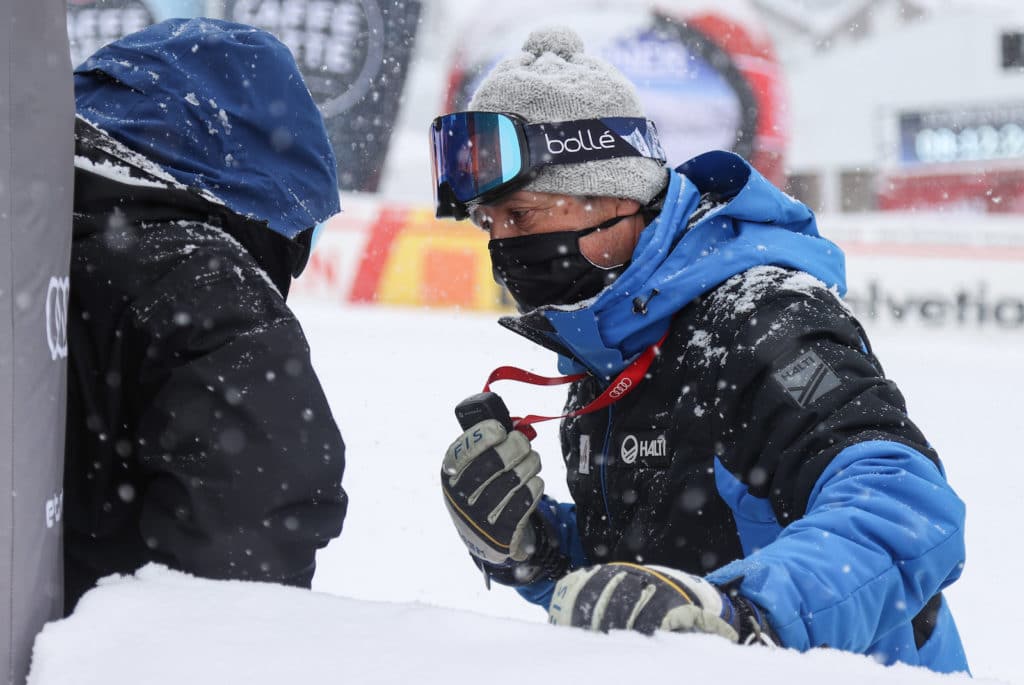
According to FIS Women’s Race Director Peter Gerdol, a decision will come not later than Thursday. For the head coaches of the world, that means making plans A, B and C, which include everything from traveling to unrestricted areas of Europe to get a foot in the door and overcome jet lag, to sending people home for a quick break before heading overseas for the remainder of the season.
It’s complicated, “but right now, we’re just trying to keep our focus on the racing at hand,” said Kristofic.
Yesterday, the first of what might be the only training run — if weather does not cooperate — was nearly canceled. Some 16 inches of snow fell in last 48 hours — all on top of the 18 inches that fell in the prior three days. With temperatures over freezing, the heavy snow could not be pushed off but rather had to be packed with grooming equipment.
“It looked almost unskiable during inspection,” said Kristofic. But they threw some water and ski-packed sections that needed it, he added, “and made it work.”
It was a rough ride as indicated by the training results. Of the top-six finishers, only two skiers made all the gates. Of the skiers who got through cleanly, the fastest was Swiss skier Joana Haehlen, with a time of 1:52.54, followed by American Breezy Johnson in 1:52.72.
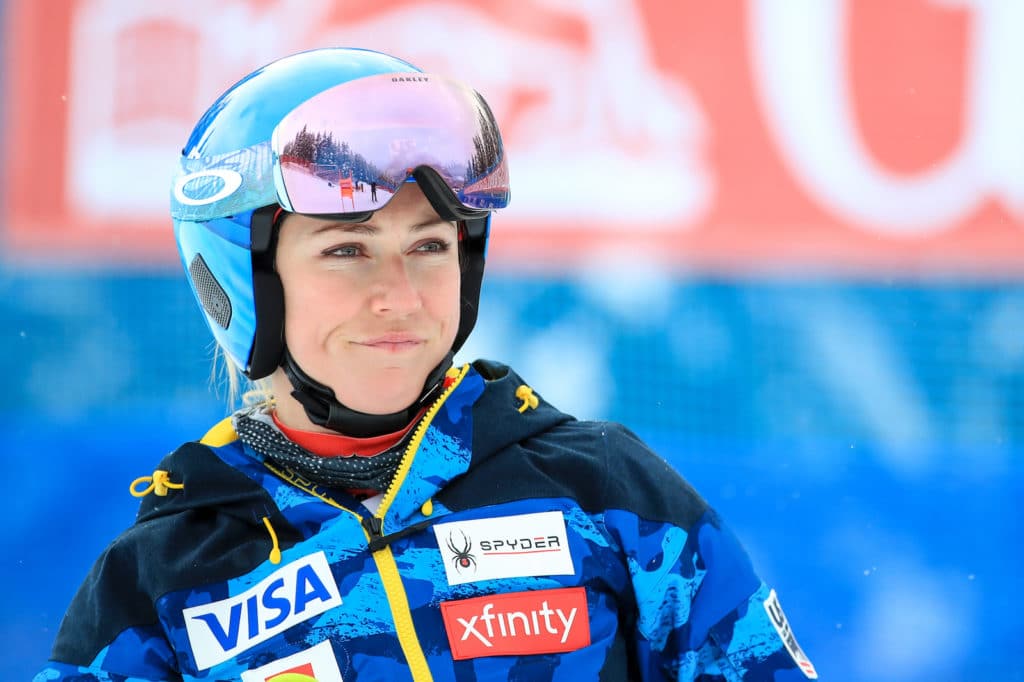
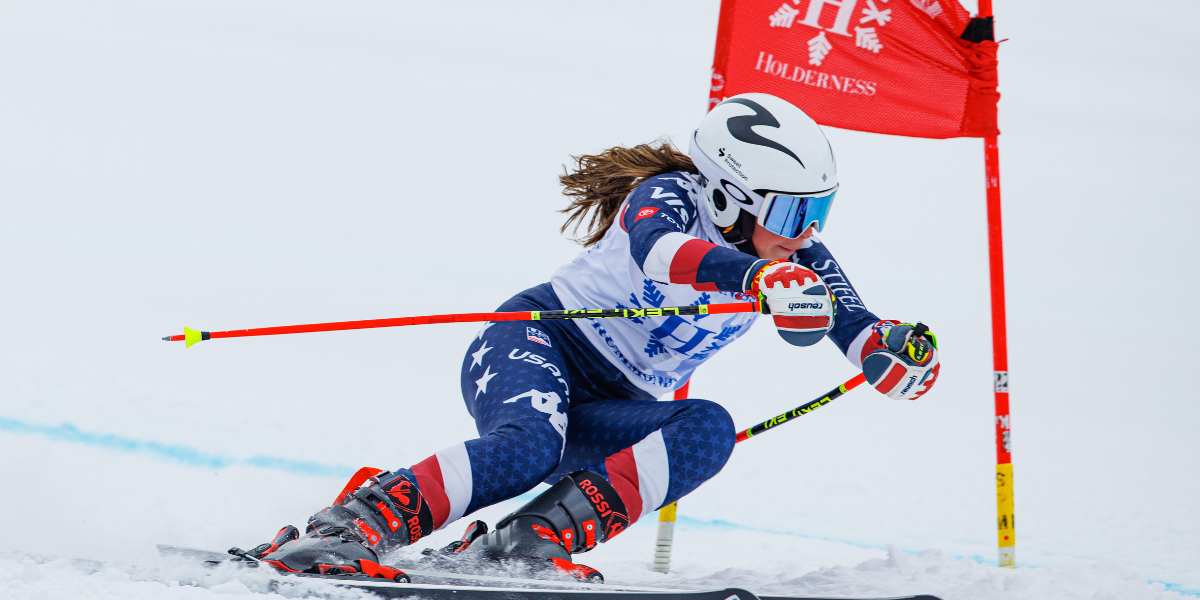
Mikaela Shiffrin finished 12th among those who made all the gates, more than respectable debut given she had only one day of downhill training this fall because of her back issues. Reading a bit between the lines, Jackie Wiles spent the first minute skiing as fast as anyone before getting derailed by the deteriorated course and winding up 54th.
In the end, it was a first training run you can’t read too much into. But it might also be the last. Another 16 inches are expected over the next 36 hours, but the temperatures are forecasted to drop and the snow to stop when racing begins on Friday.
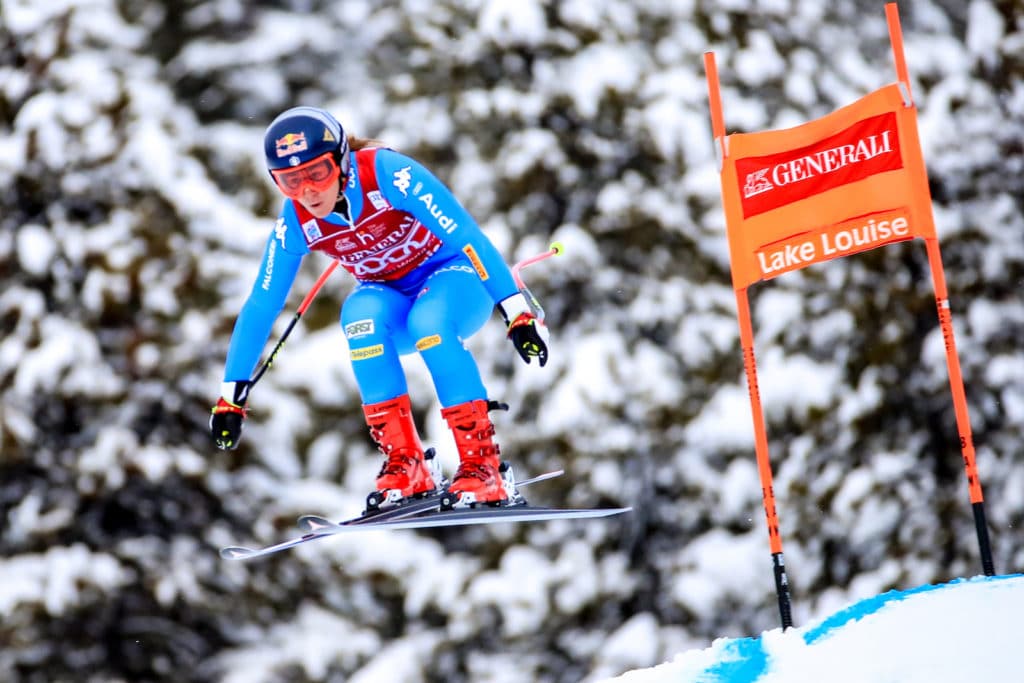
It has the makings of a character test, where courage is likely to be the deciding factor. Johnson and Haelen already showed it and have in the past. Italy’s Sophia Goggia, who posted the fastest time but missed gates, knows no other way to ski, other than at her limit.
The same could be said of late of Lara Gut-Behrami, but when she has been good in Lake Louise conditions were hard, if not icy. Soft can steal her technical thunder, a bit like her teammate, Corinne Suter, who finished third and second respectively in the 2021 downhill standings behind Goggia.
If it’s downright dangerous, I would not expect Mikaela Shiffrin to put her season on the line, but rather treat this like the necessary speed miles she needs before arriving in Beijing. If it’s sunny and firm, that’s another story but one that would defy Murphy’s Law, which is ruling over the early season.
About the Author: Steve Porino