Noa Szőllős/ GEPA Pictures
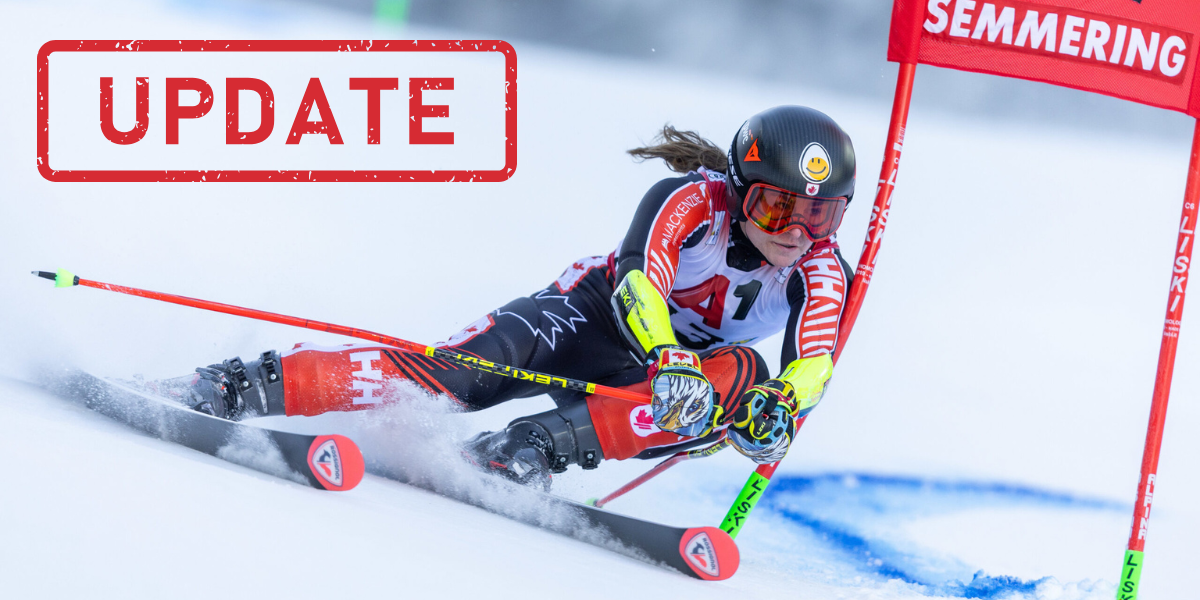
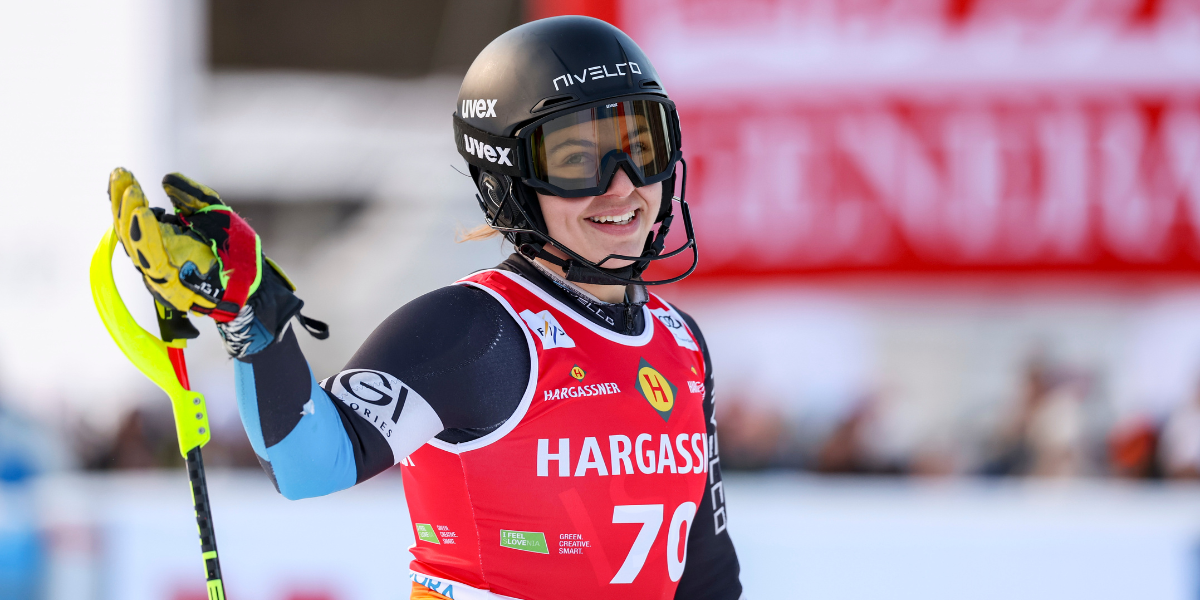
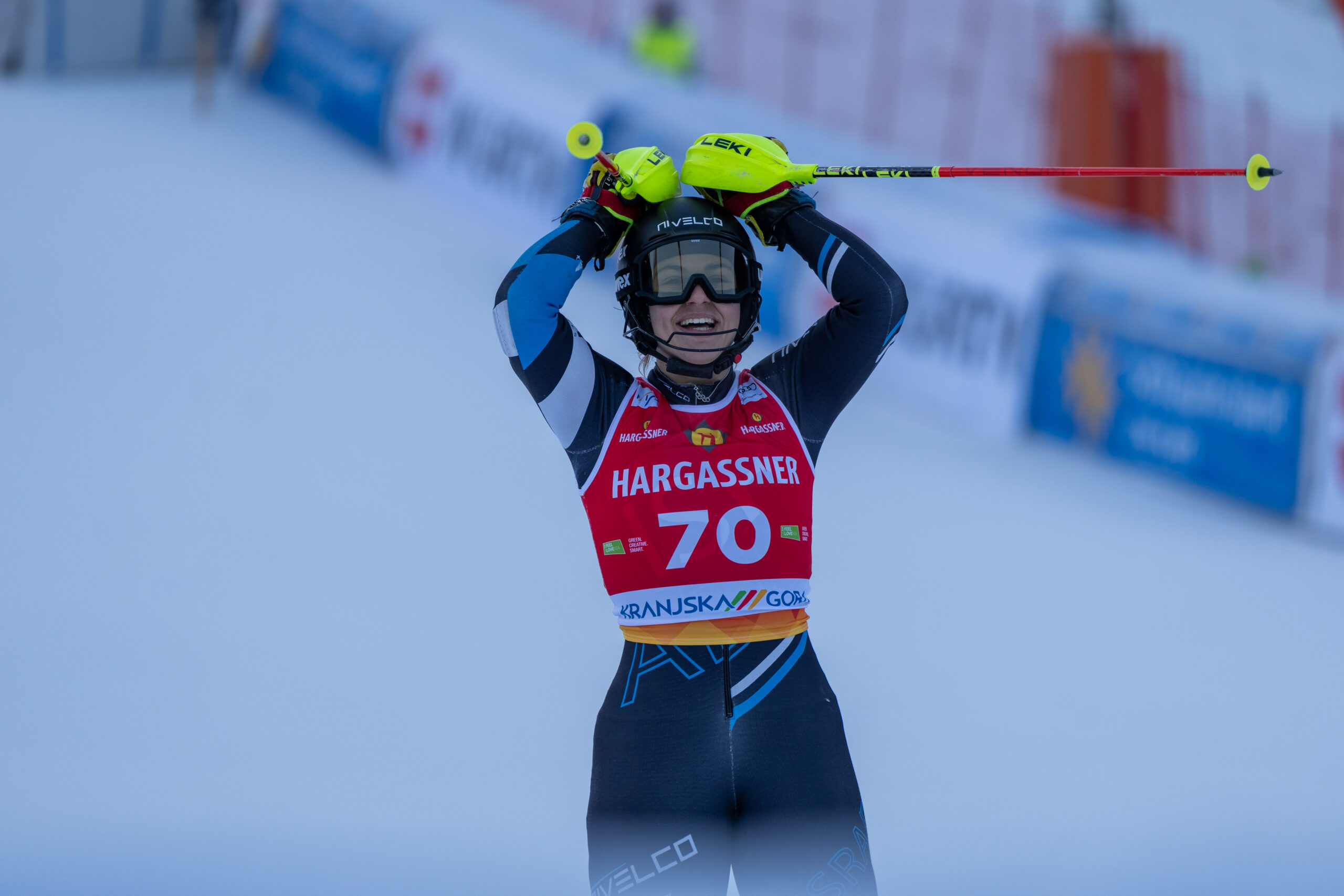
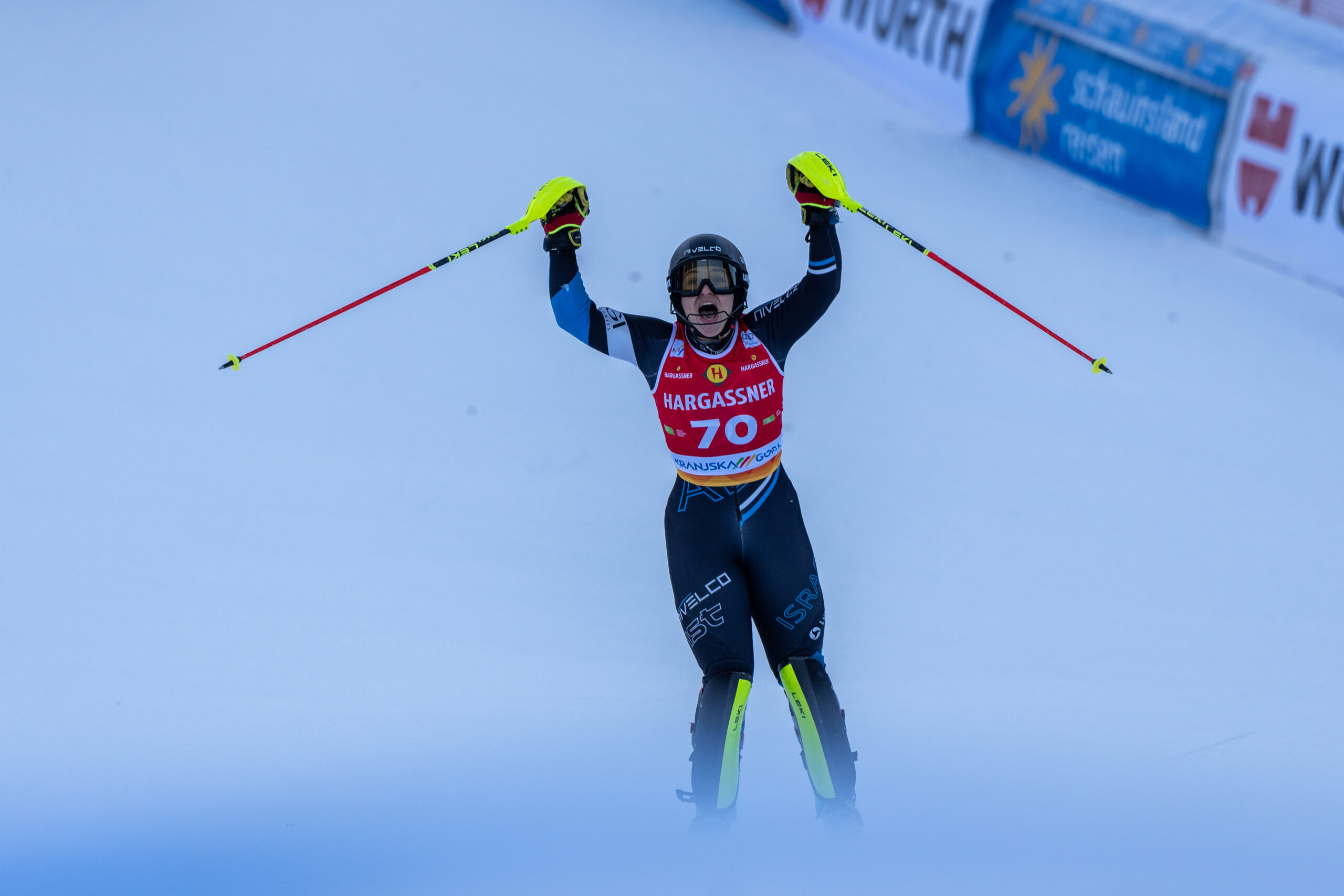
When Noa Szőllős skied into the World Cup top 30 for the first time in Kranjska Gora, Slovenia, history was made for Israeli alpine skiing. But for the 21-year-old slalom specialist, the result was less about a single breakthrough moment and more about confirmation, that she belongs, that the work is paying off, and that the upward trajectory she has been chasing for years is finally materializing.
“It was a great day,” Szőllős said. “I had a really good feeling coming into it — training had been good over Christmas and New Year, and everything just worked out.”
That day came on one of the most technical and demanding slalom tracks on the circuit, where execution matters just as much as confidence. Szőllős thrived in the conditions. “I really liked the course. It was more straight, rhythmical — similar to what my coach sets in training. A lot of people didn’t finish, but everything just went my way. I had so much fun skiing the first run.”
Then reality hit.
“The moment it set in that I was in the top 30, I thought, ‘Oh no — now I have to do the second run.’ I was a nervous wreck.”
Still, she delivered and in doing so became the first Israeli woman to score World Cup points in alpine skiing.
A Global Upbringing Rooted in Ski Racing
Szőllős’ story doesn’t follow a traditional ski racing pathway. Born in Hungary, she moved to Austria as a toddler, where her family committed fully to the sport. Her father, a former skier himself, made a deliberate choice early on.
“He wasn’t very successful, but he loved skiing. When he had kids, he decided to put everything into giving us the best chance to become skiers.”
That commitment led to a unique upbringing, with school years split between Hungary and Austria, attendance at a ski high school in Waidhofen an der Ybbs, and a childhood immersed in alpine culture. Szőllős speaks Hungarian, German, and English fluently and has been working to learn Hebrew, which she admits has been one of her biggest linguistic challenges.
Her two brothers also raced competitively, creating an intensely competitive household. “We fought about everything growing up — turning everything into a race. It definitely made me stubborn, but it helped more than it hurt.”
Representing Israel on the World Cup Stage
Though Szőllős grew up and trained in Austria, she races for Israel, a connection that comes through her father’s side of the family. “As Jews, we were able to apply for citizenship. My dad already had it through sport, which made the process much faster for us.”
Racing without a traditional ski federation presents challenges, but also a sense of independence. Funding comes largely from the family’s industrial equipment company, supplemented by Olympic scholarships and sponsorship support leading into the Games. “It’s definitely not easy, but we’re in a very privileged position to be able to do this.”
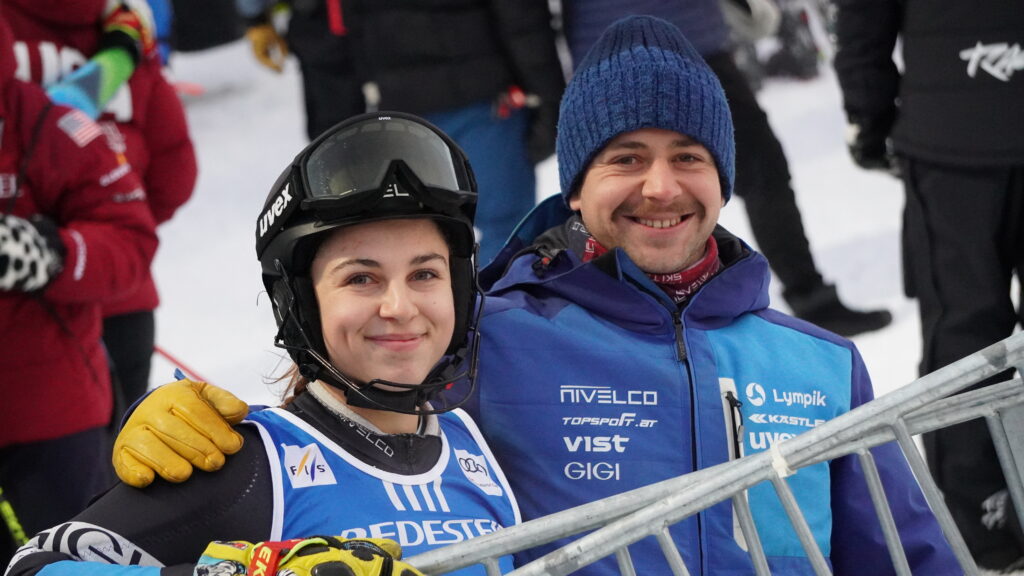
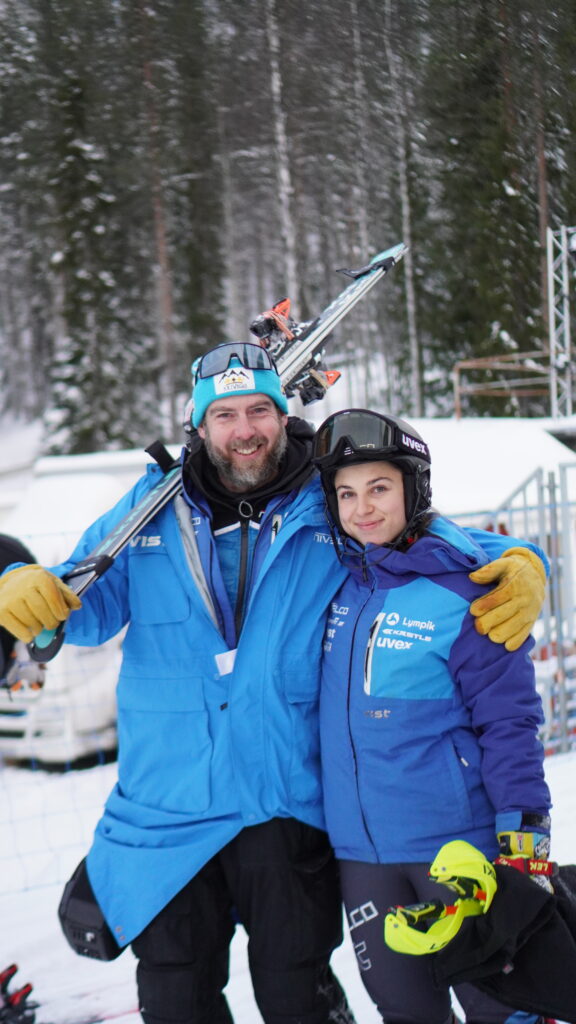
Her team is intentionally small, just one coach, Michael Stocker, who also serves as technician, strength coach, and program designer.
“He does everything,” Szőllős said with a laugh. “But hopefully with more World Cup points, I can bring in a tech from Kästle.”
A Long Road Back — and a Mental Reset
Szőllős’ breakthrough didn’t come without setbacks. Last season was particularly difficult, marked by inconsistency and mounting frustration.
“Nothing was working. It was super depressing.” The solution wasn’t more skiing, it was stepping away. “I didn’t think about skiing for a few months. That really helped bring the love back.”
She also began working with a sports psychologist, reframing her relationship with pressure and performance.
“No matter how physically strong you are, it’s still a mental game. I’ve always been fast in training — racing is where you have to put it together.”
That mental shift, combined with renewed confidence, has translated into results this season across the Europa Cup and World Cup starts.
Kästle, Cats, and Confidence
Szőllős has been with Kästle since 2020, joining during the brand’s rebuilding phase. The partnership has been anything but simple. Kästle has been there every step of the way in supporting her and the process.
“I tested over 40 pairs of GS skis in the first two years,” she said. “It was a long process — skis, boots, everything.”
Now, she’s confident in her setup and in herself.
Her World Cup points also unlocked a long-standing family wager: she’s officially allowed to get a cat.
“My dad hates cats,” she laughed. “But the deal was if I scored World Cup points, I could get one. So now… I’m finally getting a cat.”
Eyes on the Olympics — and Beyond
With Europa Cup racing now the priority and Olympic qualification firmly in sight, Szőllős is realistic but optimistic about what lies ahead. “This time, I just want to enjoy the Olympics. Last time I was so nervous I couldn’t perform. If I ski free and have fun, good things can happen.”
Long-term, her ambitions are clear. “As long as I can keep the upward trajectory, I’ll keep pushing. I’m not done yet.”
Given her recent form and the confidence now evident both on and off the hill, that trajectory is unmistakably pointed upward.
About the Author: Katie Twible