Schadming GS podium, GEPA pictures/Harald Steiner
Marco Odermatt delivers another miracle by rebounding from his 11th fastest first run and (+0.98) deficit to win his fifth World Cup GS of the season. While the 40,000+ spectators were cheering for the first-run leader Manuel Feller to deliver an Austrian victory, he could only manage second, falling short by only (+0.05). Odermatt executed the fastest second run and earned another victory.
“I didn’t try to do something very special; I knew I had to stay on the line, always push,” Odermatt said, commenting on his second run. “The snow was difficult today; the tactic was not to go full, full, full attack. You really had to ski it clean, and I managed this.”
It was apparent how much an Austrian victory would mean to the host country when the TV feed revealed Feller’s head coach reviewing race run video, no doubt Odermatt’s, with Feller at the start shortly before his run.
“The first look at the timing wasn’t that satisfying, but the second look was like, ‘OK, it’s a second place,'” said Feller. “He is the best GS skier in the world over the last years, so even if it’s five-hundredths of a second, I can take it,” Feller conceded.
It has been said repeatedly over the last two seasons, but the ski racing community is witnessing the skills of one history’s very best.
Odermatt said, “I hoped for it today but didn’t really believe it after the first run, but that’s sport.”
Click on images to enlarge

Slovenia’s Zan Kranjec earned the third step of the podium. Kranjec had a (-0.44) advantage over Odermatt at the start and held an advantage through the final split only to end the race (+0.29) behind the undefeated 2024 season’s GS leader.
“For sure, I always go for the victory, but in the end, I’m happy with third place, especially after Adelboden, which was not a good race for me,” Kranjec said.
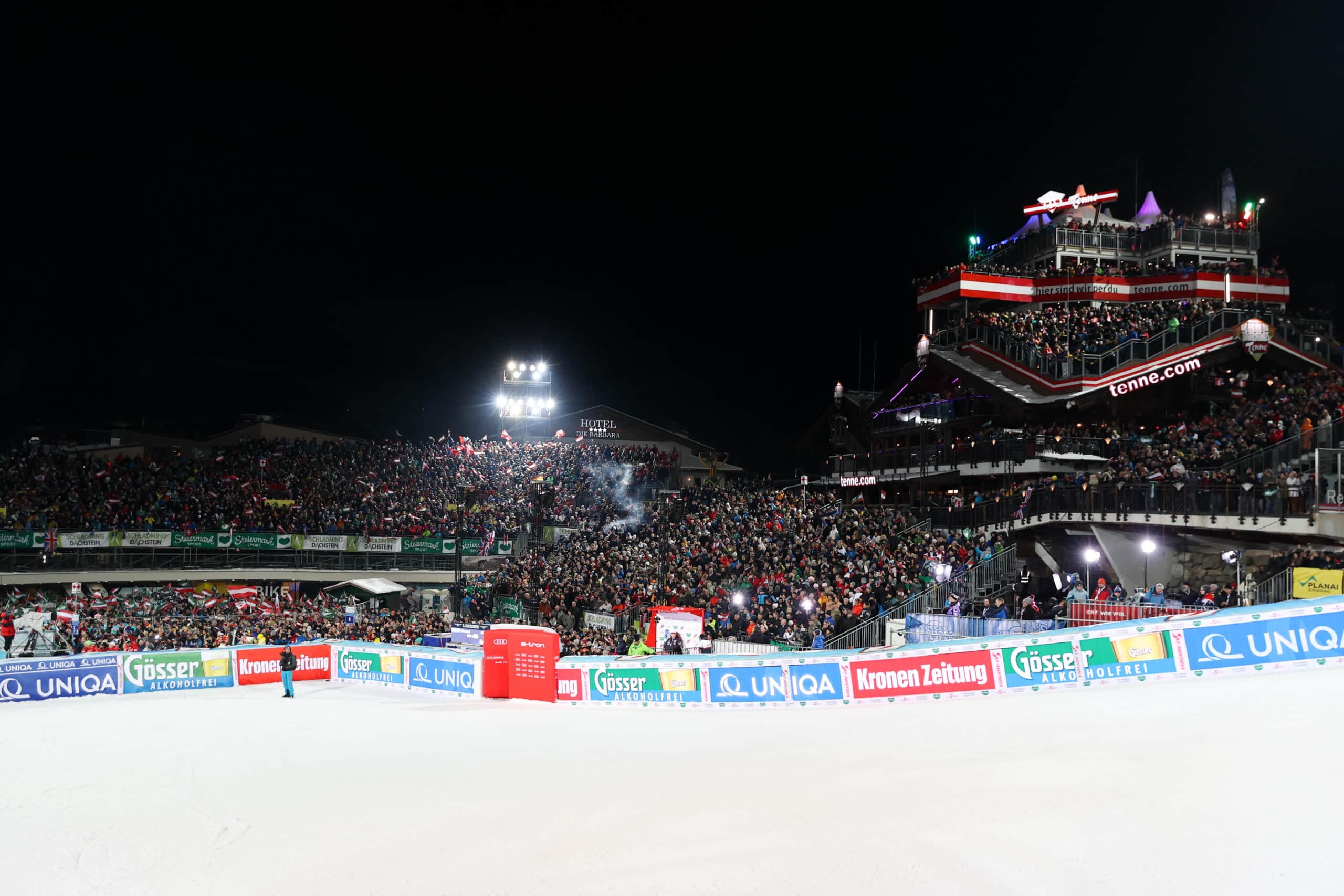
With the ten fastest first-run skiers yet to ski, Odermatt assumed the lead. Odermatt had been determined to right the ship after a disappointing first run. At the time, he had a significant advantage and overcame one challenger after another. With just first-run leader Manuel Feller left to ski, he possessed the lead and a spot on the podium. However, even with the energy of 40,000 plus fans willing him to win, Feller fell (+0.05) short of victory.
The lead changed constantly during the first few racers to ski the final run. Things temporarily stabilized when Italian Alex Vinatzer crossed with a (0.59) advantage. He was the sixth racer to ski and could hold the lead for the following four athletes. However, Vinatzer gained seven positions due to his second run efforts and finished 18th (+2.15).
Eventually, it was Norwegian star Atle Lie McGrath who was able to beat Vinatzer’s combined time; notably, McGrath earned a GS podium in 2020. However, then the lead began frequently changing again. Nobody seemed able to deliver a run to vault them up the leaderboard.
The next racer to execute a run that would withstand the threat of the following racers was Andorra’s Joan Verdu. Verdu earned his country’s first podium in the December World Cup GS in Val d’Isère. He held the lead for the following six racers. Delivering the 2nd fastest final run, the Andorran racer impressively gained 11 positions and finished the race 7th (+0.82). The world’s best, Marco Odermatt, displaced him from the leader’s chair. The spectators went wild while they witnessed Odrmatt’s comeback.
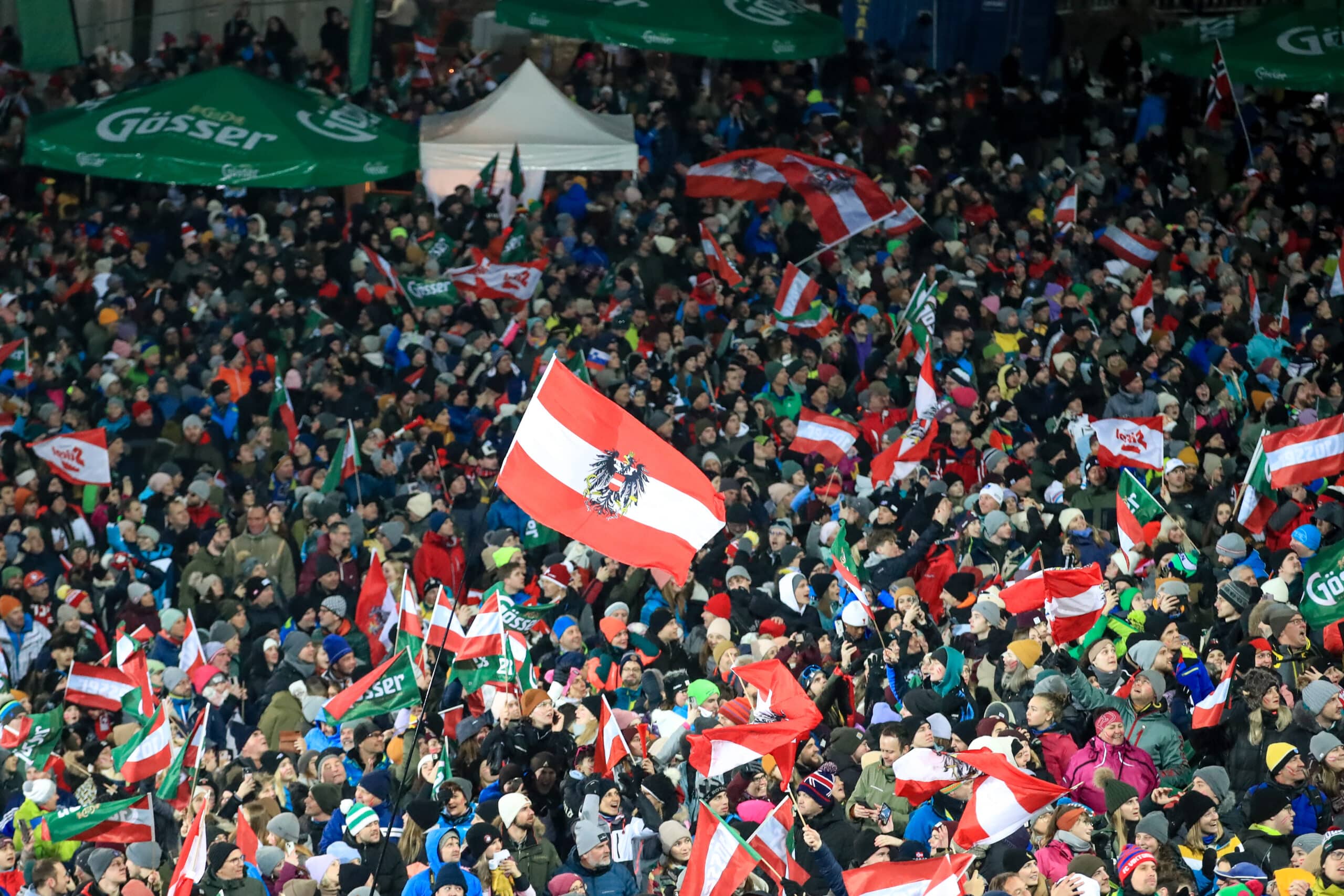
The Schladming party continued feverishly between runs, and the crowd returned for the finale even more enthusiastically. The loud volume of the crowd could undoubtedly be heard for kilometers in every direction. However, that volume doubled or tripled whenever an Austrian was on course.
North American looking forward to Bansko
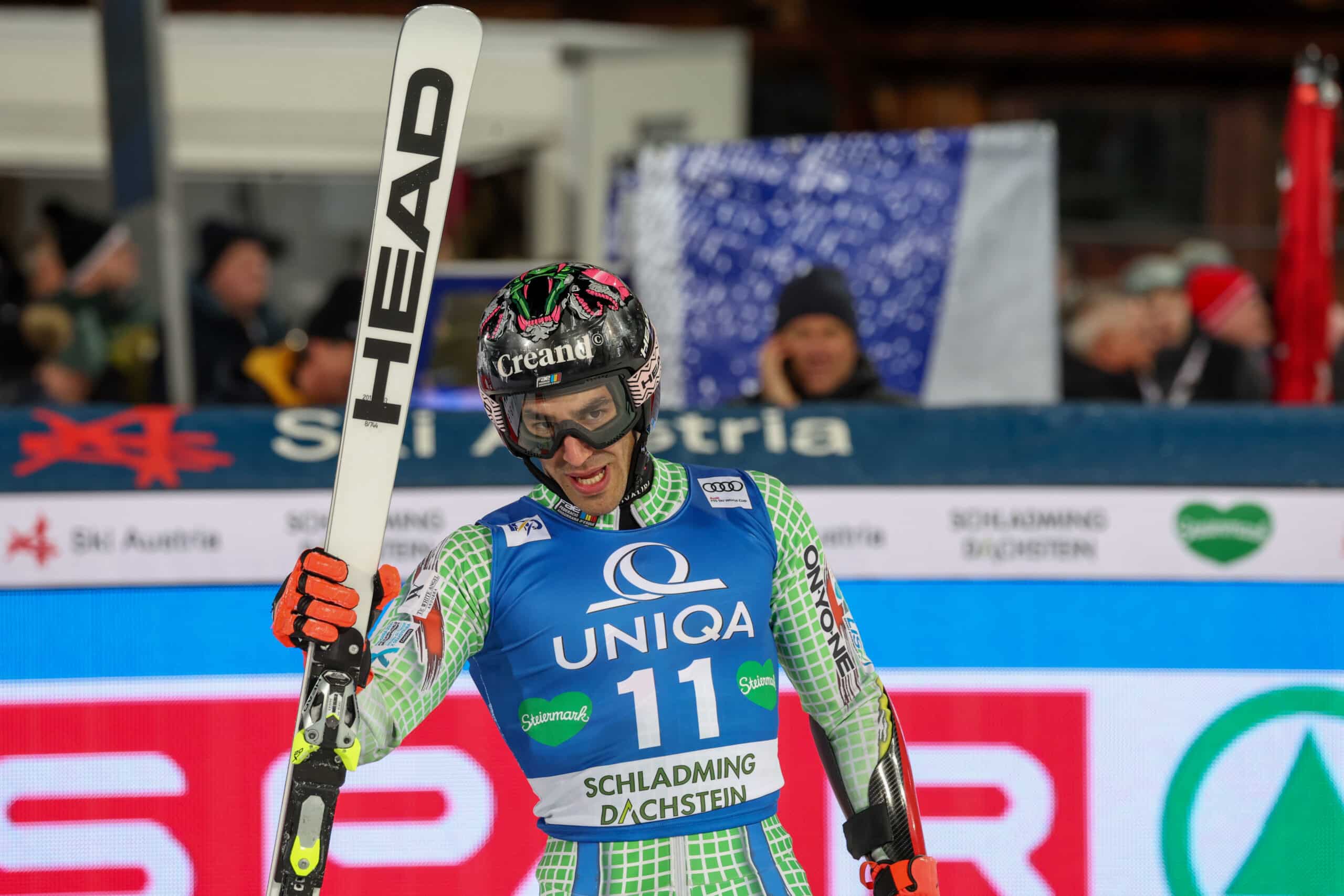
The first North American to ski the second course was veteran Canadian Erik Read. It appeared that Read was fighting his equipment, unable to make the ski arc cleanly. Read will search for solutions before the February 10th GS in Bansko, Bulgaria. He finished the evening in 28th place (+5.59). There were 28 finishers. While scoring World Cup points is notable, Read must catch up to his previous seasons’ level.
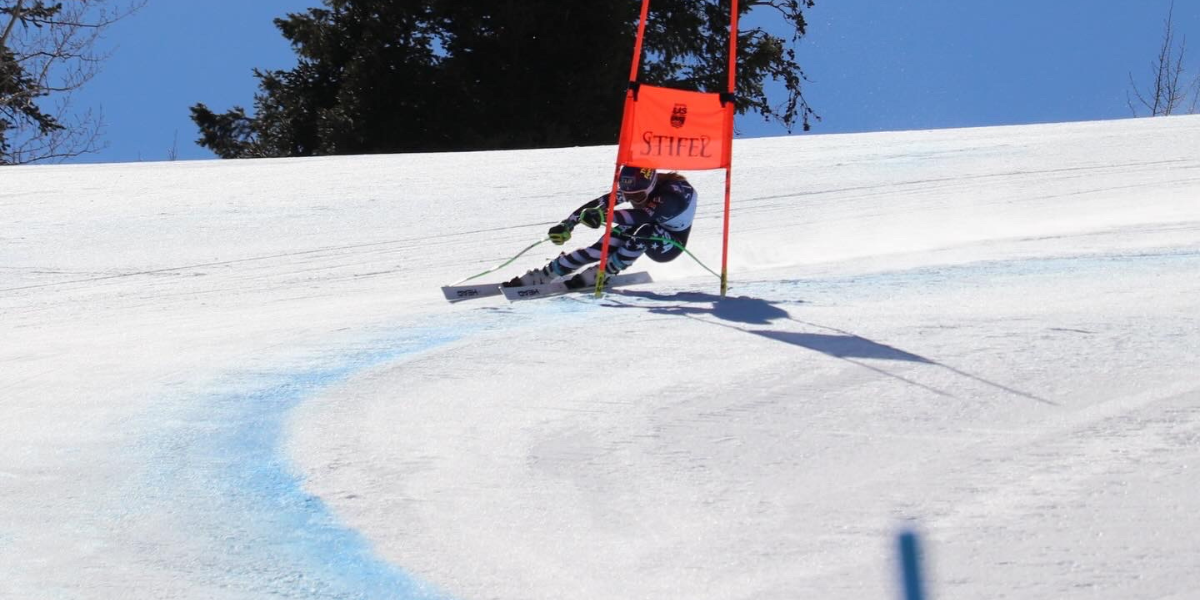
The next North American to attack the Planai was the last North American to have won a World Cup GS, Stifel US Ski Team’s Tommy Ford. Ford could also not take advantage of his early start number and crossed the finish line without finding the course’s speed. Ford ended the evening in 26th place (+3.57).
The final North American to race the second Planai GS course was Stifel US Ski Team’s River Radamus. Twelfth, after the first run, the talented Radamus had difficulty seeing the timing and executing his line during the finale. He tumbled down the ranks to 23rd place (+2.86).
There is plenty of time for the North American GS skiers to improve their performance before the next GS in Bansko, Bulgaria, on February 10th.
Fifteen nations had athletes qualify for the second run of the Schladming Planai night GS. Twenty-eight racers completed their runs.
On a night filled with anticipation and nail-biting moments, Marco Odermatt showcased the resilience and skill that defines a true champion. The deafening cheers of over 40,000 fans echoed through the slopes of Schladming as Odermatt defied the odds, turning an 11th-fastest first run into a spectacular victory. The atmosphere was electric, capturing the essence of alpine ski racing in Austria. As the World Cup circuit continues, Odermatt’s triumph in Schladming will undoubtedly be etched in ski racing history.
Schladming night GS results and analysis of the fastest three and North Americans
Click on images to enlarge.

Analysis of the fastest three and North Americans


About the Author: Peter Lange