This article is part of the Rowmark Science Corner, a continuing series that explores evidence-based training principles, performance science, and long-term athlete development in alpine ski racing.
Introduction
Strength and power play a central role in the physiological development and performance of alpine skiers. Coaches and sport scientists have long sought to understand how to best develop explosive performance in alpine athletes. Research consistently shows that maximal strength alone does not determine success; rather, performance depends on an athlete’s ability to convert strength into sport-specific explosive output.
Alpine skiing is a highly complex and technically demanding skill sport. Many elite skiers display exceptional levels of muscular power, speed, and explosiveness. When technical skill and other performance factors are equal, athletes with greater power output demonstrate a superior ability to rapidly generate, absorb, and redirect force. This capacity allows skiers to adapt more effectively to changing physical demands, including variations in terrain, speed and pressure, while maintaining precise muscular control.
As a result, the development of explosive muscular output is widely recognized as a key performance factor in alpine skiing. Olympic weightlifting—alongside plyometric and sprint training—has emerged as an effective methodology for power development. Compared to traditional plyometric or sprint-based training, Olympic weightlifting emphasizes the force-dominant region of the force-velocity curve to a greater extent.
Click Images to enlarge
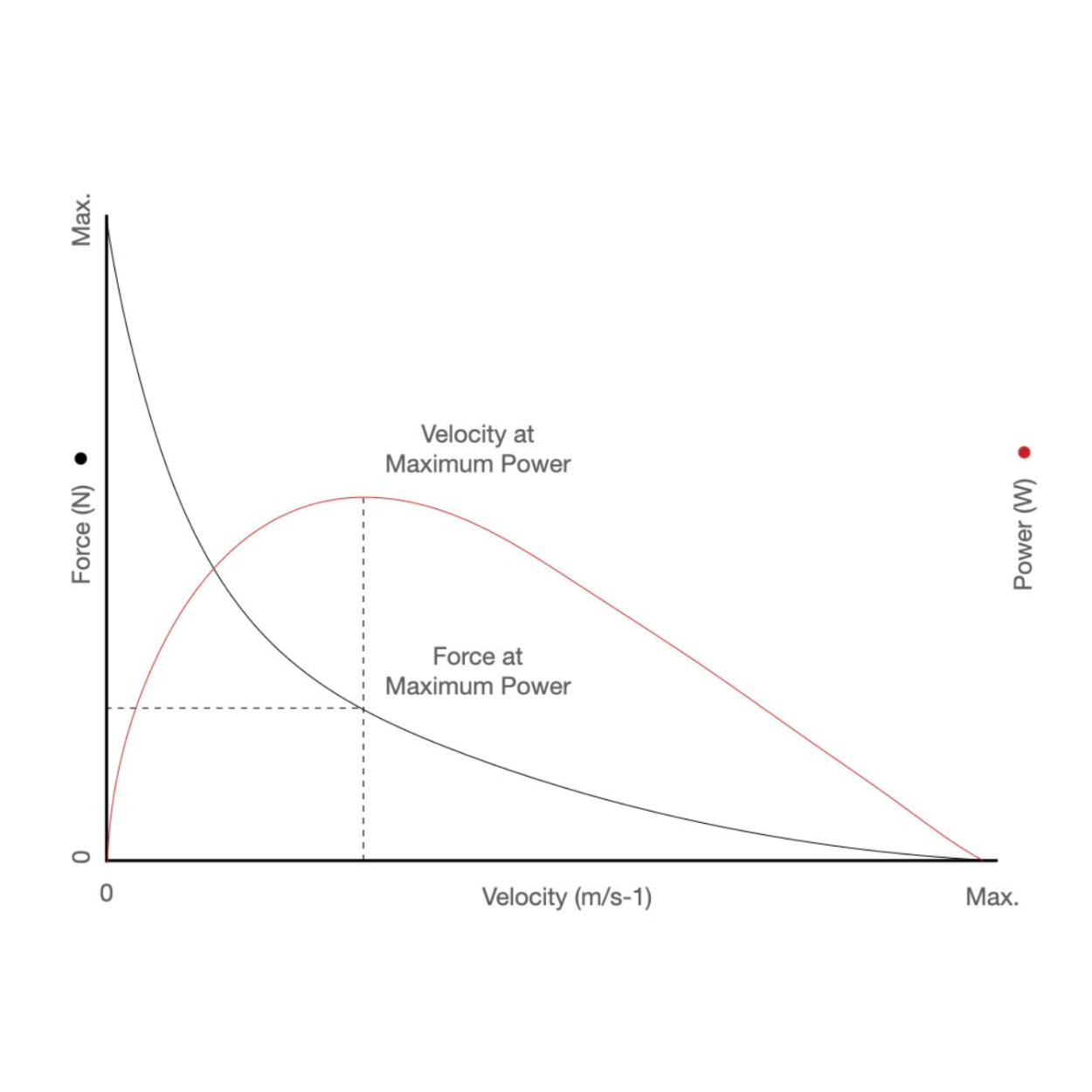
Beyond its power-producing potential, Olympic weightlifting involves a high degree of coordinative complexity and demands precise timing and sequencing of force application. Many elite alpine racers report that the principles learned through Olympic lifting—particularly the sensation of correct force application and timing—transfer directly to other athletic movements.
When explosive movements are executed with optimal timing and coordination, athletes often describe a sensation of flow, ease and efficiency. Similar sensations are frequently reported in alpine skiing, where effective timing and energy application within a turn can make skiing feel effortless.
A defining feature of high-level athletic performance is the ability to sense when force should be rapidly applied, absorbed, or minimized. Olympic weightlifting strongly develops this awareness by encouraging athletes to connect movement mechanics, physical forces, and neuromuscular drive. Refining this connection may play a pivotal role in optimizing alpine ski performance by enhancing precision, timing, and efficiency in explosive movements.
Olympic Weightlifting Progressions
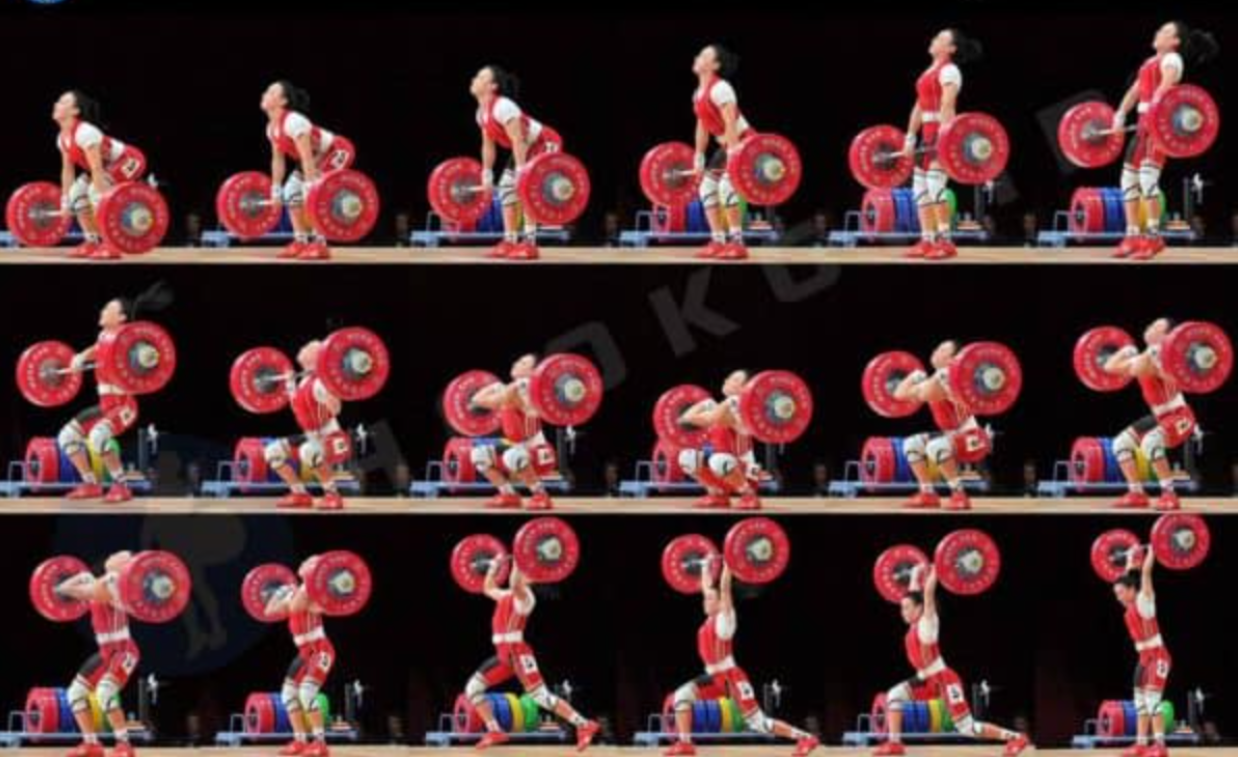
Olympic weightlifting (snatch, clean, and jerk) is an excellent training modality for young alpine ski racers when introduced progressively and appropriately. These lifts develop explosive power, full-body strength, coordination, balance, and speed—all qualities essential for generating force through turns, absorbing terrain, and reacting efficiently on snow.
When taught with proper technique and intelligent progressions, Olympic lifting supports the specific demands of alpine skiing while enhancing overall athleticism. The emphasis must always remain on movement quality and motor control before load is increased. Early exposure to Olympic lifting patterns allows athletes to become precise, efficient movers long before maximal strength or power development is required.
The greatest benefit of Olympic weightlifting lies in its potential to develop strength, speed, and power simultaneously. While general strength training builds a foundation, few methods develop rate of force production and dynamic power as effectively as the Olympic lifts. Improvements in jumping ability, coordination, flexibility, and force development commonly observed in weightlifters transfer directly to alpine skiing and many other sports.
Olympic lifting progressions can and should be introduced to younger athletes when applied intelligently. Technique-focused training at an early age allows athletes to develop accurate motor patterns and dynamic force application. This prepares them for greater power adaptations during their early and mid-teen years, when responsiveness to speed and power training is highest. Athletes who develop these skills early often demonstrate more natural, efficient power profiles later in their athletic careers.
Olympic Lifting Progressions by Stage
Stage 1: Movement Foundations (Approx. Ages 8–11)
Goal: Coordination, mobility, and movement awareness
Load: PVC pipe, dowel, body weight
- Air squat and goblet squat
- Hip hinge patterns
- PVC overhead squat
- PVC muscle snatch and muscle clean
- Jump-and-stick mechanics and medicine-ball throws
Focus: Balance, posture, trunk control, and confident movement
Stage 2: Introduction to Olympic Positions (Approx. Ages 11–13)
Goal: Learn barbell positions and pulling mechanics
Load: Empty bar to very light loads
- Hang power clean and hang power snatch (above the knee)
- Front squat and overhead squat
- Push press
- Clean and snatch pulls from the hang
Focus: Bar path, speed under the bar, and stable receiving positions
Stage 3: Power Emphasis (Approx. Ages 13–15)
Goal: Develop explosive power while maintaining technical precision
Load: Light to moderate loads with fast bar speed
- Power clean and power snatch
- Push jerk and introductory split jerk
- Front squat
- Clean and snatch pulls
Focus: Rate of force development, speed, and consistency
Stage 4: Full Olympic Lifts (Approx. Ages 15–17)
Goal: Convert strength into sport-specific power
Load: Moderate to heavier loads only when the technique is consistent
- Full clean, snatch, and clean & jerk
- Complexes (e.g., pull + clean + front squat)
- Supporting lifts such as front squat, RDLs, and single-leg strength work
Focus: Timing, rhythm, and aggressive yet controlled execution
Key Coaching Considerations
- Technique always precedes load
- Progress from simple to complex movements
- Emphasize speed and intent rather than maximal weight
- Keep volume low and movement quality high
- Olympic lifts should support skiing, not replace other training modalities
When implemented correctly, Olympic lifting enhances force production, dynamic balance, and movement efficiency while reinforcing athletic posture and coordination. This approach provides alpine athletes with a robust foundation for long-term performance and durability.
Key Benefits for Alpine Skiing
Power output correlates strongly with alpine skiing performance, with research reporting correlations of R = 0.6–0.7. This relationship has driven growing interest in how and when to optimally develop power while balancing progression and injury risk.
Explosive power and strength are particularly important in alpine skiing—especially in technical disciplines—where athletes must apply high forces at very high speeds under irregular and rapidly changing mechanical conditions.
Explosive Power & Strength
- Enhances rate of force development (RFD), supporting powerful turns, terrain absorption, and jumping performance
- Improves rapid force application (force X velocity), contributing to higher skiing speeds
- Promotes precise force application and faster muscular relaxation during absorption phases
Full-Body Coordination
- Improves whole-body motor unit recruitment
- Enhances integrated movement patterns required for complex skiing tasks
Sport-Specific Strength
Complements the unilateral strength demands inherent to alpine skiing
Develops lower-body and trunk strength essential for stability, force transmission, and power production
Olympic Lifting and Program Integration
Olympic lifting and its progressions should be intelligently interwoven into broader strength and power training for young alpine skiers, rather than treated as a standalone system. Progressions must begin with light loads and intentionally simple movement tasks, with an emphasis on sound movement patterns, mobility, and positional strength. Foundational exercises such as overhead squats, push presses from the bottom of the squat position, light back squat–to–push press variations, bus driver squats, light front squats with raised heels, and light front squats performed in a Smith machine provide a controlled, low-risk entry point for developing technical proficiency, body awareness, and positional control before advancing to more complex Olympic lifting movements.
How to Introduce Olympic Lifts to Youth Athletes
Introducing Olympic lifts to youth athletes can be both effective and engaging when approached with appropriate progression, close supervision, and thoughtful coaching. The initial stages of Olympic lifting offer a wide range of fun, versatile, and low-load exercises that can be seamlessly integrated into broader athletic development programs, particularly for alpine ski racers and multi-sport athletes.
1. Start With Light Loads and Simple Tools
Early Olympic lifting instruction should prioritize light loads and simple tools such as dowels, PVC pipes, or empty barbells. These implements allow young athletes to:
- Learn correct movement patterns
- Explore coordination and timing
- Build confidence without unnecessary risk
Using simple implements also provides coaches with flexibility to create movement sequences and variations that are technically challenging yet engaging for young athletes.
2. Combine Mobility and Lifting
Olympic lifting progressions offer an ideal opportunity to integrate mobility and strength development within the same training session. Key priorities include:
- Emphasizing full squat depth and joint range of motion
- Using overhead squats with a dowel to develop shoulder, hip, and ankle mobility
- Including push press variations from the bottom of the squat to reinforce posture and effective force transfer
Together, these movements establish a strong foundation for long-term athletic development.
3. Integrate Olympic Movements Into Warm-Ups
Early Olympic lift training does not need to dominate a training session. Instead, it can be:
- Integrated into warm-up routines
- Included as short technical segments within general conditioning sessions
A typical session may begin with a general warm-up, followed by Olympic movement drills, before transitioning into traditional strength work.
4. Training Frequency Guidelines
As youth athletes begin Olympic lifting, training frequency should reflect overall load and recovery demands:
- 2 sessions per week during medium-load weeks
- 3 sessions per week during higher-load weeks
- 1 session per week during low-intensity or recovery weeks
This flexible structure supports adaptation while minimizing unnecessary fatigue.
5. Session Structure
Early-phase sessions should dedicate sufficient time to technical mastery:
- Approximately 30 minutes focused on Olympic lift technique
- Followed by traditional strength exercises
Sessions may alternate emphasis:
- Day 1: snatch progressions and overhead-based movements (speed-strength)
- Day 2: clean & jerk progressions emphasizing fast pulling and pushing actions (power)
6. Emphasize Lower-Body and Trunk Strength
Across all sessions, coaches should consistently prioritize:
- Lower-body strength development
- Trunk and postural control
- A balanced mix of bilateral and unilateral exercises
These elements support both lifting mechanics and on-snow performance.
7. Coaching, Supervision, and Safety
Effective coaching and supervision are non-negotiable when introducing Olympic lifts to youth athletes:
- Close supervision ensures correct movement patterns
- Ongoing technical feedback reduces injury risk
- Progressions should never be rushed
Technique must always take priority over load.
8. Footwear Considerations
- Standard training shoes are acceptable for beginners if they provide adequate stability
- Olympic lifting shoes may be introduced later to:
- Improve sensory feedback and positioning
- Enhance squat depth and balance
- Accelerate technical development
9. Key Coaching Principles
Fundamentals First
- Master bodyweight squats, hinges, and basic mobility
- Use dowels or sticks before introducing external load
Gradual Progression
- Progress from dowels → empty bars → blocks → light weights
- Use blocks to isolate and teach specific pull phases
Technique Over Load
- Break lifts into clear phases (pull, catch, stand)
- Reinforce consistency, control, and movement quality
Common Lifts and Variations
- Introduce the snatch to develop speed-strength
- Introduce the clean & jerk to develop power
- Select variations based on the athlete’s readiness
Grip Development
- Introduce the hook (thumb-lock) grip early
- Early exposure normalizes the grip and supports long-term technical proficiency
Motor Unit Recruitment in Olympic Weightlifting
In alpine skiing—particularly during athlete development—the ability to produce force rapidly, in varied sequencing, and while recruiting motor units at a high rate is essential to meet the demands of contemporary ski racing. Olympic weightlifting strongly emphasizes rapid, near-maximal motor unit recruitment, especially of high-threshold (Type II) motor units, making it a highly relevant training modality for this purpose.
Olympic lifts require high levels of force production within very short time constraints. In accordance with Henneman’s Size Principle, motor units are recruited from low to high threshold as force demands increase; however, the combined demands of high load and high velocity in movements such as the snatch and clean accelerate this process, resulting in rapid progression through smaller motor units and early recruitment of larger, high-threshold motor units. These Type II fibers are critical for explosive power and rate of force development, qualities that are central to alpine ski performance.
Beyond recruitment, Olympic lifting enhances rate coding—the firing frequency of recruited motor units—allowing greater force to be expressed in less time. Repeated exposure to heavy, fast lifting improves central nervous system efficiency, neuromuscular coordination, and the ability to activate available muscle fibers rapidly and synchronously. This leads to improved neuromuscular efficiency and higher peak force expression.
Through consistent, technically precise training, Olympic lifts push the neuromuscular system to reach high activation thresholds, engaging motor units according to the all-or-none principle and maximizing muscle fiber recruitment. These adaptations prime both the nervous and muscular systems for the high-speed, high-force, and reactive demands characteristic of alpine ski racing.
Key Principles in Olympic Lifting
Henneman’s Size Principle: To lift heavy and fast—as required in Olympic lifts such as the snatch and clean—the nervous system recruits smaller motor units first, followed by progressively larger, higher-threshold units (Type IIA, then Type IIX) as force and power demands increase.
High-Threshold Motor Units (HTMUs): Olympic lifts are particularly effective at targeting these large, high-threshold motor units (Type II fibers), which generate high levels of force rapidly and are essential for explosive movements.
Rate Coding: Beyond recruiting additional motor units, the nervous system increases the firing frequency of active motor units (rate coding) to produce stronger and faster contractions—a neural quality strongly developed through heavy, fast Olympic lifting.
Conclusion
Strength and power training offer substantial performance benefits in alpine ski racing. Methods such as sprint training, plyometrics, and traditional strength exercises all contribute meaningfully to athletic development.
Olympic lifting, when taught appropriately, provides youth athletes with a highly efficient and effective method for developing power. These lifts closely replicate sport-specific force and velocity demands, allowing athletes to make significant gains in strength and power within a single movement.
While some argue that Olympic lifts are too technical for youth athletes, this concern diminishes once proper instruction and progression are applied. When mastered, Olympic lifts provide transferable skills that enhance on-slope performance, movement confidence, and long-term athletic development. Athletes exposed to Olympic lifting at an early age benefit from a superior training stimulus while gaining confidence in one of the most widely used strength-training methods in sport.
Explore more evidence-based insights on strength training, performance development, and applied sport science in alpine skiing in the Rowmark Science Corner series.
About the Author: Per Lundstam