It’s 5:15 am. It’s cold (around 42 degrees), still dark, and you can hear the rain battering the roof of your house or dorm room. You know you’ve got a challenging morning workout that will hurt…a lot. How much do you want to get out of bed in that moment? Well, I can probably guess.
This experience, quite common among the ski racers I work with, has caused me to consider their relationship with their ski-race training. Sure, a few ski racers love every moment of their physical conditioning, but for the rest, the focus is often on just getting through it.
How do you feel about the time, effort, energy, and, yes, pain you put into your ski-racing efforts? And how do you best get through those times when the temptation of a warm bed or some other enjoyable activity (or simply the desire to do something that won’t hurt) exerts a gravitational pull on your inertia (an object at rest will stay at rest unless a force is exerted on it) during those key moments when your motivation is being tested?
Essential Preseason Journey
The fall is coming, and if you’re serious about your ski racing, you’re hip-deep in an intense fall physical conditioning block. You’ve been at it all summer and there’s another few months of busting your butt before you get to do what you love, namely, get back on snow and arc some turns. Right now, you’re probably tired of feeling exhausted, in pain, and maybe even a little bored. I remember fall training at Burke Mountain Academy back in the day: cold early morning runs, afternoon bike rides in the rain, soreness from heaving lifting, and incredibly intense intervals up “Blueberry Hill” (so named for a classmate of mine who threw up at the top after a blueberry pancake breakfast!); not fun!
Yet, the physical conditioning you do and the fitness gains you make in the fall are essential for your success this coming winter. At some point in this fall prep period, you will probably reach a point in your physical training when you want to scream, “ENOUGH!”
The Grind
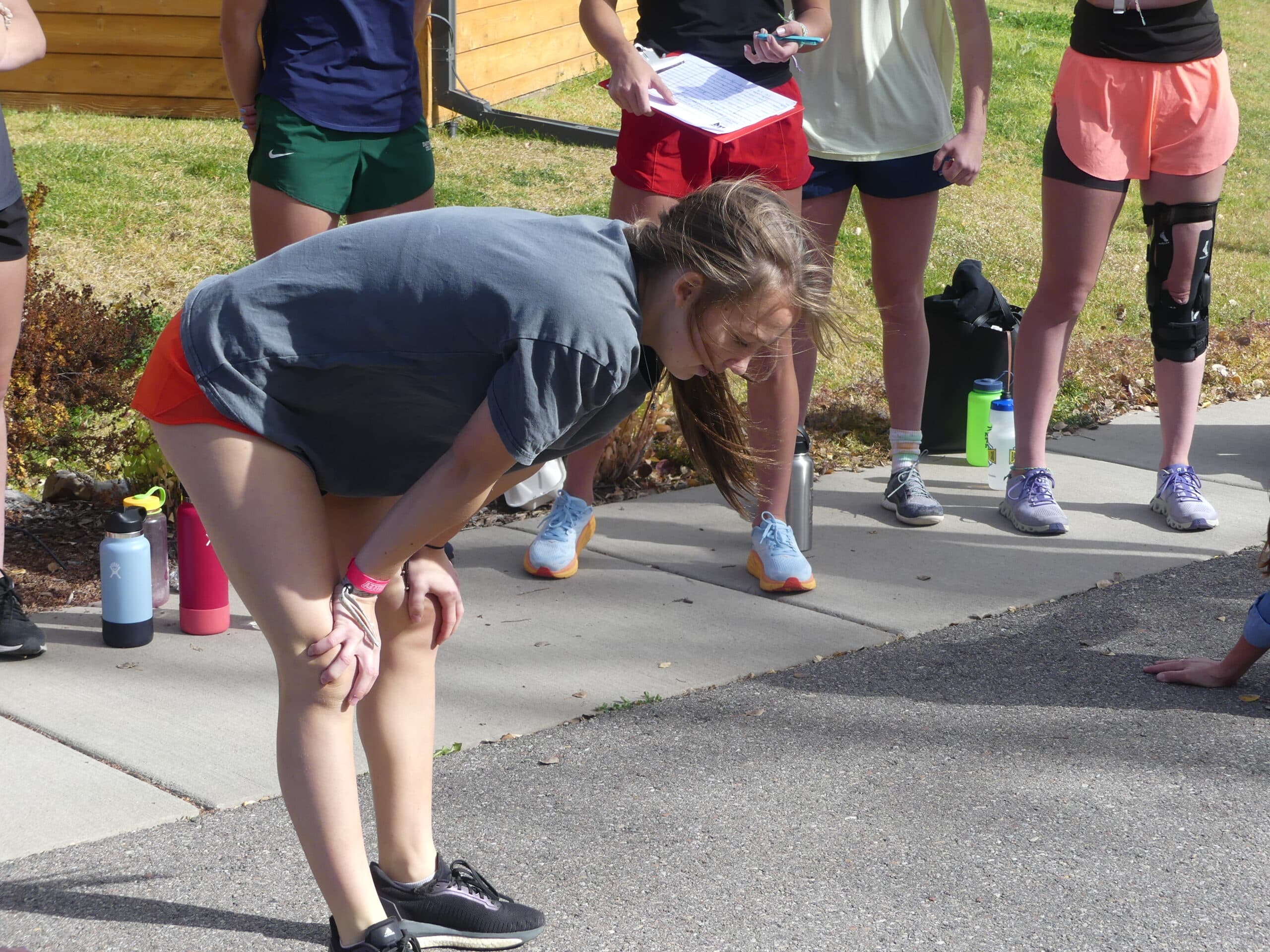
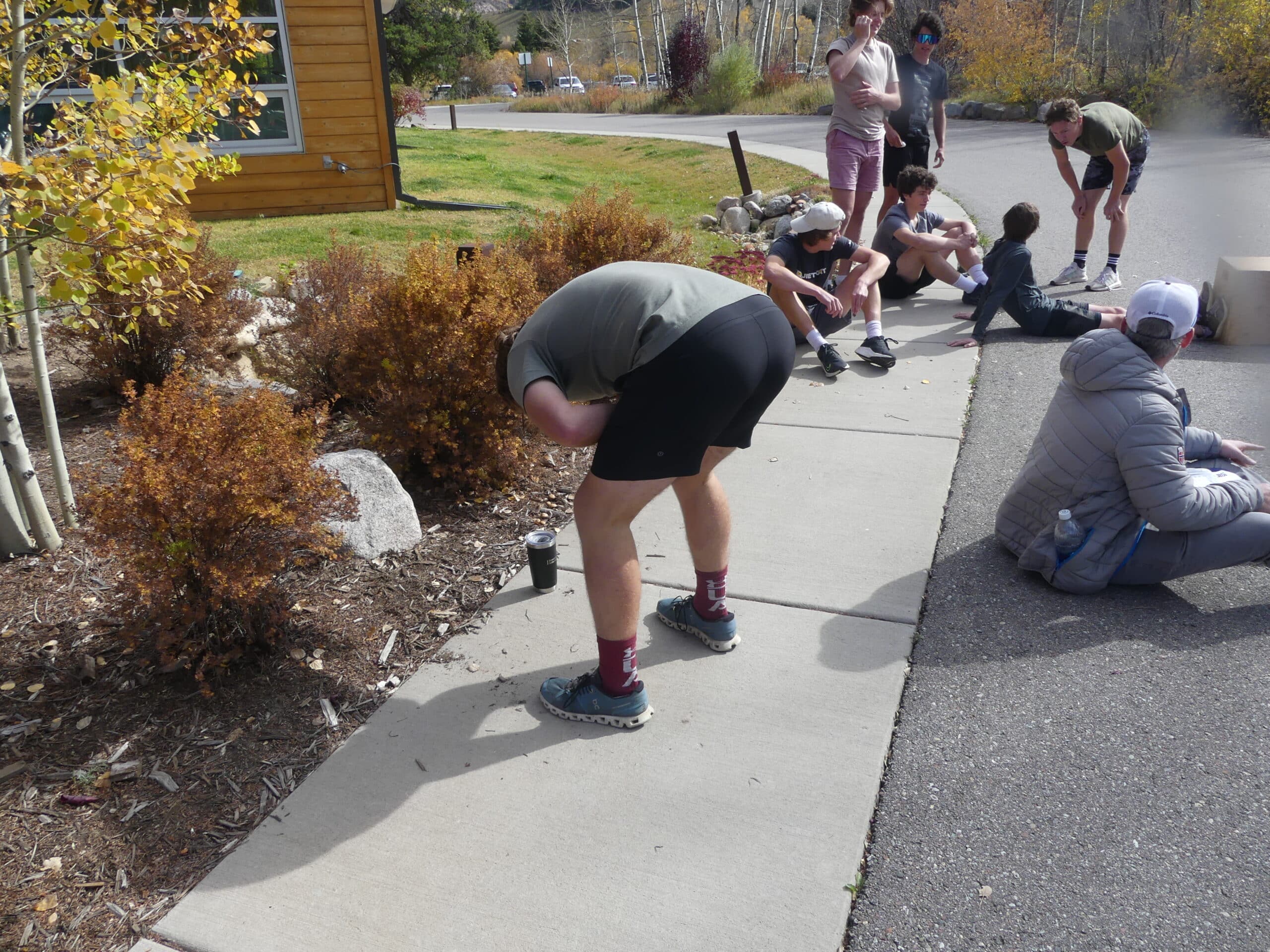
You will almost certainly reach a point I call “the Grind.” The Grind occurs when your training is just no longer fun. But it’s also the point that separates ski racers who achieve their goals from those who don’t. When most racers hit the Grind, they either ease up or give up because it’s too hard. But genuinely motivated racers—Mikaela, Marco, Sofia, and Henrik—realize that the Grind is also the point where it really counts. The fact is that everything leading up to the Grind is pretty easy so anyone can get through it. But, when these superstars reach the Grind, they keep on going and push harder instead of easing up. They know that maintaining their effort, intensity, and focus during the last reps, sets, or miles might make the difference between success and failure this winter.
Over the years, I’ve heard colleagues tell their athletes, “You got to love every moment!” I always thought, “They’ve never actually done this, have they?” Yes, there are a few rare athletes out there (the first words that come to mind are freaks and aliens) who seem to love every aspect of their training, whether painfully intense or monotonously long workouts in the cold, heat or rain. But most mortals don’t exactly love a challenging workout. Of course, we love the feeling of accomplishment when we finish; later, we love the sense of pride when we achieve our competitive goals. But in that moment, there is very little to love.
Love Hate Continuum
So, what’s the alternative if love at those critical moments isn’t possible? Well, if you think in a binary way, there is only one other option: hate. But hate has no place in ski racing because if hate is the dominant emotion you experience, you will likely not show up for a challenging workout, give a poor effort if you do show up, or, in the big picture, just quit the sport. After all, you can’t enjoy something you hate.
To find a place to land when your training gets challenging, you must consider love and hate along a continuum that is both realistic and helpful. I’ve thought about what lays close to the extremes that might make a tough workout more palatable, such as liking rather than love or disdain over hatred, but didn’t find either particularly appealing.
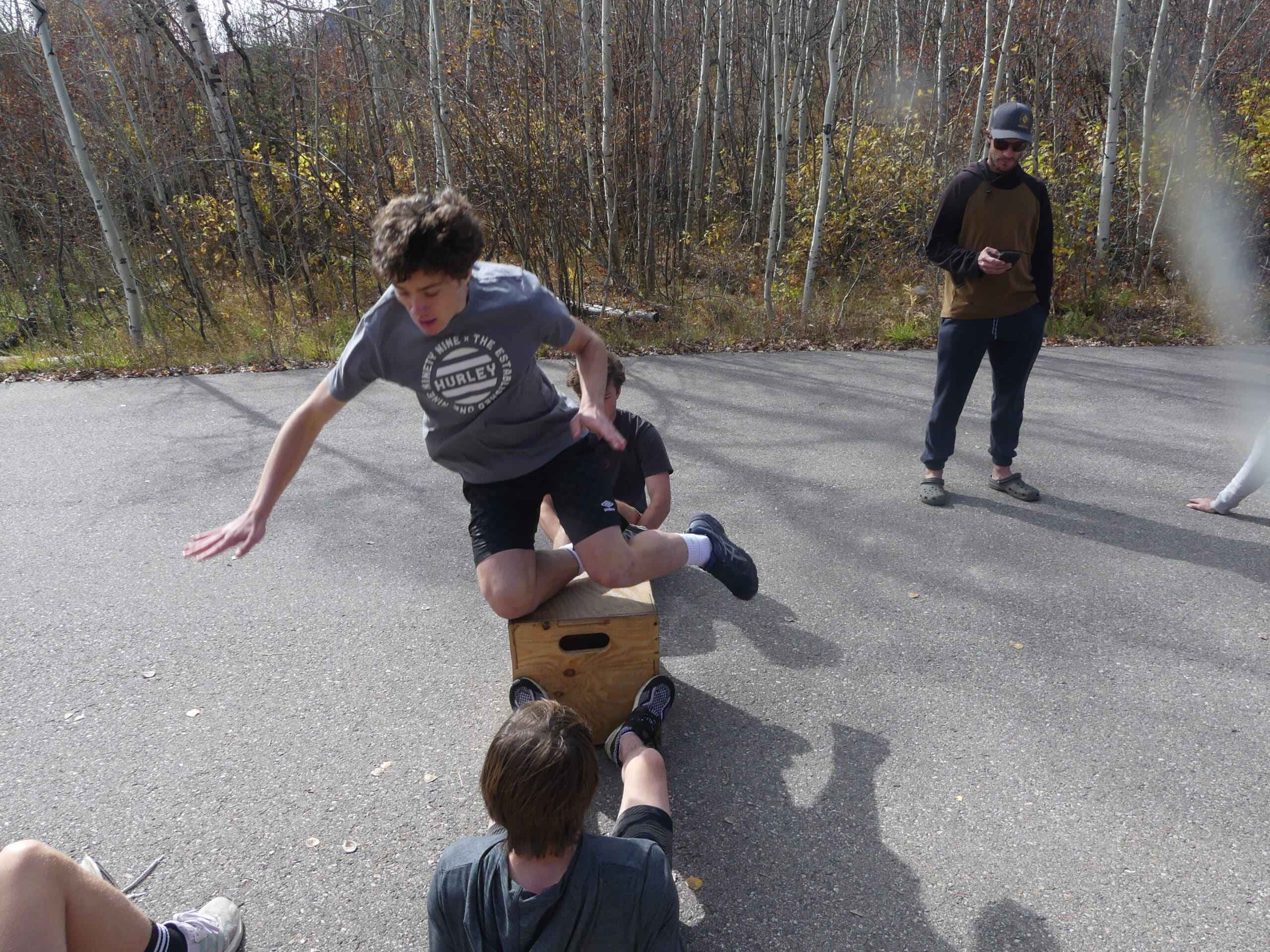
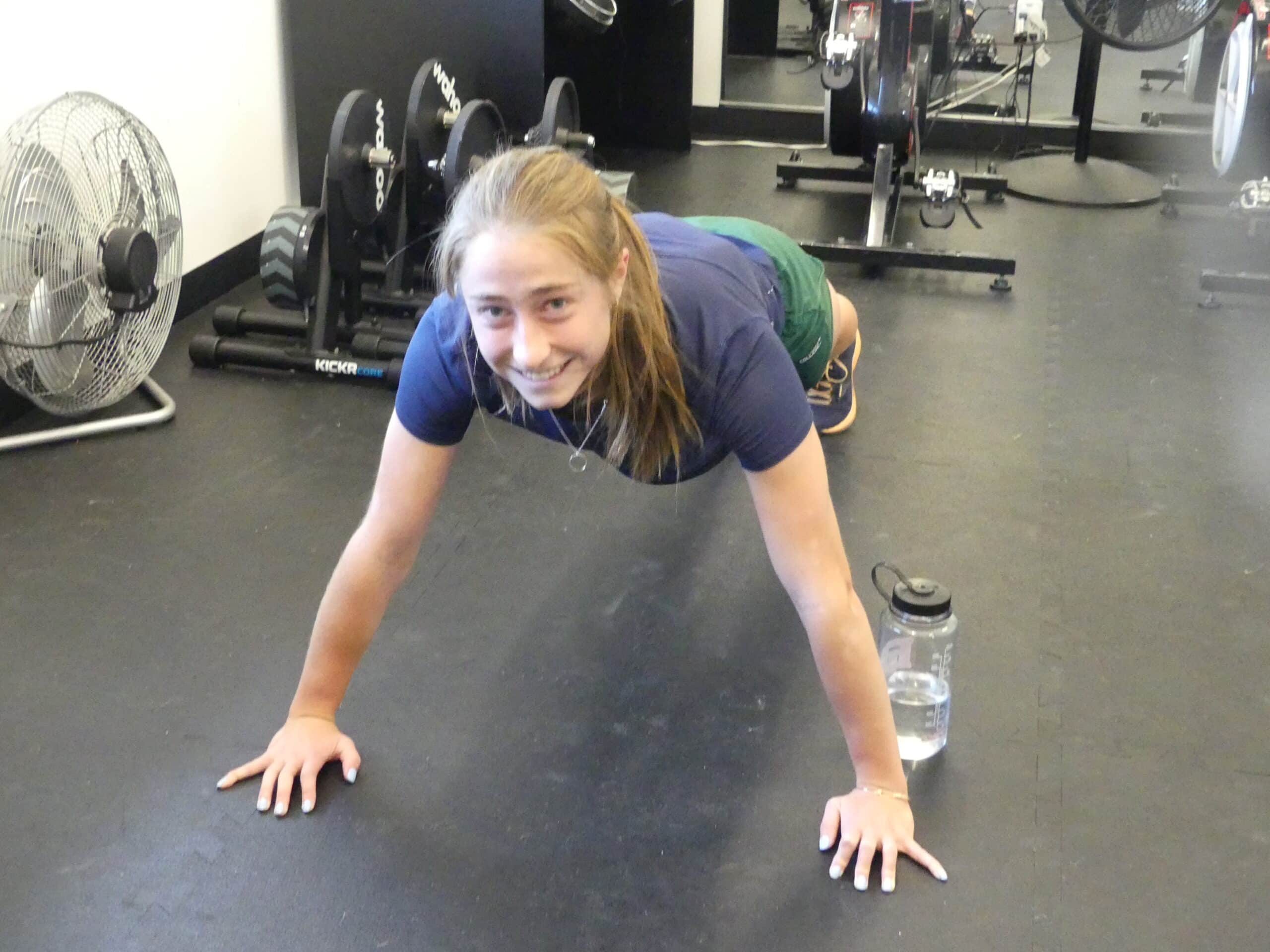
Resignation?
I initially landed on resignation along the love/hate continuum. If you want to achieve your ski-racing goals, you could resign yourself to the fact that you have to do the tough workouts, which are going to be hard. But resignation doesn’t strike me as a particularly positive or inspiring attitude. Perhaps it lays too far along the “hate it” side of the continuum. And there is an aspect of surrender in resignation that doesn’t feel right.
Acceptance?
I then had an epiphany: If neither love nor hate are reasonable attitudes when faced with a hard workout, then what lies in the middle of the continuum is acceptance. You need to accept and get through the situation as best you can. Had I found a good place on the love/hate continuum that was both possible and beneficial? Acceptance has a long history in philosophical and Eastern religious thought, so if it was good enough for the Dali Lama, it should be good enough for me.
Acceptance means several things to me. First, it removes the resistance you might feel toward a workout, alleviating the negativity and anxiety that can come with facing impending pain. Second, it means that you are still choosing to do the workout despite the discomfort. Third, it prioritizes the value you gain from our sport, the goals you want to achieve, and the positive feelings you will have when you finish the workout.
But acceptance didn’t feel quite right to me either. Sitting at the center of the love/hate relationship felt so non-committal, like being in limbo, not as passive as resignation, but not proactive and weighted with a sense of numbness. Acceptance might prevent you from going to the “dark side,” but it isn’t rocket fuel to propel you forward. There had to be something else that lay somewhere in between acceptance and love that I could really wrap my arms around.
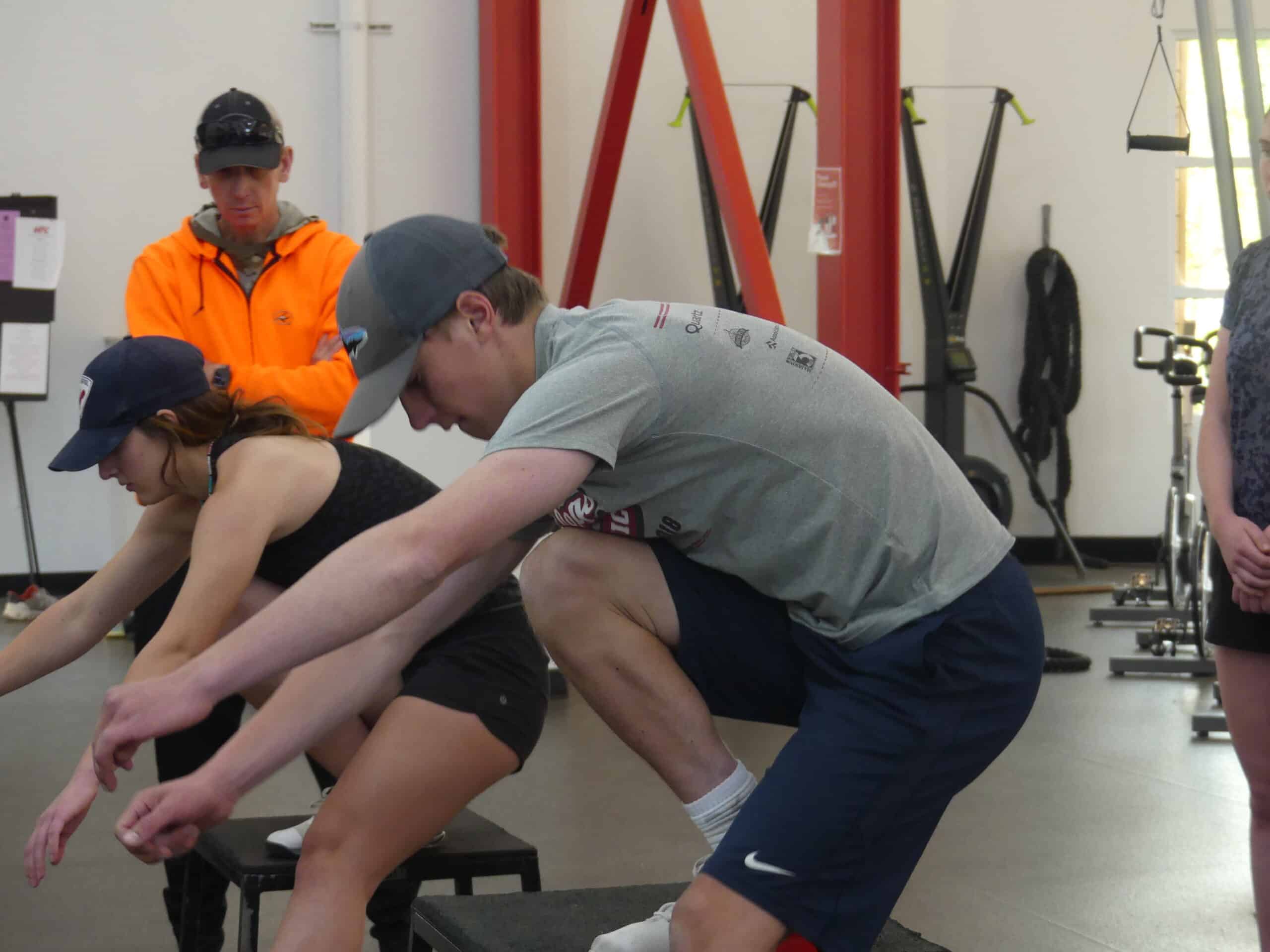
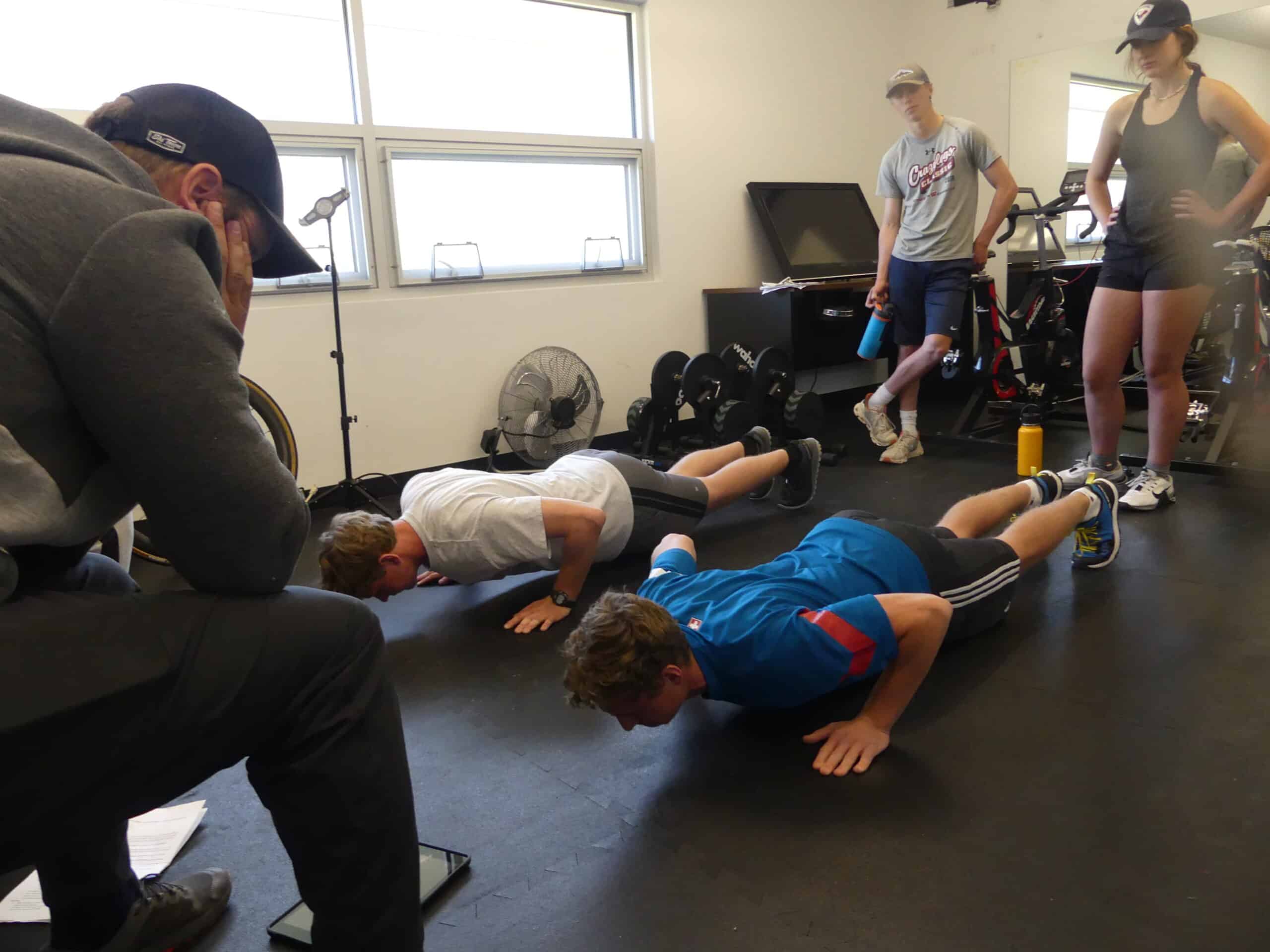
Embrace
Then it hit me: “Wrap my arms around!” Wrapping your arms around something is positive because it’s proactive and physical. Plus, you usually wrap your arms around something you love, like giving someone a hug. And what is one word that best describes that action? Embrace! It would be best if you embraced those challenging workouts. I recalled the well-worn military saying, “Embrace the suck.” It symbolizes a certain toughness associated with the military, especially the special operations units such as the SEALS, Delta Force and Green Berets. And who doesn’t want to be as tough as those warriors? There is also something more positive, enthusiastic, and energetic than mere acceptance. To embrace something also requires discipline, toughness, and perseverance in the face of hard workouts. It is a place closer to love along the love/hate continuum, yet seemingly attainable for most of us.
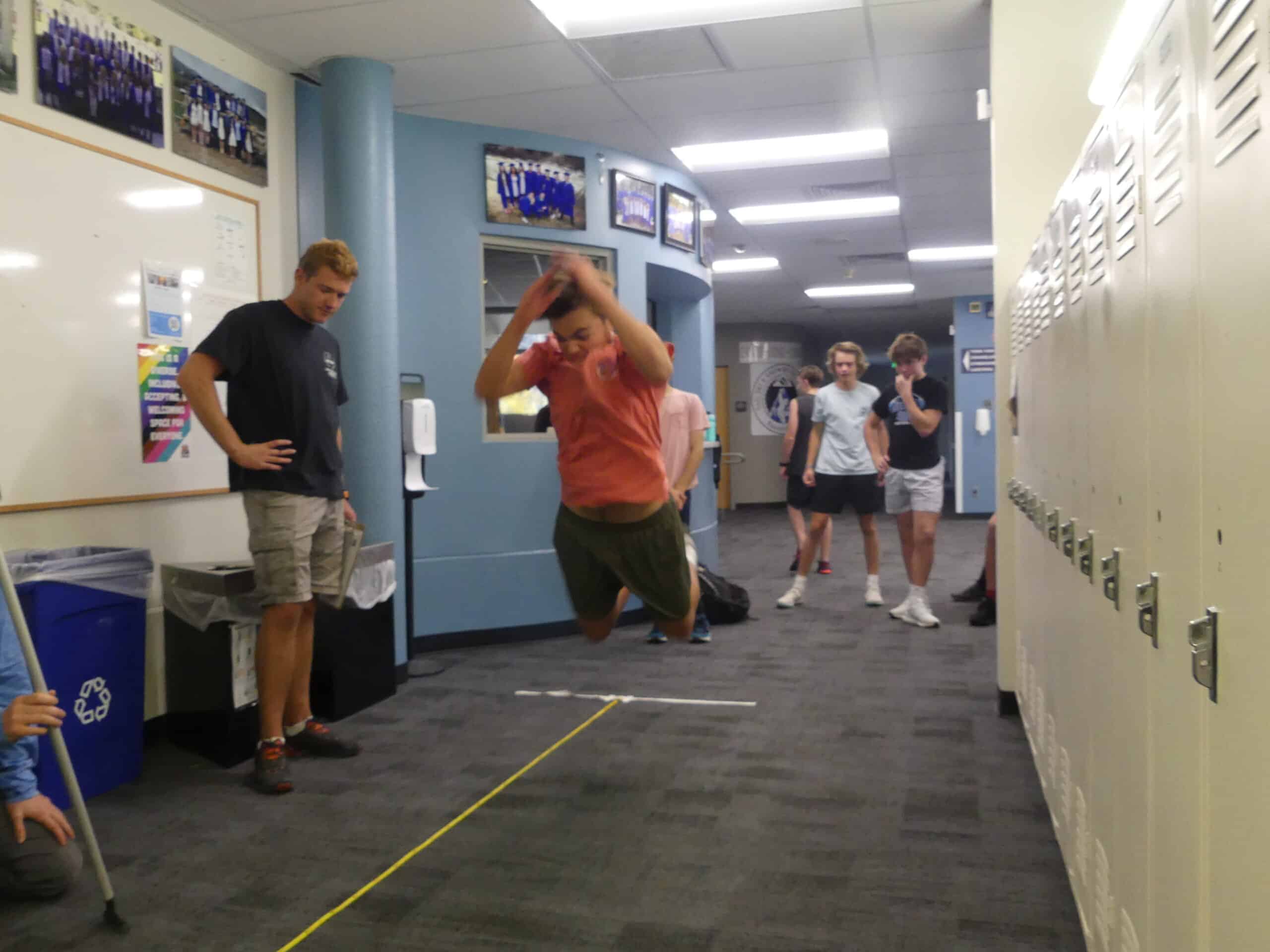
So, from now on, when you have to wake up at “zero dark 30” (another famous military phrase) on another cold, dark, and rainy morning, you can look along the love/hate continuum, consider your options, and then choose to embrace the challenge ahead of you. You may not like dragging yourself out of your warm and comfy bed, but you’ll be glad you did when you finish your workout and, more importantly, when you crush it in your next race.
About the Author: Dr. Jim Taylor