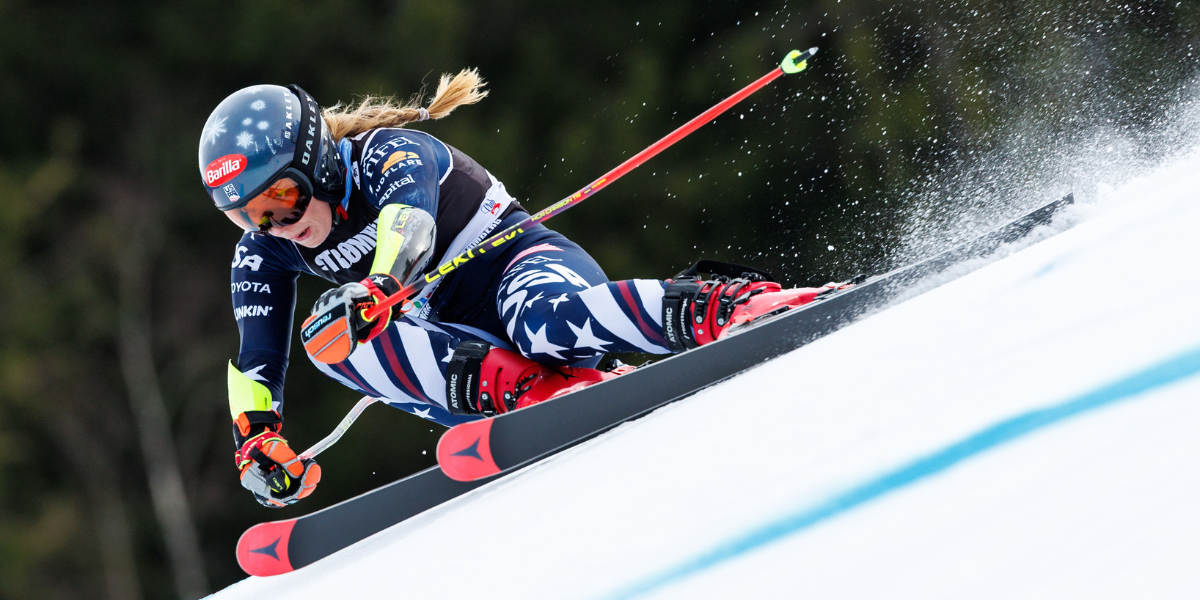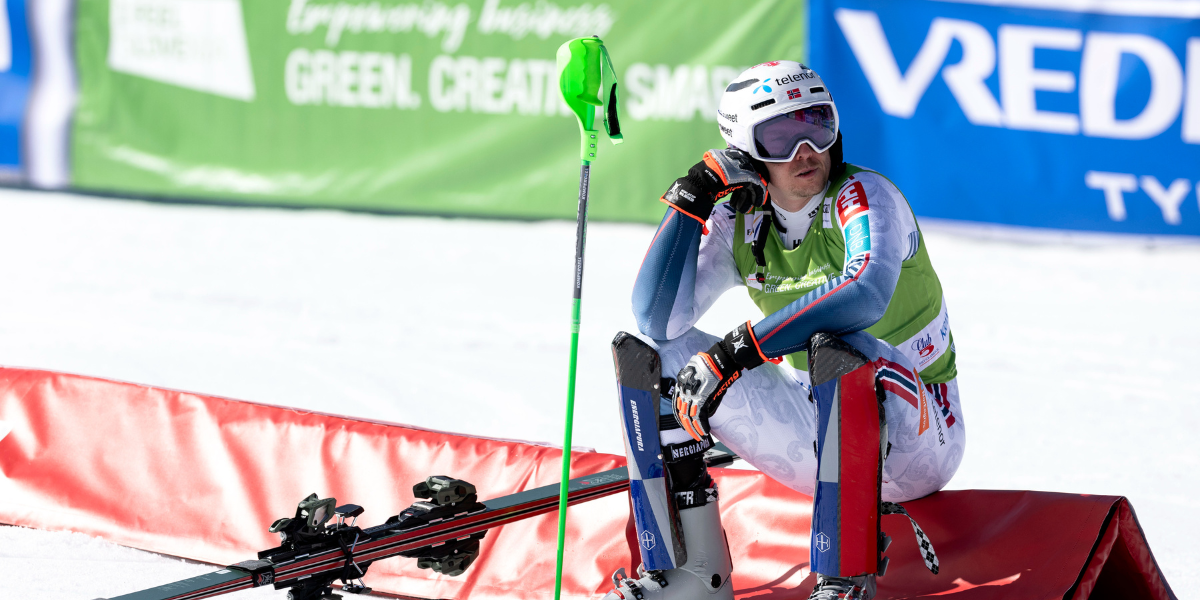
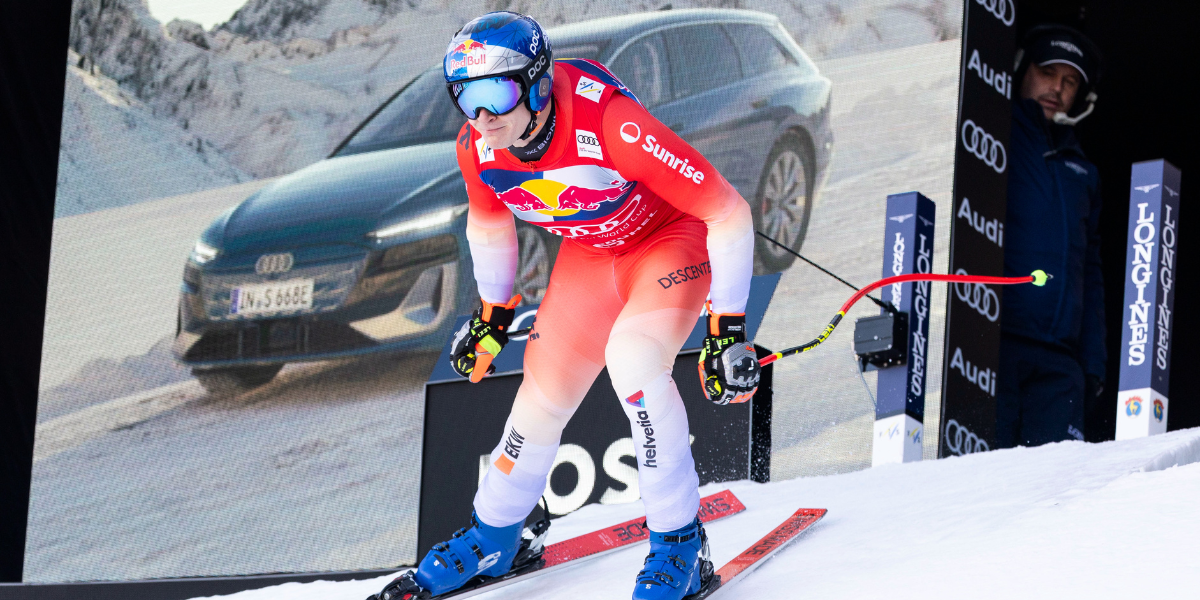
Marco Odermatt / Kitzbühel / GEPA pictures
Most ski racers think race preparation is about training, equipment, inspection, and warm-up. All of that matters, but it is not enough.
Being physically and technically prepared does not guarantee race-day readiness.
Race-day readiness is also psychological. It includes the ability to show up with confidence, determination, intensity, focus, and the right mindset—regardless of conditions, competition level, or pressure.
The Preparation Trap
Athletes often confuse preparation with control.
In an effort to eliminate uncertainty, many over-prepare:
- More inspection
- More thinking
- More analysis
- More adjustments
Ironically, this approach often produces the opposite result, leading to hesitation, tension, and tentative skiing on race day.
What Race-Ready Athletes Do Differently
Race-ready athletes simplify and trust the work they have already done.
Energy management becomes a priority. They avoid being too flat or over-amped and understand how to raise or settle intensity when it matters.
Commitment happens early. Days before the race, they decide how they want to ski—aggressively, freely, “full gas”—rather than debating it in the start gate. Mental preparation then reinforces that decision instead of reopening it.
Focus shifts toward feel rather than technique. Rhythm, timing, and flow matter more than technical precision. There are no style points in ski racing; speed is the only objective, and speed comes from trusting the body to execute what training has ingrained.
Elite athletes do not try to ski the course on race day. Deeply trained habits take over under pressure.
Common Race-Day Mental Errors
The following behaviors signal uncertainty rather than readiness:
- Overthinking during inspection
- Chasing “perfect” skiing
- Comparing runs to competitors
- Trying to ski clean instead of fast
- Changing goals in the start gate (“I just need to finish”)
Building Race-Day Readiness
Race-day readiness is trainable.
- Develop a consistent race routine
- Practice imagery centered on feel, speed, and commitment
- Train intensity in practice so it becomes automatic on race day
- Trust tactical instincts
- Normalize imperfection—fast runs are rarely flawless
At the Finish
Race-day readiness is not about controlling everything. True readiness comes from letting go of control and committing fully.
Preparation gets you to the start gate.
Readiness gets you down the hill—fast.
About the Author: Dr. Jim Taylor