There are three guarantees in life: death, taxes, and eventually finding rust on your ski edges. Fortunately, rust is a relatively easy problem to fix. But fixing it the wrong way can damage your edges and affect how your skis perform on snow. Here are a few tips to help prevent rust and deal with it properly when it appears.
Start With Prevention
First, prevention is always the best place to start. Unstrapping and separating your skis when you bring them home for the day, even if they appear dry, is a must. Water will collect around the straps and along the edges where they are pressed together. When the skis stay strapped, moisture can get trapped and rust can form quickly.
Wiping your skis down with a towel helps tremendously—especially if you’ve been skiing on dirty, spring, or salted snow. Getting that grit off your skis not only helps prevent rust, but also protects the bases and edges from unnecessary wear.
Removing Rust From the Side Edge
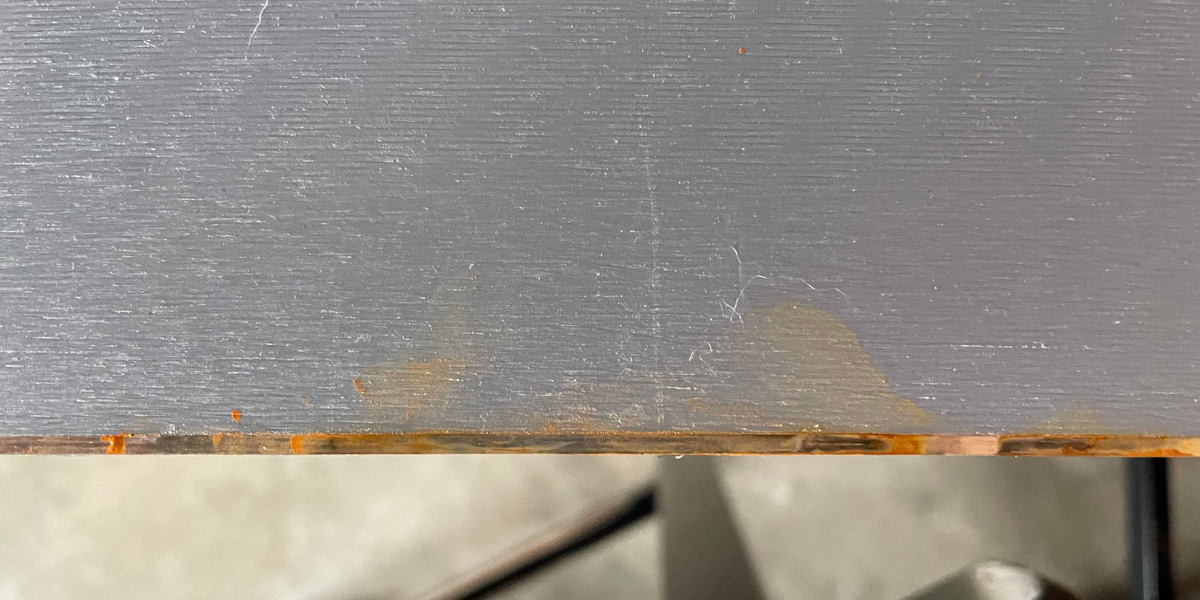
When rust does appear, removing it from the side edge is fairly straightforward. In fact, the solution is usually simple: Tune your skis. A file pass or two should remove most rust.
If you haven’t used your skis in a while and your file is struggling to cut through the corrosion, start with a coarse diamond stone—around 100- or 200-grit—to break through the rust before filing.
Two Common Mistakes to Avoid
There are two common mistakes to avoid when removing rust.
First, do not use your file—or even your diamond stone—in one small spot for too long. This can create a low spot or dimple in the edge. Instead, pull your file across the entire length of the edge, even if you are focusing on a rusted section. Maintaining consistent passes helps keep the edge geometry even.
Second—and most importantly—avoid filing your base edge (the bottom-facing surface of the edge). If rust appears there, try using sandpaper or a diamond stone very lightly and avoid overdoing it. The base edge is a critical and delicate part of your ski’s tuning geometry, and even small changes can drastically affect how the ski behaves on snow. If too much material is removed from the base edge, the only real fix is a full base grind at a ski shop.
Don’t Panic
The good news is that most rust is superficial and often disappears after a few runs on snow. Still, it’s best to avoid it when possible. Don’t panic when you do find it, even if it’s caked on after leaving your skis in a damp basement for the summer. (I’ve done that before, too.)
Good luck, and stay dry.
Jimmy K
About the Author: Jimmy Krupka