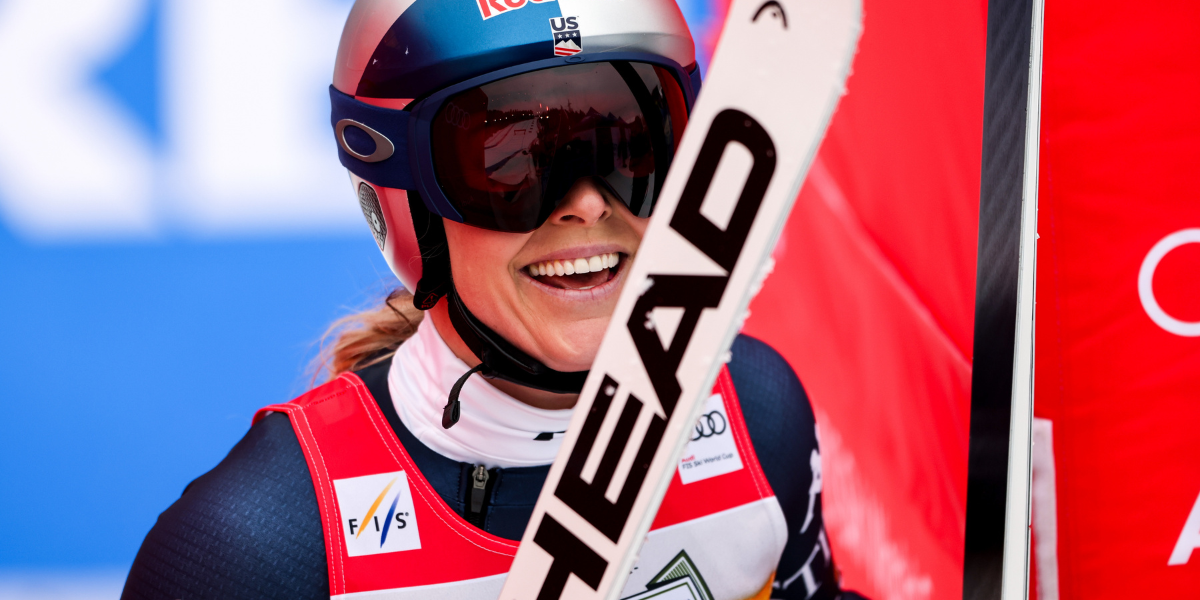
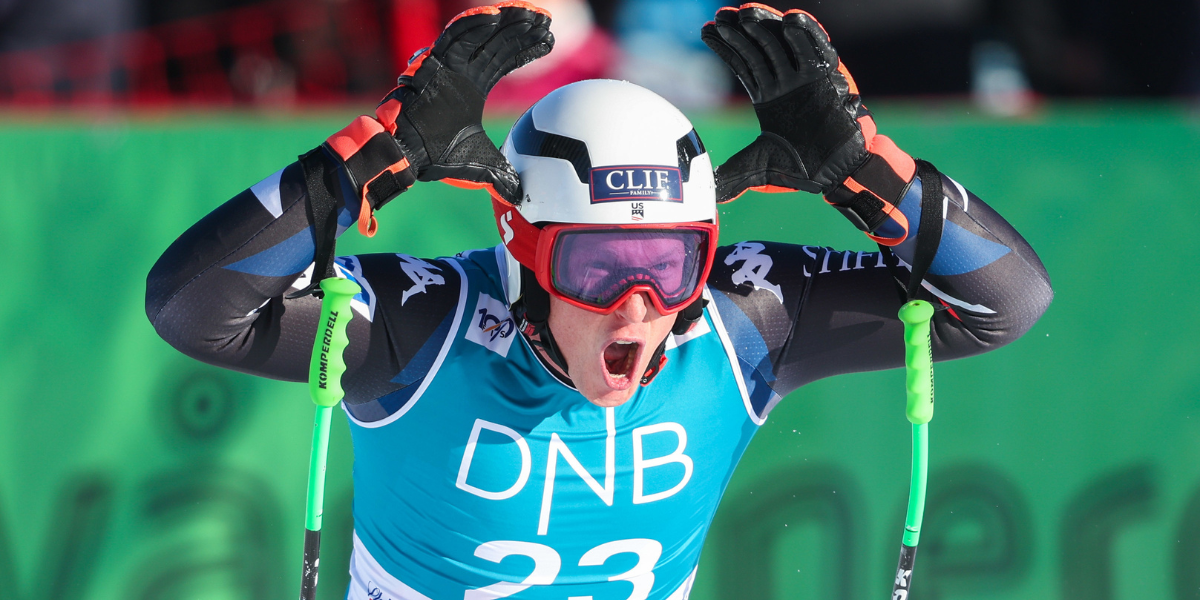
Sam “Moose” Morse Kvitfjell 2024: GEPA pictures
The Copper Mountain Conundrum
We have a bit of a joke on the World Cup Speed Team: If you’re fast in training at Copper Mountain, CO, you might not be so fast during race season. This is because of the peculiar snow consistency at Copper in the fall. But before we dig into that, let’s review how we got here.
Starting Strong in Ushuaia
Our 2024/2025 on-snow race season preparations began on July 28 when we flew to the southernmost tip of South America to Ushuaia, a town located on the Beagle Channel of the Southern Ocean. This unique training location combines low elevation with high-humidity snow—wet and dense ice, much like what you see on the slopes of Sugarloaf in mid-December. It’s ideal for running in new skis because the aggressive ice crystals wear in the bases quickly and help the skis flex.
Portillo’s Aggressive Conditions
After a short break at home, we returned to South America in early September, heading to Portillo, a ski resort high in Chile’s Andes Mountains. Despite its altitude, Portillo’s proximity to the Pacific Ocean adds a decent amount of humidity to the spring conditions. The melt-freeze snow cycle here fosters an aggressive skiing style, critical for preparing for winter water-injected World Cup Downhill courses.
Building Strength in October
We took October off from skiing to focus on a challenging muscle endurance block. This dryland training phase helped us reset and build strength before the intense on-snow training resumed at Copper Mountain in November.
Click image to enlarge
Adapting to Copper’s Unique Snow
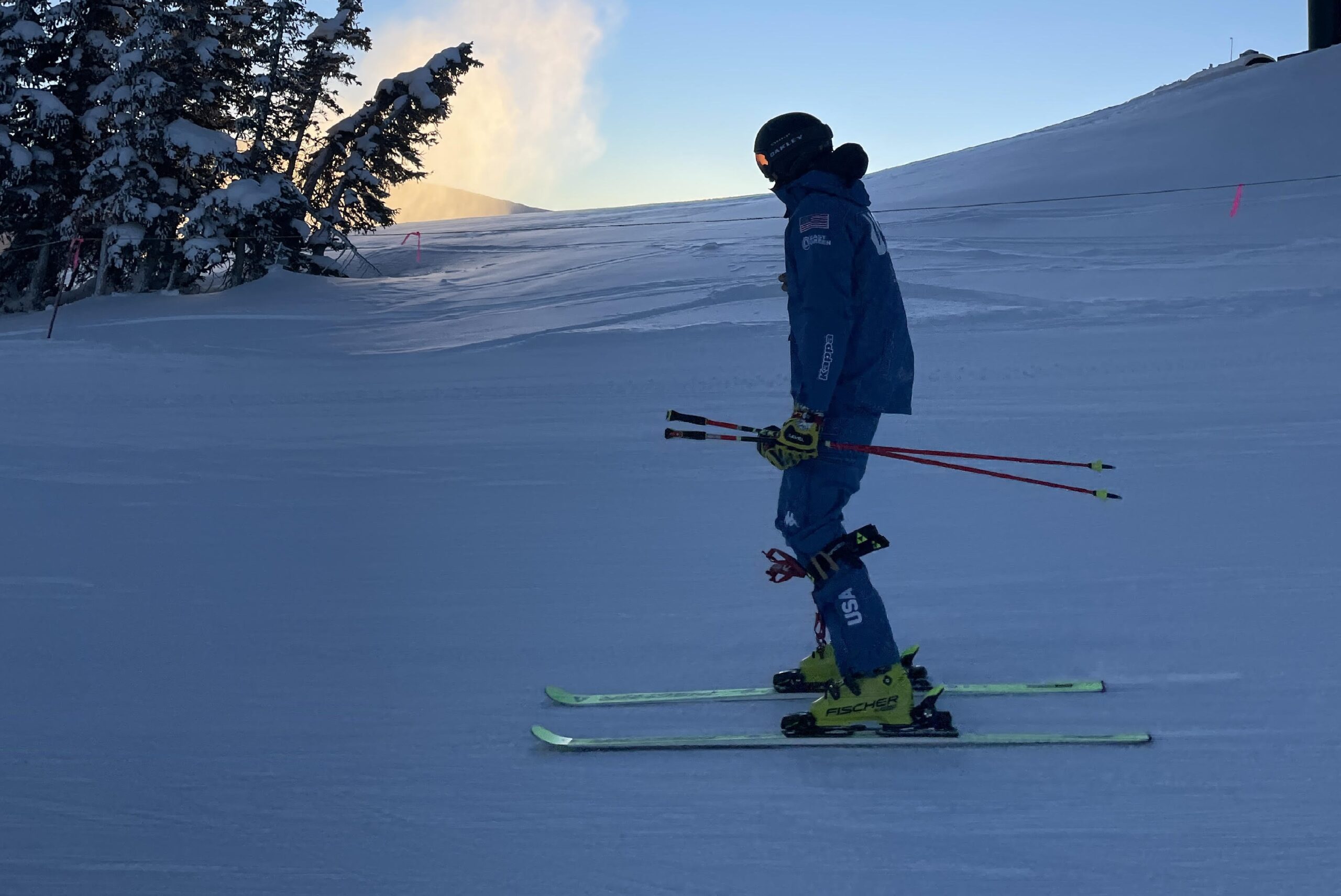
Arriving at Copper Mountain is always an adjustment. The snow here is wicked dry due to the high elevation and regular snowfall. As an athlete and serviceman, this means rethinking edge preparation. However, after months spent dialing in boot canting and ski bevels during the summer, it’s a tough call to make significant changes just before the season begins.
Preparing for Beaver Creek
Copper’s dry snow contrasts the Beaver Creek downhill course, which lies just down the road but at a lower elevation. The Talon Course crew injects the slope with water, making it icier and more technical. For this reason, I don’t alter my canting or bevels but instead focus on edge preparation to suit Copper’s conditions.
Mastering the ‘Gogo Gummy’ Technique
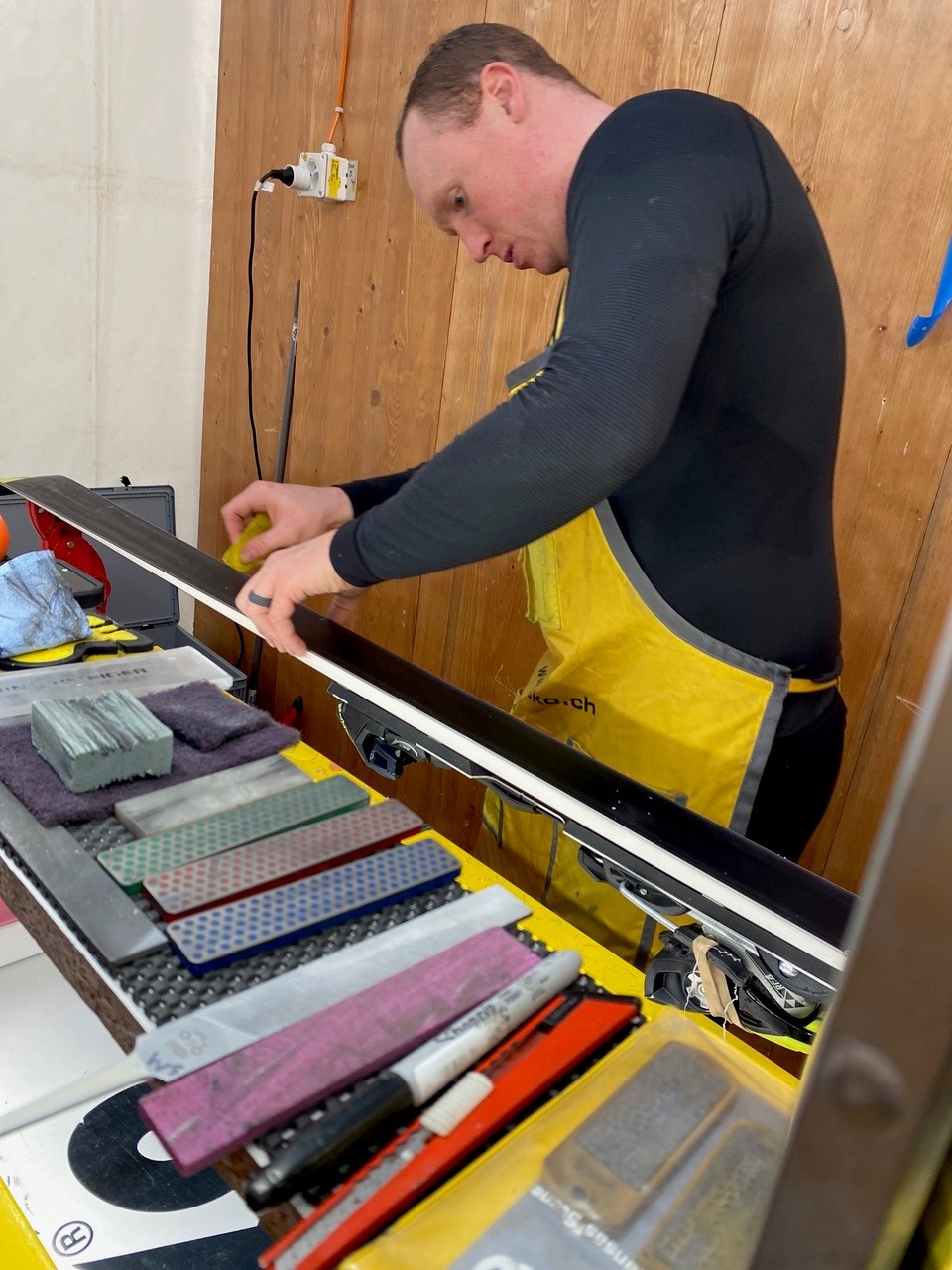
One critical adjustment I make is preparing my ski edges using the ‘Gogo Gummy’ technique, named after legendary serviceman and friend Gogo, who showed it to me. After filing and stoning the edges, they are often far too sharp for Colorado’s dry snow.
To remedy this, I use my Toko Edge Grinding Rubber (gummy stone) and run it along the base edge, parallel to the edge, just like a finishing stone. This differs from the typical 45-degree gummy stone technique, which dulls the edge without entirely removing the micro hanger left from filing and stoning.
With the Gogo Gummy technique, I entirely eliminate the hanger, allowing the skis to glide more smoothly. After a pass or two along the base edge, I return to the traditional 45-degree technique from tip to tail to fine-tune the sharpness. This approach ensures the skis are perfectly prepared for the unique snow conditions at Copper Mountain.
Advice for Young Racers
The Gogo Gummy technique works so well for Colorado snow because it prevents the edges from grabbing inconsistently on the dry, cold surface. Instead, the skis can run more smoothly, much like we’re used to on the high-humidity ice we’ve been training on all summer.
For young ski racers heading to Colorado, I advise against making big changes to your setup. Resist the temptation to adjust canting or bevels you’ve already dialed in. Instead, focus on adequately detuning your skis to reduce the aggressiveness of your edges. This small yet significant tweak will help you adapt to Colorado’s unique snow while consistently skiing.
See you on the slopes!
~Moose
About the Author: Sam Morse