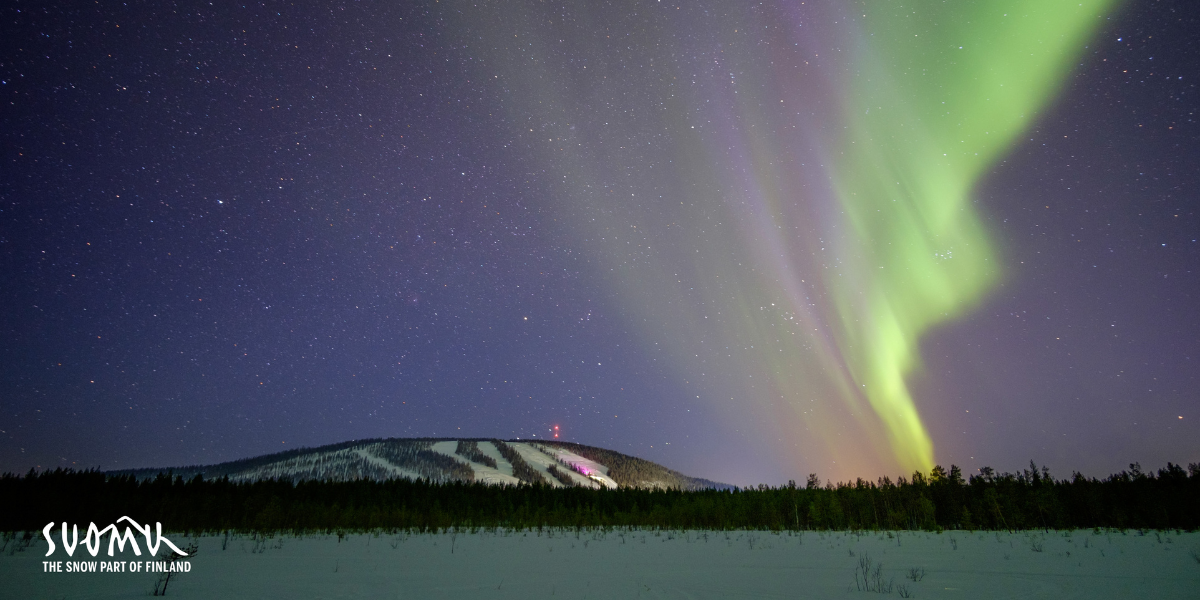
Featured Image: The Northern Lights illuminate the sky above Suomu Resort in Finland.
A family run resort on the Arctic Circle is emerging as an early season training and racing venue, with reliable snow, FIS terrain and a willingness to build around what the sport actually needs.
There are places in ski racing that become important long before the broader industry knows much about them. A few teams arrive, the training is productive, and word begins to travel through the usual network of coaches, athletes and service staff. The surface was good. The lanes were protected. The hotel was close. The people running the venue understood what the teams needed and were willing to help.
Suomu, a family run resort on the Arctic Circle in Finnish Lapland, is beginning to make that kind of impression.
The resort is roughly two to three hours from Levi, a name nearly everyone in alpine skiing recognizes because of its long standing place on the women’s World Cup calendar. Suomu operates on a smaller scale, but it earned its own place on the international racing map when it hosted women’s Europa Cup slaloms in 2023. The resort has homologated slalom and giant slalom terrain, early season snow, lodging at the base and a management structure that allows decisions to happen quickly.
After speaking with Suomu training coordinator Daniel Tirkkonen, what stood out was not simply the terrain or the resort’s investment in snow. It was his family’s willingness to listen to the ski racing community and adjust around the needs of the people using the hill.
That is a meaningful advantage in a sport where quality training space is increasingly difficult to find.
A Family Finds Its Way Into Ski Racing
Daniel’s family purchased Suomu in 2015 without a background in skiing or ski racing. His mother is from China, and the family’s original vision focused heavily on bringing international tourists to Finnish Lapland to experience the Arctic and the Northern Lights.
The years that followed were not straightforward. A fire damaged part of the hotel, and the pandemic later disrupted the international tourism market the family had expected to serve. Like many small resorts, Suomu had to adapt.
During that period, ski racers began arriving. Slovakian Olympic champion Petra Vlhová was among the athletes who trained at Suomu before racing in Levi, giving the family a closer look at the demands and possibilities of high level alpine training.
Daniel also began racing himself. He had not grown up in the sport and was much older than the typical athlete when he started, but he eventually competed in junior and FIS races. Although he has since stopped competing, he continues to coach younger athletes in Helsinki while studying business and logistics.
His route into the sport gives him an unusual perspective. He knows the resort business from inside his family’s operation, but he has also stood in the start, trained in gates and worked with young racers. Ski racing was not something his family inherited. They learned it by being around the people who live it every day.
That process continues to shape the way Suomu is approaching its future.
Building a Venue Around the Sport
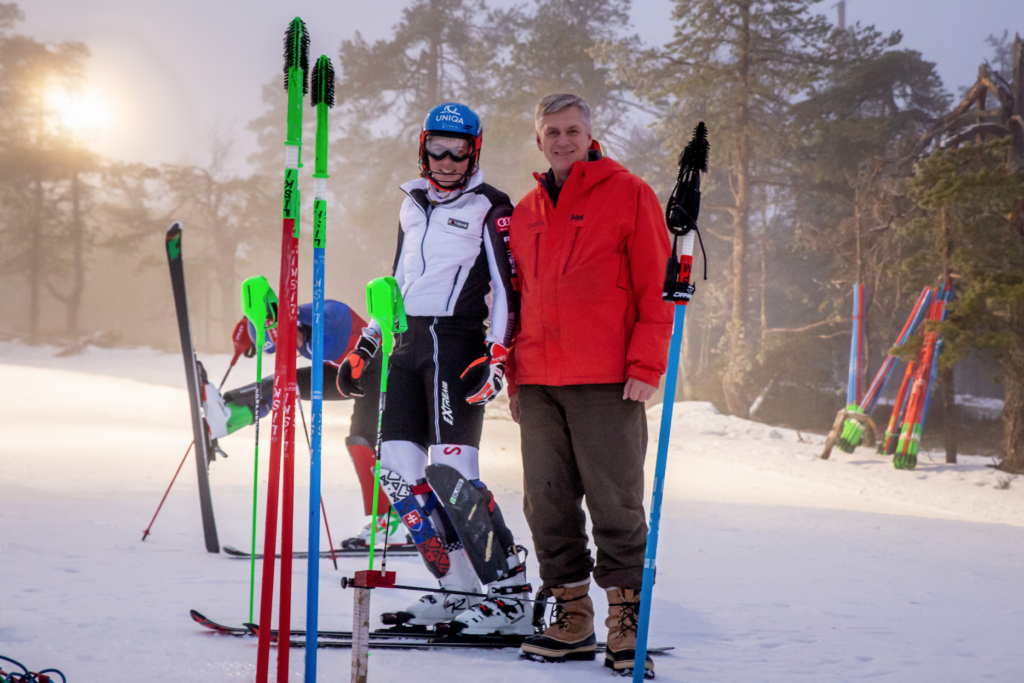
Suomu remains a hands-on family operation. Daniel, his mother and his father are closely involved in the resort, which means teams are often speaking directly with the people who can make decisions.
“If some coach asks, ‘Can you open the lift? We want to do something,’ if the idea is good, we will definitely open the lift for them,” Daniel said.
For anyone who has worked in ski racing, that kind of access matters. Training plans change constantly. Snow conditions change, athletes respond differently than expected and a coach may need to move a start, adjust a course set, inject a section of the hill or alter the timing of a session.
Daniel is clear that his family is not trying to tell experienced coaches how to do their jobs. Their responsibility is to provide a strong surface, the necessary equipment and enough flexibility for teams to create the sessions they need.
“For injecting and so on, we listen a lot to the coaches and athletes,” Daniel said. “In the end, we just want to provide the surface and the place for them to train.”
I spent 10 years coaching ski racing, and I know how much that approach can change a camp. The quality of a training venue is not measured only by the pitch of the hill. It is also measured by the people preparing the surface, operating the lift and responding when the plan needs to change.
When that relationship works, athletes get more productive repetitions and coaches can spend their time coaching rather than solving logistical problems. Equipment companies, service technicians and support staff benefit from that consistency too. A well run training environment makes everyone’s job easier.
Early Season Snow and FIS Terrain
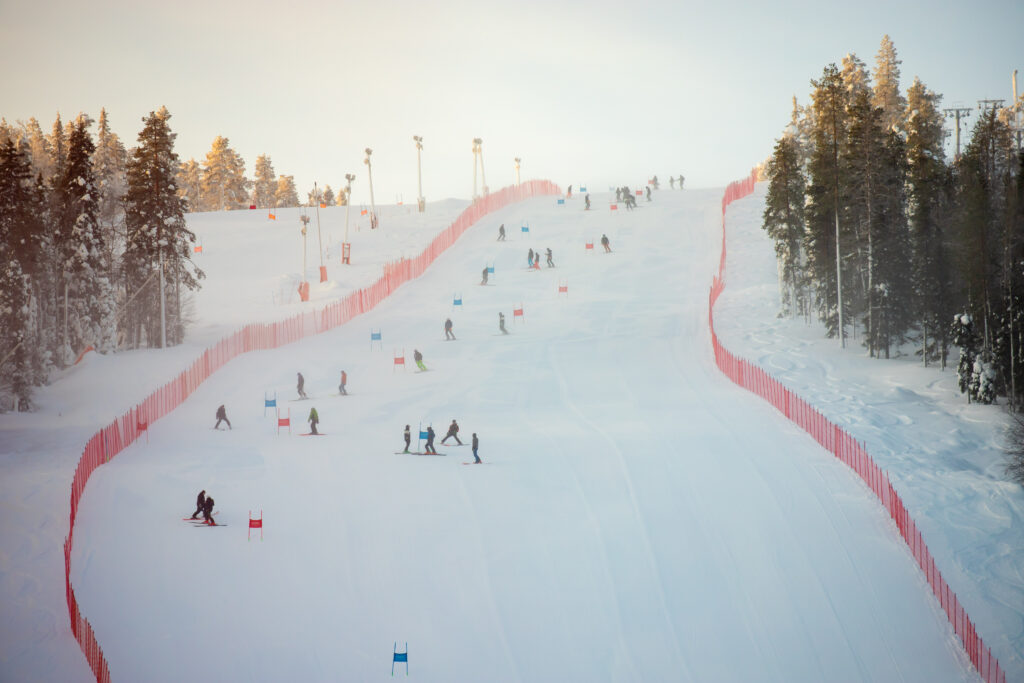
Suomu’s front side includes two primary alpine training venues, the Martti slope and the FIS slope. Martti is homologated for slalom and giant slalom, with approximately 250 to 255 meters of vertical and a width ranging from 40 to 60 meters. The FIS slope is homologated for slalom and includes a gradually steepening upper section, a more demanding pitch and a long, flat finish area.
Both slopes have lighting, an important piece of infrastructure during the limited daylight of early winter in Lapland. The resort also offers timing equipment, slalom and giant slalom gates and priority lane booking for teams.
Daniel said Suomu stored approximately 80,000 cubic meters of snow through the summer and retained roughly 80 percent of it. The resort plans to use that base, combined with new snowmaking when temperatures allow, to support an October opening.
The weather will always have the final say, especially during a period of increasingly unpredictable early season conditions. Still, snow storage has become an essential part of the business model for northern European resorts looking to provide reliable training and racing.
That reliability has implications beyond Suomu. National teams, clubs and private programs are all searching for early season snow at roughly the same time. World Cup and Europa Cup athletes need race preparation, while younger athletes are trying to build volume before their own competitive seasons begin. Available space disappears quickly.
Adding another credible venue to that calendar creates options for the entire sport.
A Complete Base for Teams
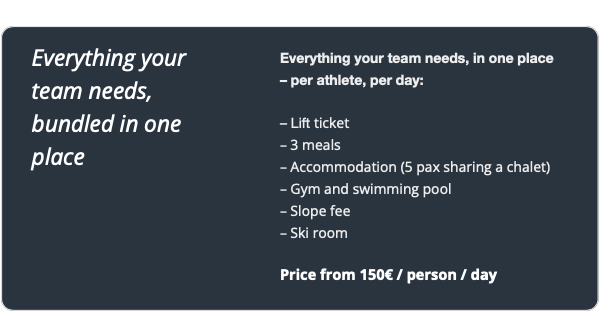
The logistics at Suomu are compact. Hotel Suomutunturi sits approximately 50 meters from the lift, allowing athletes and staff to move between the hill, equipment rooms and accommodations without spending a significant part of the day in vehicles.
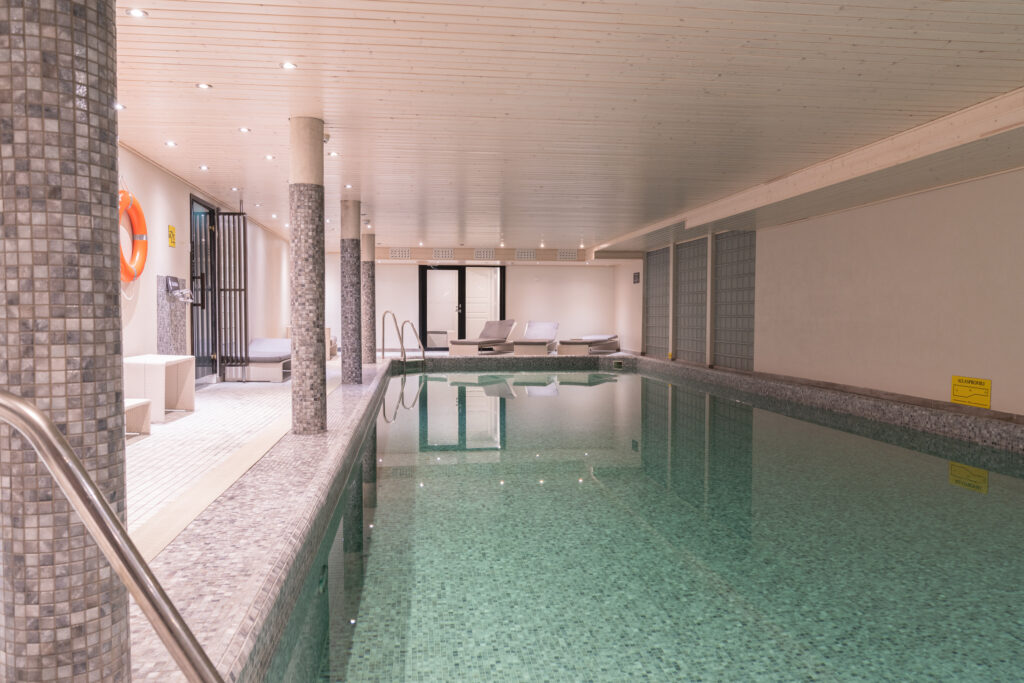
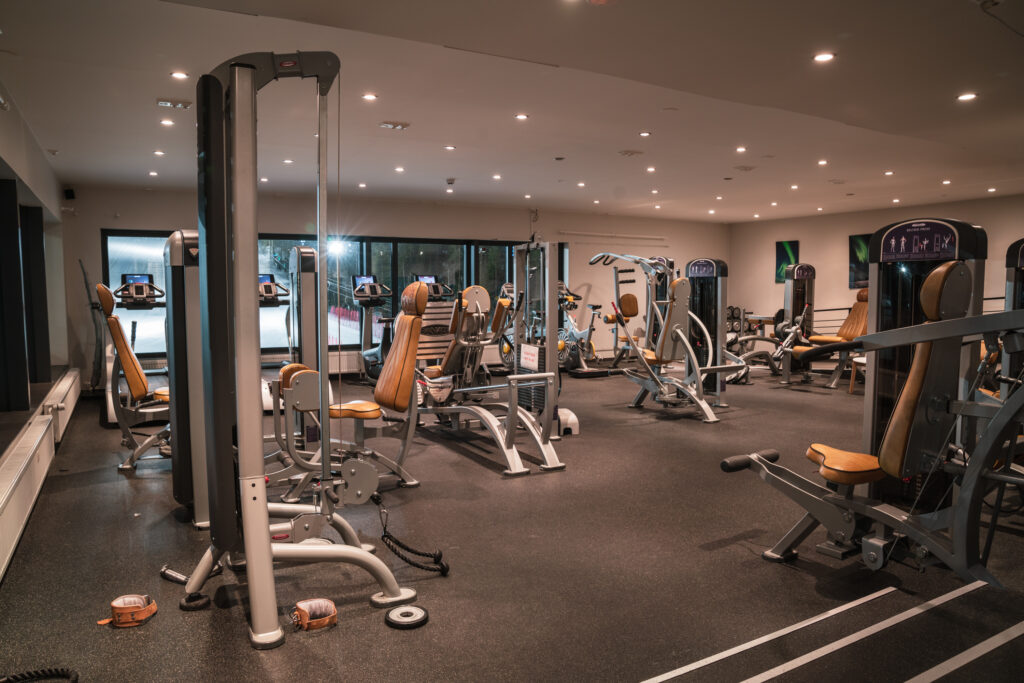
The resort offers hotel rooms, chalet apartments and Aurora Villas. The hotel includes three restaurants, a gym, swimming pool, spa and Finnish saunas. Cross country skiing is also available in the surrounding area.
Those details may sound secondary to the skiing, but they are part of performance. Early season camps often involve high training volume, equipment testing, video review and dryland work. When meals, recovery and transportation become complicated, athletes and staff lose time and energy.
A venue that keeps those pieces close together can support everyone involved in the training process, from the athletes and coaches to the technicians, medical staff and team leadership.
It also gives Suomu value beyond a traditional resort stay. The infrastructure allows the mountain to serve as a training base, a competition venue and a gathering point for an industry that spends much of the season moving from place to place.
Europa Cup Returns to Suomu
Suomu hosted women’s Europa Cup slalom races in March 2023. On November 25 and 26, 2026, the men’s Europa Cup circuit is scheduled to arrive for two slaloms.
Hosting a Europa Cup is a significant undertaking for any resort, particularly one operating with a small family team. It requires snow preparation, course infrastructure, volunteers, accommodations and coordination with national teams and international officials.
For Suomu, the races are also an opportunity to introduce the venue to more of the ski racing world.
Daniel said he wants athletes and staff to leave with a good feeling about the slope, the surface and the services surrounding the event. The real measure of success will be whether they choose to come back.
That is already happening with some of the teams training at Suomu. Daniel said several programs have returned at similar times for three consecutive seasons. Familiar faces have become friends, even if they only see one another during a narrow window each November.
Those relationships are how venues establish themselves in ski racing. A race may introduce people to a place, but consistency is what earns their trust.

Taking the Next Step
Daniel speaks openly about his family’s ambitions. They want to continue developing accommodations and services without losing the feeling of a small, personal resort. He would also like to see Suomu host a World Cup someday, although he understands that growth must happen one step at a time.
That balance will be important. Suomu’s opportunity is not based on trying to become another Levi. Its identity comes from being smaller, accessible and willing to respond directly to the people using the mountain.
The ski industry needs places like that. It needs resorts willing to invest in racing, communities prepared to host events and operators who recognize that athletes, coaches and teams are not simply customers filling rooms. They are long term partners who can help shape a venue.
Suomu already has much of the infrastructure required to become a meaningful part of the international training and racing calendar. It has homologated terrain, stored snow, accommodations, recovery facilities and a family committed to making the operation work.
Now it is making its case to the rest of the ski racing world.
Contacts for training and accommodations:
About the Author: Katie Twible