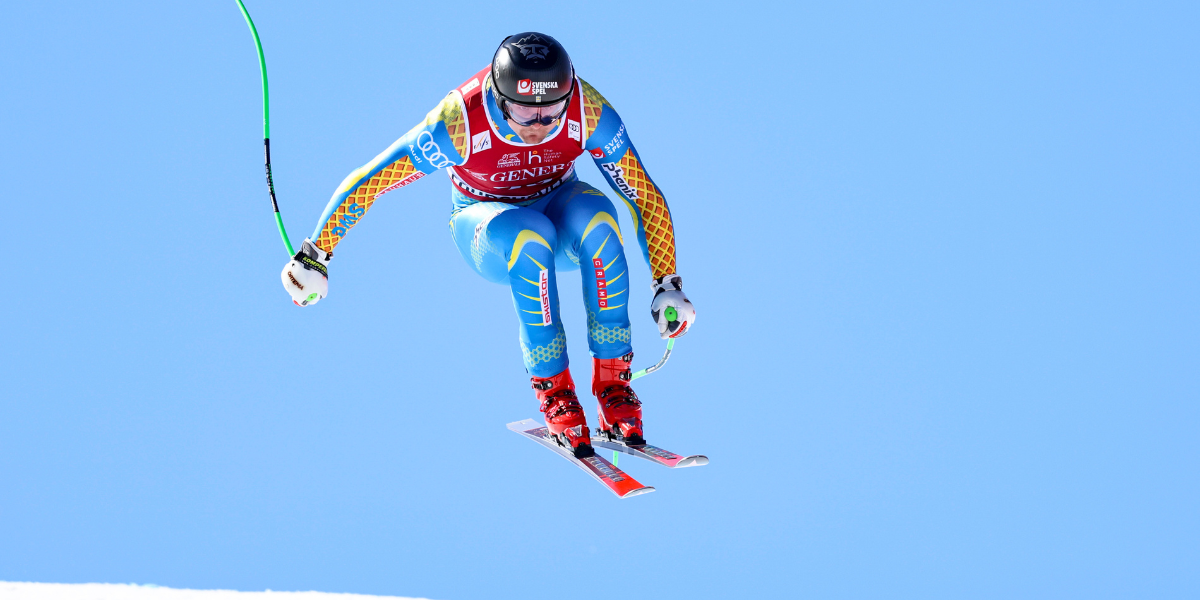
Featured Image: Felix Monsén races down the Courchevel World Cup downhill course in France. Photo: GEPA
The Swedish World Cup speed skier has battled injuries, built his own path back to the top level, and is now entering one of the biggest opportunities of his career while helping inspire the next generation.
For most World Cup athletes, the road to the top follows a fairly familiar path. They grow up in established ski regions, progress through national development systems and eventually earn a place on one of the world’s elite teams.
Felix Monsén’s journey has looked a little different.
Growing up outside Stockholm with his three brothers, Monsén learned to ski at Saltsjöbaden Ski Club, a small local hill where a slalom course lasted all of 16 seconds. It wasn’t a mountain known for producing World Cup downhill racers, but it was where he first fell in love with skiing. Looking back now, he laughs when people ask when he decided speed skiing was for him.
“I wish I could say I chose the speed events because they suited me as a person,” Monsén said. “But I just started skiing fast in the speed events and slow in the technical events. You could say the speed events chose me.”
That love for speed didn’t happen overnight either. Like most young racers, his first experiences weren’t filled with confidence. They were filled with fear.
“In the beginning I was mostly just scared,” he admitted. “Then that scaredness transitioned to happiness from the adrenaline and wanting to go faster.”
That willingness to embrace something uncomfortable has quietly become one of the defining themes of Monsén’s career.

Learning Through Adversity
Speed skiing asks athletes to commit completely. Fans often see the spectacular turns and breathtaking speeds, but they rarely see the hours of preparation that happen long before an athlete pushes out of the start gate. For Monsén, race day begins the night before with breathing exercises and visualization, followed by a carefully planned routine designed to keep his mind calm before flipping the switch into race mode.
Even after years on the World Cup, the fear never completely disappears.
“Haha yeah, many times,” Monsén said when asked if he’s ever questioned what he’s doing while sitting in the start gate. “Especially these last years coming back from my injuries. Thinking, ‘What am I doing with my life?'”
Instead of trying to ignore those thoughts, he has learned to acknowledge them.
“The best tip I have is first accepting that it is terrifying and that it’s okay if those thoughts arise. Then I visualize the first three turns on repeat. After that it’s hard to focus on anything else.”
It is a mindset built through experience, setbacks and perseverance, not one that simply appears after years on the World Cup.
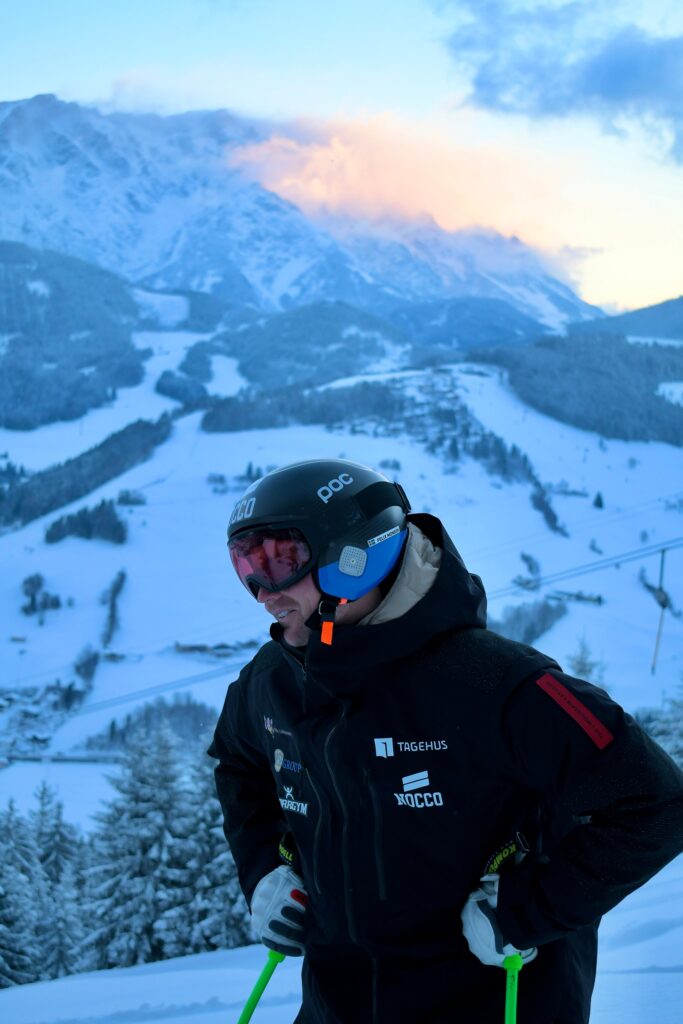
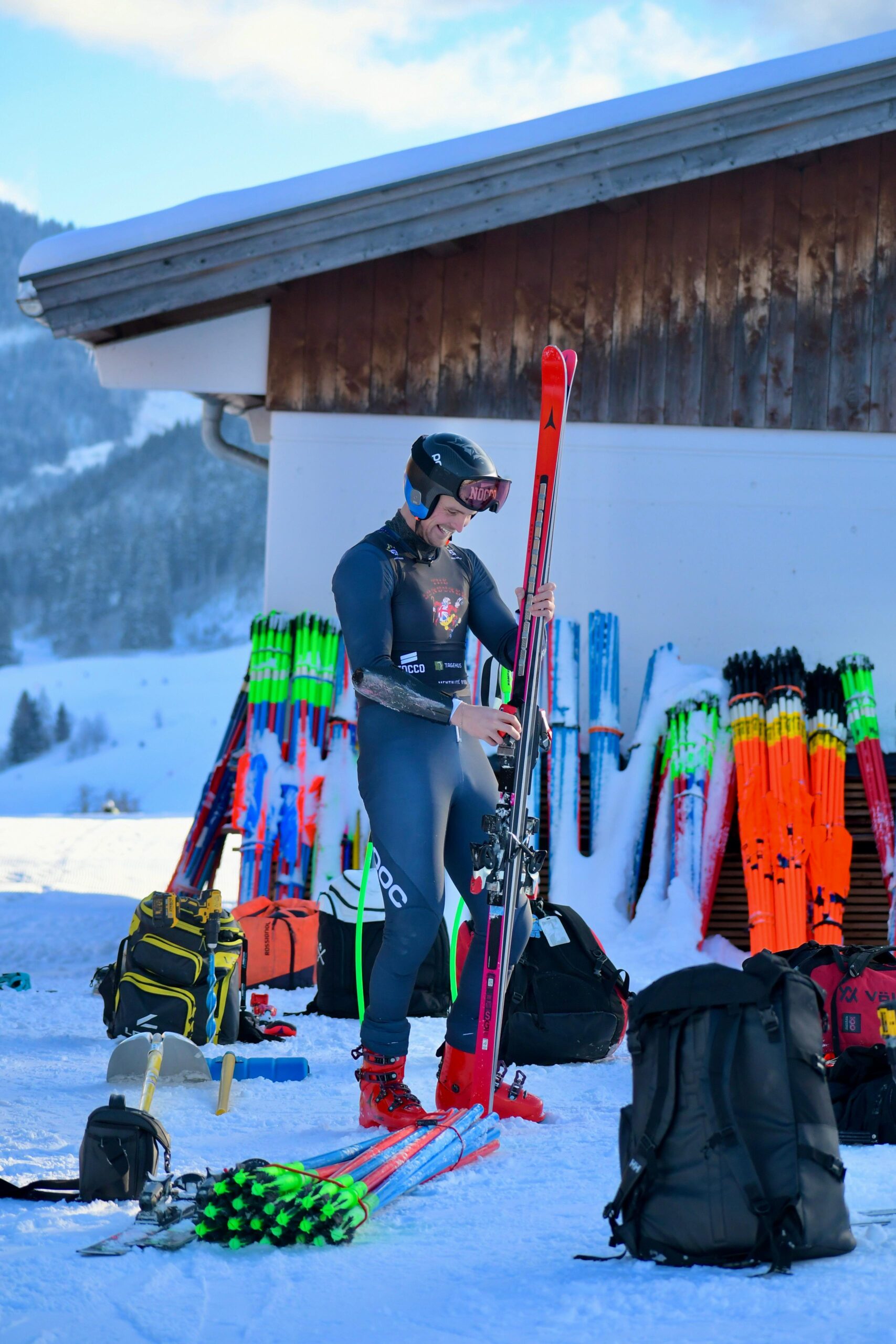
A New Opportunity with Austria
That perseverance has led Monsén into one of the most exciting chapters of his career.
After his ski technician decided to step away this spring, Monsén suddenly found himself searching for answers. One conversation led to another, and through someone he trusted, he was introduced to the Austrian Ski Team. The result is a collaboration that will see him train alongside one of the most successful alpine programs in the world this season.
For an athlete who has spent the past two years building much of his own independent program, the opportunity represents more than simply wearing a different training bib.
“It means a lot for me,” Monsén said. “I’ve been fighting on my own for two years, trying to build a good program for myself. Now I can focus more on my performance as an athlete, get good sparring from the Austrian skiers and maybe snap up some good coaching as well.”
What excites him most isn’t necessarily the medals or reputation that Austria carries. It’s the chance to observe how one of the world’s best speed programs functions every day, from the collaboration between athletes and coaches to the relationship with the service staff. At the same time, Monsén believes he can contribute something valuable of his own through the different experiences he’s had building his career outside the traditional system.
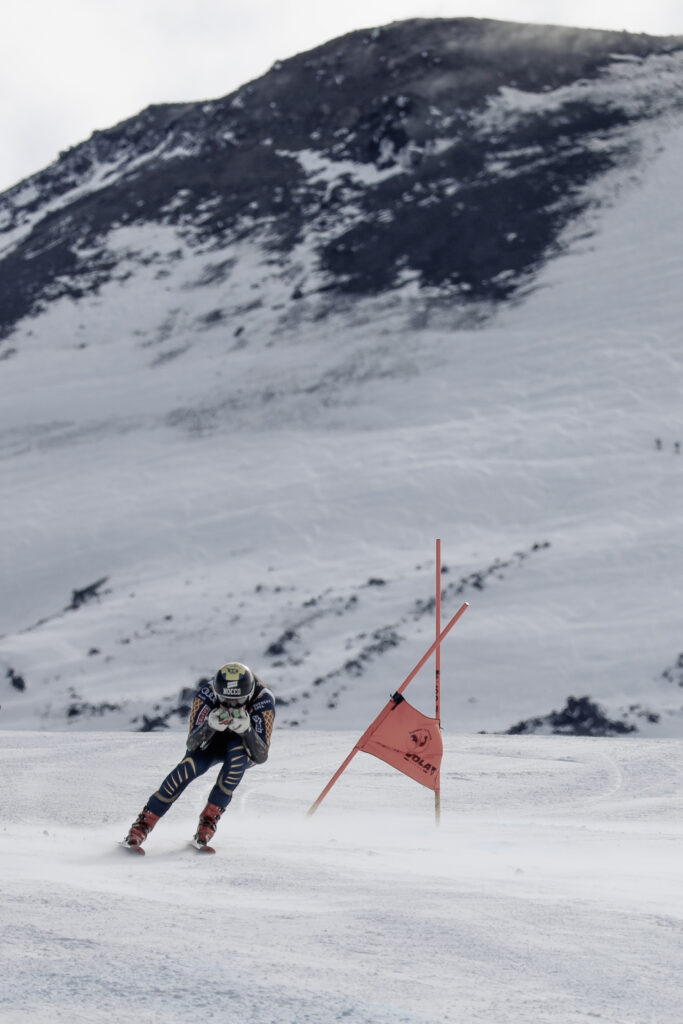
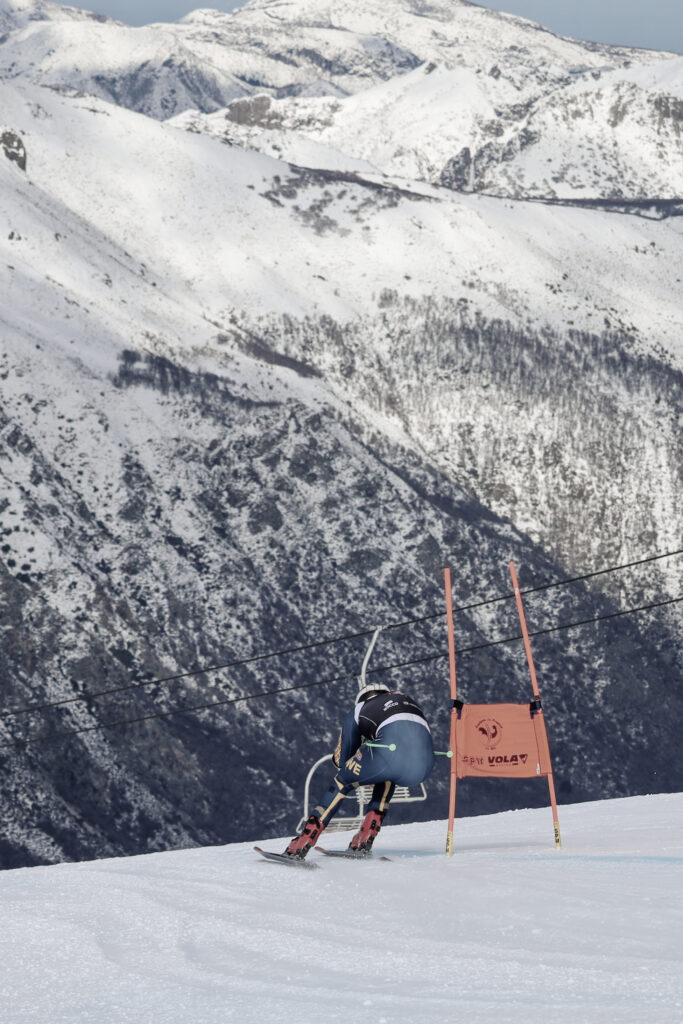
Looking Beyond Himself
As much as Monsén remains focused on his own World Cup goals, another passion has become increasingly important to him.
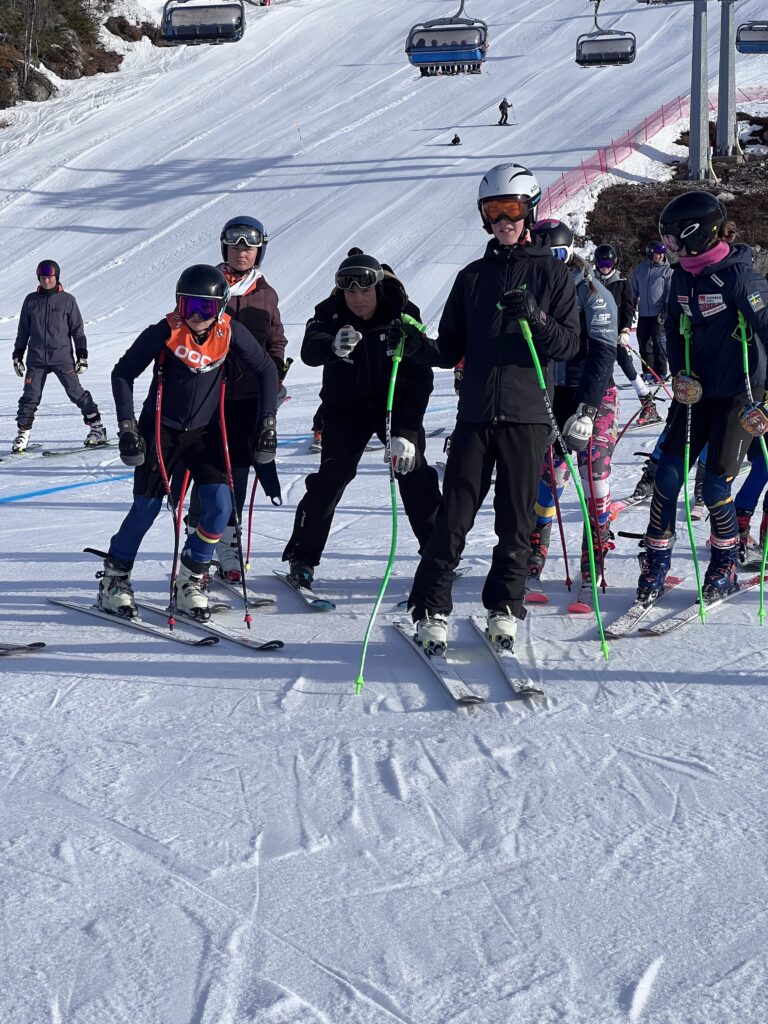
Through his Speed Swedes mentorship program, he has invested time helping Sweden’s next generation of speed athletes navigate a discipline that demands equal parts confidence and patience. His goal isn’t simply to create faster racers. It’s to help more young athletes believe they belong in speed skiing.
“I know how much it helped me with the few good mentors I’ve had,” he said. “We’ve got fewer and fewer speed skiers, and that’s why I want to give back all the knowledge I got and motivate more skiers in Sweden to race the speed events.”
When he talks with younger athletes, the conversations rarely center on technique alone. Instead, he encourages them to trust themselves, inspect courses with intention and understand that confidence develops gradually. If they are nervous, he tells them to stand a little taller, ski within themselves and build from there. One extra gate in the tuck on the next run is still in progress.
That philosophy mirrors the career Monsén has built himself.
Still Chasing Speed
Toward the end of the conversation, Monsén was asked what he would tell his 16 year old self if they happened to share one chairlift ride together.
His answer wasn’t about medals or World Cup points.
“Keep doing what you’re doing,” he said. “It will give you a lot of friends, pleasure and joy.”
For someone who has overcome serious injuries, built an independent program and continues to search for ways to improve against the best speed skiers in the world, that answer says a lot.
Felix Monsén is still chasing speed. But perhaps more importantly, he has never stopped chasing the joy that first began on a small ski hill outside Stockholm, where a 16 second slalom course sparked a career that continues to evolve.
About the Author: Katie Twible