Three Friends, One Shared Goal: Making Ski Racing Video Easier to Access
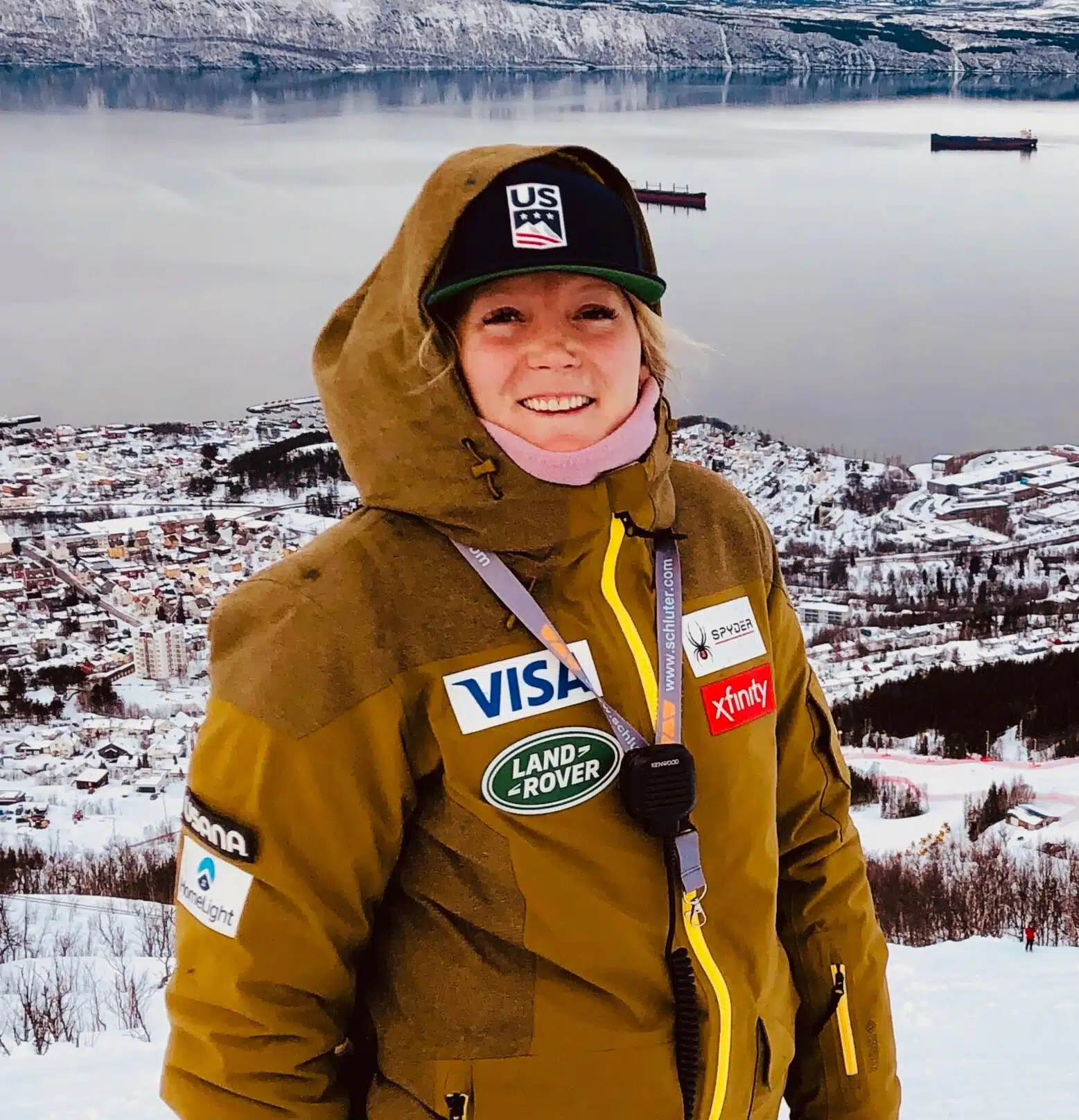
How Sean Doucette, Peter Zawadzki and Jeremy Stonier connected through skiing to make video more accessible for athletes, coaches and families.
Anyone who has coached ski racing knows how much work goes into getting athletes their video. You are setting courses, carrying gates, slipping, running timing and trying to give each athlete something useful before their next run. Somewhere in that day, you also need to film, keep track of who is in each clip and make sure the footage actually reaches the person who needs to see it.
As an athlete and a coach, I have been on both sides of that process. I know how helpful it is to see a run while you can still remember what you felt, and I know how easily video becomes another job waiting at the end of a long training day. By the time everyone is off the hill and the footage is ready, some athletes have already moved on. The athlete who had a tough day may be the least interested in watching, even though they have plenty to learn from it.
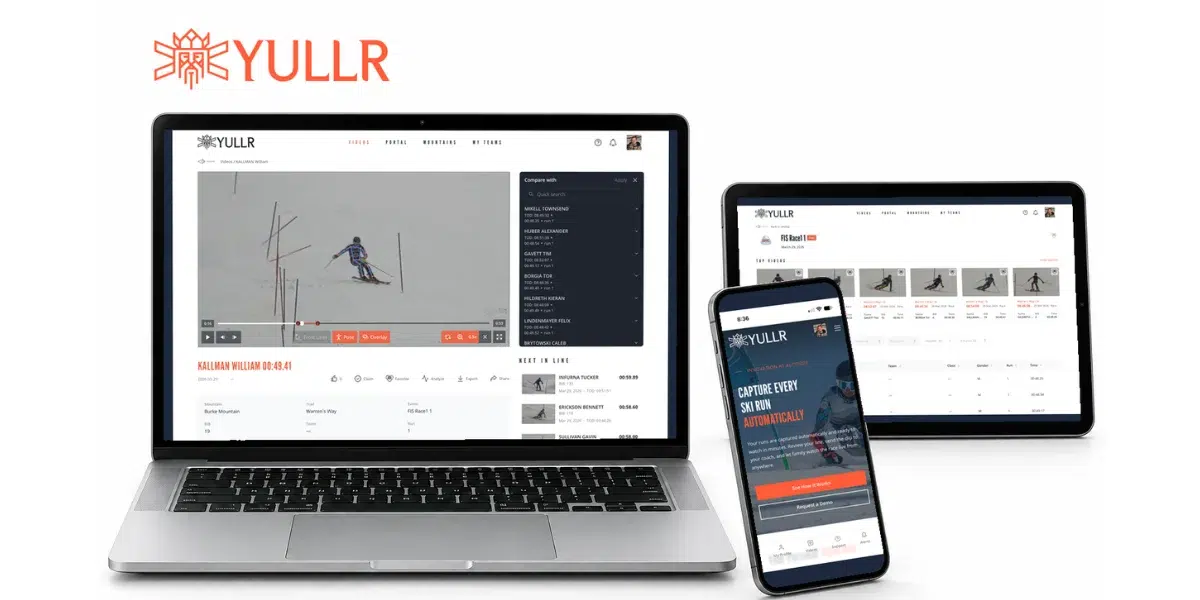
That is the problem YULLR is working to solve. Its automated camera system captures training and race runs and makes the video available online, giving athletes the chance to see their skiing while they are still on the mountain. Behind it are Sean Doucette, Peter Zawadzki and Jeremy Stonier, three founders whose different backgrounds brought them together around a shared love of skiing and an idea they wanted to build.
A Parent with a Camera Problem
For Doucette, the idea began at Cranmore, where his son was racing. Like plenty of race parents, he wanted to help the coaches, and filming seemed like a useful place to start. A group of parents volunteered to take video so the coaches could concentrate on the athletes, but the plan quickly ran into familiar problems.
“We set up cameras and literally the first day it just fell apart,” Doucette said. A camera had not charged, phones were full of clips, and identifying the athletes and getting the right footage to each family became a project of its own. The parents had managed to record skiing, but turning those recordings into something useful was another matter.
Doucette’s professional background gave him a different way to approach it. He had experience with cameras, machine learning and object detection, and he began exploring whether a camera could record the hill while software detected skiers and created individual clips. For races, he found that connecting the video timeline with the timing log allowed him to separate and label runs. Training required another approach because athletes were coming down without those race timing records.
The purpose behind the work was straightforward: give more athletes the opportunity to watch themselves ski, more often. Doucette wanted access to video to be consistent across the group, rather than dependent on whether someone happened to film a particular run.

The Video That Brought Them Together
The first version of the system also put racing on a television in the lodge, which is where Zawadzki discovered it. He was at Cranmore for his son’s race when he noticed the footage playing on a screen. He took a photo, went home and kept thinking about what he had seen.
With a background in broadcast engineering, digital products and building businesses, Zawadzki saw possibilities beyond the screen in front of him. Parents could follow more of a race, athletes could access their footage, and people sitting in the lodge could connect with an event they might otherwise know little about. Eventually, he reached out to Doucette.
“Creating a community around video was really where I saw it going,” Zawadzki said.
Stonier joined after meeting Zawadzki at a New Hampshire Tech Alliance event, where Stonier was speaking and Zawadzki was presenting YULLR. A former global president of Rollerblade with years of experience in the ski industry, Stonier understood the appeal of being able to see your own skiing. But the people behind the idea were just as important to his decision to get involved.
At an early dinner together, the three began sharing their backgrounds. Stonier, whose own life had included dozens of moves before settling in Vermont, expected to have the most unusual story at the table. Instead, he laughed about finding himself in third place.
“There was an instant bond between the three of us,” Stonier said. “We had an amazing energy between us.”
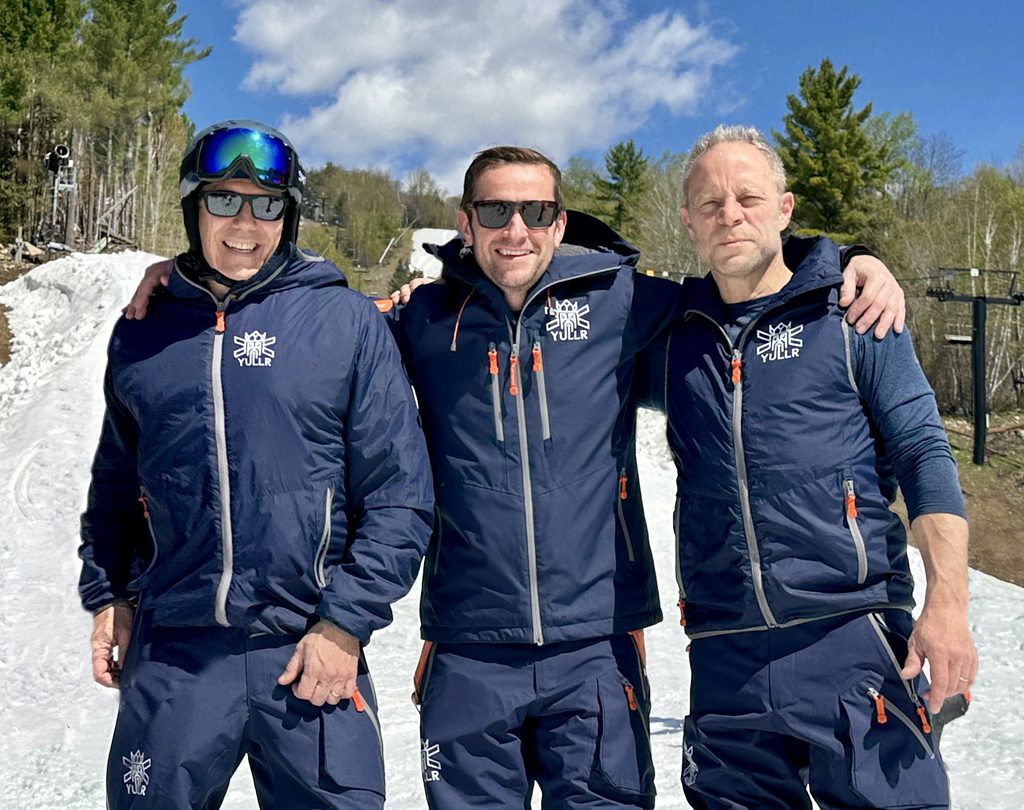
That connection stood out in my conversations with them. Each came to the company with different experience, and each spoke warmly about what the others brought to it. Doucette had built the original system from a problem he experienced as a parent. Zawadzki could see how to develop it into a broader product, while Stonier brought years of industry relationships and experience building brands. Their friendship developed alongside the business, with skiing giving them common ground from the start.
Seeing the Run Before the Next One
YULLR works through cameras installed around a designated training or race trail. The footage is processed locally at the mountain, where the system identifies runs and combines camera views before uploading the finished video. According to Zawadzki, footage is usually available in under a minute after an athlete finishes, and sometimes within seconds, depending on the mountain’s connectivity and setup.
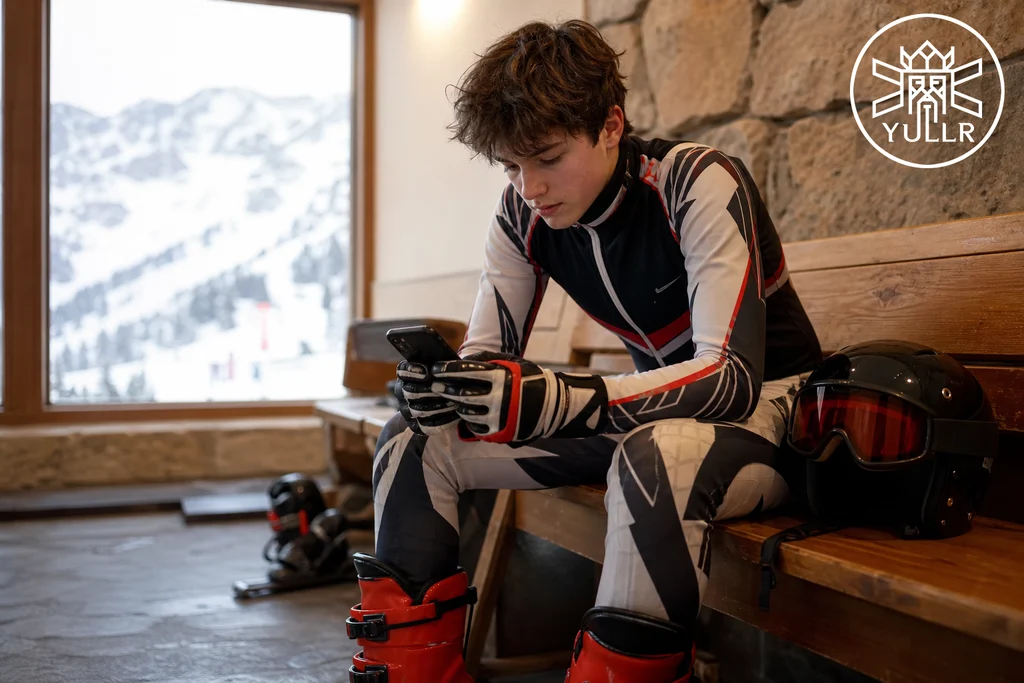
For a racer, that creates an opportunity to watch a run before heading back to the start. Coaches can pull up the footage during a conversation with an athlete and leave comments for them to revisit. The value is in having the video ready when they need it, without someone first having to transfer files, identify each skier and send out individual clips.
Doucette uses the system in his own league racing and understands the appeal firsthand. After taking a run, he wants to be able to watch it while the experience is still fresh. That immediacy has been central to the way he thinks about delivering footage to athletes.
“It really has to come back around very quickly,” he said.
That was one of the parts of our conversations I connected with most. When I was coaching, getting video to athletes quickly mattered because we could use it immediately. An athlete could watch on the chairlift, ask a question or talk through an adjustment before going again. Having the footage available is useful; having it available while the athlete is still engaged with that run makes it easier to coach from.
Giving Coaches More Time to Coach
Making the system useful has also meant learning how little time coaches have to manage it. Zawadzki said early work at Waterville Valley showed the founders that even a promising tool could ask too much of the people expected to use it. Configuring sessions and managing extra steps during the training day competed with everything already happening on the hill.
“We can’t be building a tool that adds workload,” he said.
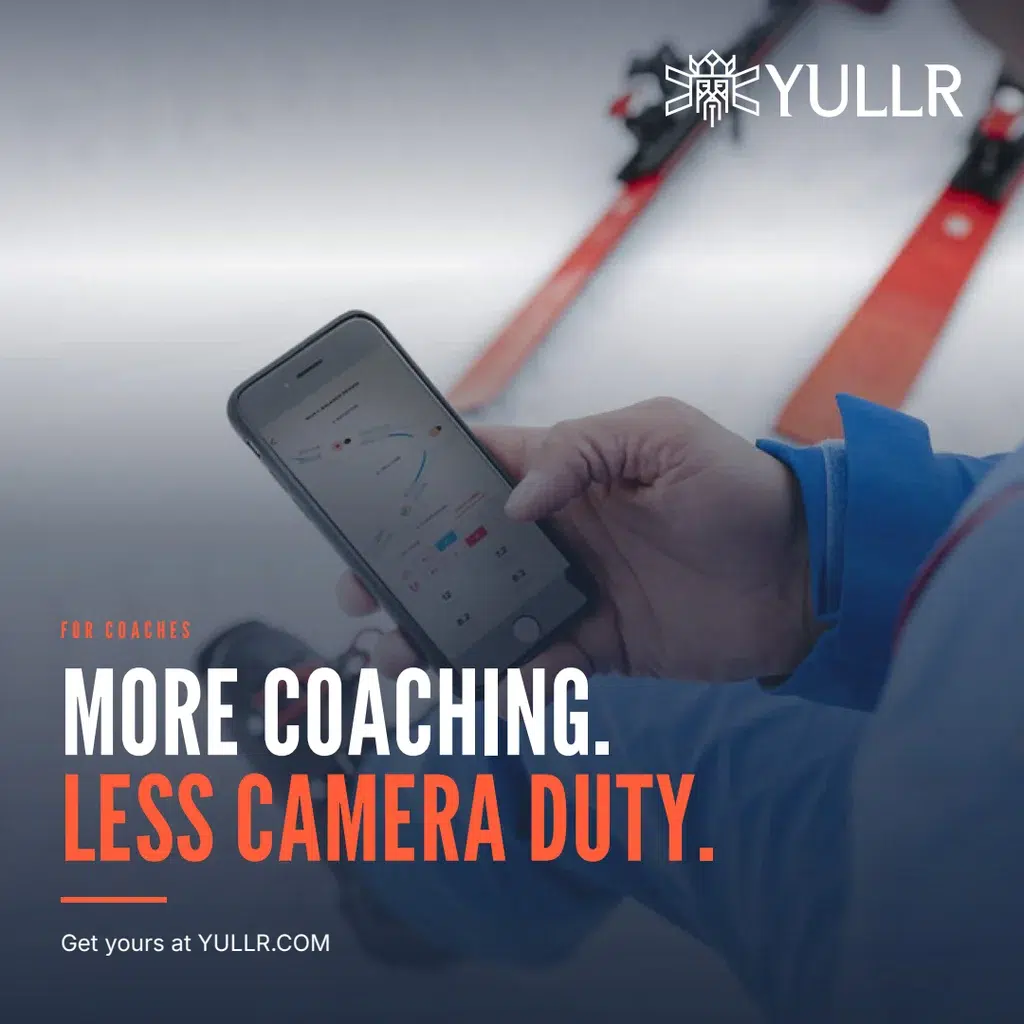
That lesson has shaped the platform’s development. Training can be scheduled in advance, footage can be organized by training lane, and coaches can find the group they are working with without sorting through an entire mountain’s worth of clips. For larger programs running several courses, that organization matters as much as the recording itself.
Stonier describes the aim as “film less, coach more.” Coaches still need to observe, explain and work with their athletes, but the system is intended to take filming and distributing footage off their list. For anyone who has finished training and then spent the evening uploading and sending video, that is a meaningful part of the idea.
Bringing Families into the Race
The same cameras also allow YULLR to broadcast races, with live viewing available without an individual video subscription, according to Zawadzki. That gives families another way to follow an athlete when they cannot be on the hill, and it gives spectators in the lodge a better view of what is happening outside.
Doucette noticed that adding an athlete’s name and team to the footage changed the experience. People could identify who was racing and begin following the event. A race that had been happening somewhere up the mountain became something the lodge could watch together.
“Everyone in the lodge is now connected to the race,” he said.
For the founders, that visibility has value beyond the families already involved. Stonier’s daughter entered racing after watching friends compete and realizing she could do it, too. He hopes showing more youth racing in places where other skiers can see it will help more children make that same connection.
Keeping Ski Racing at the Center
The founders have plans to expand into ski instruction and other parts of the mountain experience, but all three described ski racing as central to YULLR. Stonier said their longer-term goal is to use growth elsewhere in the business to help make the racing service more affordable. That remains an ambition, but it reflects the community they want the company to serve.
Their own families are part of that commitment. Zawadzki returned to skiing after more than two decades away, and his family’s enthusiasm eventually led them to move from Cape Cod to a mountain condo. Doucette is still chasing improvement in his own racing, while Stonier saw how much his daughter’s skiing developed through a single season in a race program.
Those experiences help explain why the three connected so quickly. They understand the hours families spend getting to races and the work coaches put into a training day. Their shared enthusiasm for skiing has become a friendship and a business built around making those days easier to capture. For coaches, athletes and families, that means having more of the skiing available to watch, talk about and keep.
About the Author: Katie Twible
Related Post