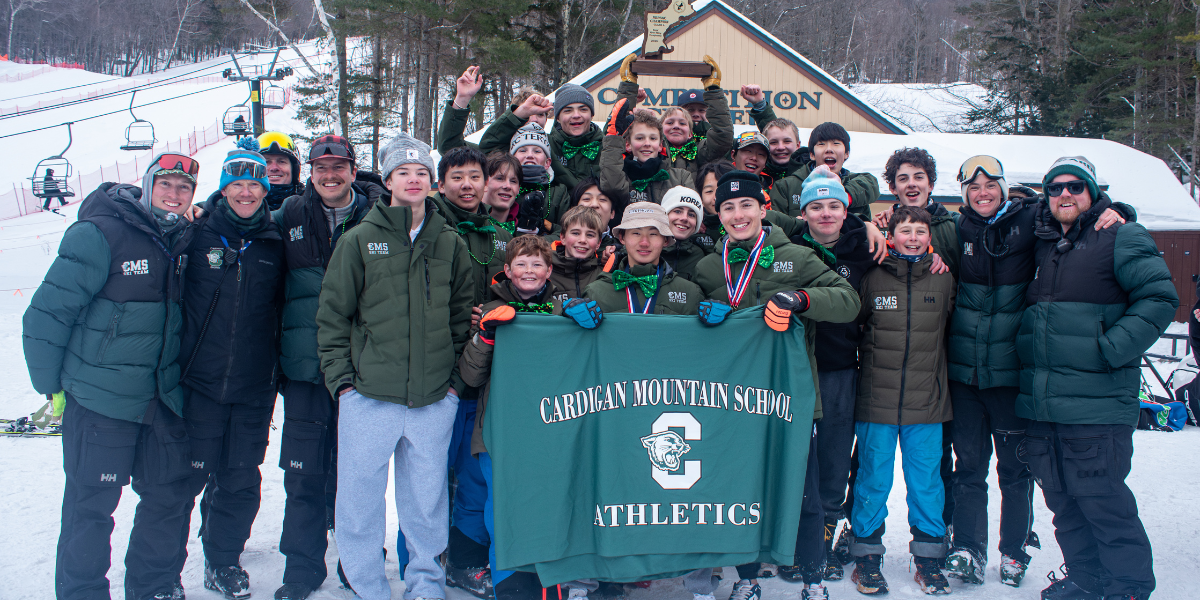
It was a wonderful week on the Streif. Teammate Travis Ganong finished 3rd in the final downhill and Jared Goldberg earned 4th, in the first of the two downhills. I placed 38th in the first one, but only (+1.98) slower than the winner. The race proved to be one of the closest races ever run on a full length Streif. The next day I crashed on the carousel left-footer entering the steilhang and came away un-injured, but with a ski broken in half. I will provide a glimse behind the scenes at Kitzbühel and talk about the demands these types of downhills put on the skis.
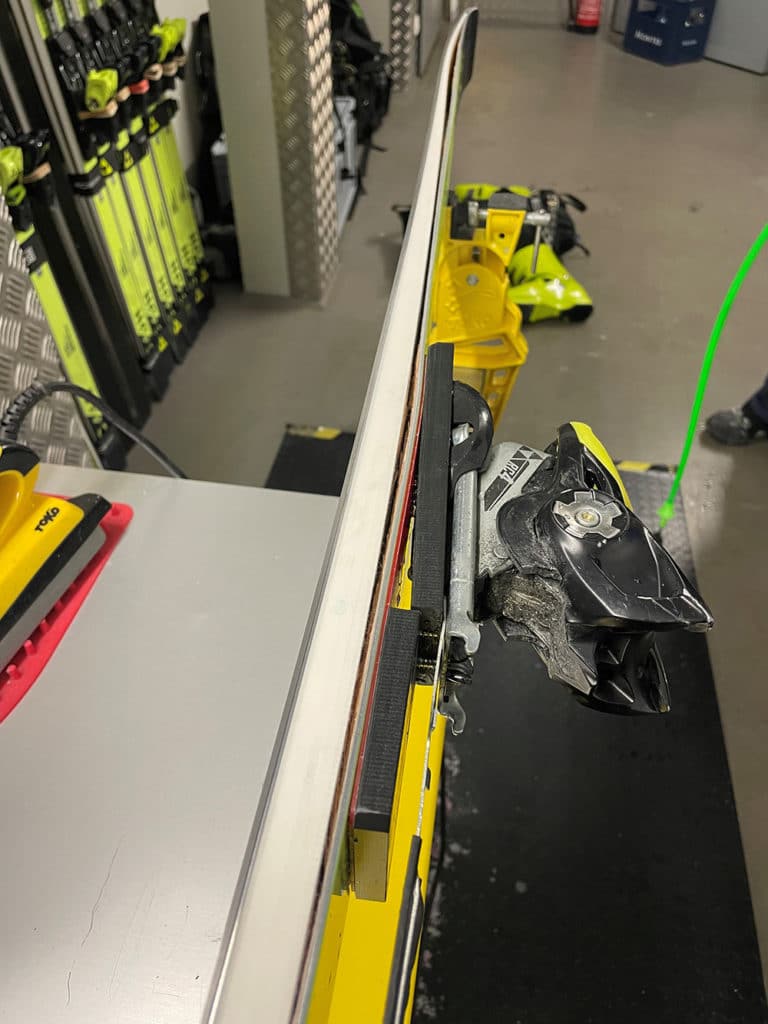
Burning your skis is detrimental because it makes the base slower, having all these fuzzy new base fibers dragging, and more importantly, it makes your base bevel ‘railed’ since the base material next to the edge is ripped away and your ski will now ride edge high which makes it ski ‘hooky’. The skis are put through quite the ringer on the big gnarly icy downhills, such as Kitzbühel and Bormio.
Due to the course lengths and the icy water-injected surfaces, an incredible amount of friction is created on the base of the ski immediately next to the edge, typically underfoot. This friction creates heat which then melts the base material of the ski, leaving this part of the ski looking melted, fuzzy, chunked out, or boiled just inside the edge. How severe the burn is depends on where in the course the damage occurs and how long the base continued to melt. You might see potential base-burning conditions at places with high moisture and frigid temperatures, like New England! But fear not; there are ways to prevent this.
· The first option is to use skis with thicker edges; having more steel surface area helps dissipate the heat energy away from the base material.
· The second is to wax hard, durable, cold, temp waxes that will last longer and provide additional friction resistance to the base material.
· Lastly, burning often occurs in the finish when sliding to a stop after a long run. I recommend standing up, taking a deep breath, and gently sliding your skis instead of doing a hockey stop to help prevent the common finish area burn.
If you end up burning your skis, here are three ways to repair them.
· 1st-degree burns: If the burn is less than 3 inches and not very deep, you can use the Dark Brown sheet and rub it along your base over the burn. Then hot scrape with a colder wax and hit the burn spot again with the FiberTex before brushing and finally re-waxing with a hard wax for storage.
· 2nd degree burns: If the burn is long but not that deep, you can bring your skis to your local shop and get a regrind to eliminate the burn and reset the base bevel. Depth can be determined by dragging your fingernails across the base, perpendicular to the ski’s edges, and moving towards the edge. If your nails catch hard on the underside of the edge, then your burn will require a regrind.
· 3rd degree burns: If the burn is long and very deep, the only option left, which is what I have to do most of the time on the World Cup, is to send the skis back to the company (Fischer, in my case) to have the burn section of the ski physically cut out and then new base inserts glued back in followed by a regrind. This is only performed on skis I know are fast and to save them from a fiery death.
Next stop, World Champs in Courchevel! -Moose
About the Author: Sam Morse