In a sport where the margins between victory and missing the podium can be less than a tenth of a second, I believe one crucial factor separates the top athletes from the rest of the field. As a recent graduate and “retired” ski racer, I wanted to share what I discovered during my final season — lessons that helped me finish my career with my best results.
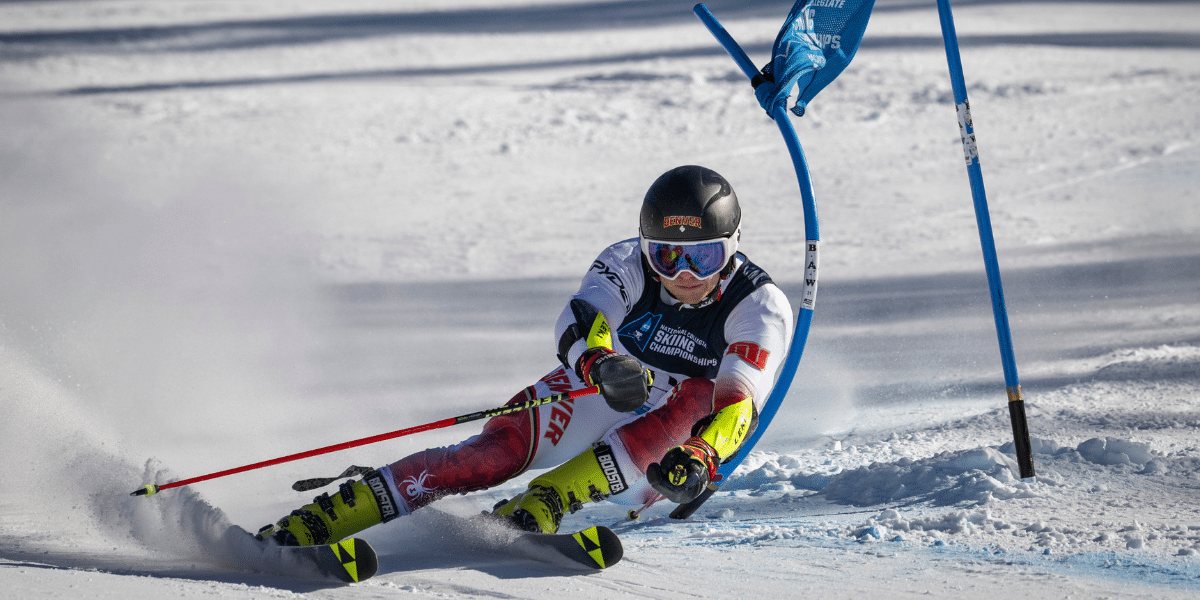
After a brief stint on the U.S. Ski Team, I competed for the University of Denver while earning my degree. I finished my career ranked inside the top 150 in the world — a level that gave me valuable perspective on the mental demands of elite competition.
From a young age, I embraced the “more is always better” approach to training. I lifted more, biked more, ran more, and took more training runs — anything I thought might improve my skiing. Yet, I spent almost no time developing one of the most critical pieces: mental strength. Once you reach a certain level, every competitor can make elite turns. What truly separates racers is mental ability, especially on race day. It’s not about perfection; it’s about performing at your highest potential — managing the start gate, recovering from mistakes, and responding to setbacks with focus and intent.
The Weight of Expectations
Expectations act as a double-edged sword. They can motivate us to reach higher and work harder, yet they can also become burdensome, clouding focus and stifling performance. When we fixate on meeting specific expectations — whether self-imposed or external — we risk becoming paralyzed by fear of failure or the pressure to meet a standard. That anxiety limits natural ability and sparks hesitation.
When we release rigid expectations, we create space for creativity, authenticity, and enjoyment — all essential ingredients of a strong performance. This mindset shift often leads to unexpected breakthroughs. Sometimes, letting go is the key to truly thriving in your sport.
Freedom in the Final Year
I’ve watched this shift unfold in many athletes during their final season, and I experienced it myself. In those moments, the pressure to meet future goals or secure the next year’s opportunities disappears. No longer worrying about scoring FIS points or meeting team criteria, you ski free from constraints. That freedom allows your refined skills to take over without expectations clouding judgment.
Many youth races have started experimenting with removing live timing. At first, it seems counterintuitive — how could taking away results help athletes improve? Yet, without instant feedback, racers detach from the immediate gratification or disappointment of numbers on a screen. They reflect on how they skied rather than where they placed. It’s a small but powerful step toward building the mental resilience many of us only discover late in our careers.
Training Less, Performing More
Throughout my career, I often won training days before races but struggled to match that level when it mattered most. Teammates I had beaten in training stood on the podium while I landed mid-pack. I blamed course sets, snow conditions, or even my setup. I adjusted canting, changed lifts, and rationalized the frustration. In truth, my preparation and equipment were close to optimal — my mindset wasn’t.
During my senior year at DU, scheduling conflicts forced me to miss two training days each week. I trained fewer days that entire season than I did during the preseason of my post–high school gap year. Yet, I achieved career-best results. The takeaway wasn’t that training less helps — it was realizing that my speed wasn’t the issue. My ability to perform mentally was.
Focusing on Quality, Not Quantity
With limited training, I focused on maximizing each session. Reviewing video from the previous day gave me clarity and purpose. Every morning, I arrived on the hill with a plan and intent. That approach carried into races far more effectively than endless laps. Treating every run with the same intensity as race day made the difference. While volume builds strength, intention sharpens performance. Quality always outweighs quantity during competition season.
Redefining Goals
Another major change was my approach to goal-setting. My earlier goals focused on outcomes: achieving a specific world rank, podiuming at certain races, or qualifying for major events. Those goals depended on results — factors partly outside my control.
In my final season, I shifted to process goals. I aimed to stand in the start gate mentally primed to ski as fast as possible. I committed to skiing in the present, free from worry about results. I prepared fully so that, when race day came, I knew I had done everything possible to be ready.
Outcome goals still matter — they qualify athletes and set benchmarks — but attaching identity or self-worth to them becomes counterproductive. Focusing on the process builds consistency, resilience, and joy in the work itself.
Building a Mental Edge
Reaching this mindset isn’t easy. It often takes a sport psychologist, a trusted coach, or a supportive teammate to help athletes make the shift. Still, it’s a skill anyone can learn with practice. Top athletes share this ability: they understand that mental performance is as trainable as technique or fitness.
Mindset has become a bigger conversation in recent years, and that’s encouraging. Mental strength is a vital piece of the performance pyramid. Without it, an athlete is missing one of the few tools that can keep improving long after physical limits have been reached.
Enjoying the Process
These lessons seem like common sense in hindsight, but they’re easy to overlook. My hope is that another athlete reads this and finds the reminder they need. I enjoyed my final season more than any before it because I embraced the process instead of fearing the outcome.
This sport can be cruel, but we do it because we love it. We enjoy the challenge, the growth, and the daily pursuit of better. Expectations can be paralyzing — don’t let them steer you. Embrace the process, stay present, and take pride in this rare journey you’re part of.
About the Author: Trey Seymour