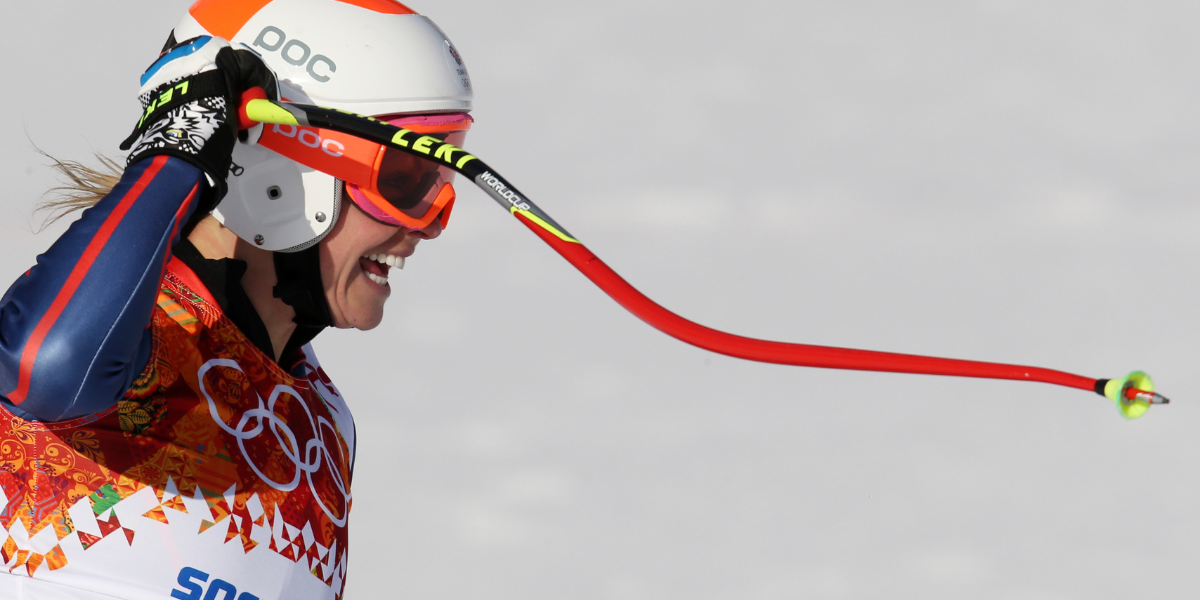
Chemmy Alcott Ski Sunday host / Sochi Olympics / GEPA pictures
For nearly half a century, the opening notes of “Pop Looks Bach” signaled that ski racing was about to enter British living rooms.
Now, that familiar winter ritual is ending.
The BBC announced Sept. 1 that it will discontinue “Ski Sunday,” closing a 48-year run for one of Britain’s longest-running sports television programs. The broadcaster cited changing viewing habits, financial pressure and the need to deliver value across multiple platforms.
However, “Ski Sunday” was more than another program on the BBC schedule. For generations of British viewers, it provided a window into a sport contested on distant European mountains. It introduced the racers, explained the competition and helped transform unfamiliar names and venues into essential parts of winter.
Its disappearance leaves a significant gap in the way alpine ski racing reaches a mainstream British audience.
From Innsbruck inspiration to a British institution
“Ski Sunday” first aired in 1978, two years after Franz Klammer’s unforgettable downhill victory at the 1976 Innsbruck Winter Olympics helped expand international interest in alpine racing.
David Vine became the program’s original and defining presenter. With his calm delivery, he helped viewers understand a sport filled with speed, risk and rapidly changing conditions.
The program later became part of the BBC’s “Sunday Grandstand” coverage. Over time, it helped turn racers such as Klammer, Konrad Bartelski and Michela Figini into household names in Britain. It also made venues such as Val-d’Isère and Val Gardena familiar to viewers who might never have visited the Alps.
Former British racer Graham Bell later became one of the program’s leading voices. Snowboarder Ed Leigh eventually joined him as “Ski Sunday” expanded its coverage beyond traditional alpine racing.
Four-time British Olympian Chemmy Alcott became Leigh’s lead co-presenter in 2021. Together, they formed the program’s most recent presenting team and carried its coverage into a changing media environment.
The Independent reported that the BBC will continue covering portions of the Winter Olympics, but the weekly seasonal program will not return.
A soundtrack that meant winter had arrived
“Ski Sunday” also possessed something few sports programs ever achieve: a theme song inseparable from the show itself.
Sam Fonteyn composed the violin-led “Pop Looks Bach,” which was recorded for the Boosey & Hawkes Music Library in 1970. It was not written specifically for “Ski Sunday.” Nevertheless, the arrangement became one of British sports television’s most recognizable themes.
For many viewers, hearing it meant winter had arrived.
Yet the program’s influence extended far beyond nostalgia. Ski racing can be difficult for a general audience to follow. The competitions take place across several countries, often early in the day, and the athletes disappear behind helmets and goggles.
“Ski Sunday” gave those athletes identities. It connected one weekend to the next and helped viewers understand why a run in Wengen, Kitzbühel or Val Gardena mattered. In doing so, the program made a specialized sport feel accessible.
As the Guardian noted, the show helped make international alpine racers household names in the United Kingdom.
The Baxter Diaries created a personal connection
For Ski Racing Media, the end of “Ski Sunday” also carries a personal connection.
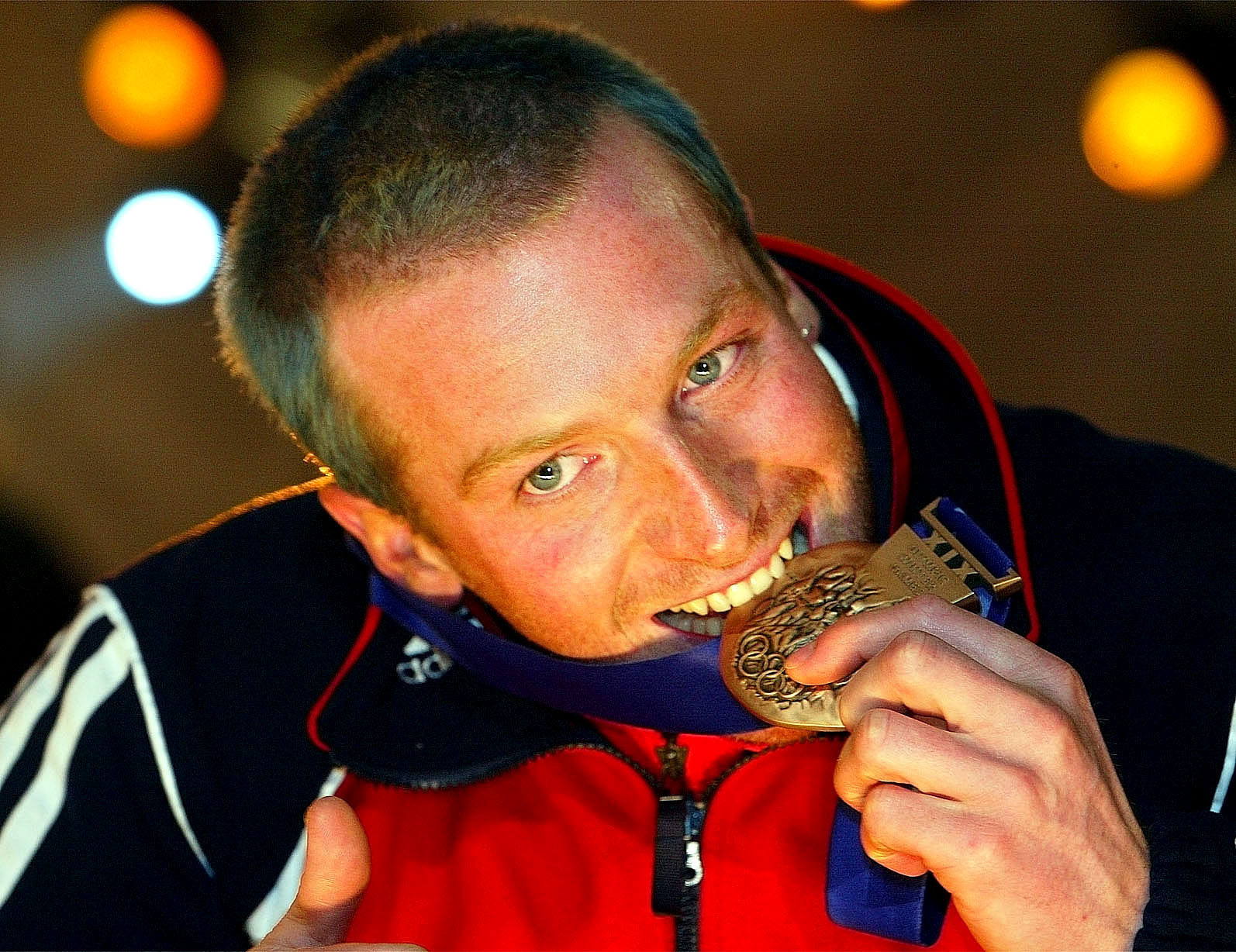
Current publisher Peter Lange was part of the program’s “Baxter Diaries” features while working with British slalom star Alain Baxter in the early 2000s. Those segments took viewers inside Baxter’s life as he pursued success against the world’s strongest alpine nations.
Baxter produced his historic performance at the 2002 Salt Lake City Olympics, crossing the finish line third in the men’s slalom. He became the first British alpine skier to earn an Olympic medal, but officials later disqualified the result because of a prohibited substance contained in an American-specific formula of a common nasal inhaler.
The “Baxter Diaries” represented “Ski Sunday” at its best. The program did not limit its coverage to results. Instead, it introduced viewers to the people behind those results and showed what it took for a British athlete to compete on the World Cup circuit.
That storytelling gave audiences a reason to care before the start wand opened and long after the final racer crossed the finish line.
Click on the image to enlarge
BBC points to changing audiences and financial pressure
BBC Sport said changing audience behavior and difficult financial decisions forced it to reassess how it serves viewers across its platforms.
Philip Bernie, head of BBC Sport events, called “Ski Sunday” a “truly iconic program” and acknowledged its role in bringing winter sports to generations of British viewers.
“These decisions are never easy,” Bernie said.
The cancellation comes as the BBC continues to reconsider its sports programming and broadcast-rights strategy. Earlier in 2026, it also ended “Football Focus” after 52 years.
Still, the decision carries particular consequences for winter sports. Soccer remains nearly impossible to avoid in Britain. Alpine ski racing does not possess the same built-in visibility.
When a mainstream broadcaster removes a program such as “Ski Sunday,” the sport loses more than airtime. It loses one of its most effective routes to casual viewers, young athletes and families encountering ski racing for the first time.
Chemmy Alcott mourns the program that inspired her
For Alcott, “Ski Sunday” connected her childhood ambitions with her life after racing.
She said the program had been part of her life for 39 years and helped inspire her dreams as a 5-year-old. Alcott eventually moved from watching the show with her family to presenting it herself.
Her journey illustrates the program’s generational reach. “Ski Sunday” did not simply cover British winter sports. It helped create future participants, supporters and storytellers.
The program also adapted repeatedly. Its coverage expanded to include snowboarding, freestyle skiing, athlete profiles, travel features and broader mountain stories. Although those changes reflected the evolving winter sports landscape, alpine racing remained central to its identity.
The program ends, but its work remains necessary
Audience habits have unquestionably changed since 1978. Fans can now stream races, follow athletes directly and watch highlights whenever they choose.
However, access is not the same as storytelling.
A race stream shows the competition. A program such as “Ski Sunday” explains why the competition matters, introduces the people involved and invites new viewers into the sport.
For 48 years, it brought the mountains home. It gave British ski racing a national platform and helped international racers become recognizable figures far beyond the traditional alpine countries.
The BBC may no longer believe that work belongs in a weekly television program. The need for it, however, has not disappeared.
When “Pop Looks Bach” no longer opens a Sunday winter broadcast, British ski racing will lose more than a familiar tune. It will lose one of the voices that taught a nation how to watch.
About the Author: SR Staff Report