Beyond Positive Thinking: 5 Mental Strategies to Start Your Ski Racing Season Strong

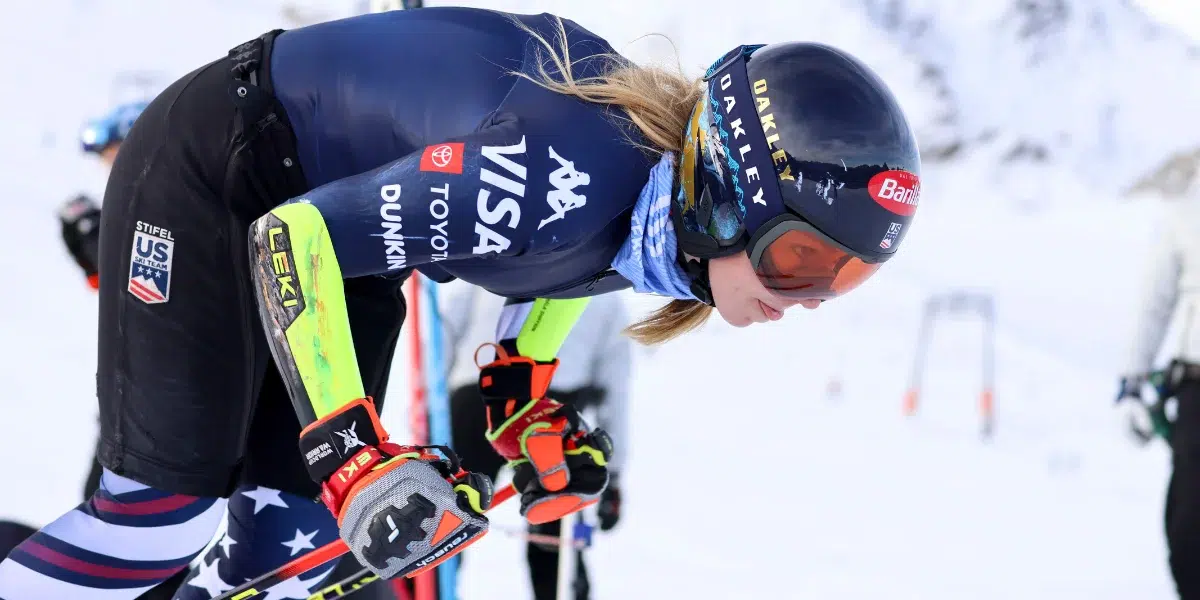
Mikaela Shiffrin pushes out of the start gate during training ahead of the 2026 World Cup opener in Sölden. Photo by GEPA.
A new ski racing season brings new opportunities, new challenges, and, of course, new expectations. You’re preparing physically, technically and tactically. But what about mentally?
As a former ski racer and coach, and now a sport psychology coach, I spend a great deal of time helping racers develop the mental skills to bring their training into competition.
Here’s something I want you to know: Mental toughness isn’t about always thinking positively, feeling confident, or being fearless. It’s about developing the skills to think and respond effectively to whatever shows up, including nerves, doubts, mistakes and pressure.
As we head into the 2026-27 season, here are five mental strategies for ski racers I regularly use with my one-on-one athletes to gain a mental advantage.
1. Learn From Last Season. Don’t Live In It.
I understand that last year’s results may influence your points, bib number and early-season start position. That’s part of ski racing, and I’m not suggesting you ignore it. But beyond that, everything that happened last season is in the past. That doesn’t mean we forget about it. It means we get to decide what we carry forward.
Whether last season was one to celebrate or one you’d rather forget, there’s something to learn from either experience. And while it may have been difficult to recognize those lessons in the moment, now is a great time to identify them.
Review your habits and responses
Look beyond the results. What did you learn about your preparation? Your attitude? Your character and how you responded to challenges? Which behaviors helped you perform, and which ones held you back?
Most importantly, what will you intentionally carry forward or do differently this season? Take the lessons from last season, not the limitations. Then move forward.
Because regardless of your history, your points or your expectations, each race offers a fresh chance to apply what you have learned. That’s an opportunity worth embracing.
2. Be a Truth Teller, Not a Fortune Teller
This is something I tell all my athletes. So much of what we fear in competition involves predicting something that hasn’t happened. Will I make a mistake? What if I don’t qualify? Could I get injured? How will I feel if so-and-so beats me?
Even the fear of success involves predicting what might happen if things go well. When we become consumed by these possibilities, we’re acting as fortune tellers. We’re trying to predict a future we cannot know.
Instead, I encourage athletes to become truth tellers. A truth teller brings attention back to what is actually happening and what can be done right now.
Ask what the moment needs from you
One of my favorite questions is: What does this moment need from me?
You can make it even more specific to ski racing.
What does this course need from me? How can I best ski this particular section? What do my skis need from me to make the best possible turn?
These questions direct your attention toward information you can use and actions you can take. And that’s what being present and process-oriented is really about. You don’t have to eliminate thoughts about the future. You simply need to direct your attention toward what matters right now.
3. Give Yourself More Ways to Succeed
I know you want results. I know you may feel you need results. And I’m not going to pretend results don’t matter. They do. The objective is to get down the course as fast as possible, and moving higher up the results sheet is something worth pursuing.
But results aren’t the only things that matter.
How you show up matters. Your attitude matters. Your behaviors matter. And your ability to bring your preparation into competition matters. In fact, these are often the experiences that help build the kind of confidence that doesn’t disappear every time a result falls short of expectations.
If you enjoy setting outcome goals, go for it. If you prefer not to set specific outcome goals, that’s equally valid. There’s no single right approach, and you can be just as committed to excellence either way. Regardless of your preference, I encourage you to establish goals for how you want to compete.
What do you want to focus on technically or tactically? How do you want to respond when something doesn’t go as planned? What would make you proud of how you raced, regardless of your finishing position? Why does this matter?
Because success breeds success.
Recognize progress beyond the results
We develop confidence, motivation and momentum through experiences that provide evidence of our ability to accomplish something meaningful. And if the only success you recognize is a particular result, you’re limiting your opportunities to build that evidence.
Imagine finishing a race with a result you’re disappointed in, but knowing you committed to your line, attacked the section you’d been hesitant about, or responded effectively after a mistake. Those are accomplishments. They deserve recognition.
When the result is great, celebrate both the outcome and what you did to achieve it. When the result is unfavorable, you can still recognize progress in the areas you control.
You can say, “It’s coming. I’m doing the things that will give me the best opportunity to succeed.”
That’s how confidence becomes something you continue to build rather than something you constantly wait for a result to give you.
4. Replace Pressure-Filled Demands With Curiosity
Pay attention to the words you use when you think about racing. I have to ski well today. I must qualify. This result matters to me. Failure is not an option.
These statements may sound motivating. And for some athletes, when used intentionally and effectively, they can be. But for many racers, these words shift their attention away from how they want to ski and toward what they’re afraid might go wrong. That shift can increase anxiety and physical tension.
And think about what your body needs to ski well. Fluidity. Adaptability. Timing. The freedom to respond to changing terrain and conditions. It’s difficult to access those qualities when you’re physically and mentally contracted.
One of my favorite alternatives is to lead with curiosity.
Use curiosity to choose a specific action
Instead of “I have to ski well today,” try completing this sentence with something specific to your skiing: “Let’s see what happens when I…” For example, “Let’s see what happens when I commit to my line through the steep section.”
Notice the difference.
You’re still pursuing excellence. The approach still asks something of you. You remain committed to performing. But instead of demanding a particular result, you’re inviting yourself to discover what’s possible through a specific action.
Curiosity doesn’t eliminate pressure. It changes how you engage with it. And that can give you more freedom to express the skiing you’ve worked so hard to develop.
5. Don’t Try to Stop Thinking. Think Less, More Strategically.
How many times have you been told to get out of your head, stop thinking, and just ski? I understand the intention. We want to race freely, trust our training, and avoid overthinking every turn.
But here’s my perspective: The goal isn’t to stop thinking. It’s to think less, more strategically. Even during flow states, the mind is engaged. You’re so absorbed in what you’re doing that you may not even notice how focused you are.
Trying to force yourself not to think can become another mental task that interferes with performance.
Give your attention a clear job
Instead, give your mind a job. Before a run, identify one to three specific things that deserve your attention. These might be technical, tactical, or strategic, depending on the course and what you’ve been working on.
Perhaps it’s your line through a challenging section, your commitment over a blind roll, or your rhythm through a combination. Choose what matters most. Then simplify those intentions into cues you can use.
You don’t need to consciously manage every movement your body makes. That’s what your training is for.
You need to direct your attention toward the information and actions that help your body execute what it already knows how to do. Think strategically. Commit to your cues. And allow your training to take over.
That’s how you give yourself the opportunity to race with both intention and freedom.
Your Mental Advantage Starts Now
These five strategies are just a handful of the mental skills we work on in sport psychology, and they’re tools I regularly share with the athletes I coach. Throughout the season, I’ll be expanding on these ideas, introducing additional strategies, and answering questions you have about the mental side of ski racing.
In the meantime, I encourage you to choose one of these strategies and begin practicing it. Not just on race day, but in training, where you have opportunities to develop the mental skills you’ll want to rely on when the pressure is on.
You don’t have to master all five strategies at once. Start with one, discover what works for you, and continue building from there.
Here’s to a mentally tough and competitive 2026-27 ski racing season!
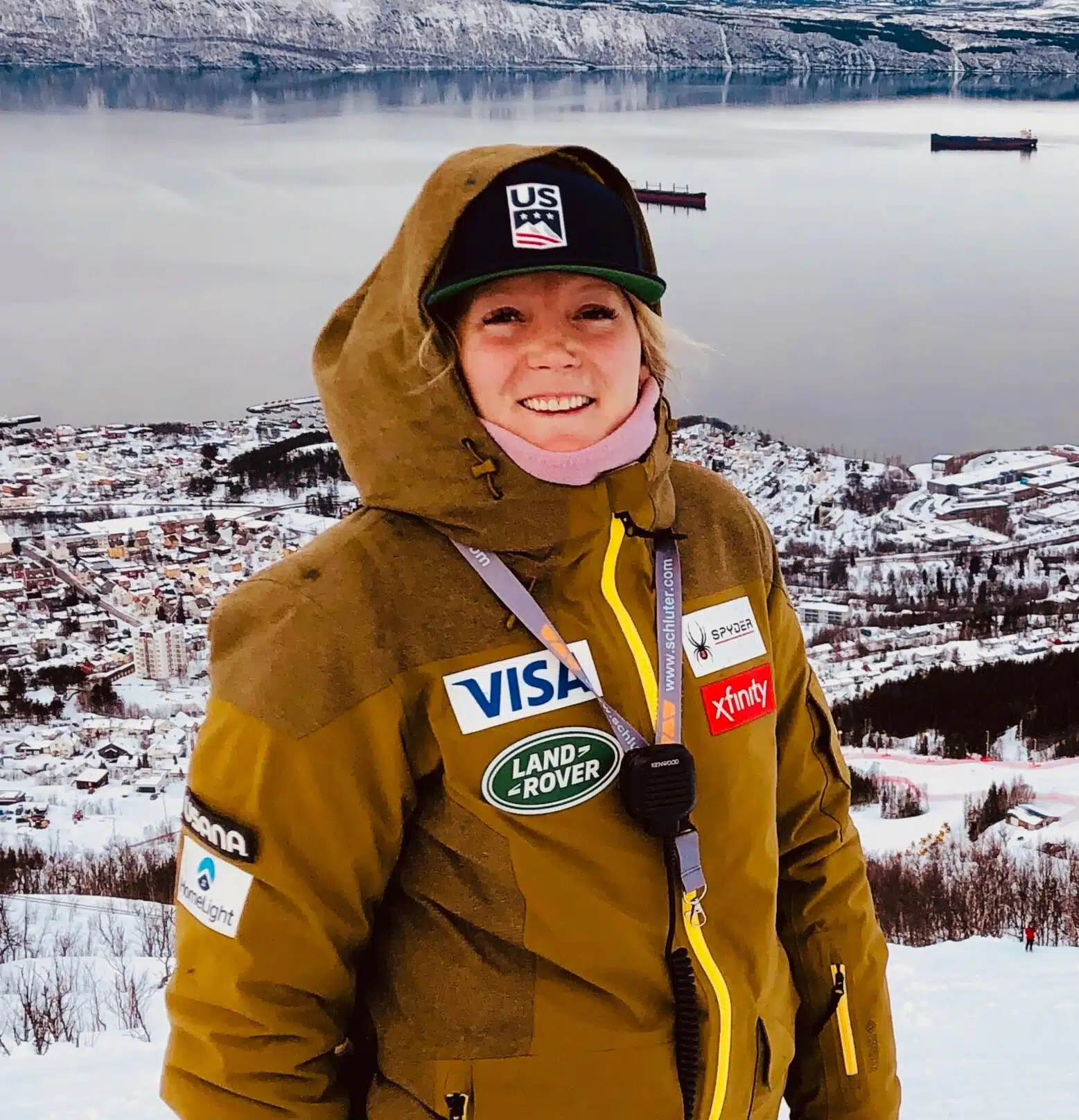
About the Author: Dr. Haley Perlus
Related Post