PrimeMind 3.0 Expands Mental Development Beyond the Athlete

Mental training influences how ski racers prepare, compete and respond to setbacks. But developing those skills consistently remains a challenge for athletes, coaches and programs. Jim Taylor, Ph.D., a longtime ski racing mental performance coach, believes the solution must extend beyond the individual athlete.
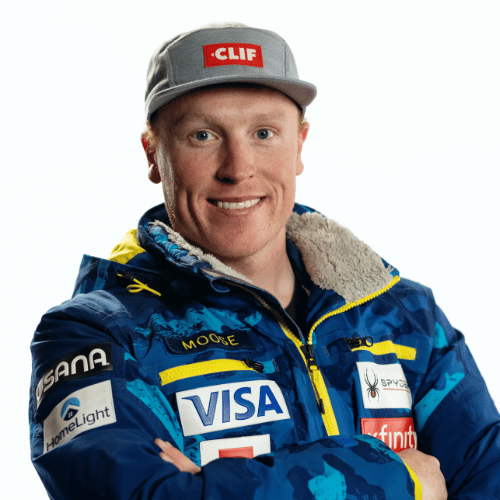
Several months ago, Ski Racing Media introduced readers to PrimeMind, a mental training resource developed by Taylor, a former racer at Burke Mountain Academy, Middlebury College and the University of Colorado. Since then, he has significantly expanded the platform.
PrimeMind 3.0 now brings together mental training and development resources for athletes, coaches, parents and teams. The expansion reflects Taylor’s belief that developing the mental side of ski racing requires more than teaching athletes about confidence, focus, motivation and handling pressure. It requires making mental development a regular part of the overall athlete development process.
That remains a challenge in ski racing. Coaches regularly see how mental factors influence performance. Athletes may ski well in training but tighten up on race day, lose confidence after poor results or struggle with expectations. Yet coaches and programs often find it difficult to deliver mental training consistently.
Time and money are obvious constraints. Few ski programs have regular access to a mental coach, and coaches already have plenty on their plates. Programs may address mental training through an occasional workshop, team discussion or individual intervention when an athlete begins to struggle.
Taylor sees that as one of the central problems he wants PrimeMind 3.0 to address.
“Mental development shouldn’t be something athletes turn to only when something goes wrong,” Taylor said. “The mental side affects how they train, compete, respond to adversity, and develop every day. The challenge is finding a way to work on it consistently without creating another major demand on athletes or coaches.”
From Athlete Mental Training to a Broader Approach
Taylor has expanded PrimeMind 3.0 in two important directions.
First, PrimeMind has expanded beyond mental performance to focus on overall mental development. Performance remains central, but the broader aim includes athletes’ well-being, personal growth and mental health. That means addressing not only confidence, focus, motivation and competitive pressure, but also stress, emotional well-being, resilience, burnout, identity and maintaining a healthy relationship with sport.
“Athletes are people first,” Taylor said. “You can’t separate performance from well-being. The goal is to help athletes perform better while also supporting their healthy development as people.”
Second, PrimeMind has expanded beyond the athlete. PrimeMind 3.0 now addresses four essential needs within sports programs:
• Athlete mental training, well-being and mental health
• Team development
• Coach education
• Parent education
The broader approach reflects a simple reality: athletes do not develop in isolation. Coaches shape the training and competitive environment, teams influence culture and behavior, and, particularly at the youth level, parents can have a major impact on athletes’ experiences in sport.
“The more I worked on PrimeMind, the clearer it became that athlete mental training was only one piece of the puzzle,” Taylor said. “You can give athletes excellent tools, but they still return every day to their team, coaching environment, and family environments. All of those can either support healthy development or make it more difficult.”
Making Mental Development Practical for Athletes, Coaches and Parents
Athletes, coaches and parents face different challenges, often with limited time to address them. PrimeMind 3.0 aims to meet those needs through digital resources that people can access on their phones.
The platform combines brief, practical resources with more structured learning opportunities. Athletes, coaches, teams and parents can access the kind of support they need when they need it.
The variety is intentional. An athlete looking for help the morning of a race needs something different from one working on confidence over an entire season. A coach preparing for a team meeting has different needs from a parent trying to respond well after a disappointing race.
“There is a big difference between learning about something and being able to use it,” Taylor said. “Mental development becomes more valuable when the right resource is available at the right time and can be applied directly to the situation at hand.”
Taking Mental Training Onto the Hill
PrimeMind 3.0 emphasizes putting mental skills into practice during everyday training and competition.
Traditionally, athletes have often learned mental training concepts away from the competitive environment through presentations, articles, videos or conversations with a professional. Those experiences can be valuable, but their impact depends on whether athletes can transfer what they learn into training and racing.
PrimeMind attempts to shorten that distance by helping athletes and coaches integrate mental training into what they are already doing in the gym, on snow and before races.
A skier working on focus, for example, might identify a specific cue before training, practice returning to it throughout the session and evaluate afterward how effectively it worked.
The same principle applies to coaches, teams and parents. Rather than adding another large block of work to an already crowded schedule, PrimeMind encourages them to incorporate mental development into activities and interactions that already occur.
Four Principles Behind PrimeMind 3.0
Taylor built PrimeMind 3.0 around four principles he believes are essential to making mental development an integral part of ski racing programs:
• Consistency
• Scalability
• Affordability
• Impact
Consistency means mental development occurs regularly rather than through an occasional workshop or conversation.
Scalability allows the same system to serve an individual athlete, team or entire program.
Affordability makes ongoing mental development realistic for programs and families that may not have the resources for regular individual mental coaching.
Impact is ultimately the measure of the other three. The goal is not simply to provide more content, but to change what athletes, coaches, teams and parents actually do.
For athletes, that might mean handling race-day pressure more effectively, recovering faster from mistakes or staying motivated all season long. For the broader program, it means creating an environment that better supports both athlete performance and healthy development.
Supporting Mental Coaches, Not Replacing Them
Taylor does not see PrimeMind as a replacement for qualified mental coaches. Instead, he wants the platform to extend their reach, maintain consistency and strengthen their impact.
A mental coach may meet with a team periodically, but athletes continue training and competing between those sessions. PrimeMind can reinforce ideas, provide practical exercises and maintain continuity between meetings.
For programs without a mental coach, the platform offers a more systematic approach to mental development without requiring ski coaches to take on the role of sport psychologists.
“The ideal situation is still having a qualified professional who knows the athletes and the program,” Taylor said. “PrimeMind can give that person more reach and help athletes continue doing the work between meetings. But few programs have that luxury. PrimeMind can fill that absence.”
Making Mental Development Part of Everyday Ski Racing
Ski racing has become increasingly sophisticated in nearly every area of development. Programs carefully plan physical preparation, examine technique frame by frame and track training, equipment, recovery and performance data in ways that coaches could scarcely have imagined several decades ago.
The mental side has often received less systematic attention, even though its influence is obvious to anyone who has spent time around ski racing.
Mental readiness does not suddenly appear when a racer enters the start house. It develops over time, which is why Taylor believes athletes and programs should train the mental side consistently, just as they train physical and technical skills.
PrimeMind 3.0 aims to make that approach practical for ski racing programs, integrating mental development into the everyday process of becoming a better athlete.
“The goal isn’t to convince athletes that they should ‘do mental training,’” Taylor said. “It’s to reach the point where developing the mental side is simply viewed as another part of becoming a better ski racer.”
PrimeMind 3.0 offers resources for athletes, coaches, parents and teams seeking to make mental development a regular part of their programs. To learn more, visit PrimeMind 3.0 or schedule a conversation with Taylor.
About the Author: SR Staff Report

Related Post