FIS Ski Training Safety Code: 10 Takeaways for Coaches

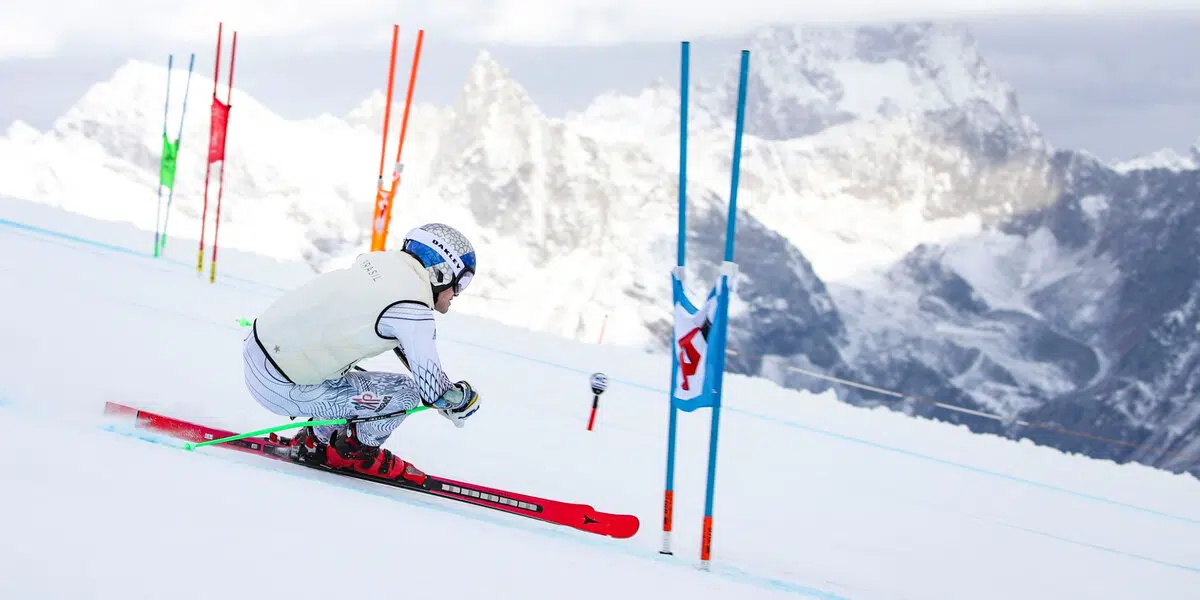
Lucas Pinheiro Braathen / Sölden training / GEPA pictures
The International Ski and Snowboard Federation (FIS) announced its Code of Conduct for Training and Safety on Nov. 18, 2026. The code gives ski areas, coaches, team staff and athletes 10 voluntary recommendations for on-snow training, covering everything from who can enter a course to how teams coordinate an emergency response. FIS announcement
The guidance applies at every level. For a club sharing a hill with another team, the code gives coaches and ski area staff a common reference for a question they need to settle before the first athlete pushes out of the start. Who can put the course on hold, and how does that call reach the start?
What FIS recommends before the first training run
FIS advises teams to consider slopes approved for racing at the national or international level, a process known as homologation. The federation also calls for following the venue’s plan for course and finish-area protection, including the timing setup. Teams should check the condition of safety installations each day and assess weather and visibility before training.
The slope and its preparation should suit the discipline and the athletes who will ski it. When several teams train at once, FIS asks coaches to consider how many courses the hill can accommodate and coordinate who will maintain the surface. Athletes should have time to inspect the course and warm up.

How teams can manage a shared training hill
FIS calls for ski areas and teams to keep the training venue separate from public trails and limit traffic on the course. The code also asks teams to agree on clear commands, position staff along the hill and keep them in contact with the start. Emergency procedures need to reach the people on the hill, with local rescue resources factored into the plan.
Consider two clubs with giant slalom courses on the same hill. At the morning briefing, they can agree on who calls for a hold if someone enters a course, who relays that call to the starter and who contacts ski patrol if a racer goes down. That gives visiting staff a chance to learn the venue’s procedures before they take up positions.
Is the FIS ski training safety code mandatory?
FIS describes the code as voluntary guidance. It recommends protective equipment suited to the athlete’s age and discipline, including helmets, back protectors, airbag protectors and cut-resistant undergarments. Separate competition requirements still apply. At Nor-Am Cup downhills, for example, the 2026–27 FIS equipment specifications require athletes to wear activated airbag protectors in racing and official training. Read SRM’s coverage of the Nor-Am airbag rule
Coaches can download the one-page code and infographic for a staff or team briefing. FIS Athlete Health Corner
About the Author: SR Staff Report

Related Post