It might be unprecedented. Beaver Creek will host two super G races and two downhills over the next four days. If four speed races have ever been contested in as many days, I can’t recall nor find any record of it. The physical toll it will take — or maybe it’s more mental — remains to be seen. But perhaps it might stand as an accidental test of what could be: a calendar of grand slam events. Fewer stops, less travel, more rest and each stop would be of greater importance.
Dreaming aside, this is not a drill. After the snow forced the cancelations of one super G and one downhill last week in Lake Louise, the former was rescheduled for tomorrow. It’s fair to say that since its inclusion on the World Cup calendar in 1997, the Beaver Creek stop has never been so important to speed skiers as it will be in 2021. By the end of the weekend, nearly 25% of the downhill and super G races will have been concluded.
Carpe Diem
Come ready, but who is? There have been exactly four runs on World Cup courses this year, two downhill training runs and one race run in Lake Louise, and one training run in Beaver Creek. Lake Louise is largely a gliders’ paradise with moderate and meandering terrain. Beaver Creek is its antithesis, with the longest sustained pitch on all the World Cup followed by a series of high G-force turns and big air. One is not a great predictor of success on the other. But coupled with their skill set, it’s hard to look past the top-three finishers in Lake Louise.
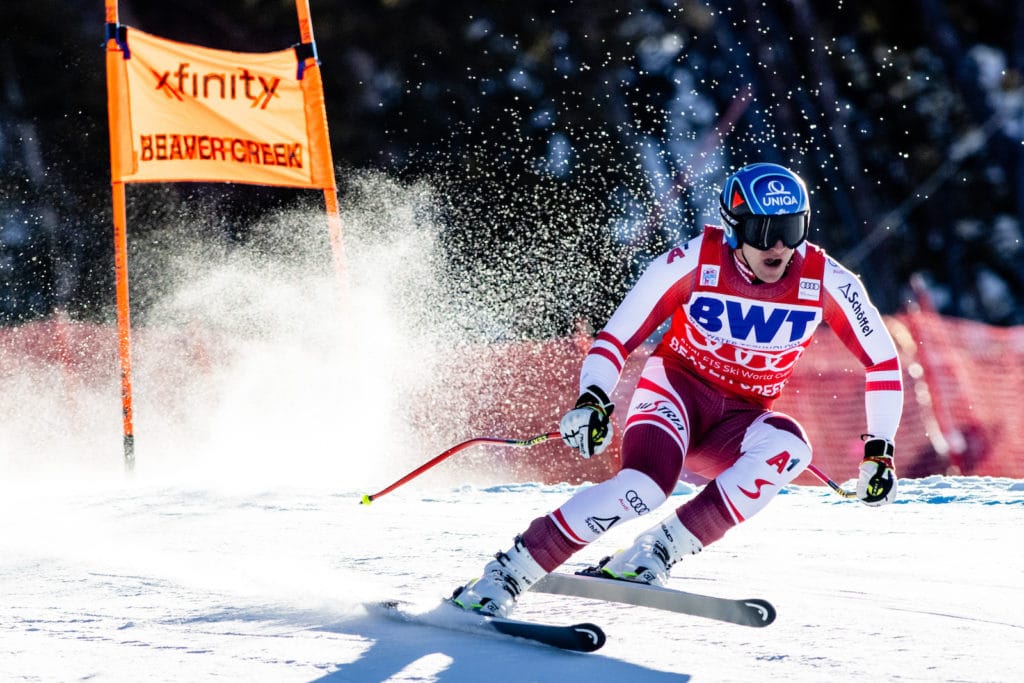
Austria’s Matthias Mayer and Vincent Kriechmayr finished one and two followed by the Switzerland’s Beat Feuz, who has won the last four downhill titles. Neither of the Austrians were terribly fast in today’s training, but technically they’re among the very best on the World Cup. If they can win in Lake Louise, they should be every bit the threat in Beaver Creek. Paradoxically, however, Mayer has never fully solved the Rubik’s cube of the Birds of Prey track, and it might be tricky to get things squared with only one training run. Feuz is the safest bet in downhill. He rarely deviates from the mean, which for him is somewhere on the podium. What’s more, he rarely shows his cards in training yet finished third in training among those who made all the gates. If anyone is hiding an ace, it’s him.
After a sleepy opener in Canada, the Norwegians seem to have snapped out of their slumber posting the two fastest training times by a country mile. 2020 overall title winner Alexander Aamodt Kilde led, followed by the veteran Kjetil Jansrud. Adrien Smiseth Sejersted finished ahead of both his teammates but missed gates. When you put three of your four skiers at the top of the field, that’s a statement. The rising tide that lifts all boats does not apply to all ski teams, but it does to this highly unified squad. They will be a force.
So could be the Americans. They’re not as reliable on race day as seasoned winners like Kilde and Jansrud, but the speed is there. American Jared Goldberg, often fast in training, was again, finishing just behind Feuz.
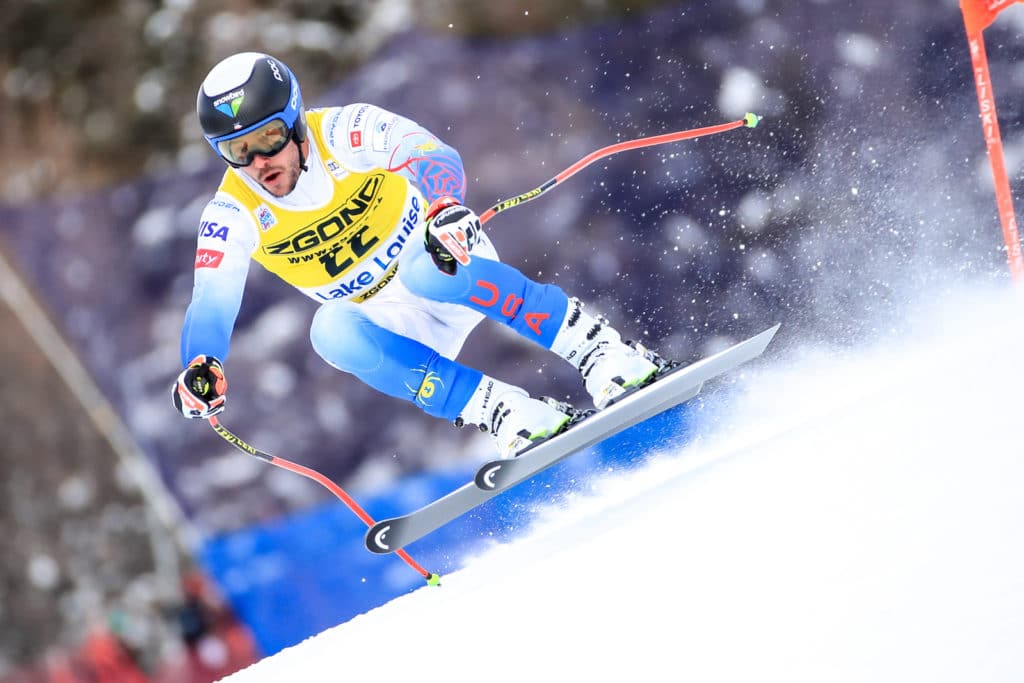
“One day, it will come together for Goldy,” says U.S. speed coach Urban Planinsek. “And he’s been very consistent all fall. You watch.”
Travis Ganong was well off his expectations in Lake Louise but just behind Goldberg today in training. “I think he’s gonna show something, he’s a little angry after Lake Louise,” said Scotty Veenis, another of the U.S. coaching staff.
Ryan Cochran-Siegle was impressive in his comeback race in Lake Louise finishing 10th. Not only was it the first downhill since fracturing his neck last January, but it was his first go with new equipment, HEAD. “The new setup has taken some time for him to adjust to,” said Veenis. “In Copper it really started to come together from a technical standpoint, but he was still searching a bit with the gliding, so 10th (in Lake Louise) was really good, and that’s with a pretty good mistake before the flat.”
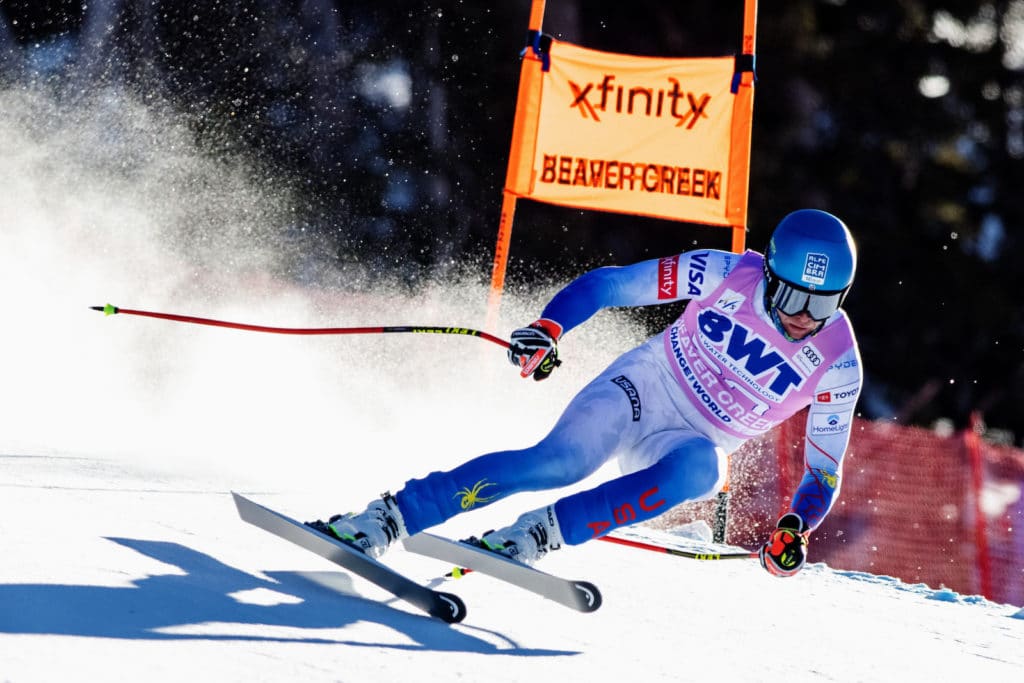
If you could roll the clock back to before the injury, RCS would top the list of contenders in Beaver Creek based solely on his level of skiing. However, in a comeback year, it’s worth noting he has only raced this downhill three times. Veteran Steven Nyman, second oldest in the field at 39, will have to draw on his 15 years of experience at Beaver Creek as he continues to make a comeback after two years of injury. But he, along with Bryce Bennett and Erik Arvidsson, can all be counted among skiers with potential to get in the points, if not inside the top 10 on their best days.
With more wins than any other skier in the field, 14, it’s tempting to put Italy’s Dominic Paris on the favorite list. He is the best downhill skier to have never won a downhill title. His retired compatriot, Peter Fill, won two downhills and managed two downhill titles. Feuz turned 12 wins into four titles. The difference? It might just be the Birds of Prey track. The dry Colorado grip seems to be the Italian’s nemesis. He hates it. It’s like someone who doesn’t like chocolate. Hard to imagine for most of us, but they don’t usually come around to the taste later in life.
Super G and the overall battle
It is hard enough to win the overall just once, but for reigning champion Alexis Pinturault, 2022 promises to be harder still for the 30-year-old. Last year, he benefited from a calendar with 11 slalom races but only seven downhills. The slalom stalwart rarely races downhill and only competes on the more technical super Gs.
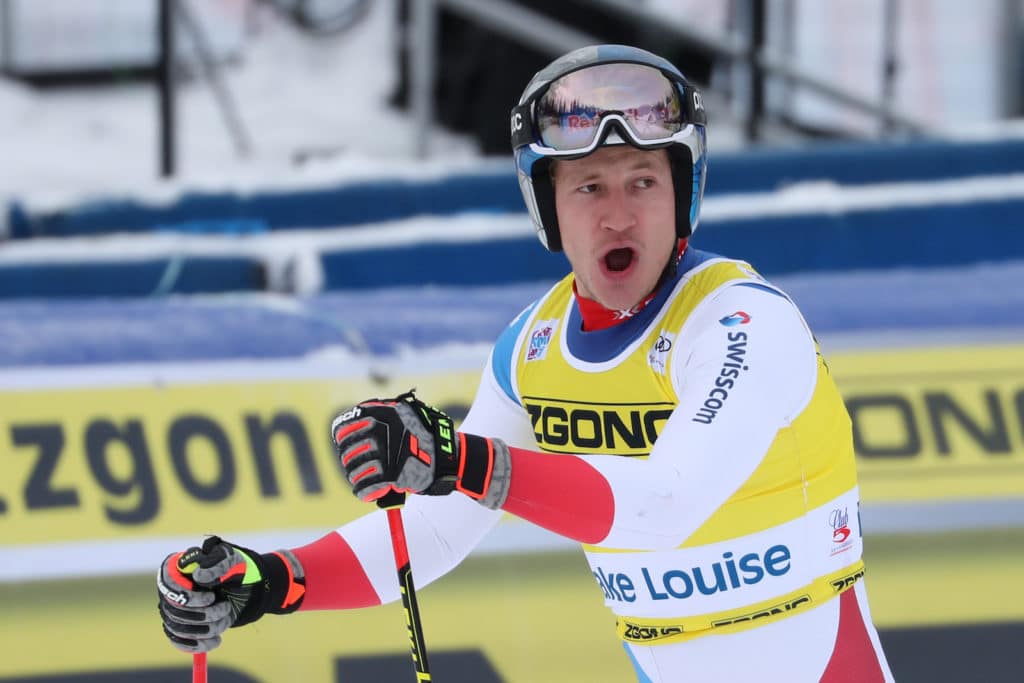
His closest rival last year, Switzerland’s Marco Odermatt, doesn’t compete in slalom. However, this year, there are an equal number of races in each discipline, nine. Given no change in their level, odds makers would favor Odermatt in 2022. Here’s the wrinkle: Odermatt looks even better this year in downhill and given his spectacular SG victory in the 2019 edition of Beaver Creek, it’s not impossible to imagine him coming out of the weekend as the single-highest point earner.
That said, this might be one of the few venues where Pinturault is not only a threat for the super G podium but has a chance to score in the top 15 in downhill. It’s a huge boon to the Frenchman that such a large portion of speed will be contested on a track so suited to his skills. Whether that’s enough to at least slow the Odermatt advantage will be known only on Sunday. And by then, we might also learn that the 2020 champion, Kilde, is fully healed from his ACL injury last January and on course for another title of his own.
About the Author: Steve Porino