David Ryding, the most successful British skier in history, has carved his name into the history of alpine skiing. Known for his resilience, dedication, and late start in snow skiing, Ryding’s journey is simply inspiring.
Triumph in Kitzbühel
In January 2022, skiing with bib 15, Ryding won the World Cup slalom in Kitzbühel. This victory at the sport’s most prestigious race cemented his legacy. “Winning in Kitzbühel was a dream come true,” Ryding recalls. The energy and history of the place make it special.”
Consistent Podium Finisher
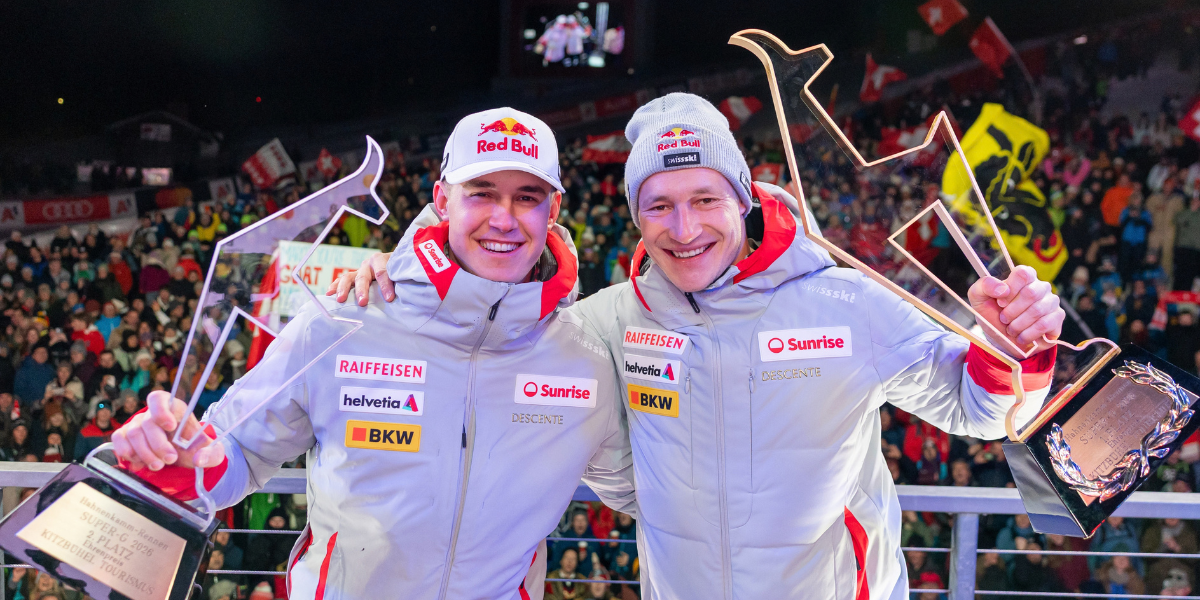
Ryding has also claimed second place in the World Cup four times. Notably, he finished second in Kitzbühel (2017), Garmisch (2022), and again in Kitzbühel (2024). Additionally, he secured second place in a Parallel City Event in Oslo (2019). His impressive record includes third-place finishes in Adelboden, Switzerland (2021), and Madonna di Campiglio (December 2023).
Including his podium finishes, Ryding has been among the top 10 an impressive 29 times, achieving this feat in 10 different countries, with ten top-ten finishes in Austria alone.
A Critical Decision: Continuing the Journey
A year ago, Ryding believed the 2023-24 season would be his last. He shares his thought process: “I always saw the 2023-24 season as a fitting finale. After the last Olympics, each year felt like a bonus. But something changed last season. The results continued and the fire in me didn’t go out.”
The turning point came around Christmas when he started the season strong with fourth- and third-place finishes in his first two races. “It was my best ever start,” he says. I knew I wanted another shot by the time I finished fifth in Kitzbühel.” However, the decision to continue was confirmed at the end of the season.
The Oldest Top Slalom Skier
At 37, Ryding is the oldest slalom skier among the top 7 on the World Cup Start List. With the average age of the first group in men’s slalom at 30 and the second oldest being 31, Ryding’s endurance and performance are remarkable. “I’m proud to be competing at this level at my age,” he says. “It’s a testament to my dedication and love for the sport.”
From Dry Slopes to World Cup Glory
Ryding’s skiing journey began unconventionally on dry slopes. He didn’t ski on snow until he was 13. “Starting on dry slopes gave me a different perspective,” Ryding explains. “It made me appreciate the sport more when I finally got on snow.”
A Family Affair
Ryding’s introduction to skiing was a family affair. His father, who retrained as a gas engineer to support Dave’s skiing ambitions, became the coach of the local dry slope team at Pendle Ski Club. “My dad’s dedication was incredible,” Ryding remembers. “He trained as a coach, and we had so much fun. Our training sessions were full of camaraderie and competition.”
Fond Memories of Dry Slope Training
The dry slope team at Pendle was more than just a training ground; it was a community. “We had an amazing vibe at Pendle,” Ryding recalls. “Training on Tuesday nights and Sunday mornings was something we all looked forward to. We pushed each other and celebrated each other’s successes.”
A Career Spanning Over a Decade
For 15 seasons, Ryding’s career was guided by one coach, Tristan Glasse-Davies, who recently accepted a position as the Head Men’s Stifel US Ski Team slalom coach. Reflecting on this change, Ryding says, “Tristan’s dedication and work ethic have been crucial to my success. But working with Alain Baxter and Jai Geyer to continue my career is exciting. Alain’s experience and knowledge in race situations are particularly valuable.”
Tristan Glasse-Davies: A Crucial Influence
Ryding’s partnership with Glasse-Davies has been instrumental. “Tristan was more than just a coach; he was a mentor and a friend,” Ryding shares. His commitment to my development was unwavering. He instilled in me a work ethic that has been the backbone of my career.”

The Importance of Indoor Ski Training
One of the unique aspects of Ryding’s training has been his extensive use of ski domes. This approach started when he struggled to transition from European Cup success to the World Cup level. “Tristan introduced me to ski domes, and we worked tirelessly on technique,” Ryding explains. “The controlled environment of indoor slopes allowed us to focus on specific aspects of my skiing without the variability of outdoor conditions.”
Ryding recounts the grueling sessions at the alpincenter Wittenburg indoor ski hall: “We would start at 10 in the morning and often train for seven hours. It was exhausting but essential for my development. The repetition and consistency helped refine my skills.”
Strong Support System
Jai Geyer: The Dedicated Serviceman
Ryding’s relationship with his serviceman, Jai Geyer, has also been pivotal. “Jai’s dedication is incredible,” Ryding praises. “His work on my skis is meticulous, and our partnership is a key part of my success.”
Jai’s involvement with the team is a testament to his desire and resourcefulness. Early in their collaboration, there wasn’t enough funding to officially include him on the staff. “Jai went above and beyond to find the financial resources needed to join our team,” Ryding explains. “He sourced his wage, demonstrating his incredible dedication. That kind of commitment is rare and invaluable.”
The GBR Slalom Team
The camaraderie within the GB slalom team, including working with young skiers Billy Major and Laurie Taylor, has been a highlight for Ryding. “The team’s chemistry is special,” he notes. “We push each other and have a great time, which is crucial for our success.”

Support from Sponsors
Gürgl: An Austrian Ally
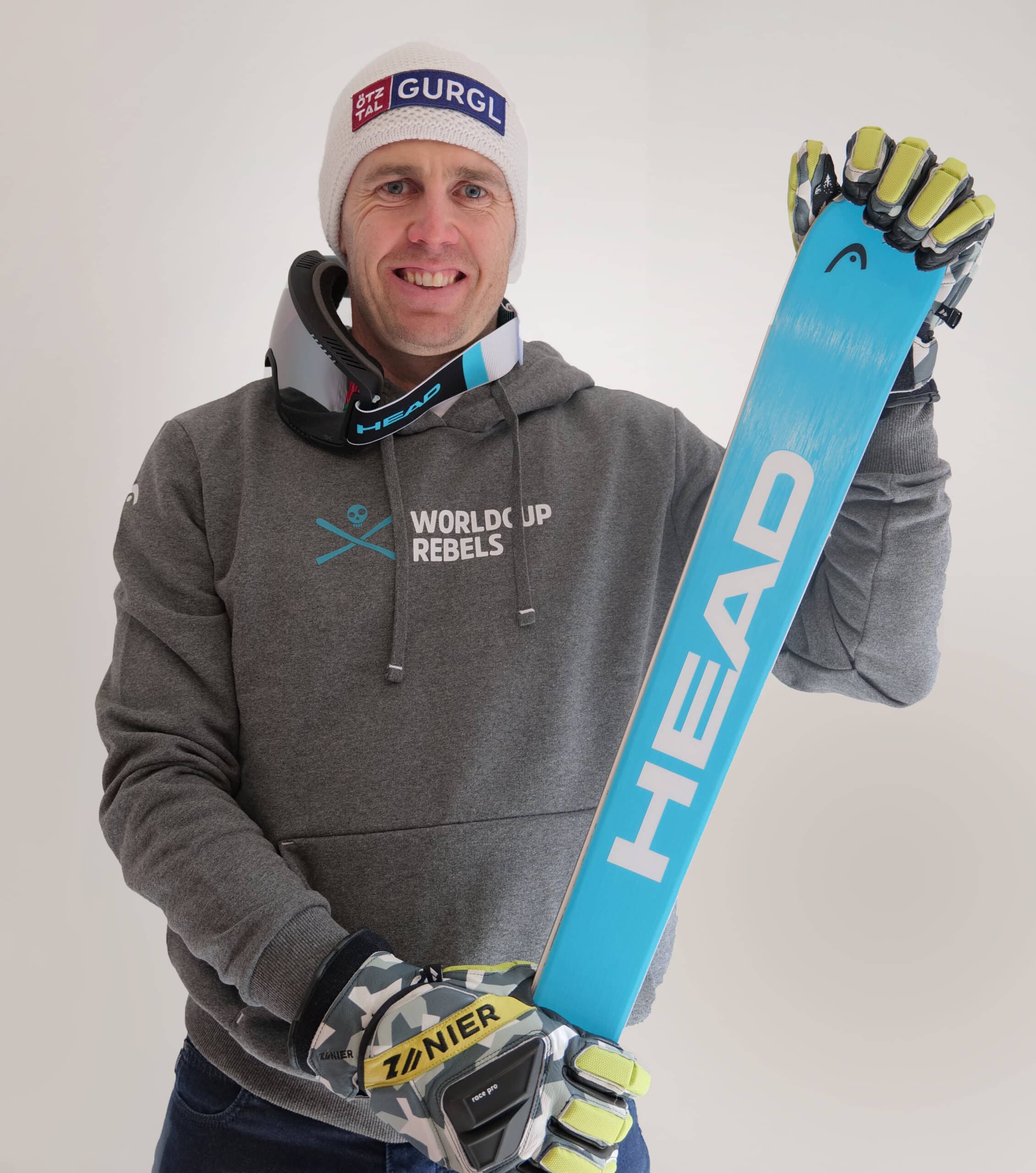
Ryding feels immense support from his sponsor, Gürgl, an Austrian ski area. “Gürgl has been a fantastic sponsor,” he says. “Their support has been unwavering, and it’s a privilege to represent them on the world stage.”
HEAD: A New Chapter
Excited about a recent equipment change, Ryding will compete on HEAD. “Switching to HEAD was a big decision,” he admits. “But their support has been fantastic, and I’m excited for the future.”
He elaborates on the technical advantages: “I’ve always been particular about my ankle flexion and observing the HEAD boot, I would always look and think, you know what, that boot flexion is something that could work well for me.”
The transition to HEAD equipment has been smooth and highly beneficial. “HEAD has welcomed me with open arms,” Ryding says. “Their commitment to providing top-notch equipment has been incredible, and I’m excited to see what we can achieve together.”
The Challenges of Ski Racing
Ski racing is filled with challenges, both physical and mental. The long seasons, which demand peak performance over extended periods, are particularly grueling. “The pressures are immense,” Ryding admits. The mental intensity of slalom, having to be at your best every race, is a huge challenge.”
Despite these challenges, Ryding remains motivated. “The buzz of doing well, the feeling of accomplishment when you finish a race and sit in the leader’s chair, waiting to see if anyone can beat you – there’s no better feeling,” he shares. “That thrill keeps me coming back.”
Looking Ahead
As Ryding continues his remarkable career, he remains focused on setting new records and inspiring the next generation of skiers. “I have some points to prove this season,” he declares. “The goal is to become the oldest on the podium and secure my eighth podium finish.”
Ryding’s journey from dry slopes to World Cup glory is a testament to his determination, passion, and love for ski racing. As he prepares for another season, the skiing world eagerly watches to see what this incredible athlete will achieve next. “Skiing has given me so much,” Ryding reflects. I’m grateful for every moment. The 25-year-old Ryding could only dream of being ranked where I am now. I owe it to myself and am excited for what’s to come.”
About the Author: Peter Lange