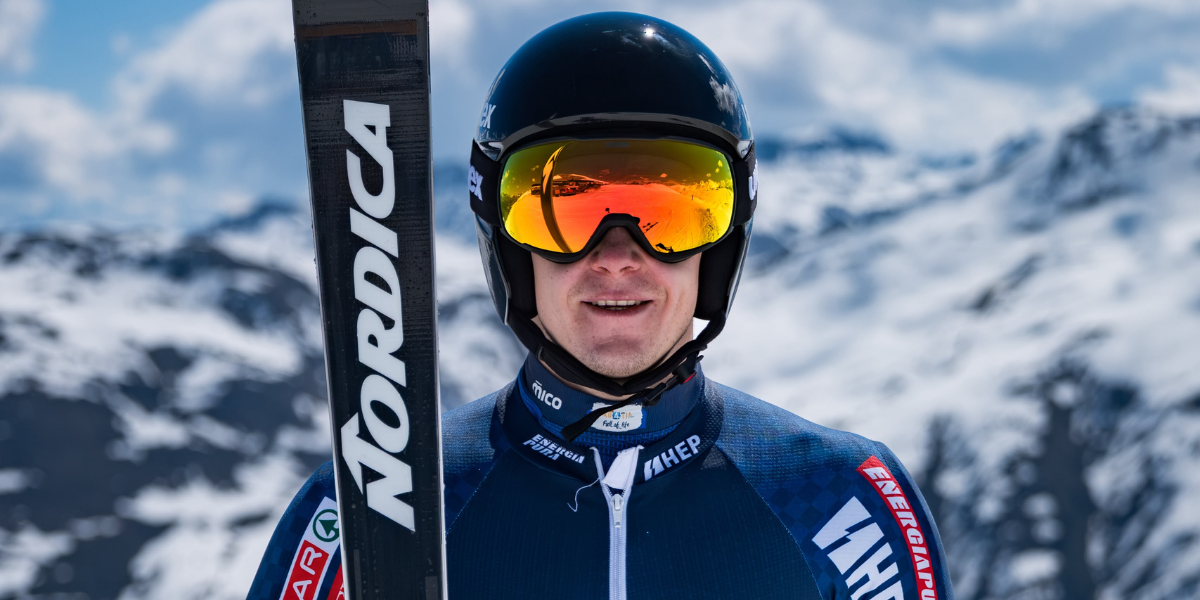
Filip Zubčić / Photo Nordica
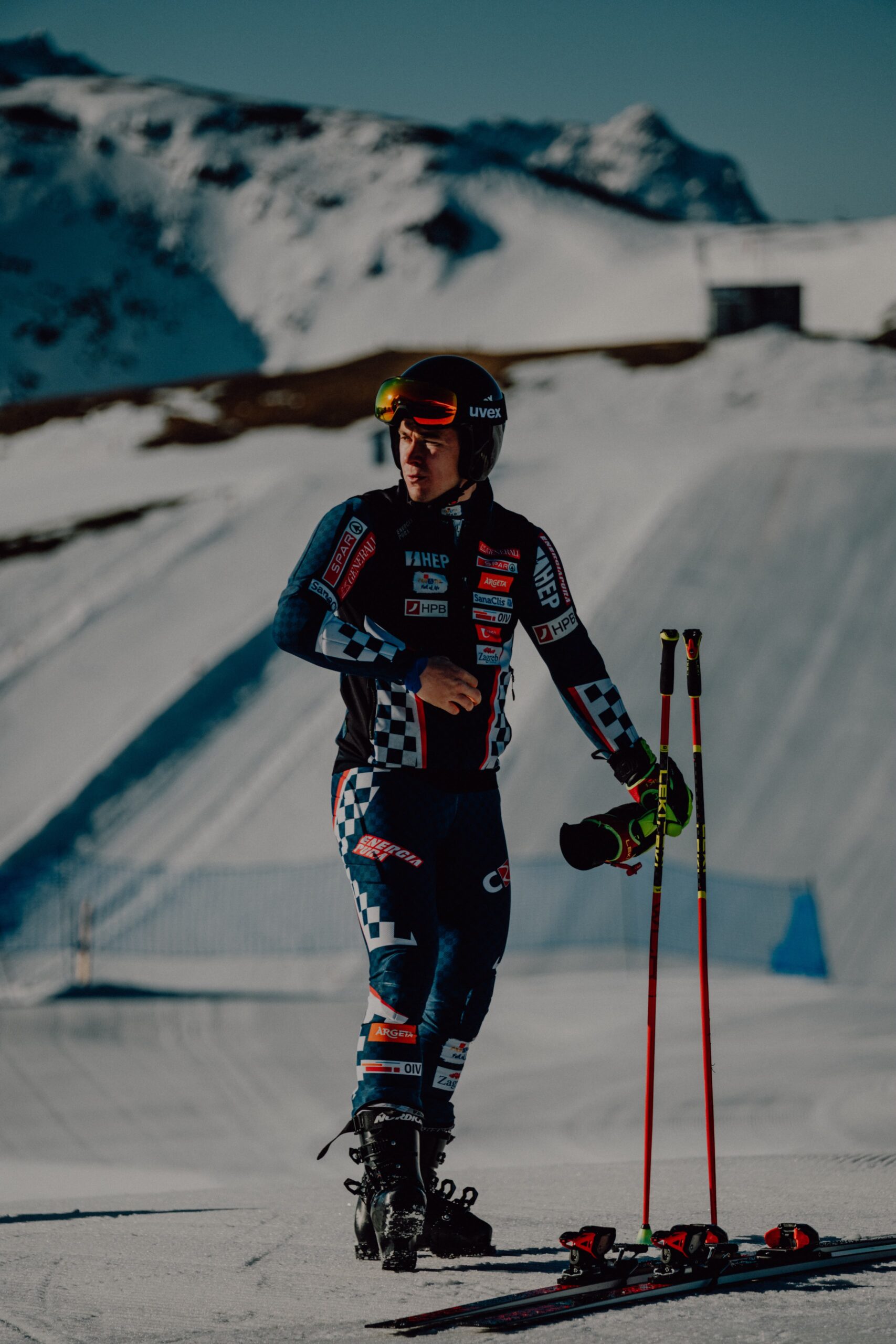
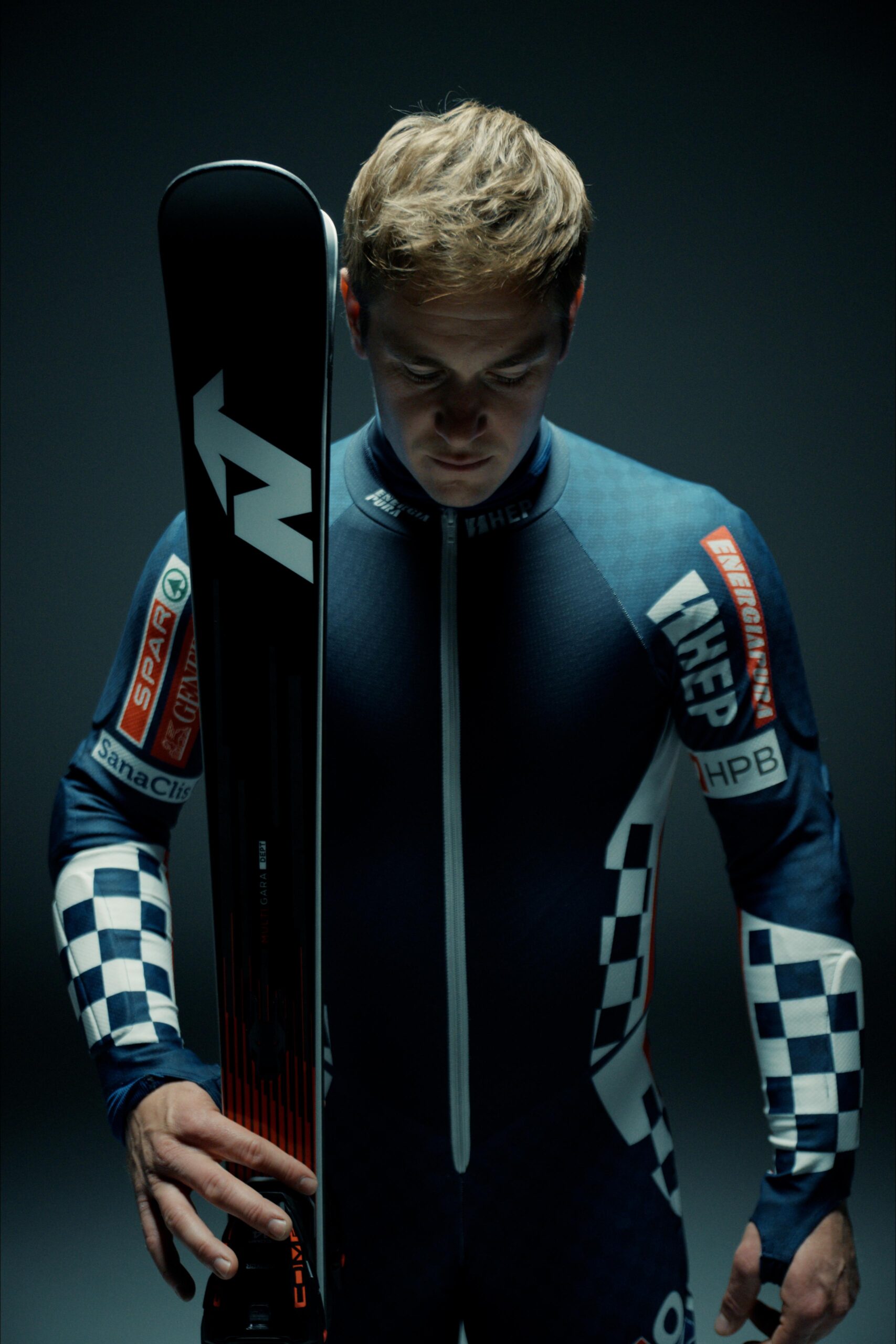
After one of the most frustrating seasons of his career, Croatia’s World Cup star says a new challenge has renewed his motivation as he begins a new chapter with Nordica.
Changing equipment after more than two decades isn’t something elite World Cup ski racers do lightly.
By the time athletes reach their 30s, they’ve built their confidence over thousands of training runs, countless race weekends, and years of trusting that the skis beneath their feet will respond exactly as expected.
Filip Zubčić understood that better than anyone.
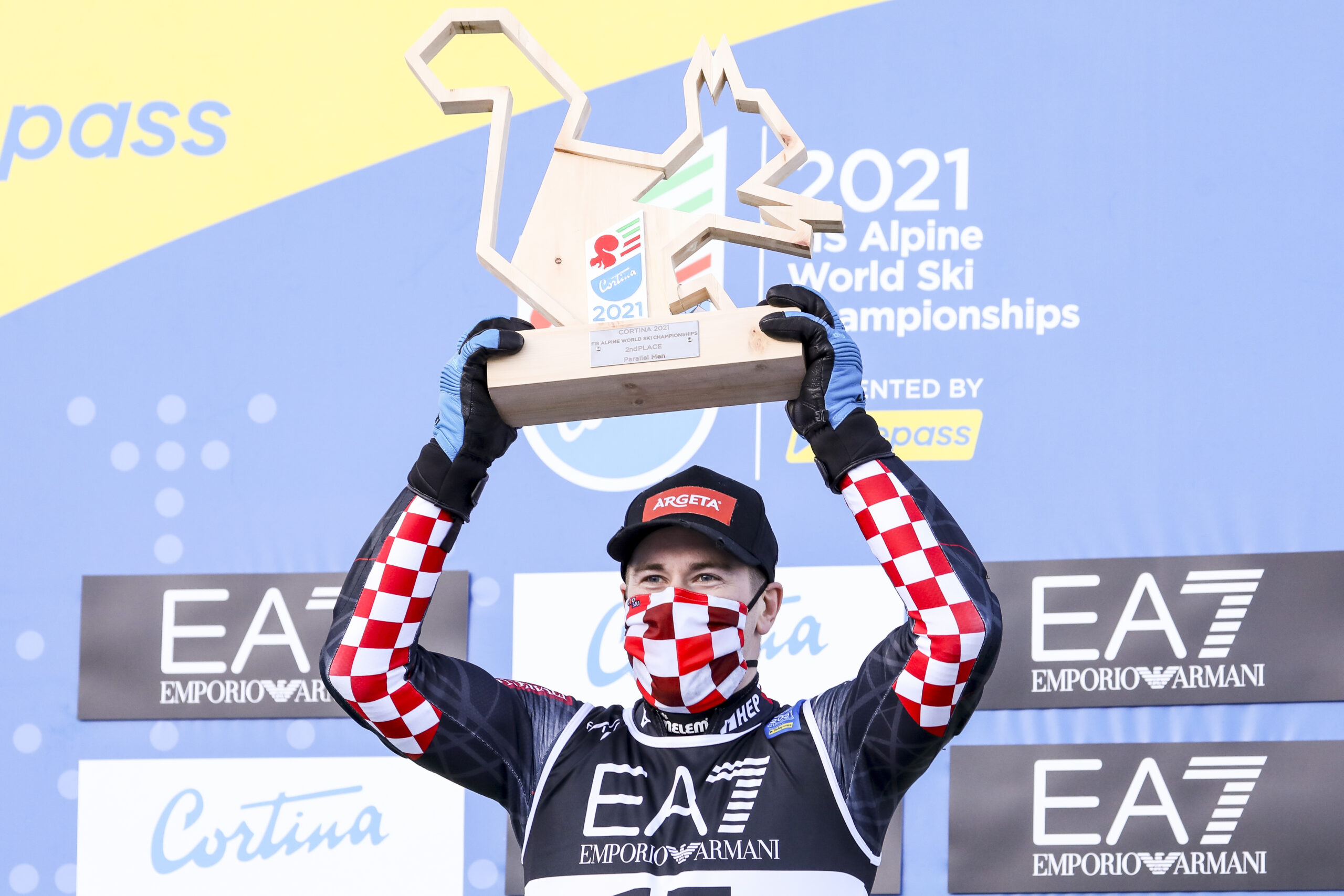
From his first days racing in Croatia to three World Cup victories, 13 podium finishes and four Olympic Winter Games, he had built his entire career on one equipment platform.
Changing that at 33 wasn’t part of the plan.
But after one of the most frustrating seasons of his career, Zubčić realized something was missing.
He wasn’t searching for different skis.
He was searching for renewed motivation.
“I changed the skis to get some extra motivation and to try to push myself even more,” Zubčić told Ski Racing Media. “That was one of the reasons.”
For one of Croatia’s most accomplished alpine skiers, joining Nordica isn’t simply about new equipment.
It’s about giving himself another opportunity to become the skier he still believes he can be.
Still Standing After More Than a Decade
Zubčić’s skiing story began almost as soon as he could walk.
His mother, a former competitive skier herself in the former Yugoslavia, introduced him to skiing when he was about two and a half years old.
“I was in love with skiing,” he said.
Unlike many young racers, he wasn’t captivated by World Cup stars or dreaming of following in someone else’s footsteps.
“Honestly, nobody,” he said when asked who inspired him growing up. “When I was a kid, I was just having fun.”
Only later did his perspective change.
“I wanted to become a role model for the kids.”
That mindset has carried him through one of the most consistent careers in men’s giant slalom.
Since first scoring World Cup points in 2015, Zubčić has qualified for nine World Cup Finals in giant slalom, three in slalom, competed in four Olympic Winter Games and reached the podium across Europe, North America and Asia.
But when asked what he’s most proud of, Zubčić doesn’t mention victories or podiums.
He talks about perseverance.
“What I’m most proud of is that I’m still doing this,” he said. “I didn’t quit in the most difficult situations. Sometimes it’s difficult to believe in yourself, but you go to bed, wake up the next morning and go training.”
That resilience has defined his career every bit as much as the results.
His favorite memory, though, goes back much further.
One morning over breakfast, when he was seven or eight years old, his father told him that reaching even one World Cup podium would be spectacular.
Years later, when it finally happened, it became the most emotional moment of his skiing career: “That was the best feeling of my career.”
Click the images to enlarge
When Momentum Disappeared
Momentum has often defined Filip Zubčić’s best seasons.
That’s why the winter of 2025-26 left him searching for answers.
He opened the season with a 15th-place finish in Sölden before returning to the World Cup podium with third place at Copper Mountain—his first podium in nearly two years.
For Zubčić, that’s usually when everything starts to click.
“Normally, after a podium, my season goes to the moon,” he said with a smile.
Instead, the momentum disappeared.
He failed to qualify for the second run at Beaver Creek.
Then Alta Badia.
Then Adelboden.
For an athlete who had spent years among the world’s elite giant slalom skiers, the sudden loss of momentum was difficult to understand.
“That’s the question that I still ask myself sometimes,” he admitted.
Looking back, Zubčić believes finally returning to the podium may have created its own pressure.
“I really wanted that podium,” he said.
Instead of letting the confidence from Copper Mountain carry him forward, he found himself pushing too hard for results rather than trusting the process that had always brought them.
By February, he had reached an important conclusion.
For the first time in his career, he was ready for a completely new challenge.
Why Nordica?
For Zubčić, Nordica offered far more than a new pair of skis and boots.
It offered a clear vision.
“They had a serious plan that I liked,” he said.
He was impressed by the company’s commitment to World Cup racing, its approach to ski development and the people leading the program, including race director Jörg Ruedl.
Most importantly, everyone shared the same objective: building a winning setup.
An Honest Beginning
His first day on Nordica equipment almost made the wrong impression.
The boot liners had been over-foamed.
“I couldn’t feel anything,” Zubčić said, laughing.
Rather than immediately speaking up, he tried convincing himself that everything was fine.
The Nordica technicians could see something wasn’t right.
The liners were adjusted overnight.
The next morning everything changed.
“I was surprised,” he admitted.
“I was surprised how good it was.”
From there, the development followed a carefully planned progression.
Rather than immediately putting Zubčić on the stiffest race setup, the Nordica team began with a softer ski before gradually progressing to a more powerful combination of skis, plates and setup capable of matching the aggressive style that has defined his career.
By the end of the sessions, both sides knew exactly where the project needed to go.
“We know what is good now for me,” he said.
“And we know which improvements we have to work on.”
Only a few days into the process, he knew.
“I said to myself, ‘Yeah, I’ll change.’”
The Most Important Relationship on the World Cup
The relationship Zubčić was most relieved not to lose wasn’t with the equipment.
It was the person preparing them.
Changing equipment often means rebuilding trust from the ground up.
Fortunately for Zubčić, one important constant remains.
“I was lucky that I could keep my serviceman,” he said.
In a sport measured in hundredths of a second, he believes that relationship may be the most important one an athlete has.
“On race day, it’s only me and him,” he said.
“He’s preparing the skis and I’m skiing.”
“When everything is going well, you don’t think about those things. But when results aren’t coming, you have to work together because he has a really big responsibility—and so do I.”
That continuity gives Zubčić confidence that while the equipment has changed, one of the foundations of his racing remains exactly the same.
A Summer That Could Shape the Season
Now the real work begins.
For the first time in his career, Zubčić will spend an entire offseason preparing on new skis, boots, bindings and plates. Every training camp will be another opportunity to refine the setup, build confidence and continue learning what the equipment can do.
Much of that work will take place in Argentina, where he’ll prepare for the World Cup season with one clear objective.
“This prep period is going to be really important,” he said.
Zubčić knows the process won’t always be smooth.
He also knows himself.
“I’m impulsive,” he admitted with a laugh. “If I’m not skiing well, I’ll want to argue with my coach and my serviceman.”
Then he smiled.
“It’s not easy to work with me.”
He laughs about it now, but there’s honesty behind the joke.
Changing equipment at this stage of a career demands patience, constant communication and a willingness to keep searching for answers.
Zubčić knows there will be frustrating days, but he knows they’ll be worth it.
Still Chasing More
“I like to prove people wrong,” he said.
That mindset hasn’t changed, even after more than a decade on the World Cup.
Neither has his belief that another victory is within reach.
“I know how to win a race,” he said. “I’ve won three, and I’ll keep fighting to win again.”
When asked what advice he’d give his 20-year-old self, Zubčić didn’t talk about technique or equipment.
Instead, he reflected on perspective.
“I was always looking around too much,” he said.
Only later did he realize his best skiing came when he stopped worrying about everyone else and focused entirely on himself.
That lesson feels especially fitting today.
Changing equipment wasn’t about chasing what someone else was doing.
It was about giving himself another opportunity to become the best version of the skier he already knew he could be.
That belief still drives him.
After four Olympic Games, 13 World Cup podiums and more than a decade among giant slalom’s elite, Filip Zubčić isn’t measuring his career by what he’s already accomplished.
He’s measuring it by what he still believes is possible.
A frustrating season convinced him it was time for a new direction.
Now, with renewed motivation and a fresh start at Nordica, he believes that direction could lead him back to where every World Cup racer wants to be: standing on top of a World Cup podium once again.
About the Author: Peter Lange