From Ski Boot Liners to Safety Padding, LISKI Looks at Equipment’s Next Life
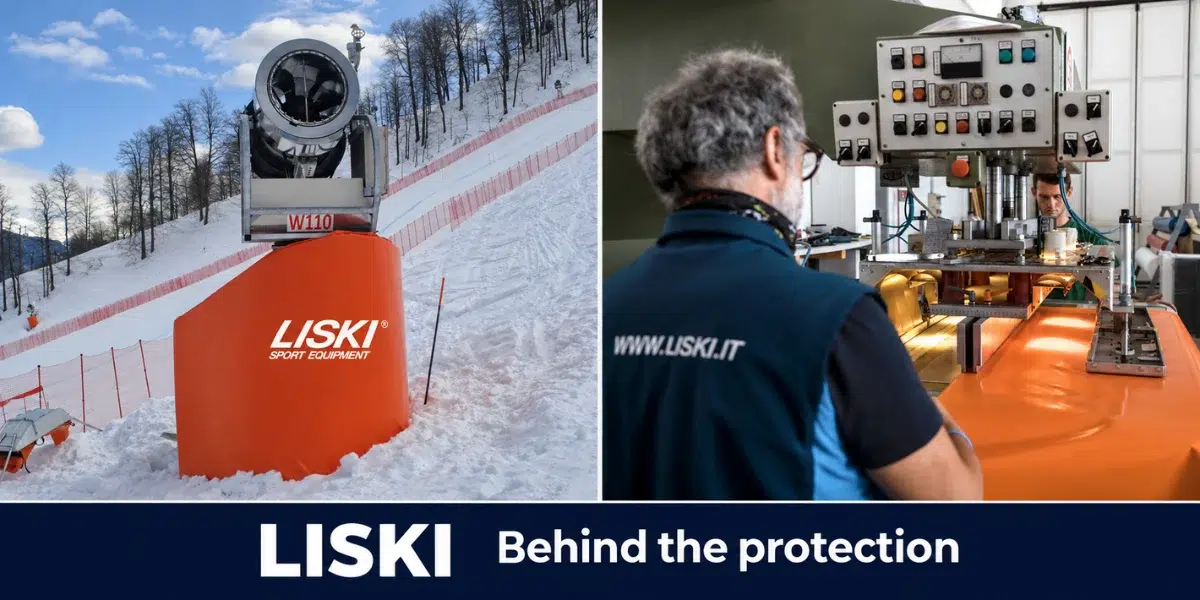
Through recycled materials and changes to production and transport, LISKI is working to reduce the waste behind the equipment used to protect skiers.
A worn-out ski boot liner might seem like an unlikely starting point for the protective padding along a ski slope. But through a collaboration involving LISKI, Tecnica Group and recycling specialist ReMat, material from used liners is finding its way back onto the mountain.
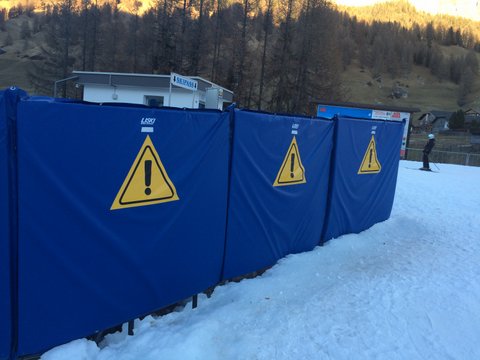
The result is LISKI’s Greenmat, which incorporates recycled liner material into the padding used for slope protection. It is one part of the equipment manufacturer’s broader effort to reconsider what goes into its products, how they reach the mountain and what happens when they need replacing.
For coaches, race organizers and mountain operations crews, those questions sit alongside the practical demands of preparing a venue. Nets and padding must perform in difficult conditions, withstand repeated handling and remain manageable for the people installing and maintaining them. Introducing recycled materials means working within those demands.
Giving Boot Liners Another Purpose
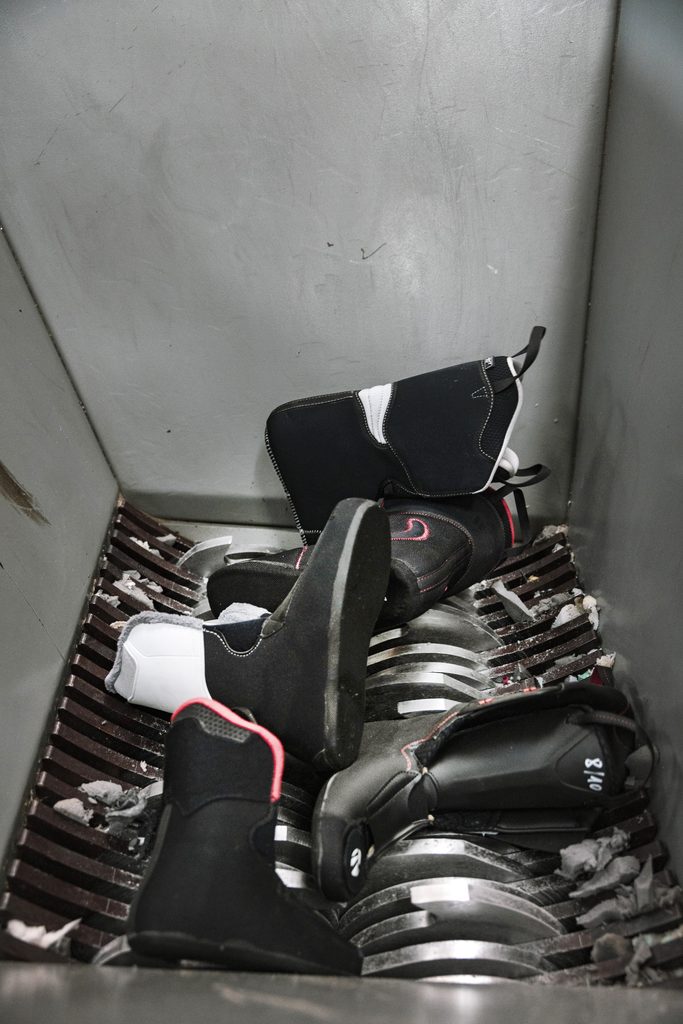
Finding a second use for ski boot liners presented a particular challenge. According to Tecnica Group, liners combine different densities of foam with fabrics, stitching and adhesives, making them difficult to recycle into new liners.
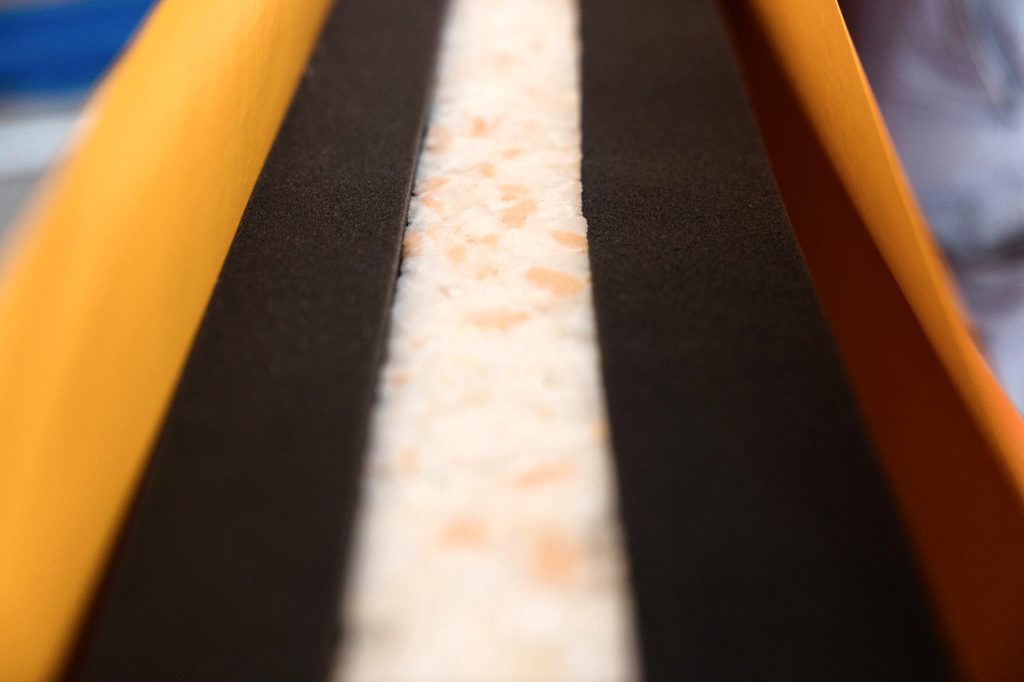
Working with ReMat, the partners developed a process to turn liner material into a compact recycled foam layer. LISKI incorporates that layer between two layers of virgin polyurethane foam to create its protective mats. The construction uses recovered material while retaining new foam as part of the finished product.
Carlo Fernandez, LISKI’s director of operations, said one of the biggest challenges is finding recycled material that meets the company’s quality requirements and is readily available. For protective padding, that challenge is compounded by the limited number of companies capable of recycling foam rubber.
Fernandez credited the ski boot recycling project with helping make the product possible. He said the resulting mats performed better in crash testing than standard foam mattresses. LISKI did not make the test results available for publication, so the underlying data were not available for review.
The connection is easy for skiers to understand: material once used inside a boot can return to the slope in protective equipment. It also shows why recycling requires more than collecting old gear. Manufacturers need a useful destination for the recovered material and a construction suited to its next job.
Looking Beyond the Padding
LISKI’s environmental program extends to the poles supporting its Type B and BC protection systems. The company says these poles contain 50 percent recycled material and are recyclable at the end of their service life.
LISKI also describes its polyester protective nets as fully recyclable, with an emphasis on durability and resistance to weather and ultraviolet exposure. Its stated approach is to use recycled materials where the required quality and mechanical properties can be maintained.
LISKI’s protection equipment is widely used at training and race venues across North America. Sami Piana, the company’s North American distributor, said Mont-Sainte-Anne in Quebec received approximately 400 rolls of LISKI B-netting last year. Other major users include RED Mountain in British Columbia, Sunday River in Maine and Waterville Valley Academy in New Hampshire.
LISKI’s Canadian customers offer examples of how long its netting can remain in service. According to Piana, much of Whistler’s LISKI netting dates back to the 2010 Olympic Winter Games, while Toronto Ski Club in Ontario continues to use netting purchased six to eight years ago. Other Canadian customers include Ontario’s Mount St. Louis Moonstone, which regularly purchases LISKI netting, and Owl’s Head in Quebec.
Piana also pointed to the use of smaller Greenmats as an alternative to Willy bags, another application for padding that incorporates recovered liner material.
Tracking Recovered Materials
According to figures provided by Fernandez, LISKI recycled 520 kilograms of polyamide, 2,179 kilograms of PVC and 1,758 kilograms of polycarbonate in 2025. Together, those materials totaled 4,457 kilograms, or approximately 9,826 pounds.
Fernandez said those figures came essentially from returned equipment. Factory scrap is handled through additional recovery processes: A supplier reuses all of LISKI’s PVC production scrap, while the company reuses all of its polycarbonate production scrap within its own factory.
LISKI also purchases secondary raw materials to manufacture its Green poles, mats and bibs. Those purchases are separate from the recycling figures reported for returned equipment.
The figures provide a more concrete view of the materials moving through LISKI’s recovery efforts. They also distinguish between three parts of the process: recovering retired equipment, reusing manufacturing scrap and purchasing recycled material for new products.
Building a Local Recycling Route
For clubs and resorts, the distinction between recycled content and recyclability matters. Recycled content describes material already incorporated into a product. Recyclability concerns what can happen afterward, and depends on having a suitable collection and processing route.
While LISKI reports recycling returned equipment through its existing operations, Piana said a comparable recovery process is not currently happening for the North American equipment he described. In his view, developing local recycling options would be essential to making that next step practical.
Shipping retired equipment overseas for recycling would add transport emissions, he noted. A local route could help address that concern while giving clubs and resorts a destination for worn equipment.
That leaves a gap between a product’s potential to be recycled and the infrastructure available to its users. For North American venues, keeping nets and padding in service is already part of the story. Establishing where those materials can go afterward remains a challenge.
Changing How Equipment Reaches the Mountain
Some of LISKI’s initiatives focus on transportation and installation rather than the materials themselves.
The company ships certain net systems with poles and nets separated, leaving assembly to the customer. LISKI says this reduces shipping volume, with the aim of reducing transport requirements and associated emissions.
For its Type A protection systems, the company describes steel structures anchored directly into the ground without concrete foundations. This approach avoids the concrete used in those foundations, although installation requirements and environmental effects still depend on the site.
At its production facility, LISKI has also installed a 100-kilowatt solar power system. Together, these measures address different stages of the equipment’s life, from the energy used in manufacturing to delivery and installation.
Making the Next Step Practical
For the people purchasing and maintaining slope protection, the useful questions are specific. How much recycled material does a product contain? How has it been tested? How should it be maintained, and where can it go when it is retired?
LISKI’s program brings those questions into a part of skiing that athletes encounter every day but may rarely consider beyond its immediate purpose. The nets beside a training lane and the padding around an obstacle have a material history, just as skis and boots do.
The Greenmat collaboration shows how that history can continue. Finding a use for old liner material required recycling expertise, product development and a manufacturer able to put it back to work on the mountain. Building practical local recovery options would help more clubs and resorts take the next step when their equipment reaches the end of its service life.
About the Author: Katie Twible
Related Post