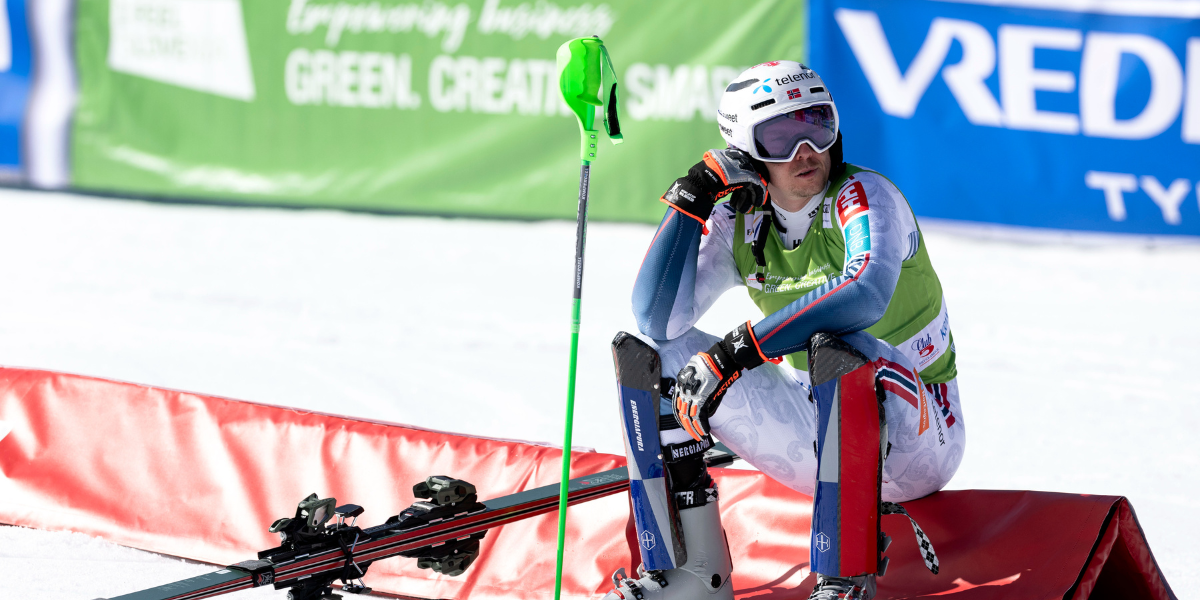
Level Gloves is a top brand in the Alpine ski racing community and other winter sports. It has been thriving for various reasons, but primarily for creating products designed around Thermoplus technology. Thermoplus technologies have become central to product innovation and critical to the modernization of hand protection.
It was only a few years ago that consumers could not buy a pair of gloves and be sure of their thermal seal and the weather conditions in which they could be used. So, Mauro Compagnoni, Research and Development (R&D) Director at Level gloves, changed that with the idea to create a thermal index to classify the suitability of products to different weather conditions. This new idea has reinvented the way that Level approaches each design.
Carrying out Complex Ideas with Thermo Algorithms and Artificial Intelligence
Algorithms and Artificial Intelligence assisted Level gloves in revolutionizing their most complex activities. Mauro Compagnoni and his R&D team utilized these tools to efficiently create and test products in the manufacturing stages of Thermoplus materials. The concept became easy once Compagnoni performed enough research to understand what is critical to Thermoplus technology. He discovered that altitude can be translated into grades of resistance to cold temperatures. After years of studying the different grades of resistance, Level managed to categorize all its gloves with a new Thermoplus index starting from Thermoplus 1000 to Thermoplus 5000.
If laboratory tests have been central to creating an index, real-life experiences have been fundamental for Level to produce gloves for all conditions.

An Italian climber, mountaineer, and 360° athlete, Marco Confortola assisted with testing the new technology while partaking in extreme, cold weather sports. He stated, “I am lucky enough to live in the mountains and enjoy all the activities, from soggy sky slopes to mind-blowing 8000 meters peaks.” He continued, “This range of activities helped Level to develop gloves fitting to the right conditions.”
Confortola’s collaboration with Level started in 2004 when he asked to be sponsored before ascending K2, a mountain in Pakistan and the second highest in the world. Since then, he has only worn Level gloves. “I test products daily,” the alpinist added, “I usually wear a model on my right hand and a different one on the left hand. Then, I write down how these react to different climate conditions.” The mix of scientific research and real-life experience have been crucial to creating a universal and practical index.
The alpinist’s dedication to assisting Level with the progress of innovation has been significant, and he wants people to understand how Thermo technologies provide greater warmth. “We have to show people what I wore at the top of the K2,” explained Confortola, “these gloves are extremely warm, and this is the clearest example.”
Ski Racing With Thermoplus
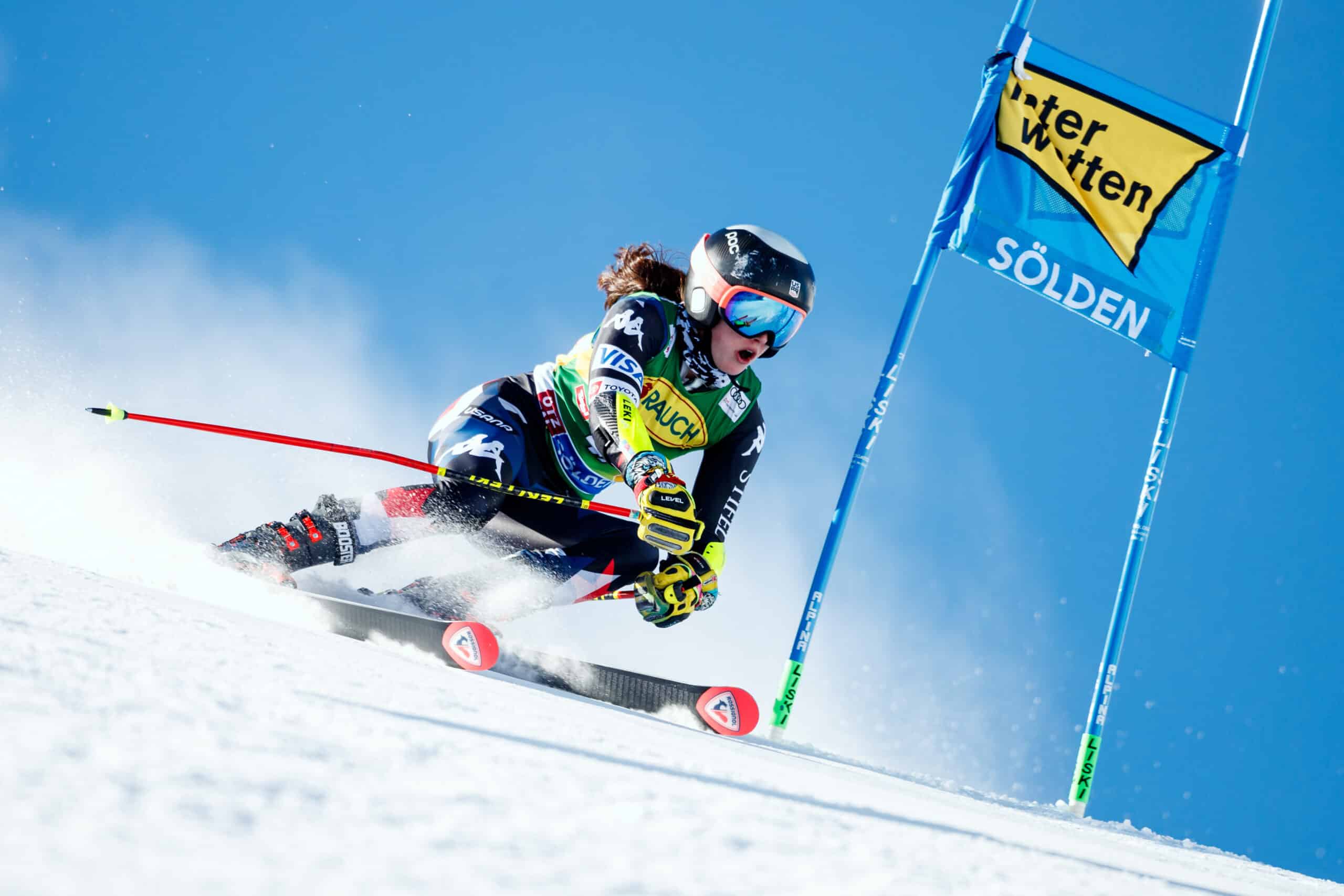
The technology has gained popularity in Alpine ski racing, and currently, more athletes and teams are transitioning to Level gloves. Due to the Thermoplus index, ski racers have the ability to understand which gloves they should wear during various weather conditions.
“The Level gloves Thermoplus technology keeps me warm in all types of weather,” AJ Hurt from the Stifel US Ski Team explained.
Ski racers deal with a wide range of weather conditions throughout the year, so they need gloves with various grades of resistance. Level Gloves has focused on this concept and has progressed the gloves to match the niche needs of ski racing athletes.
Hurt stated, “I choose Level Gloves for ski racing because they are comfortable, keep my hands warm, and help me grip my ski poles while racing down a mountain.”
Publications Created from Level Thermoplus Technologies
Thermoplus has come to fruition thanks to research and laboratory studies. The intention is to continue to add these developmental findings to each product line and to create a universal index that applies to different manufacturing stages. Thereby, the company has partnered with the University of Bologna and the Politecnico in Turin, which has led to the publication of these results in various academic papers.
Martino Colonna, Associate Lecturer at the University of Bologna, explained, “We conducted several tests in a climatic chamber with controlled conditions and standard procedures, so we had the chance to obtain reliable datasets and not just get feedback from users.” These scientific tests resulted in enough information for the University to publish scientific results pertaining to Level’s Thermoplus technology.
About the Author: Ellie Hartman