With just four races completed on the 2021-22 men’s alpine World Cup speed calendar after the cancellation of the second of two Beaver Creek downhills, the U.S. men’s speed team has yet to display its depth.
Veteran Travis Ganong was the only American to score points in all three races last week at Beaver Creek, exhibiting his potential with a spectacular podium finish — the fifth of his World Cup career and his first in super G.
Ganong, 33, was the solo top-30 finisher of the six Americans on the start list. He took 22nd in the opening SG at Beaver Creek, while Ryan Cochran-Siegle finished 19th. Cochran-Siegle, racing on a new ski setup (HEAD) and coming back from injury, was the standout American in Saturday’s downhill race, finishing sixth – just two tenths of a second off of the podium.
The rest of the U.S. men’s speed team, while brimming with potential, has yet to show its true colors.
“The talent level is there, but guys are at different points of their careers — an eclectic mix, really,” said U.S. Men’s Head Coach Forest Carey during a phone interview at Beaver Creek. “As a team, we have to have a sense of urgency, but balance it with some patience. Steven is an example.”
The U.S. guy with the longest career, Steven Nyman turns 40 this February. Embarking on yet another comeback season following a torn Achilles tendon last August, Nyman said he was still struggling with his equipment to find his rhythm and confidence coming into the Beaver Creek races. Although he didn’t land any points in the Birds of Prey super G races, he threw down a respectable downhill performance, finishing 18th after starting No. 36.
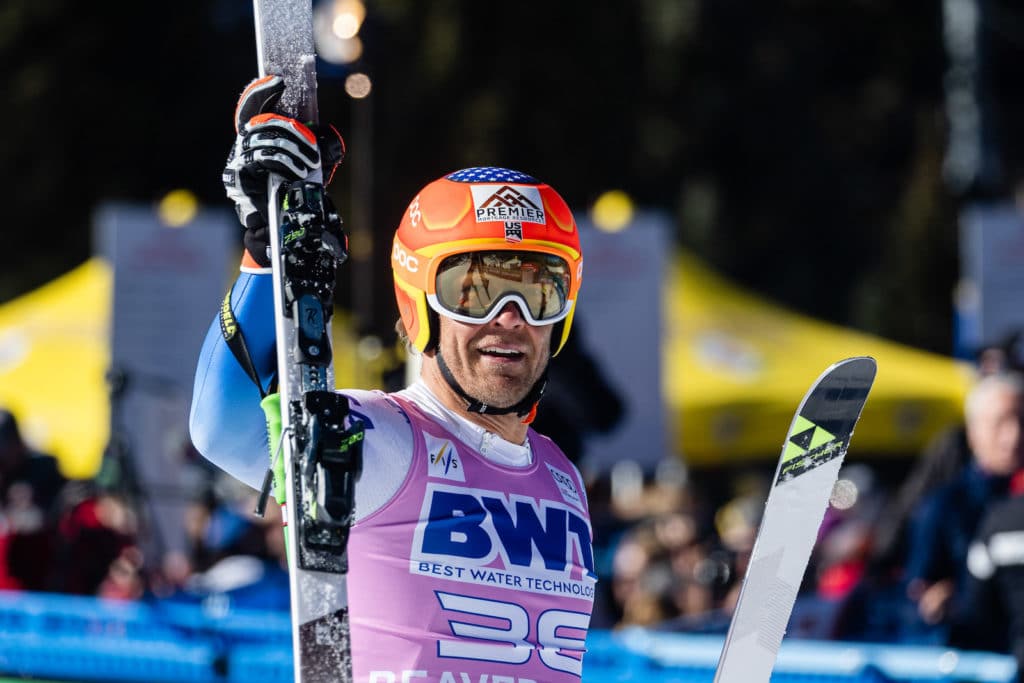
“A guy like Steven, if he can get it back, he can fight for the podiums, but that’s going to be a process,” Carey said. “He’s working toward that. It’s not going to happen overnight.”
Some things do happen overnight, however, like Ganong’s super G podium. Although he’s popped into the top 10 a number of times over the years, before last week, the 33-year-old’s last podium finish was nearly five years ago. He regularly raises eyebrows, however, for his lightning quick training times.
“Travis is probably one of the best skiers on the World Cup, to be honest,” said teammate Bryce Bennett. “I think he can do it every weekend. I think sometimes he doubts himself. I wish he wouldn’t.”
While alpine racing is an individual sport, it buoys the whole team when someone does well. Ganong’s podium is an example of this. Four of the six U.S. racers punched into the points the next day, Bennett finishing 22nd in the downhill.
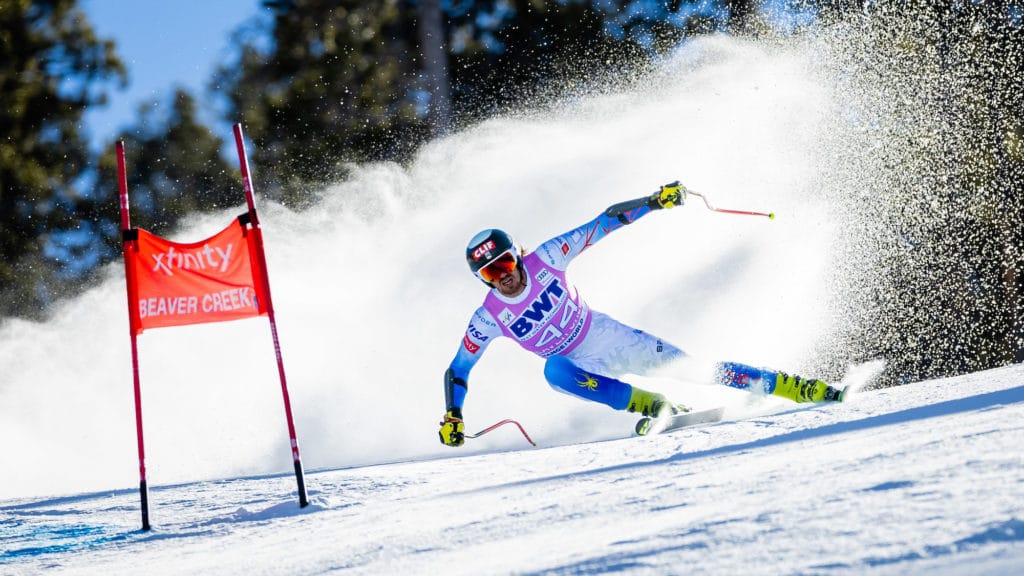
“It gives our whole team a little bit of confidence,” Bennett said. “We’re a little bit off of the pace in downhill. We’re just going to keep chipping away and chipping away. We just got to keep moving forward.”
Reigning National downhill Champion Jared Goldberg, 30, didn’t score any points in his two races at Beaver Creek and has shown wildly erratic World Cup results over the last few years, ranging from well out of the top 30 to a handful of top 10s, including a career best sixth place last season in the Val Gardena downhill.
“I just want to get consistent and get back to skiing at the level that I can,” Goldberg said after racing at Beaver Creek.
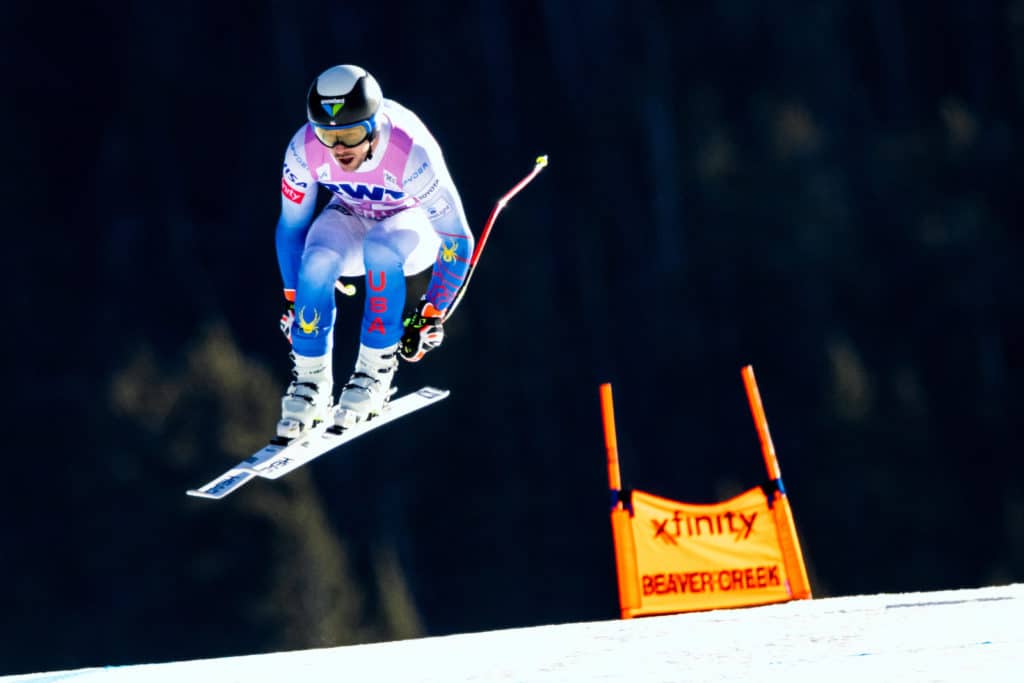
In spite of his disappointing race finishes at the Colorado resort, Goldberg was fast in training, which, as Carey points out, “doesn’t mean anything other than that he has the speed to go fast. On a great day, he can be right in there.”
Rounding out the men’s speed team are Sam Morse, who joined the U.S. Team back in 2015 but didn’t start at Beaver Creek and Erik Arvidsson, who graduated from Middlebury College last spring after re-joining the U.S. Team. He fired into his first World Cup season with an eighth place in downhill, but didn’t land on the points list in either of his races at Beaver Creek, although he notched a 35th place in SG wearing bib No. 55.
“Travis and Ryan should be in the mix week in and week out. Erik is still developing. He is doing a great job, but realistically, he is not a contender yet,” Carey said. “It is important that we build through December and January and into the Olympics. If we are able to do this, we will be all right.”
About the Author: Shauna Farnell