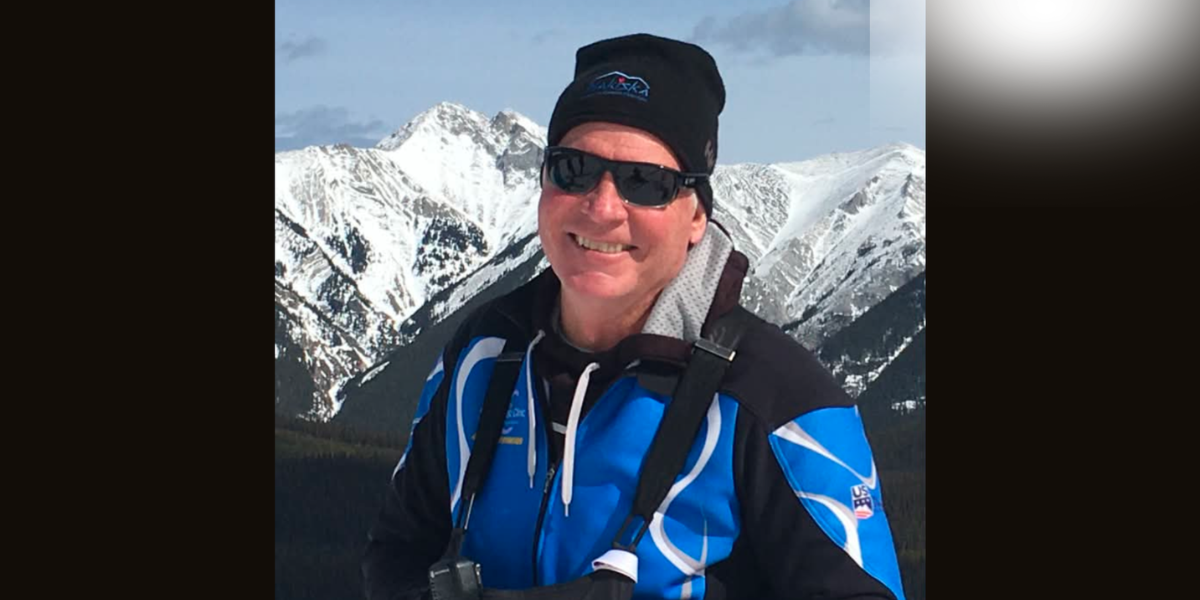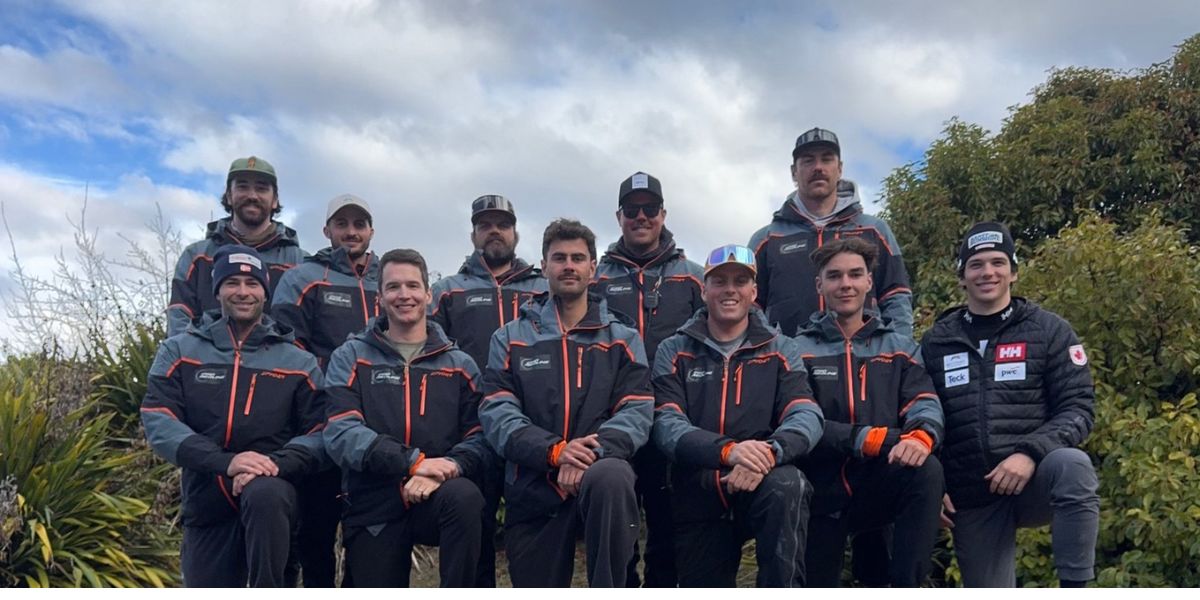
Karin Harjo became Mikaela Shiffrin’s new head coach this spring after successfully leading the Canadian women. In an interview with Ski Racing Media, the experienced coach talks about her coaching style, the power of communication, how to deal with adversity and whether gender matters in ski coaching. Behind it all lies wisdom learned through her diverse background.
The media often focuses on the fact that Harjo is a woman, which is still rare for high-level coaching positions in alpine skiing. Through the years her many “first-ever” accomplishments as a female coach have been noted within various ski racing communities. Hopefully, this has helped make coaching careers a more attainable choice for women. Last spring, Harjo made the news when she was hired as the first female head coach for Alpine Canada’s women’s national team, a team that delivered strong 2023 results. Harjo became the second female head coach in the history of an alpine skiing World Cup national team.
Harjo has broken barriers, and the knowledge, vision, and impactful coaching style she has brought to her leadership roles is worth a closer look.
Heritage
Our interview – an hour-and-a-half-long conversation about ski coaching, ski racing, multicultural experiences, career choices, trusting yourself, and the power of communication – takes place in Kvitfjell, Norway, in early March. Harjo still led the Canadian women’s national team as their head coach at that time.
The team captains’ meeting for the first of three women’s World Cup races had just concluded and we meet in the conference room, where coaches still sit and stand in smaller groups while sharing thoughts about the upcoming races or other topics.
In her soft-spoken manner, Harjo smiles and starts talking about her Norwegian heritage. Being trilingual, she speaks in Norwegian, and her dialect reveals close bonds to the Rogaland region in southwestern Norway. She spent many summers there at her grandparents’ farm. In addition, Harjo attended school in Norway during the 3rd and 4th grades and the latter part of 6th grade.
Our conversation continues in English. Harjo also speaks Japanese, though no longer fluently, and Japan is where her story begins.
Harjo was born in Japan to Norwegian missionary parents and lived there as a young child with her parents, a younger sister and two older brothers. Her parents worked as missionaries for 25 years until they retired when Harjo was a junior in college.
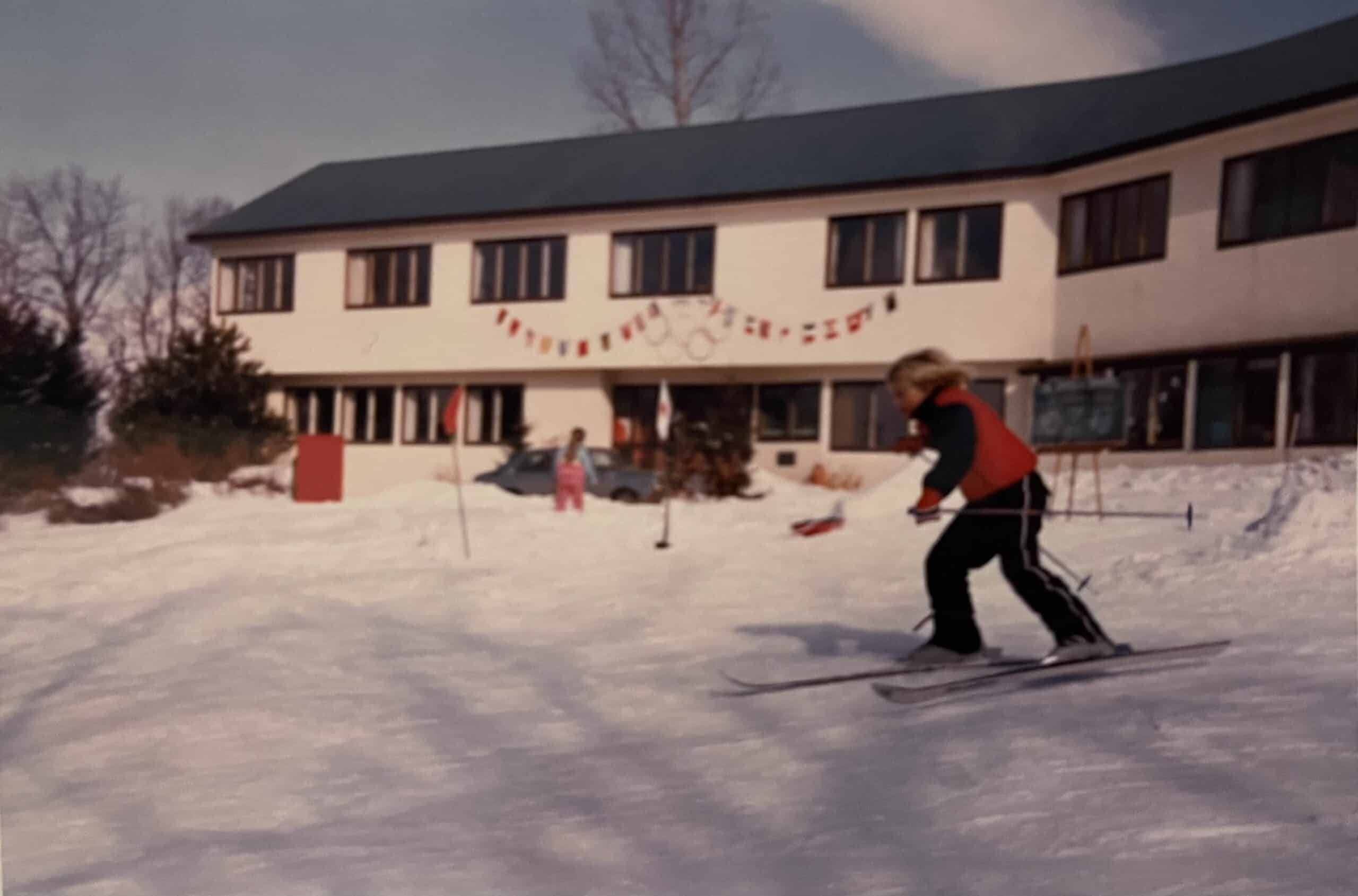
Harjo’s father and his family had relocated from Norway to the United States in his childhood, so there was also a family connection to the U.S.
Cultural insights and values from Norway, Japan and the United States have played a major role in shaping Harjo as a person and a coach. Her multicultural background gives her a skillset to blend in and function well in diverse settings.
Love for skiing
Harjo has always been involved in skiing. She learned to ski at a very young age, a natural thing to do with two Norwegian parents. Later, she enjoyed the Norwegian skiing culture during her childhood schoolyear stays in Norway with her mother’s family, which created a strong love for skiing.
She shares fond memories of playing on cross-country skis with her cousins and friends, making their own competitions for cross-country skiing and ski jumping: “The whole valley would show up and we would play for hours until our feet were frozen.” Everyone had fun, boys and girls together. She was never told that she couldn’t do something because she was a girl
While she felt at home with the Norwegian culture, Harjo also identified as Japanese and spoke Japanese fluently as a child. She spent 1st and 2nd grades in a small British boarding school in Japan, which had a ski program. Her family also enjoyed skiing together while living in Japan.
She also played various ball sports, including basketball and volleyball, for her college team during her first two years at university.
“I would definitely say that being part of a team and being active and being involved in sports and having coaches that really influenced my life is a big reason why I am here today, along with my parents too. Like all good Norwegian families, your children are born, and (then) they go on skis, right? You walk, okay, you ski. That’s part of our upbringing and culture, so the love of the sport has always been something that has been a passion since I can remember.”
Coaching as a career choice
While in college in the United States, Harjo became a ski instructor. She completed all the ski instructor certifications, giving her a solid knowledge base. “That’s where I started because that’s what you do when you can’t pay for skiing; you go teach it so you can get a free pass,” she says cheerfully.
She took a year off to be a full-time coach after graduating from university. “Because I just loved it so much. Everybody thought I was crazy because I quit a very good job at a research lab at the University of Washington to do this.” She told herself she would take just one year off before returning to pursue a medical career.
“I never went back! Best decision ever!” she laughs happily but continues with a more serious, rhetorical question: “‘What is the hardest decision you ever made?’ I would say that one because I decided against every social norm and expectation of me.”
“Follow your passion; I think that’s always the key. Even as cliché as that sounds, it is true.”
Harjo’s coaching path
Harjo’s choice back then has sent her on a 25-year path (so far) of coaching. “I worked at every level, from four-year-olds who couldn’t ski to teaching first-time senior citizens. So, every single level of the sport, every single level of ski racing.”
Her first ski racing coaching jobs were at the club level in the U.S., and through the years, she coached “every single age and level from six-year-olds to the FIS Nor Am athletes.” She worked in various ski clubs, first in Schweitzer Mountain, Idaho, next in Bend, Oregon and then in Snowbird, Utah. After working at Snowbird, she took the job as the U.S. Ski Team Western Region head coach.
After four years as the regional head coach responsible for men and women at the Nor Am and Europa Cup levels, Harjo moved on to coach the U.S. Ski Team at the World Cup level for seven years. First, two years as assistant coach of the women’s technical team (2015-2017), followed by five years as assistant coach of the women’s speed team (2017-2022). Harjo worked with Shiffrin, Lindsey Vonn, and other talented U.S. racers during this time.
Last spring, after 11 years with the U.S. Ski Team, she took the head coach job for Alpine Canada before returning to the U.S. this spring as Shiffrin’s personal head coach.
First World Cup head coach season
Harjo’s thoughts, experiences, and views on bringing out the best in yourself and the people around you are undoubtedly impressive. The race results of the Canadian women’s national team during the 2022-23 season, with Harjo at the helm, are a sure proof of her coaching and management skills.
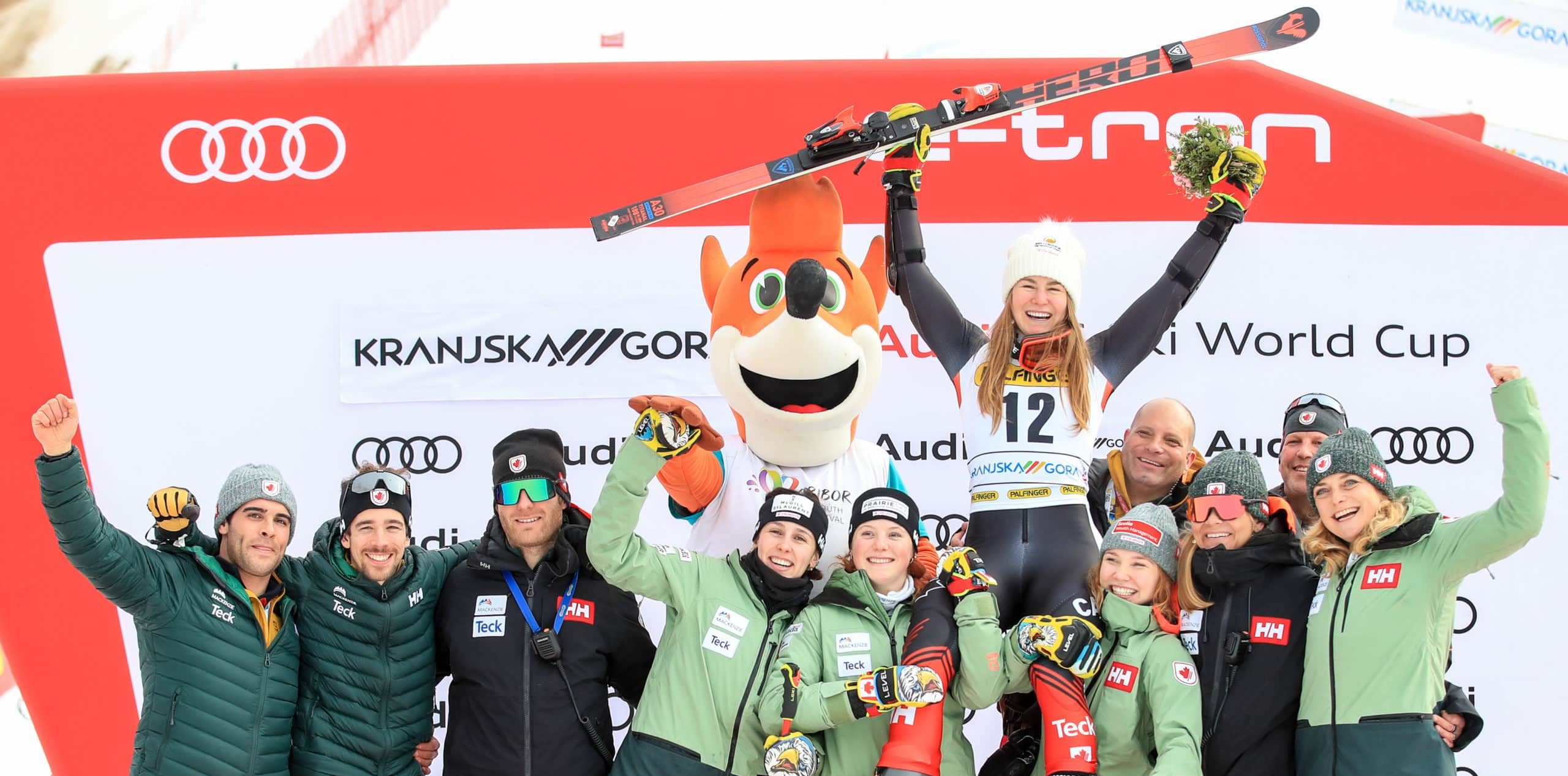
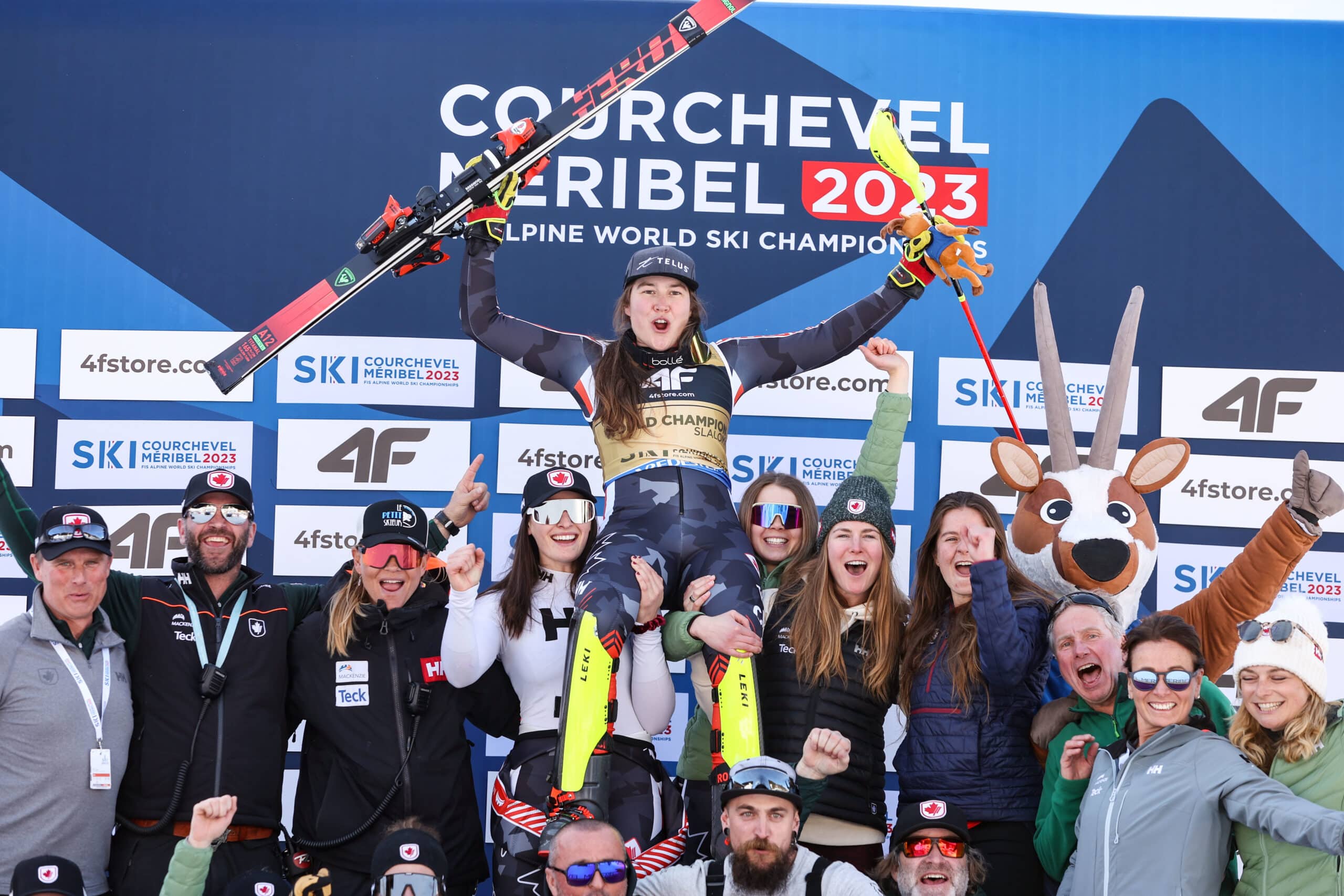
Highlights for the 2023 Canadian women’s team include Laurence St-Germain winning the World Championship slalom title, Valérie Grenier capturing her first-ever World Cup victory in a Kranjska Gora giant slalom, and Canada earning the World Championship bronze medal in the mixed team parallel event.
“This group of women is one of the most talented, young groups of women in the World Cup,” Harjo says about the Canadian women’s team she coached last year. “They truly bond and help each other, and they’re genuinely happy when there is somebody that is at the top of the podium, and it motivates them; ‘If she can do it, I can do it.’ That’s the really beautiful thing within a team.
Harjo is also impressed with the Canadian culture: “They push, and they love to compete. It’s kind of this grittiness to just push so hard, and they have so much fun while they do it,” she says with amazement. “It’s just a matter of opening the door, so they believe in their talents and see how talented they are.”
Team effort
When asked about Canadian success in 2022-23, Harjo will not solely take the credit. She points to the team she worked with, which she describes as a group of coaches and staff that believe in the same philosophy and who were there for the athletes and the team.
“It’s very powerful when you can get a group of people to work together like that. It comes down to that there’s no job that’s too small or too big. There’s no such thing as ‘That’s not my job.’ It’s, ‘What do we need to do to help this team be the best and help these athletes be the best?” she says.
Everybody has to pitch in. “You can teach that. When you do that, they become a part of something greater than themselves, even in an individual sport, and it’s really powerful. They become proud to be a part of an entity, which just helps their performance and their success in the end, and that’s the goal.
“That’s a unique thing to try to build and to be a part of, and I was very fortunate to have an incredible group of staff and athletes to do that with,” Harjo says of her year as head coach of the Canadian team.
Building confidence
Harjo uses an athlete-centered approach in her coaching, also known as a servant-coach approach. The coaching is based on each athlete’s needs and close communication. Her goal as a coach is to help each person be their best and learn how to make the right decisions for themselves.
“I am actually trying to coach myself out of a job, so you don’t need me, but we’re a partnership,” she says, and explains what she sees as imperative for the athlete:
“For the athlete, it is responsibility and accountability, but it is also confidence and belief that they have the ability to make the right decisions and to trust their decisions and know that what they want and need and can do is right. As a coach, I think you have an amazing opportunity to build that into another human being as a partner, a guide.
Collaborating
“There are times when they obviously need direction, just like all of us need direction in life, but it’s not direction where you’re the only authority that’s forcing them into something. Because I think the way somebody learns and grows is to be a part of that process and goes, ‘Hey, you know what? This actually works better for me,’” Harjo says. Individual adjustments can be made and planned for. “We have what’s ideal, but we’re dealing with human beings, not robots. For each person, for each athlete, there is a different way to create an environment for their success and for them to learn and grow and to own that success.”
Individuals interpret the same setting differently. Her ability to acknowledge and respect those differences and use that understanding as a starting point for further interaction is part of why Harjo focuses on listening to the individual skiers’ thoughts and views and then together determining the right way forward for the unique racer.
Reflective inquiry
Along with the athlete-first leadership approach, the renowned head coach explains that she likes to ask questions during interactions with her athletes. Through the questions, she learns from the athletes while they also learn by thinking through and answering the questions. This coaching technique, reflective inquiry, is a key element of Harjo’s coaching style.
“That type of learning, for me, is really empowering because it gives them a voice together with mine. Then it is a partnership to push and to be the greatest in the world versus being told what to do. Because when they kick out of a start gate, I’m sorry, they’re alone!” Harjo says. She laughs out loud, though kindly, before explaining the importance of this point:
“I’m not there skiing for them, and if they have to second-guess because they don’t know, then they won’t be as fast, they won’t be as successful and/or they can get injured that way too because they wait (when making a decision). Especially in something like speed, you must be so committed and confident in your plan to be the best in the world. That’s where I see my job as a coach; instill and help and build that confidence in them, and I think it’s especially essential for young women to have that.”
Joining history’s best
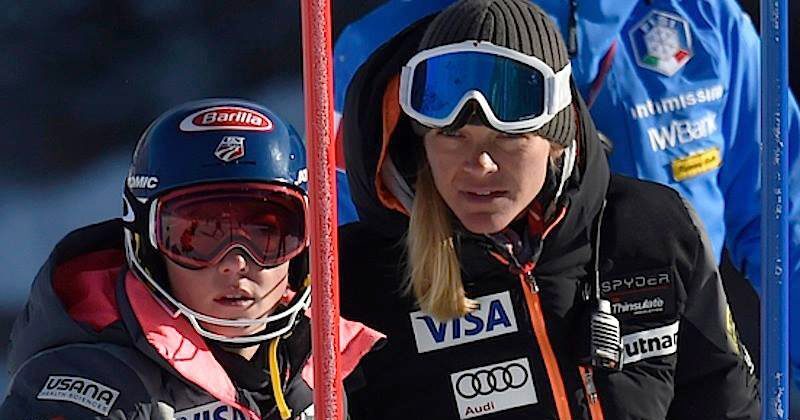
While Harjo has encouraged many skiers to believe in themselves and strive to be their best, she now works with Shiffrin, who has seemingly already figured this out. Shiffrin is known to continuously strive to improve her skiing even though she’s already reached impressive levels. After the 2023 season, Shiffrin tallied 88 World Cup wins, capturing the most World Cup victories in history. Ingemar Stenmark held the previous record with 86 victories. Shiffrin also holds numerous other alpine ski racing records.
In her March 13, 2023 announcement on hiring Harjo, Shiffrin states: “For a large part of my career, I’ve gotten to work with Karin here and there with her positions on the women’s tech team and then speed team in more recent years. I’ve witnessed her exceptional work ethic, her ability to work well with other coaches, and, most importantly, her connection and dedication to her athletes. I believe she can add a huge benefit to my program in the coming years and will provide a fresh and new way of thinking as we move forward.”
Shiffrin also wants to make female coaches more visible and to highlight Harjo as a successful role model. “For me, it’s about wanting to put a bigger spotlight on female coaches. I’ve accomplished a lot, but maybe in this stage of my career I can give other female ski coaches more of a visual of something to strive for,” Shiffrin stated in her announcement.
Does gender matter?
Harjo has no doubts about the head coach role: “Gender does not make you a good head coach. Who you are as a person does.”
She points out the importance of what a coach brings into the role. Regarding what she brings to a team, she says she believes her history has shaped her coaching style:
“My cultural background and the diversity I grew up in, and how to adapt to and be a part of (various settings), this gives me a different skillset as a coach. I think that that’s the key as well, that every coach brings a different skill set, but they also bring a different philosophy, a different viewpoint, and that’s tied to who they are as a person, not necessarily gender.”
She adds, “How you view and treat people, how you see the whole world, how you manage people, how you help them.”
Once you get past the initial “Oh, you’re a woman” reactions that you encounter in any culture according to Harjo, she points out that it’s all about the job you do. “If you look at any managing scenario in any company or ski clubs worldwide, it comes down to the person and their skillset. So, I don’t necessarily feel like I get treated any differently from my athletes because I am a woman or they react any differently. They just react to who I am as a person and what I bring.”
Coaching the men
In Harjo’s experience, is there a difference in how to coach and relate to male athletes compared to female athletes?
“There’s a difference, for sure, and it’s very much individual at the same time. Your goal is to learn about the individual and to understand how they work and how they best receive information and then adapt to them. This is a really important skill to have as a coach, to be able to communicate in many different ways and adapt to your athletes to find out how they learn.
“Regarding the difference between the male and female athletes, once you get to know all the different people, you end up using many of the same ways to reach them, regardless of gender,” Harjo explains.
The power of communication
Harjo is highly aware of the power of communication, especially as a coach: “As a woman speaking into a male’s life, I’m always very respectful. In the same way, I am very respectful as a woman speaking into a woman’s life because you are a voice of authority and what you say has weight.
“The biggest mistake we make is that we think the words we say, as flippant as they can sometimes be, don’t mean anything. They do! Everything you say to another person carries a huge weight. It’s one of our biggest responsibilities as coaches,” Harjo states.
She talks about the power coaches have to lift a person or scar them for years with the words they say:
“When you get to work with human beings, the key thing is to be so self-aware of your purpose with them. It’s to help them, guide them, build them up, to push them to their limits and nothing else. But you have to be so aware because you can say things that you don’t think are a big deal at the time, but to that person, oh, my… It can be life-changing, the good and the bad (way).”
The first
Throughout our interview, Harjo often points out how others have encouraged and supported her on the way to becoming the first woman to take on various roles as a ski coach. She specifically mentions the helpful, good friend who went through instructor courses with her, coaches at the different ski club levels, and Alpine Canada, who believed in her philosophy and skills and hired her for the head coach position.
Harjo points out how important it is to open doors for people to create opportunities for ski coaching to be a career path: “Sometimes it just takes as much as being asked.”
She recalls how nervous she was setting her first racecourse at a competition for 12-year-olds but how other coaches encouraged and taught her along the way, then and also through the older age groups.
Milestones in Harjo’s coaching career include:
- First female head coach at the Nor Am/Europa Cup level for the USST Western Region (2011-2015). Linda Mossman from Burke Mountain Academy was the first female USST regional head coach in the 1990s (for the Eastern Region)
- The first woman to set a World Cup slalom course (first run, Flachau, Austria, Jan. 15, 2016)
- First female coach for the U.S. Alpine Olympic Team (PyeongChang 2018)
- First female head coach for Alpine Canada (2022-2023)
The second
Most notably, when she was hired in March 2022 as the head coach of the Canadian women’s alpine ski team, Harjo became the second female head coach in the 55-year history of the alpine skiing World Cup tour. A remarkable feat but also an affirmation of the gender imbalance in alpine ski coaching at higher levels.
Marie-Theres Nadig of Switzerland held the head coach position for the Swiss women’s national team during the 2004-05 season, making Nadig the first-ever female head coach for an alpine skiing national team at the World Cup level. Nadig was also the first woman to set a World Cup course; she set several World Cup super-G racecourses in the early 2000s. Nadig, previously a successful ski racer for Switzerland with two gold medals in the 1972 Olympics, a bronze in the 1980 Olympics and 24 World Cup victories, coached for Swiss Ski in various roles for over ten years, from 1994-2005.
The disparity between the number of female and male head coaches at the top level of alpine skiing and among coaches in general is very apparent. Shiffrin’s hiring of Harjo, and thereby lifting a successful female coach further into the worldwide limelight, will hopefully demonstrate that women can perform just as well as men in high-level coaching positions, set courses on the World Cup tour and hold other key positions at any level and in any capacity within ski racing and other sports.
Getting over self-doubt
Has it been challenging to be one of the few female coaches around?
“The hardest thing for me was to get over my self-doubt because the greatest limitations that I faced were the ones that I put in front of myself,” Harjo says. She shares the advice her college basketball coach Anne Williams gave to Harjo and the other young athletes on the Fergus Falls Community College team:
“Look, ladies, you can push more than you think you can. And whatever limit you put there, that’s what you’ll reach.” The advice was an eye-opener for Harjo and the other athletes, who began asking themselves, “Why can’t I envision more? Why can’t I do more?” Harjo explains.
The words of her former coach stuck with her and are still helpful today. “There are definitely those times where you have self-doubts coming in, like, ‘Oh, my goodness; I have no business being here.’ And you go into this negative cycle in your mind, which is very human.”
In Harjo’s experience, it is essential to stop the negative cycle. Instead, if you don’t have the confidence to do something, ask yourself how you’ll find that confidence. Maybe there is information, knowledge, or experience you can add that will build your confidence with a task or situation.
Not fearing failure
“‘I don’t know the answer, but I will find out.’ I have used that line a lot this year,” Harjo says, pointing to scenarios new to her as a World Cup head coach. “Keep the end goal in mind, which is obviously the athlete, the team and the goal to be the best you can be. And you take yourself out of the scenario. That’s the key; self-doubt is about ego. It’s about failing and the fear of failure. You have to be ok with failure, and you will fail. We all do. So, once you take that away, then it helps you get through every scenario.
“You take a deep breath, and you go through it step-by-step. Then you don’t get too far ahead of yourself and worry about all the ‘what ifs,’” she says.
Dealing with adversity
Harjo chooses to be positive and sees the value in discussing what we can do. “I like talking about the people that have helped me and also talk about ways to be and to overcome and not to be impacted by other people’s shortsightedness,” she says while sharing experiences:
“Are there people that discriminate? Absolutely. And has that happened? Yes, but I don’t necessarily have to be affected by that. I think the key is not to be impacted by their limitations because people love doing that. They love to project their expectations and limitations onto everybody else. If they want to limit you because of your gender, that’s not your responsibility to take on. If they want to be limited by that viewpoint, let them. And then move on and do your work and beat them at the next race. It’s pretty simple.”
Harjo acknowledges that there are other cultures where being a woman is “more limiting.” She has had conversations with reporters from some of those cultures, where she says, “I can’t speak to that. I can talk about the blessings that I’ve had growing up in North America and Norway.”
“Throughout my career, I can tell many stories of people that have helped and continue to help and are so kind. But maybe that’s also a factor of the way I operate; if somebody is close-minded, then you go, ‘Okay, I respect that; I’m moving on.’ And I’m not here to change them; I’m just here to be the change and do a good job.”
The importance of women
Harjo gets hired as a coach because of her skills. While she does not lift herself to the forefront of gender issues, her leadership role is important. Female role models and female leaders in the sporting world are valuable contributors to making female sports more visible, and visibility means being more attractive to sponsors and event organizers.
Impactful, positive role models, increased visibility and solid economic terms for girls’ and women’s sports are needed if sports careers are to become attractive and viable opportunities for girls and women.
Harjo’s accomplishments should not be (and are not) celebrated and recognized purely because she is a woman but because of how her skills and knowledge impact the sport. Likewise, anyone who positively contributes to the sport should be commended.
At the same time, it is still necessary to applaud women, ski associations and organizations when they break gender barriers in alpine ski coaching and racing. In a sport where top-level competitions for women and men occur under similar and relatively equal terms, one might wonder why the top coaching positions and other top alpine ski racing professions are still mainly held by men.
During our interview, Harjo comments on the World Cup racecourse setting: “There has yet to be a female who sets a GS. I know; it is still mind-blowing. Why?”
Harjo’s head coaching accomplishments might help open doors for other highly skilled women. In the meantime, it will be exciting to see what Shiffrin, Harjo and the rest of the team will achieve together.
As an end note, we will leave you with Harjo’s always positive outlook: “At the end of the day, if you care about the people in front of you and do a good job, it’s amazing what can happen – with good help.”
About the Author: Bente Bjørnsen Sherlock