Ushuaia / Photo: Miha Kurner/Stifel US Ski Team
A Promising Start, Not a Crown
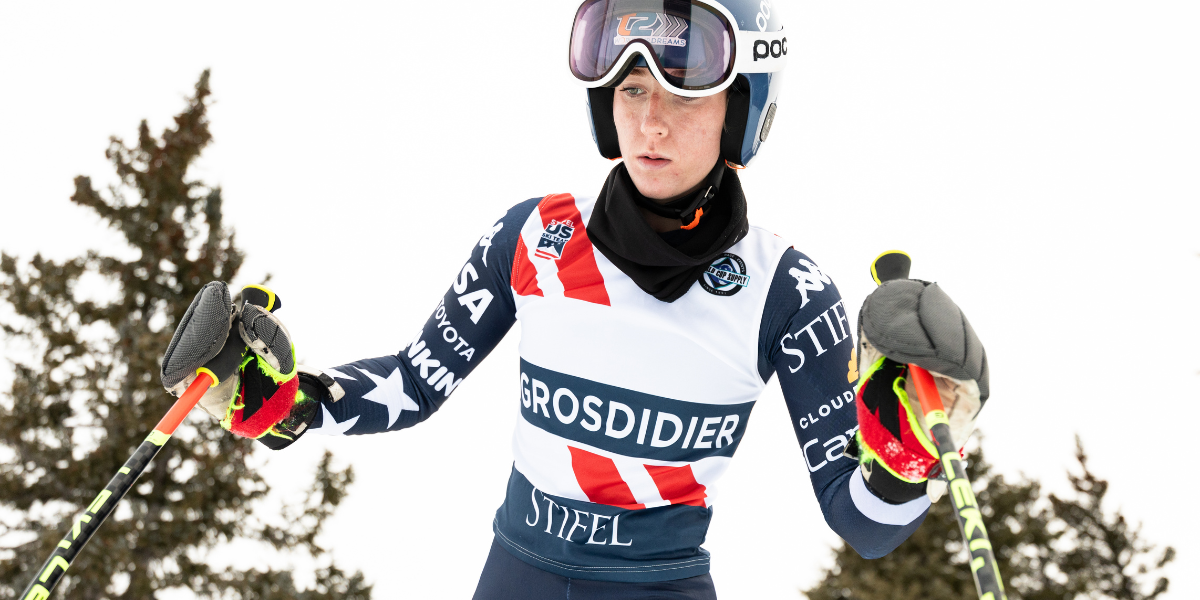
At just 16, Logan Grosdidier is the youngest athlete on the Stifel U.S. Alpine Ski Team. Her results are exciting, but this story isn’t about declaring a future champion. Instead, it’s an introduction to a young skier who has earned attention through steady growth, grounded confidence, and a genuine love of skiing. Her season will bring high moments, tough lessons, and everything in between — and that journey is what makes her worth following.
Growing Up on Snow
Grosdidier first stepped into skis at age three, simply wanting to follow her three older sisters. Her parents didn’t ski, but once the family moved to Washington, all four daughters ended up in the race program at Mission Ridge.
Those early years mixed play with purposeful training. Wednesday nights were filled with drills and night skiing, and weekends brought more fundamentals in the morning before free skiing and gates in the afternoon. The routine was simple but powerful.
“All of my basics came from those drills,” she said. “Pole planting, balance — everything started there.”
As she grew older, structure increased naturally. But the real shift came when she moved to Steamboat Springs as a first-year U14. With a new program, new coaching, and new expectations, Grosdidier began to develop the discipline that drives her today.

From Kinder Racing to FIS
Moving from junior racing into FIS can be a jolt, but Grosdidier stepped in with a thoughtful mindset. She wasn’t chasing titles or trying to force results. Her aim was straightforward: learn, improve, and lower her points.
“I didn’t think making the team was even in my sights,” she said. “My expectations were to focus on my skiing and let the results come if they came.”
That approach paid off quickly.
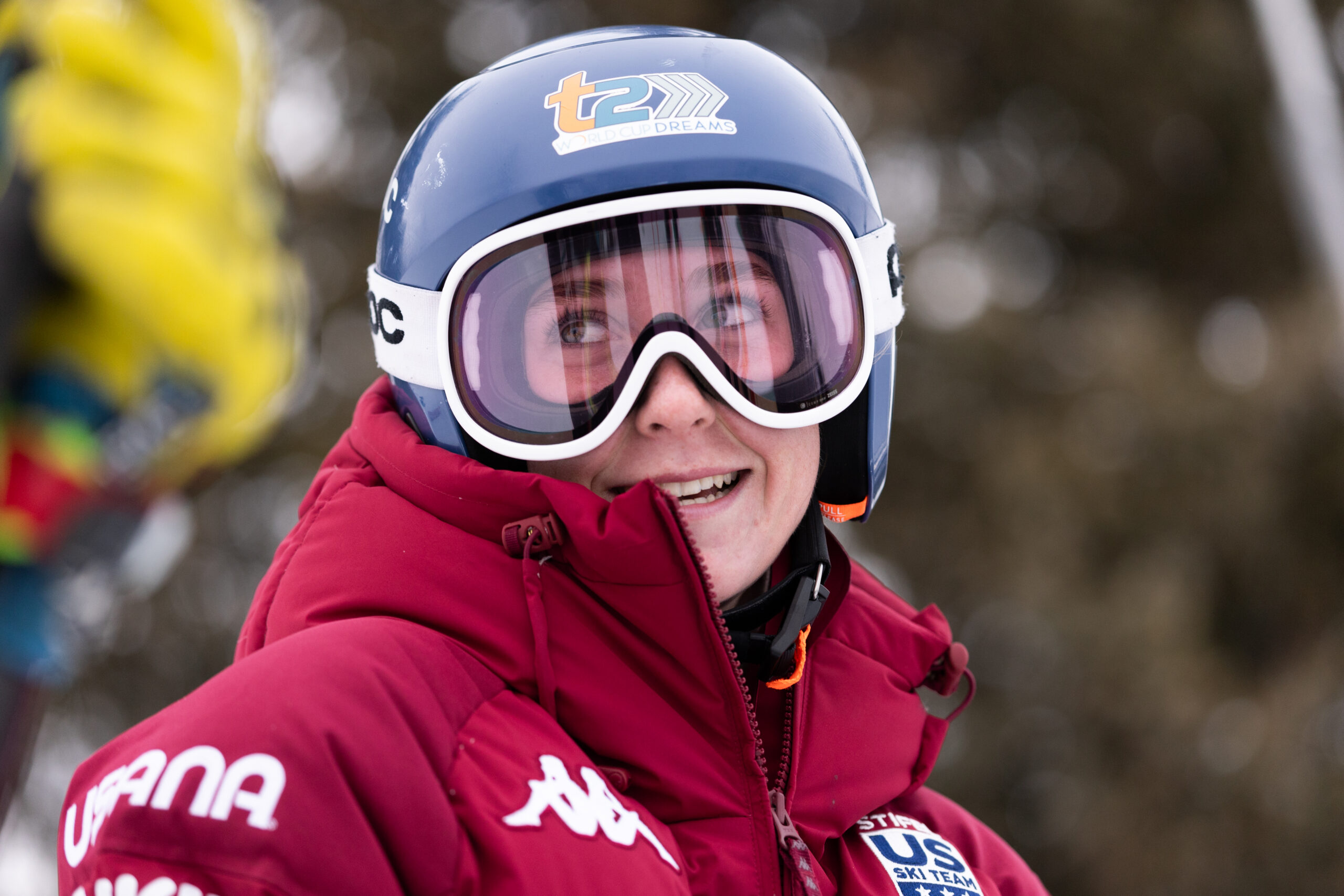
Photo: Dustin Satloff // U.S. Ski Team
@dustinsatloff // @usskiteam
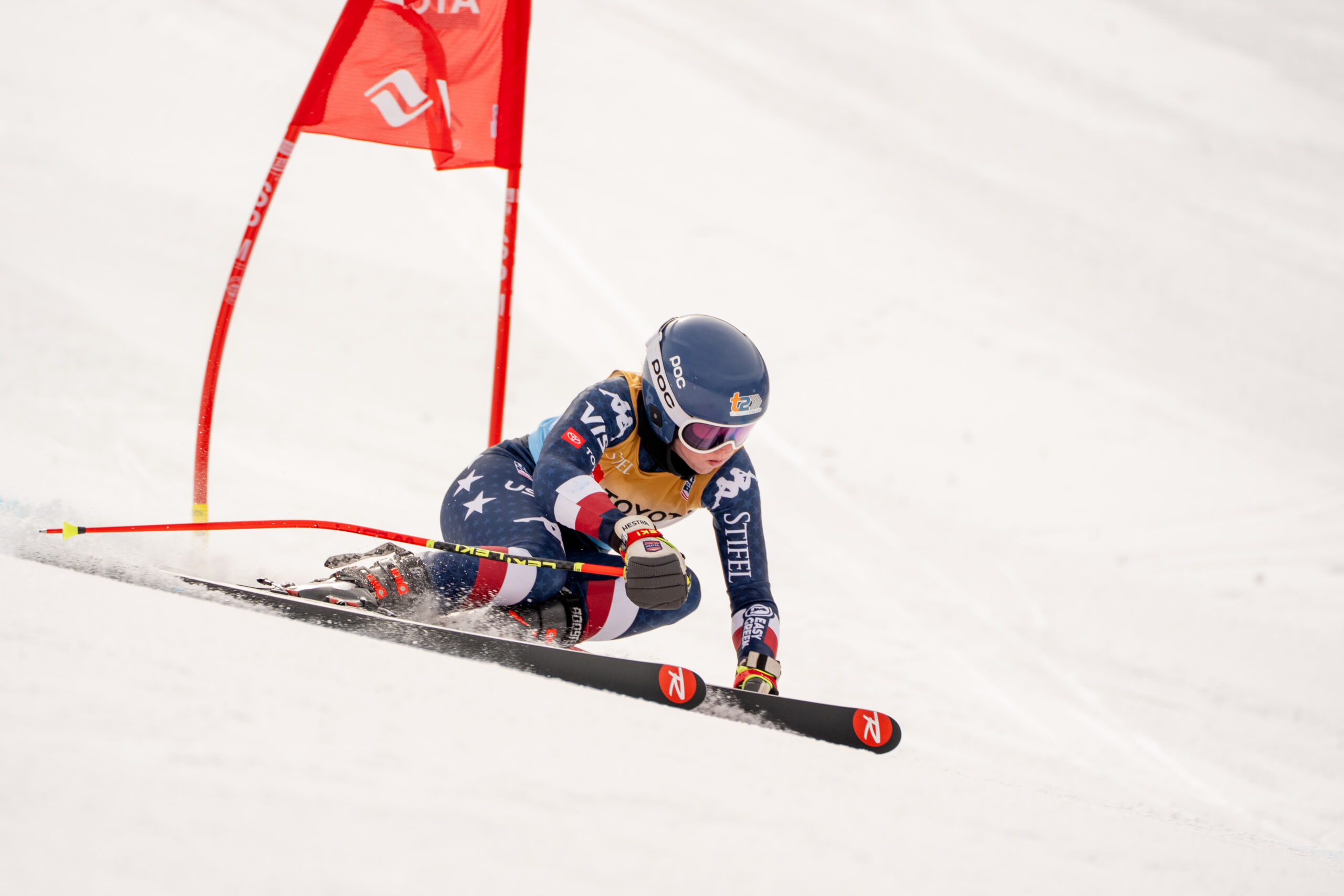
@joshdup Joshua Duplechian // U.S. Ski & Snowboard
A Breakthrough in Panorama
Grosdidier opened her FIS career at the Panorama NorAms and immediately found momentum. She finished inside the top 30 in all five races she completed, scoring points in three disciplines and earning a top-10 in super-G. The learning curve was steep, but she adapted faster than she expected.
“I was surprised,” she said. “Leaving Canada, I was ecstatic. It gave me a lot of confidence heading into the rest of the season.”
That confidence grew throughout the winter. By spring, she had earned NorAm podiums in slalom, GS, and super-G — a rare achievement for any athlete, let alone a first-year FIS skier.
Stepping Onto the National Team
Her season ended with another milestone: she was named to the Stifel U.S. Alpine Ski Team. Even better, she joined her older sister Tatum.
“I was super happy,” she said. “Being on the team with Tatum is one of my favorite things.”
The two shared races throughout the year, and Tatum became an essential voice on everything from course reports to confidence. The relationship now extends onto the national team, giving Grosdidier guidance as she faces the pace of international competition.
Building Momentum in Ushuaia
Momentum carried into August, when Grosdidier traveled to Ushuaia, Argentina, for a South American training block. Racing wasn’t part of the original plan. In fact, she considered skipping the slaloms entirely — until her coach entered her anyway.
“So I figured, if he wants me in the race, he must think I’m ready,” she said.
She was. Grosdidier delivered two South American Cup slalom wins, earning significant FIS-point drops and a start-number advantage that will help her for the next two seasons. The performance also lifted her slalom ranking to 42nd in the world, an impressive position for a second-year FIS athlete and a meaningful indicator of progress — not pressure.
The wins didn’t come from raw speed alone but from executing tactically in difficult conditions.
“I just focused on finishing and skiing smart,” she said. “It’s not always the fastest person who wins.”
What Makes Her Competitive
Grosdidier doesn’t claim to be the strongest athlete physically, but she’s coordinated, athletic, and quick to adapt — traits she credits partly to soccer.
“You can be really strong and still not have the coordination to make it through a turn,” she said. “Athleticism helps me recover from bad positions.”
Her mental approach is equally important. Skiing, she says, is a confidence sport. And she has been surrounded by coaches who build belief rather than pressure.
“My coaches gave me so much confidence,” she said. “That support made a huge difference.”
Motivation in a Demanding Sport
Grosdidier embraces the part of skiing that keeps athletes coming back: the grind.
“Skiing is such a hard sport,” she said. “When something finally clicks after months of work, it’s the best feeling ever.”
She values the social world around racing as well — teammates, competitors, and friends across continents. That sense of community has become one of her strongest motivators.
Family Support
Growing up in a ski-racing family shaped her approach. Her sisters provided guidance. Her parents made long drives, supported expensive travel, and stayed committed to helping all four daughters chase the sport.
“They’ve done so much for us,” she said. “I don’t know how they did it.”
Her mom, recently retired, made nearly every race last season. Her dad joined as often as possible. They were even in the crowd at World Juniors.
Balancing High School and International Racing
Unlike many elite juniors, Grosdidier still attends high school full time in Washington. She goes to in-person classes from August to November, plays soccer, begins winter training, and then returns in April to finish the year. During the season she takes online classes to stay on track.
“I love being in school,” she said. “It gives me a break from skiing. If I skied all year without that break, I think I’d lose some of the love for it.”
Looking Ahead
Grosdidier plans to focus on Europa Cups this season, with key NorAms early in the year. The goal isn’t podiums or instant results — it’s development. And that mindset is exactly why she is so compelling to follow.
She enters this winter as the youngest member of the national team, not with the weight of expectation but with an open path, strong support, and a clear love for the process. Her season will bring highs, lows, breakthroughs, and challenges — the real ingredients of growth.
Ski Racing Media will follow her journey as she learns, adapts, and continues writing the early chapters of her promising career.
About the Author: Peter Lange