I do wonder if the fidget spinner has moved to number one on the packing list of the men on World Cup specializing in slalom. Last year, their season started Dec. 21 having ended the year before at the end of February due to Covid. That made for nine months of idling. This year their gate is scheduled to open this Sunday onto the precipitous slope that is Val d’Isere, France. That is, if and only if, the weather doesn’t push tomorrow’s giant slalom to the following day in place of the slalom. Yes, the FIS have informed teams of this possibility due to the recent heavy snowfall. The next slalom on the men’s schedule is in Madonna, Italy on Dec. 22. Strictly speaking that’s pushing the season back 10 days, whereas a specialist might regard it as an eternity.
There is one, and maybe only one, slalom ace who might welcome such a delayed start, last year’s title winner Marco Schwarz of Austria. He ruptured his syndesmosis ligament in his left ankle on Nov. 3, followed by five weeks of intensive rehab. He was cleared to start back on skis last Friday, and by Saturday was back in gates. Without any notable pain, he said he’s good to go for the weekend. He might be whistling a different tune with a high 20s start number in a second run on the notorious chop of the Face de Bellevarde. But as goes one of sports most oft-violated clichés, we will see.
Hackneyed as that sounds, it actually carries some weight in the opener. There is only rumor and speculation on which to base opinions. For that, I checked in with sidelined World Cup slalom skier AJ Ginnis, the former U.S. Team member, who last year raced for Greece, where he was born and lived until his teens. I find when it comes to guessing it helps to have a Greek — and a connected one at that.
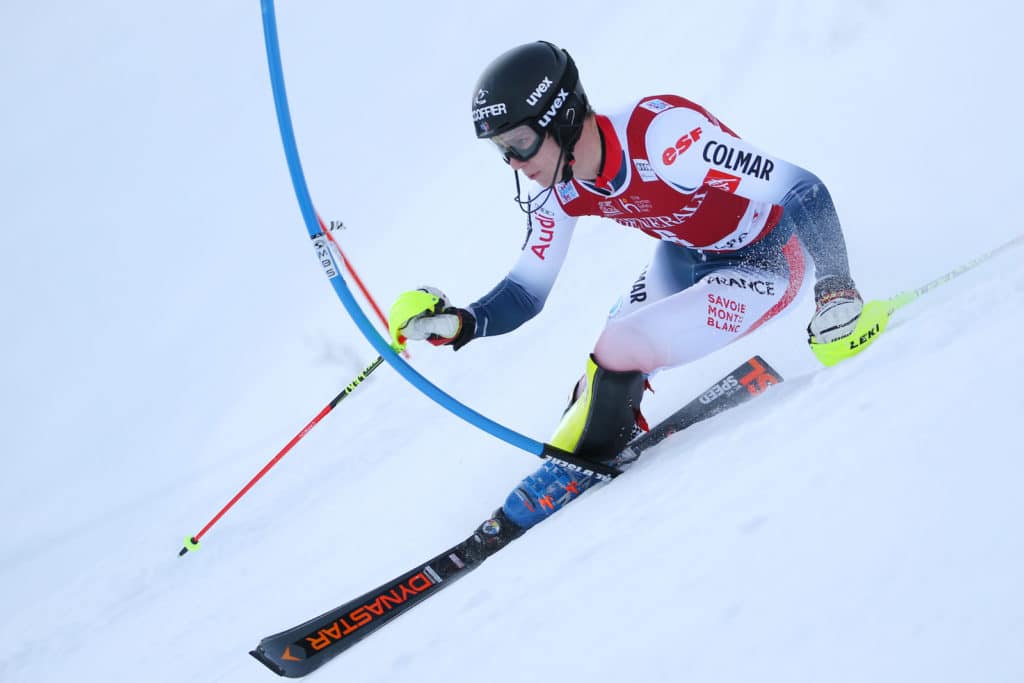
“Man, it’s so hard on the opener, you never really know,” he started, but then couldn’t stop himself. “I still think Clement (Noel) is the man to beat. I know he went out a bit last year, but you see his splits and they were still insane. It just showed he was skiing at a class above everyone when he was making mistakes.”
By all other reports, Noel has maintained incredible pace in the off season and has continued to dabble in GS, which is to say he had a chance to get out at least some early season jitters. Ginnis’ long-time sparring partner, Dave Ryding, also got the nod. “He has been killing it in training. I know Val d’Isere has not been his hill, but I’m really interested to see how he goes.”
Beyond that, many of the now-usual suspects continue to show pace in training including the late emerging Sebastian Foss-Solevaag. The 30-year-old Norwegian peaked last February at the word championship with a decisive win. He is flanked by equally competitive compatriots at disparate stages of their careers.
On the one side, there’s the independent Norwegian Henrik Kristoffersen and his 23 World Cup wins. Last year, he offered up one of the most unpredictable seasons of any generational champion I can recall. One week he would win, then next he’d be outside the top 10. He skied out in two slaloms, which for a skier who went out just nine times in his first 200 FIS races, is saying something.
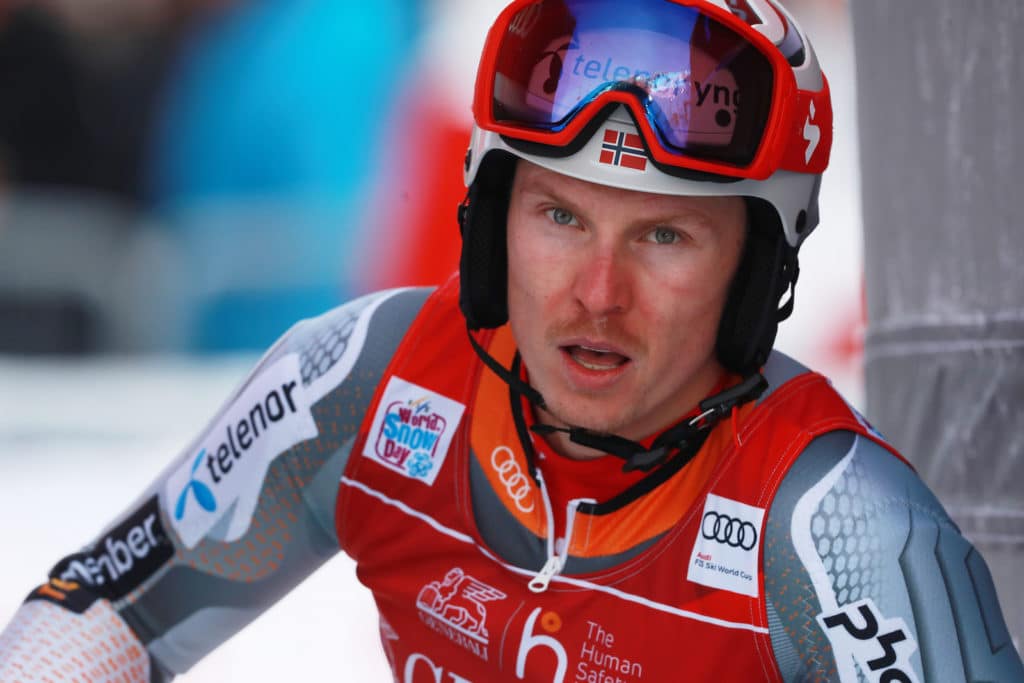
“When he’s on, he is on,” says Ginnis. “But when it’s off, he’s always searching for answers everywhere.” To that end, the Rossignol skier now uses Marker bindings as did his long-time rival and idol Marcel Hirscher, who was on Atomic. It’s a sticky affair to go off-brand with bindings, but for the very best, such contractual standards are tested. The Norwegian has also made some recent changes with machine-tuning practices. Nuanced as that sounds, he’s told Norwegian reporters it’s been a game-changer when it comes to the grip he has been seeking. We will see.
On the other side, Solevaag has returning talent Atle Lie McGrath, who is just 21. Therein lies something of a slalom metaphor: Will 2022 be the year youth takes over, or will those skiers in their late 20s and early 30s be able to hold court? McGrath, injured last January, has “lights out speed,” says Ginnis. So go the reports on Italy’s Alex Vinatzer, just 22.
As an Olympic year, there is always that additional layer of intramural competition for one of the coveted Olympic spots. That is particularly true of the deep teams, such as the Swiss. “You’ve got six (slalom) skiers on that team who have podium potential,” says Ginnis. “That adds a whole other level of pressure to each race.”
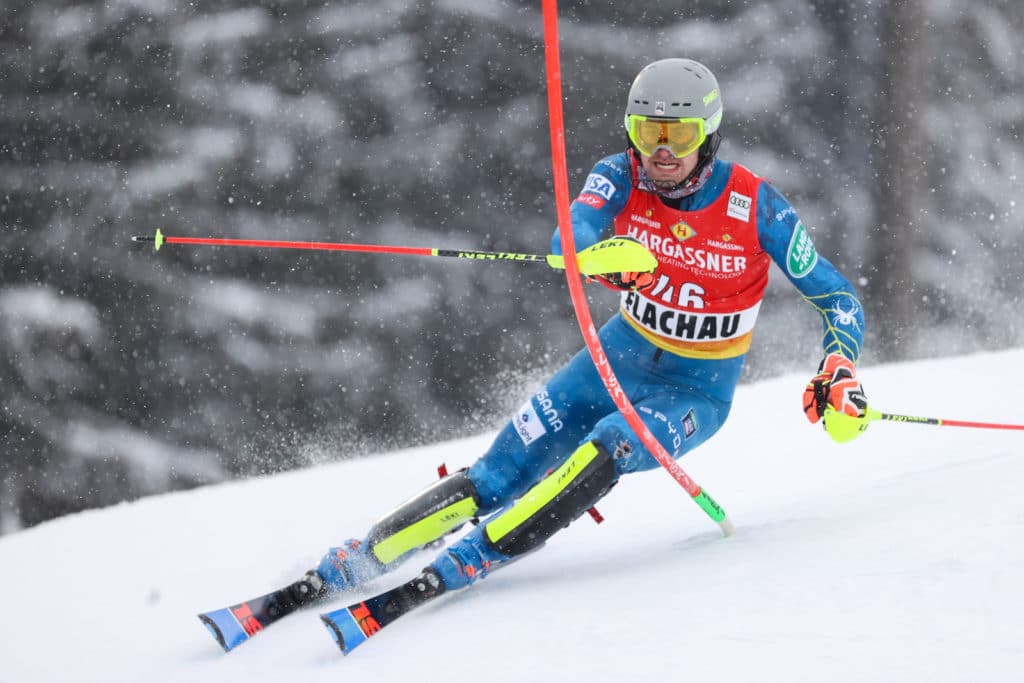
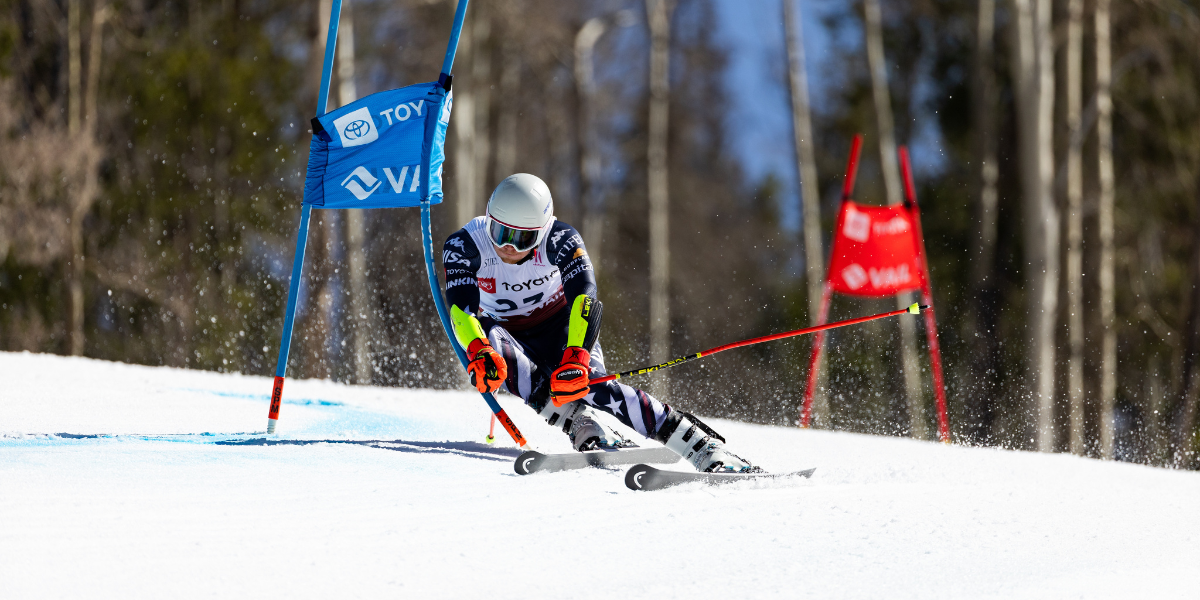
For the U.S., they’re banking on youth taking over. Their youngest, 21-year-old world junior champion Ben Ritchie leads that charge. He’s been the keeper of the pace for two years, and in recent comparisons was outskiing Sweden’s Kristoffer Jakobsen, who has won a couple of World Cup runs. But all the Americans will be wearing bibs 40 and up, and that’s no small hurdle. (If it weren’t for drop-outs and injuries, it could have been 50 and up.)
For Ginnis, the magic number bib is 38 or under. “On average about five guys get into the top 30 because about that many in the top 30 made a mistake or went out and the guys behind have a clean run and get through. Then about another three guys (get in) where everything comes together, and they have one of those special runs. But to be one of those guys in the 40s, particularly in Val d’Isere, it’s tough.”
One American who has captured a bit of that lightning is Luke Winters. The 24-year-old skied from 40th to second after his first run in Val d’Isere in 2019, and made it look easy. It was his sixth World Cup slalom start. No doubt, he’d love to recapture that confidence. We will see. Or we won’t, and they’ll all have to reach for that fidget spinner and hang tight for another two weeks.
About the Author: Steve Porino