
Image Credit: “What’s the Point, Presented by Stifel”
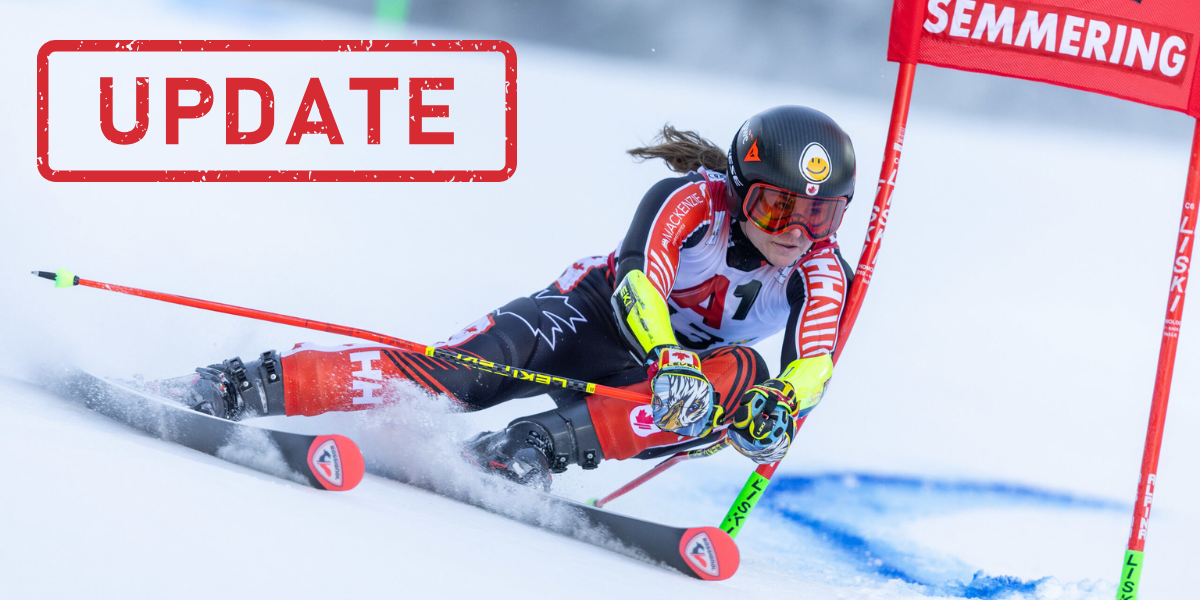
Mikaela Shiffrin plans to race fewer slaloms in 2026-27 and devote more training time to giant slalom and super-G. Her current plan calls for her first slalom start at Killington, followed by selected races through the winter.
For the Stifel U.S. Ski Team athlete, the change begins with a question: Where does she most want to improve?
In the video below, Shiffrin calls the coming winter an “exploration season.” After 16 years, she wants to give the disciplines that now spark her curiosity more room in her program.
The decision follows a season in which she earned her ninth World Cup slalom title and reached 110 career World Cup victories. It changes how she will divide her training and racing time while she remains at the top of slalom.

Why GS and super-G now?
Shiffrin describes the moments that keep drawing her back to skiing: a turn that does not work, a conversation about why and the breakthrough that follows.
“I adore the process of getting better,” she says.
Right now, GS and super-G offer the questions she most wants to answer.
Last season, she says, she initially worried about losing her place among the top 30 in GS. Working back into the top seven showed her that she could find speed while still confronting fear.
That experience helped renew her interest in what comes next. She wants dedicated training blocks to explore those possibilities, with fewer switches between disciplines.
Slalom demands its own sustained preparation. Shiffrin says the coordination, reaction speed, physical effort and repetition require maximum attention. Reducing that training carries consequences, even for her.
“One does not simply show up to any World Cup race and win,” she says.
Killington first, with options open
Under her current plan, Shiffrin would skip the early slaloms in Levi and Gurgl before returning to the discipline at Killington, Vermont, an Ikon Pass destination.
She then intends to select additional slaloms. Maintaining her ranking matters because she wants the option to shift her focus again if she misses the discipline.
The schedule also creates short windows for recovery and body maintenance. An early-season visit home could give her time with family and her new niece — an opportunity she rarely gets during the racing winter.
Shiffrin cautions that her overall race load may look much the same once the season gets underway. The biggest difference could come in the first third of the winter, along with how she uses the time between races.
Making room for a longer career
Longevity runs through her explanation. Shiffrin says conversations after her Cortina injury helped her recognize that trying to do everything throughout an entire career might be unsustainable.
Now she wants to see whether a different balance can help her continue doing the work she loves.
“I’m not trying to do less because I care less,” she says. “I’m trying to do something different because I still care so much.”
She acknowledges concern about disappointing fans and supporters. But she also says the people closest to her have encouraged her to choose what is best for her.
Her plan leaves the outcome open. More focused training could reveal new possibilities in GS and super-G. Selected slalom starts could pull her back toward that discipline.
Watch the full video below for Shiffrin’s explanation of the schedule change and the ambitions behind it.

About the Author: SR Staff Report