Featured Image: Courtesy of Martina Plunger Beech
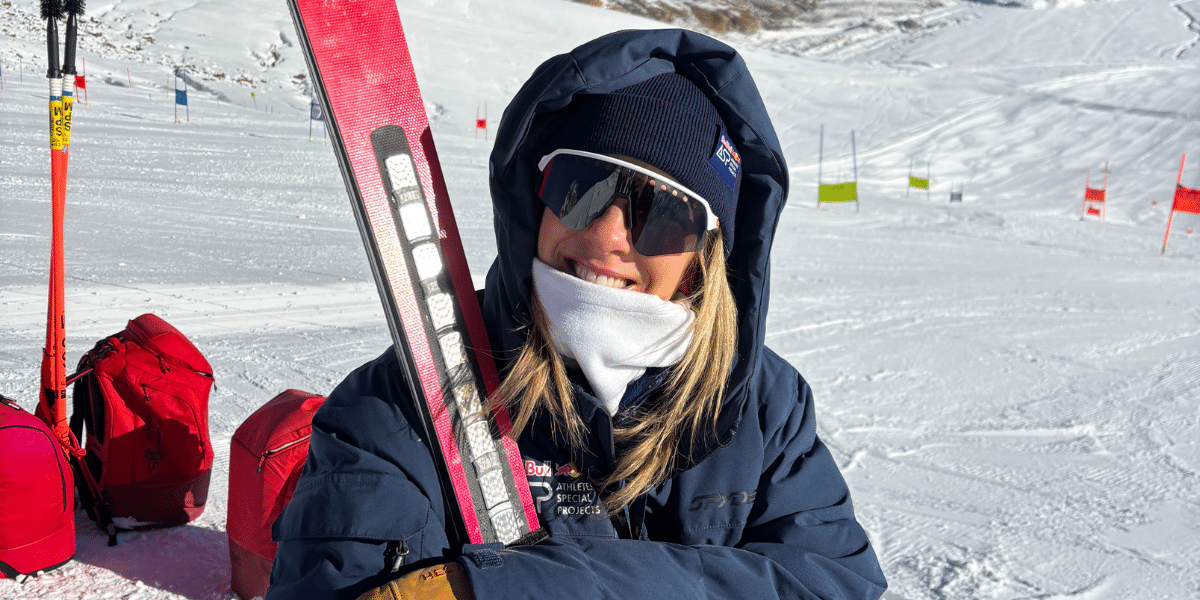
An interview with Martina Plunger Beech, physiotherapist, former US Ski & Snowboard Team physiotherapist, and founder of her own practice in Amsterdam.
In the fast-paced, high-stakes world of ski racing, female athletes have unique needs that are often overlooked. Martina Plunger Beech, physiotherapist, emphasizes the importance of moving beyond generic approaches and tailoring health, recovery, and training strategies to each athlete.
Individualized Care is Essential
“One-size-fits-all simply does not work for female athletes,” Martina explains. Hormonal fluctuations, menstrual cycles, and contraceptive use all affect energy metabolism, recovery, and injury risk. Age also plays a crucial role. A teenage athlete’s needs differ from those in her mid-twenties. “A generic program does not account for these natural variations,” she says.
Historically, female athletes have faced challenges that were misunderstood or ignored. Research now shows, for instance, that females may have a higher risk of ACL injuries due to both hormonal and biomechanical factors. Yet injury prevention programs were long based on male models. The menstrual cycle is often overlooked. Many athletes have felt forced to “push through” symptoms without any discussion on how to adapt training around their physiology.
A Practical Example of Success
Martina shares a story of an athlete whose performance improved dramatically once her cycle was taken into account. “She had never considered that her menstrual cycle could affect her performance. Before, she pushed through every session the same way, often feeling inconsistent and frustrated. Once we began tracking her cycle and adjusting training loads accordingly, her performance became more consistent, the risk of overtraining decreased, and most importantly, she felt confident and in control of her body.”
Education and Awareness: Closing the Gap
Martina sees a critical gap in education not only about physiology but also about communication. “Coaches and parents are rarely trained on how to talk openly about menstruation, nutrition, or hormonal health,” she says. In sports like skiing, where most coaches and staff are male, discomfort or lack of knowledge can silence female athletes until problems become serious.
Families and coaches can support athletes by educating themselves on female-specific health. They can create environments where these topics are spoken about as openly as training, nutrition, or sleep. Even small adjustments in training, such as shifting intensity, focusing on technical skills, or emphasizing recovery during certain phases of the cycle, can have a meaningful impact without compromising performance goals.

Expanding Female Health Education Through Workshops and Online Programs
Martina is at the forefront of transforming the culture around female athlete health. Based in Amsterdam, she owns a clinic and currently works with Red Bull. With a multidisciplinary team approach and rising demand, supporting female athletes has become a central focus of her practice. She is also leading an exciting new initiative with a team of all-female sports physiotherapists and colleagues to offer workshops and online programs designed for female athletes at every stage of development.
“Our goal is to make education practical, engaging, and immediately applicable,” Martina says. The program covers:
- Understanding the menstrual cycle and its impact on performance
- Pelvic floor anatomy and dysfunction
- Breast health and optimal support
- Prevention and recognition of RED-S, Relative Energy Deficiency in Sport
The initiative is designed for coaches, support staff, and parents, using real-world examples and actionable tools to ensure knowledge is embedded in club and team culture. Follow-up resources help reinforce learning, making it sustainable and impactful.
Shifting the Culture Around Female Health in Sport
Martina emphasizes that prioritizing female health is about empowerment and performance. By understanding and embracing their physiology, female athletes can take initiative, build confidence, and take greater ownership of their training and recovery. “When athletes, coaches, and parents understand these differences, it creates stronger, more consistent, and more resilient performers.”
By prioritizing education, open communication, and individualized strategies, Martina Plunger Beech is helping reshape how female athletes are supported and setting a new standard for performance and well-being in competitive sport.
About the Author: Katie Twible