Nolan Sweeney’s World Cup Debut: From New Hampshire Roots to the Gran Risa
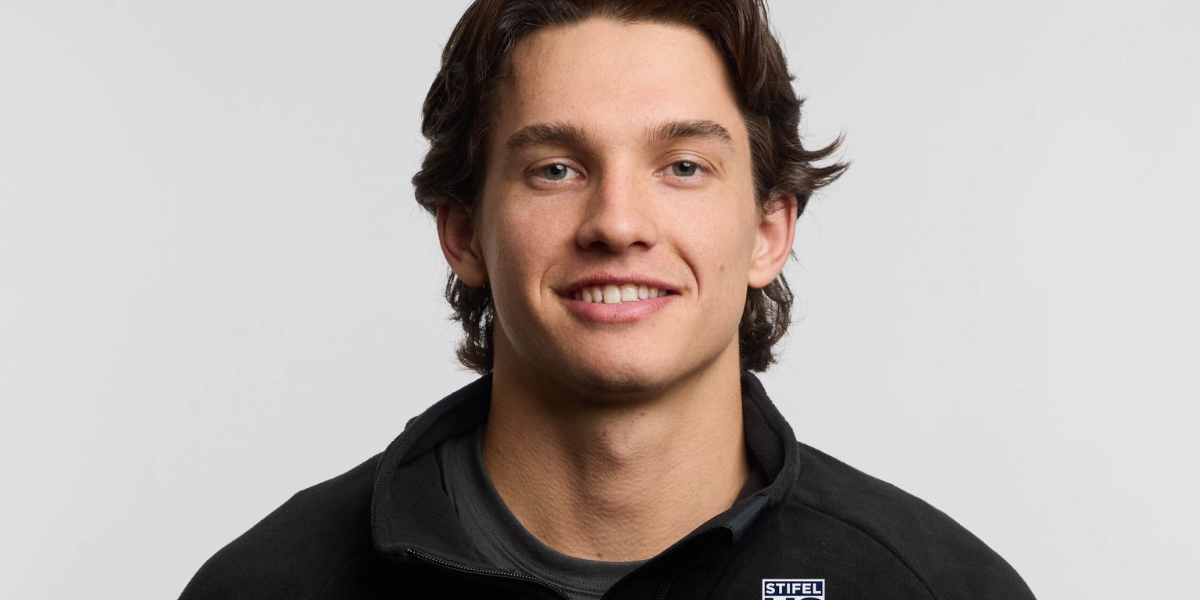
For Nolan Sweeney, a World Cup debut was never guaranteed. It unfolded through steady progression, difficult stretches, and a belief that growth matters as much as results. When Sweeney pushed out of the start gate on the Gran Risa in Alta Badia, he carried far more than a bib number. He carried years of learning that brought clarity, confidence and perspective.
A Beginning Without a Blueprint
Sweeney grew up in Littleton, New Hampshire, in a family that loved skiing but had no racing background. His grandfather worked as a ski instructor, and Nolan learned to ski almost as soon as he could walk. The defining spark came during a weekly school program at Cannon Mountain.
“One of the instructors told my parents I should join the Franconia Ski Club,” Sweeney said. “We didn’t know much about ski racing, but I said yes.”
That simple decision set the course.
When Results Changed the Direction
Skiing remained a winter passion until Sweeney’s U14 seasons, when success arrived with notable momentum.
“Championship season changed things,” he said. “I won all three events at New Hampshire States and then all three at Easterns. That’s when skiing shifted from something I loved to the focal point of my life.”
Those results opened doors—and raised the stakes.
Burke Mountain Academy: Learning Through Pressure
Advice from coaches soon led Sweeney to Burke Mountain Academy, a move that expanded his understanding of elite racing and tested his resolve.
“I didn’t know much about the ski racing world outside New Hampshire,” he said. “It became clear that a traditional high school path wouldn’t support a full pursuit of racing. Burke was close to home and unapologetically focused on athletics.”
The experience had a lasting impact on him.
“My time at Burke wasn’t always about trophies,” Sweeney said. “Those years were challenging, but they clarified who I am—both as an athlete and as a person. They showed me what it really means to compete at a high level.”

College and a Renewed Purpose
After Burke, Sweeney found balance and momentum through collegiate racing at Colby College.
“Colby was right because of the people,” he said. “I arrived with two of my best friends, Harrison Digangi and Noah Riemenschneider. We pushed each other every day.”
Training at Sugarloaf and Sunday River, Sweeney rediscovered joy in the process—and regained belief in a World Cup future.
“College skiing brought my World Cup dream back,” he said. “NCAA racing is fun. It showed me that ski racing brings a community that lasts, not something that ends when results stop.”
This perspective proved essential.
“It reminded me that life exists outside my own ski racing bubble,” Sweeney said. “The work has to come from passion, not obligation.”
The Call to Alta Badia
That mindset helped steady him when the opportunity finally arrived.
While racing Europa Cups in Valloire, France, Sweeney learned that strong World Cup performances by U.S. teammates had opened additional start spots. One of them would be his.
He said, “They told me I would be racing in Alta Badia.”
Even then, reality arrived gradually.
“I was staying a few hundred meters from the Gran Risa, but it didn’t hit until the night before,” Sweeney said. “Seeing my name on a World Cup start list—that’s when I called my parents and told them it was real.”
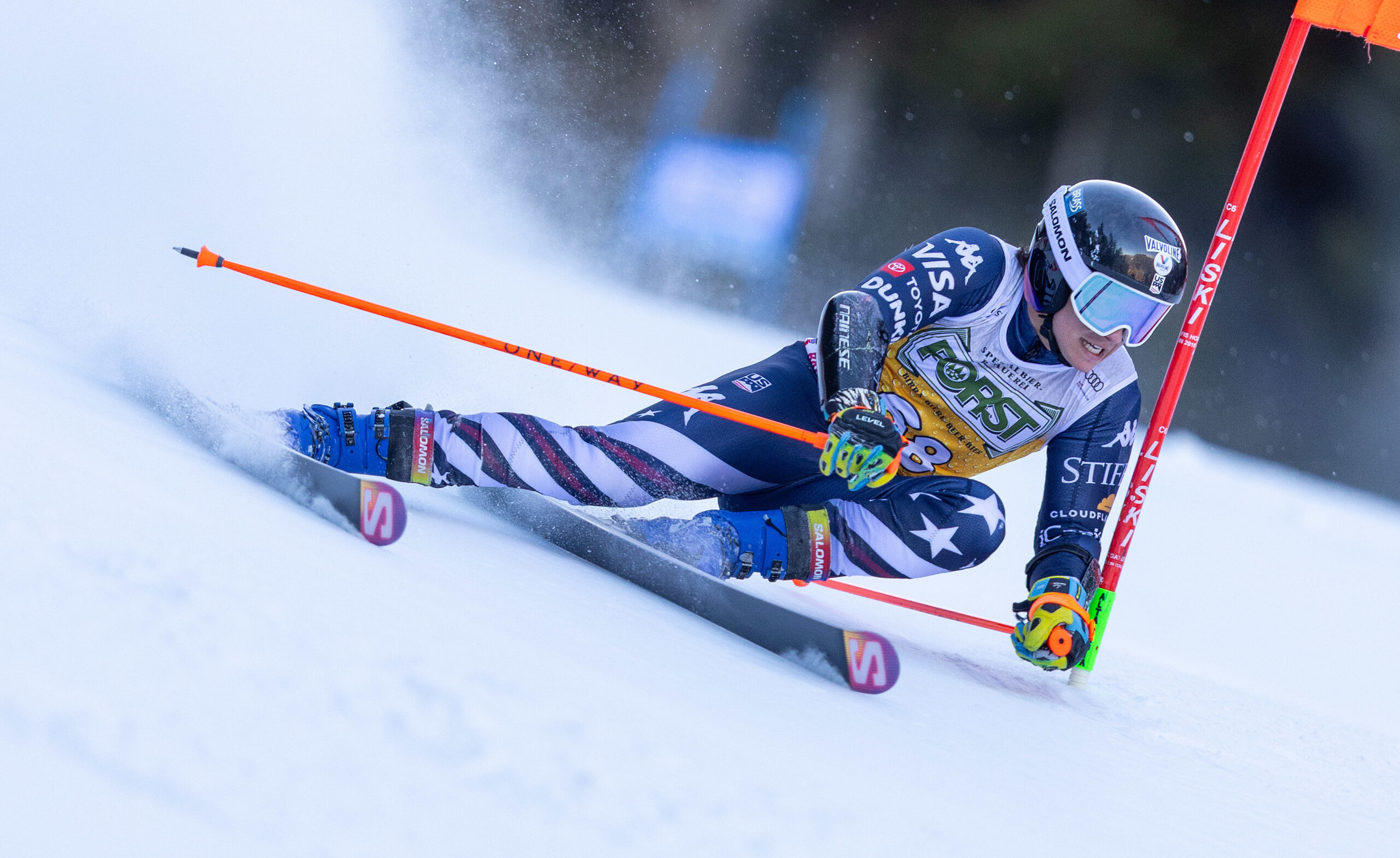
Entering the World Cup Arena
Sweeney had forerun World Cup races before, but racing with a numbered bib carried different weight.
“Putting on a number instead of a letter changed everything,” he said. “I leaned on experienced teammates and reminded myself it’s still a ski race.”
The buildup unfolded quickly. Instead of flying home from France, Sweeney drove across Europe to prepare. When he arrived in Italy, the scale stood out.
“The World Cup is a production,” he said. “Cameras, fans, energy everywhere. But the biggest takeaway was that it’s still ski racing. The fastest skier through the gates wins.”
That realization mattered.
“It helped break down mental barriers,” he said. “The World Cup can feel distant until you’re there doing the same job you’ve always done.”
Race Day on the Gran Risa
Race morning followed familiar rhythms—breakfast, activation, inspection—but with unmistakable intensity.
“The organization impressed me,” Sweeney said. “Athlete-only gondolas, smooth logistics, everything worked.”
Inspection brought a moment of quiet focus on one of the sport’s most demanding slopes.
“I stayed composed and watched the top skiers on TV after inspection to understand how the course was running,” he said. “Then I went back to my normal routine.”
Despite the lights and the crowd, the task before him stayed simple
“I still had one job—to ski,” Sweeney said. “Keeping things simple helped me stay calm.”
Family could not attend in person, but the support reached him anyway.
“Knowing people woke up early to watch bib 68 meant a lot,” he said. “It reminded me I wasn’t alone.”
Leaving With Clarity
After the race, Sweeney and his teammates drove to Milan and flew home the next morning.
“That van ride gave me time to decompress,” he said. “Expectations, disappointments, and new goals all settled in.”
The takeaway stood clear.
“The World Cup is just a ski race,” Sweeney said. “It carries a mystique, but it reaffirmed that I’m on the right path.”
When he looks back, Sweeney knows what the debut will represent.
“I hope it’s the first of many,” he said. “No matter what, it will always be a landmark in my journey—something I’m proud of and a stepping stone onward and upward.”
For Nolan Sweeney, Alta Badia was not an arrival. It was confirmation.
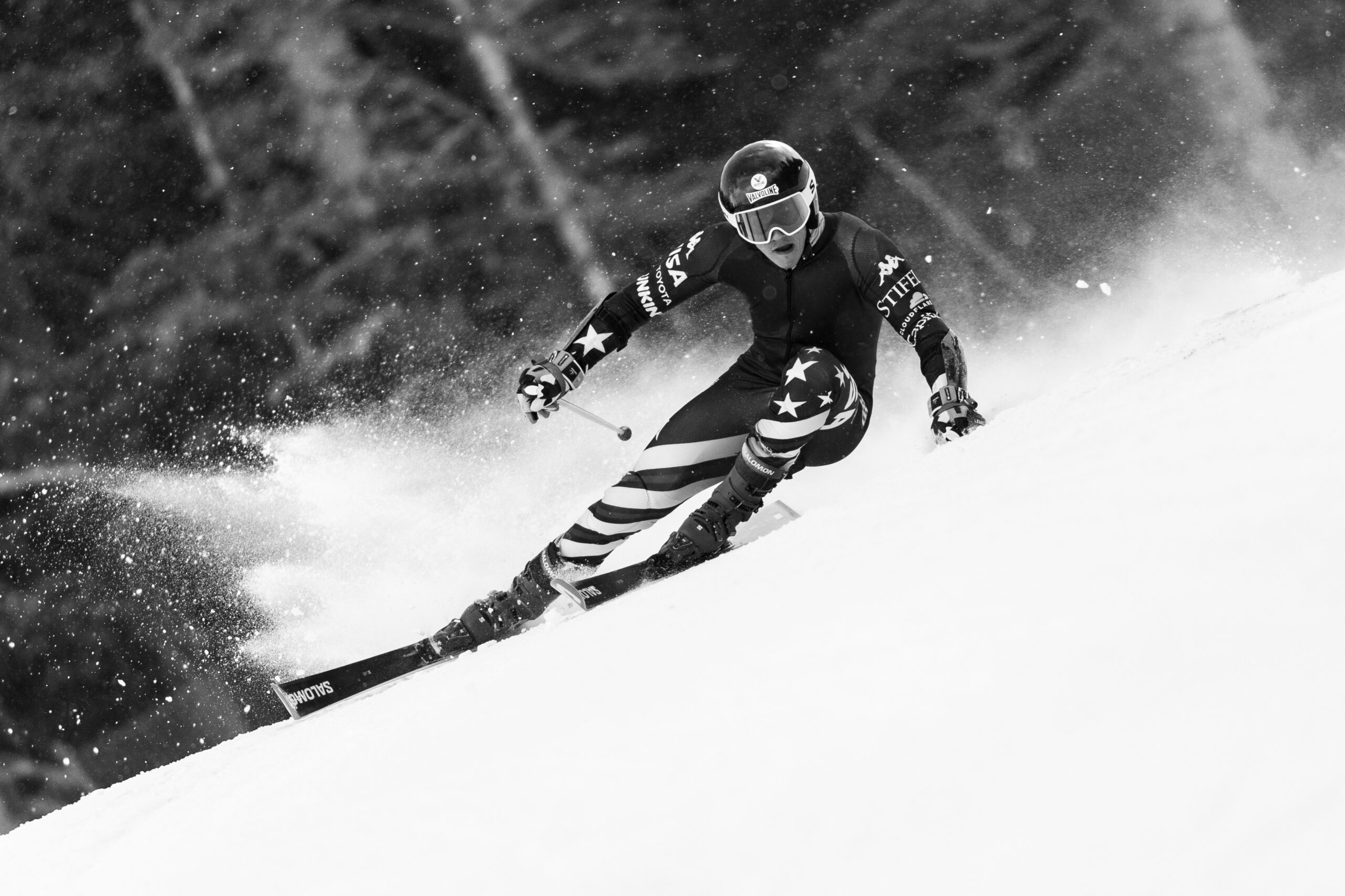
@dustinsatloff // @usskiteam
About the Author: Peter Lange