Paula Moltzan’s Sölden Win Extends Collegiate Skiing’s World Cup Legacy
Stifel U.S. Ski Team’s Paula Moltzan Makes History as the most recent NCAA Skier to Win an Alpine World Cup Race
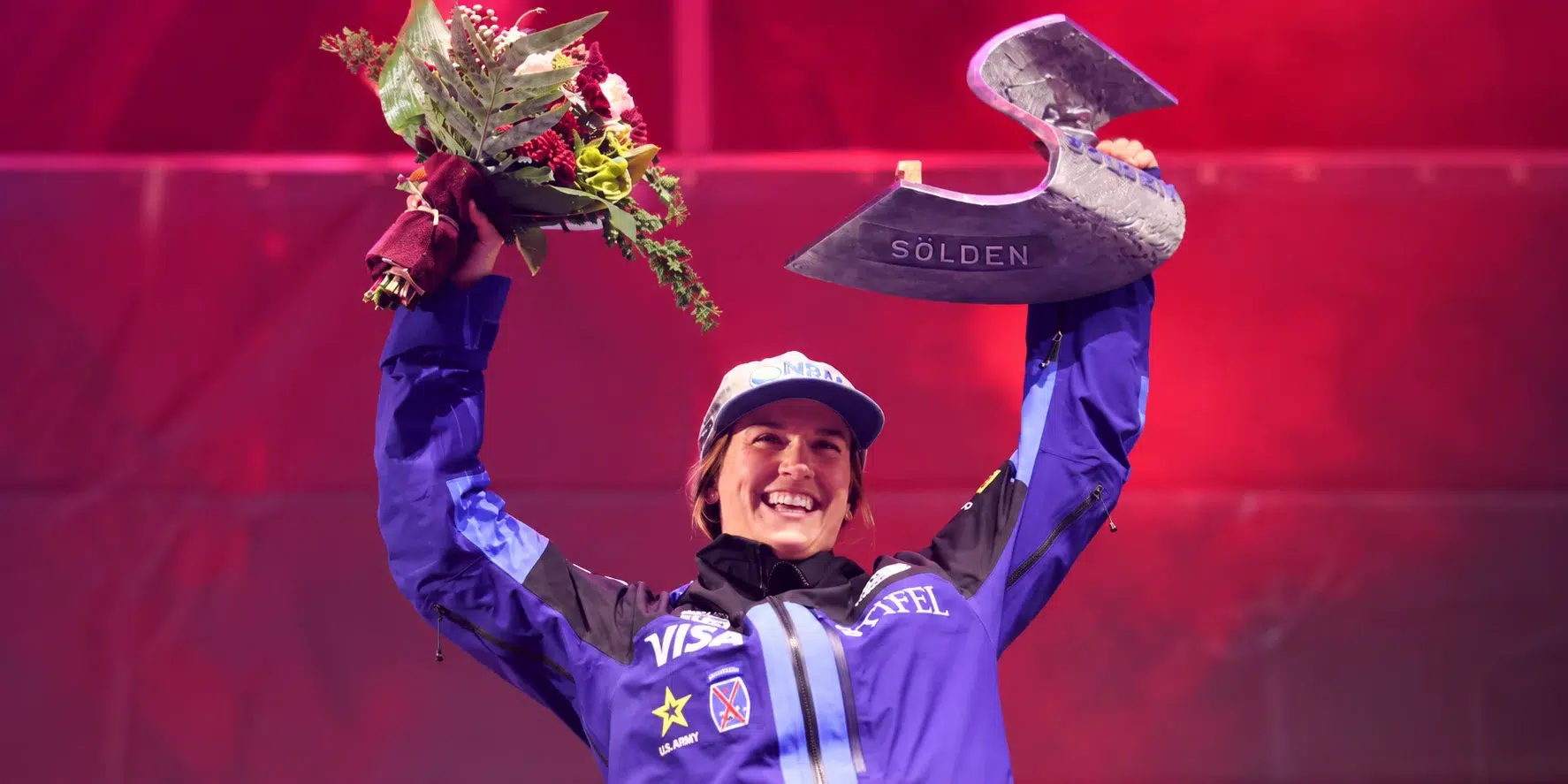
Paula Moltzan spent 13 seasons on the World Cup circuit, earned 10 podiums and kept pushing toward the top step. On Oct. 24, 2026, she came from fifth after the first run in Sölden to win the season-opening giant slalom by 0.01 seconds.
The victory brought Moltzan’s career World Cup podium count to 11: six in giant slalom, four in slalom and one in parallel. At 32, she became the oldest woman to win her first Alpine World Cup race.
Moltzan’s victory added another milestone to her career and highlighted the collegiate path that helped sustain her return to the World Cup. It brought her career podium count to 11: six in giant slalom, four in slalom and one in parallel. At 32, she became the oldest woman to win her first Alpine World Cup race.
Moltzan had already won Olympic bronze in the team combined with Jacqueline Wiles at the 2026 Milano Cortina Games, world championship gold in team parallel in 2023 and giant slalom bronze in 2025. Sölden gave her the result that had eluded her: a World Cup victory.
What makes these four college racers exceptional?
Click on the images to enlarge
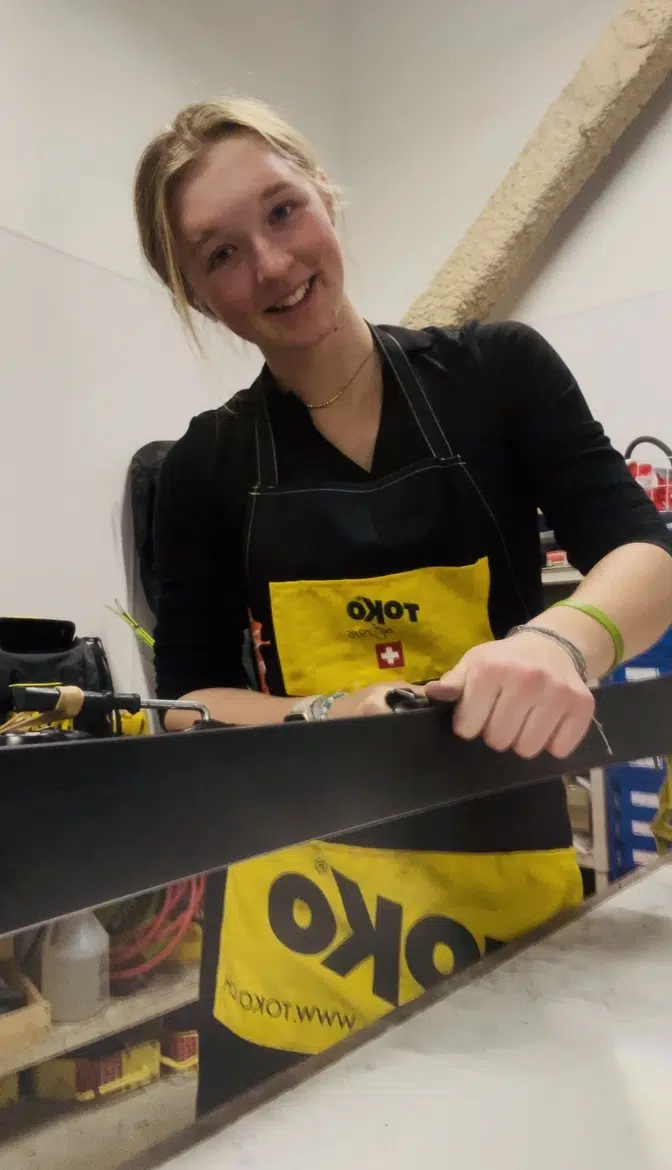
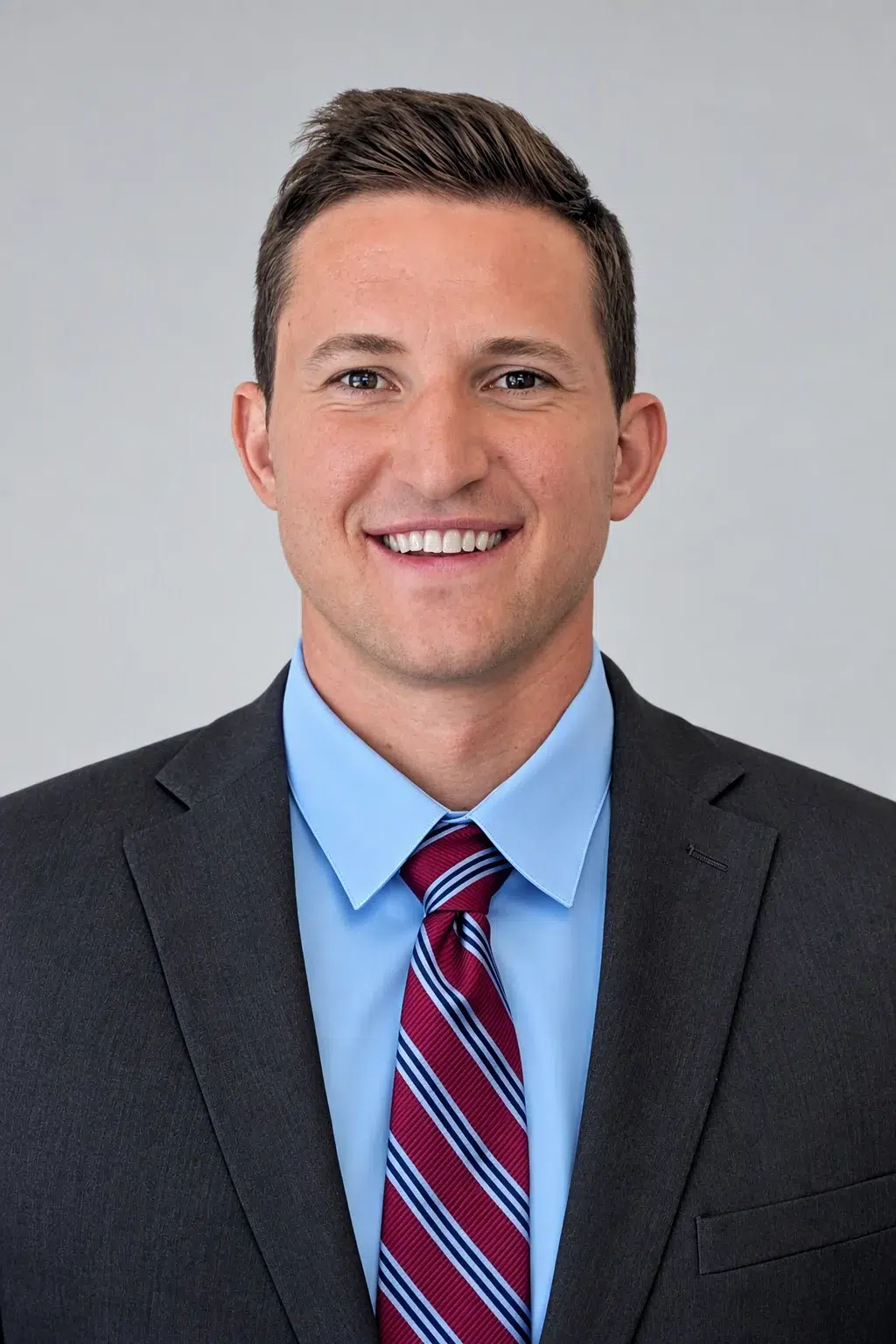
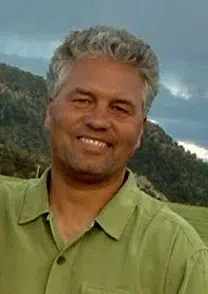
Many NCAA skiers have gone on to World Cup careers. This story follows three NCAA racers and one USCSA racer whose collegiate paths led to major podiums: American Moltzan, Canadian Laurence St-Germain, Norwegian Leif Kristian Nestvold-Haugen and Slovenian Uroš Pavlovčič.
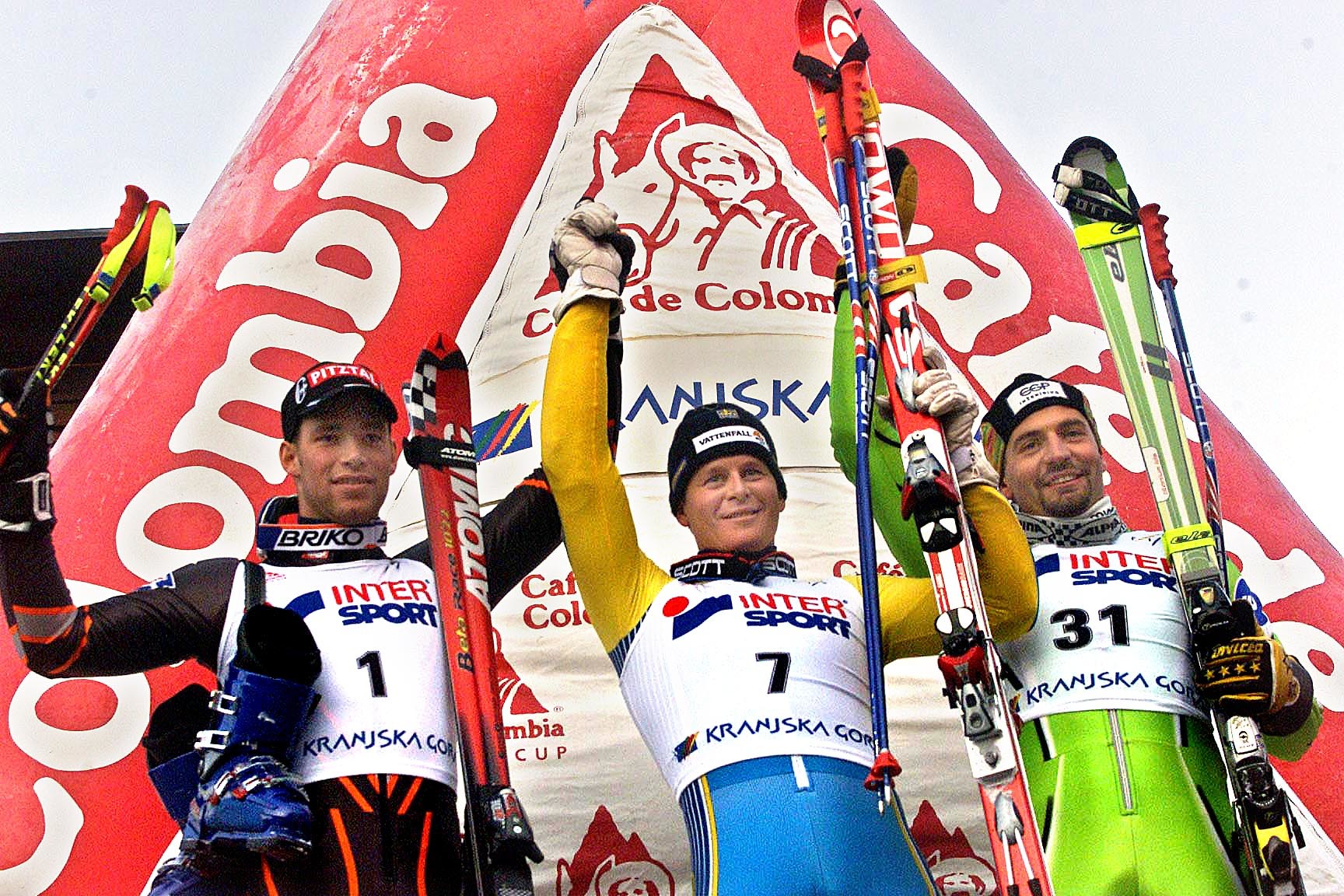
Pavlovčič reached a World Cup podium first. A student-athlete at Sierra Nevada College from 1995 to 1999, he won the USCSA individual title in each of his four college years. After graduating, he returned to Slovenia’s national team. On Dec. 20, 2001, he finished third in giant slalom at Kranjska Gora, near his childhood home, becoming the first collegiate skier to reach an Alpine World Cup podium. He later raced at the 2002 Olympics.
His story widens the frame: success in collegiate ski racing is not exclusive to NCAA programs. Pavlovčič’s USCSA route came before the NCAA careers of Moltzan, St-Germain and Nestvold-Haugen.
How did Leif Kristian Nestvold-Haugen balance DU and the World Cup?
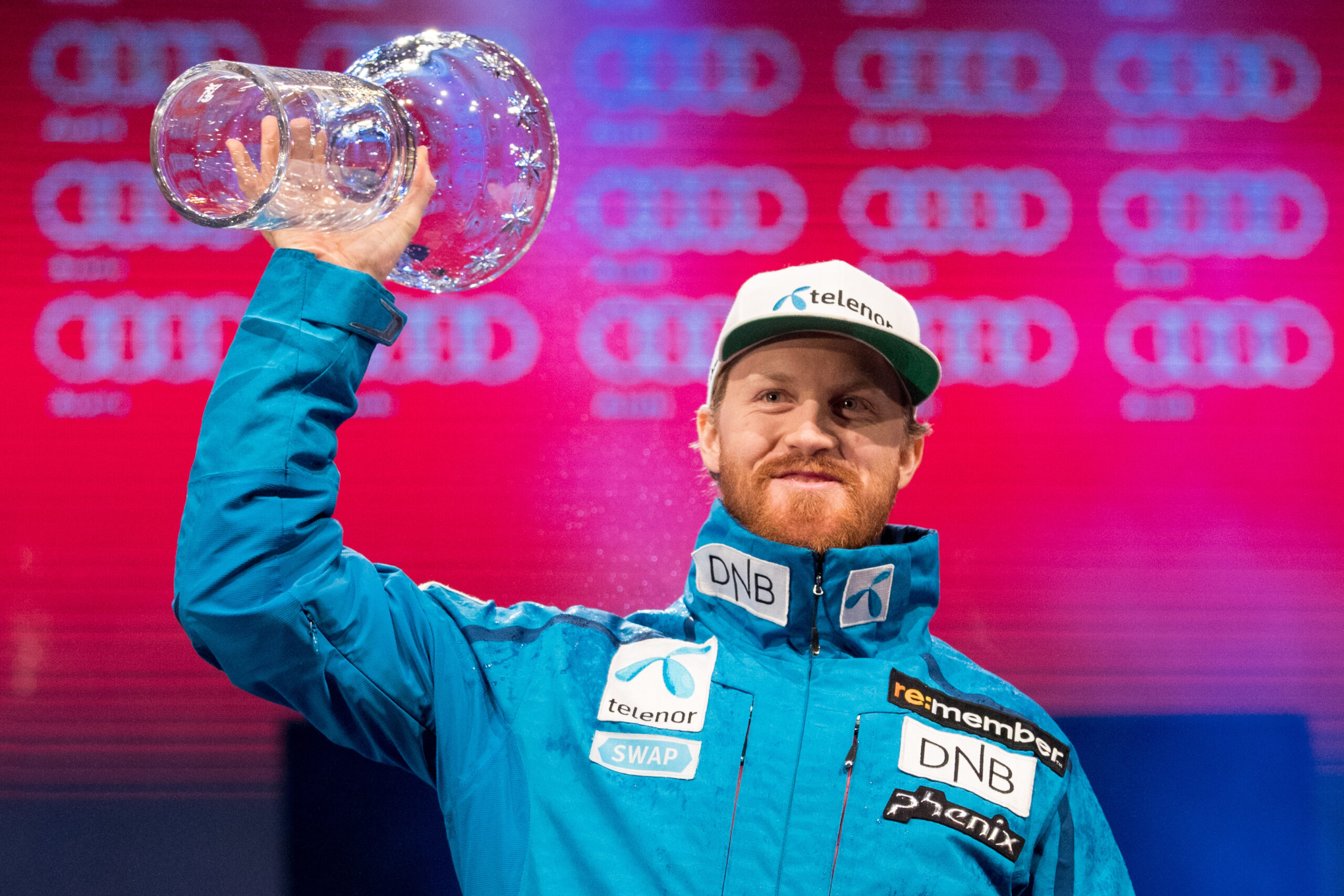
Nestvold-Haugen raced for the University of Denver Pioneers during his freshman and sophomore years, made his World Cup debut at Sölden in 2009 and competed at the 2010 Vancouver Olympics while still in college. He then stepped away from collegiate racing to prepare for the 2011 World Championships, but stayed on track to finish his degree in four consecutive years. He graduated in 2012.
At DU, the Norwegian earned three First Team All-American honors. He made first team in slalom and giant slalom in 2009, then won the NCAA giant slalom title and earned another First Team All-American honor in 2010. He later won individual giant slalom bronze at the 2017 World Championships in St. Moritz. A year later, he helped Norway win bronze in the team event at the PyeongChang Olympics.
Nestvold-Haugen earned three individual World Cup giant slalom podiums: second at Kranjska Gora in 2017, third at Beaver Creek in 2019 and third at Garmisch-Partenkirchen in 2020. He also helped Norway win the team parallel at the 2021 World Cup Finals in Lenzerheide.
What did Laurence St-Germain take from Vermont to a world title?
St-Germain won All-American honors in three NCAA championship years, with five event honors in all: Second Team slalom in 2015; First Team slalom and Second Team giant slalom in 2016; and First Team in both events in 2019.
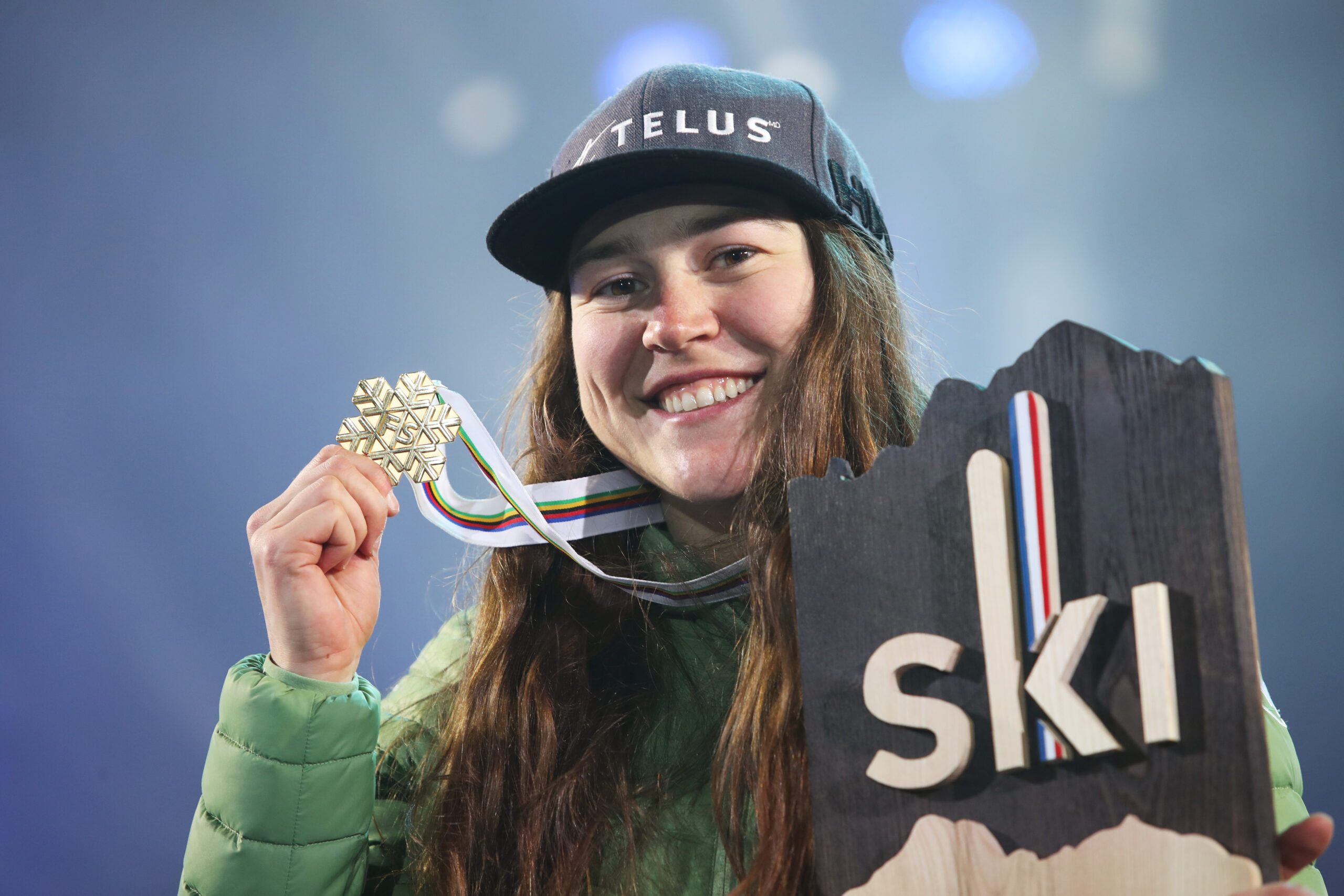
As a senior in 2019, she won both the slalom and giant slalom at the NCAA Championships in Stowe. She became the first UVM skier to sweep both titles at the same championships. Four years later, she won the 2023 world championship slalom title in Courchevel-Méribel, becoming the first Canadian woman in 63 years to claim the discipline’s world title.
St-Germain’s major podium came at the world championships, not the World Cup. That distinction matters: Pavlovčič, Nestvold-Haugen and Moltzan reached World Cup podiums, while St-Germain’s defining international podium came with her world title.
Her connection to academics continued after UVM. St-Germain earned a computer science degree in 2019 and later enrolled in a second degree program in biomedical engineering at Polytechnique Montréal. The day after winning the world title, she was on her way back to Montreal for a midterm in molecular biochemistry. She told Ski Racing that her plan had been to study on the plane for most of her exams. She was still a student, with coursework waiting as she returned from the biggest race of her life.
How did UVM help Moltzan return to the World Cup?
After losing her place on the U.S. Ski Team, Moltzan joined Vermont and found a way to keep racing while pursuing her education. She won the NCAA slalom title as a freshman in 2017 and earned First Team All-American honors in slalom in 2017 and 2018, and giant slalom in 2018.
World Cup seasons cross academic years. Before her junior year, Moltzan made one World Cup start while at UVM: the Killington slalom on Nov. 26, 2017. She did not finish. Her fuller return came during her junior year. Training with UVM teammates in Colorado, she won a time trial for a start at Killington in November 2018. She finished 17th, with the fourth-fastest second run.
Across six World Cup starts from November 2018 through February 2019, Moltzan placed in the top 20 four times, including a career-best 12th in slalom at Flachau. She then returned to Stowe for the 2019 NCAA Championships, placing third in slalom and fifth in giant slalom as UVM finished second. At season’s end, she was named back to the U.S. Ski Team.
Moltzan later described UVM as the second chance that helped her rediscover her love for racing. Her earlier Ski Racing profile also detailed how the team environment and academics helped her manage World Cup pressure.
Moltzan and St-Germain shared three years at UVM
Paula Moltzan and Laurence St-Germain were teammates at the University of Vermont for three years, from 2017 through 2019, coach Bill Reichelt says. Their collegiate race schedules did not overlap every season. St-Germain stepped away from NCAA competition during the 2017-18 Olympic season to race for Canada and prepare for PyeongChang, but remained a UVM teammate.
Their World Cup paths crossed while they were at UVM. In February 2019, the university reported that both were headed to the Maribor World Cup. The following month, St-Germain swept the slalom and giant slalom titles at the NCAA Championships at Stowe. Moltzan finished third in slalom and fifth in giant slalom.
St-Germain later reached the top of the sport while continuing her education. After winning slalom gold at the 2023 World Championships in Courchevel-Méribel, she flew home to Canada and studied for exams during the trip. She was enrolled in a second bachelor’s degree at the time. Her remarkable balance of elite racing and school was the subject of Ski Racing’s profile.
The collegiate path to the World Cup began decades ago
Paula Moltzan’s Sölden victory adds a new chapter to collegiate skiing’s World Cup history, but the path began decades earlier at the University of Colorado.
Jimmie Heuga won the NCAA slalom title in 1963. He later earned three World Cup podiums, all second-place finishes, during the inaugural 1967 season. Heuga also won slalom bronze at the 1964 Olympics; FIS records that same result as a World Championship bronze.
Spider Sabich also competed for Colorado, including as an individual at the 1966 NCAA Championships, where he finished 12th in downhill. His World Cup record included four slalom podiums: a victory at Heavenly Valley in 1968, second at Wengen in 1969, and third-place finishes at Megève and Lienz that year.
What can collegiate racing make possible?
From Jimmie Heuga and Spider Sabich to Pavlovčič, Nestvold-Haugen, St-Germain and Moltzan, these careers show how collegiate skiing can help racers keep developing, compete as part of a team and pursue an education while reaching for the sport’s highest levels.
Moltzan’s Sölden victory brings that history into the present. Her years at UVM helped her regain confidence, keep racing and return to the World Cup’s top step.
Correction: An earlier version of this article called Paula Moltzan the first NCAA skier to win an Alpine World Cup race. University of Colorado skier Spider Sabich competed at the NCAA Championships and won the 1968 Heavenly Valley slalom. We have updated the article to reflect Sabich’s place in collegiate skiing history and narrowed the claim about Moltzan to female NCAA skiers.
About the Author: Peter Lange
Related Post