
Featured Image: An artistic photo of the crowd at the Kitzbuehel World Cup in Austria. Credit: GEPA pictures/ Mario Buehner
Before the World Cup season kicked off, Protect Our Winters (POW) caused an abrupt movement within the ski racing world to find solutions that would help with the fight against climate change. POW and athletes demanded that the Federation of International Skiing (FIS) search for achievable solutions to reduce the sport’s environmental impacts and asked for more transparency.
The voices were loud, athletes displayed their eagerness for change, and FIS listened. Although FIS was not satisfied with how POW handled their call-to-action, referring to their campaign as ‘highly unattractive’ and pointed out different aspects that they believed were misleading, FIS proceeded with a release of initiatives that the federation has in place and will take to reduce their own carbon footprint to make the sport more sustainable.
Unfortunately, this is not an easy topic for anyone or any industry. The world is feeling the effects of climate change, and it continues to progress globally. Unfortunately, it is already having an impact on winter sports, and research concludes that it could worsen over time. Alarming studies are causing many industries to take a closer look at their future plans. For instance, the International Olympic Committee (IOC) held a press conference to discuss changes and an expedited timeline for the Winter Olympics due to the effects of climate change. They addressed it as a “very concerning situation.”
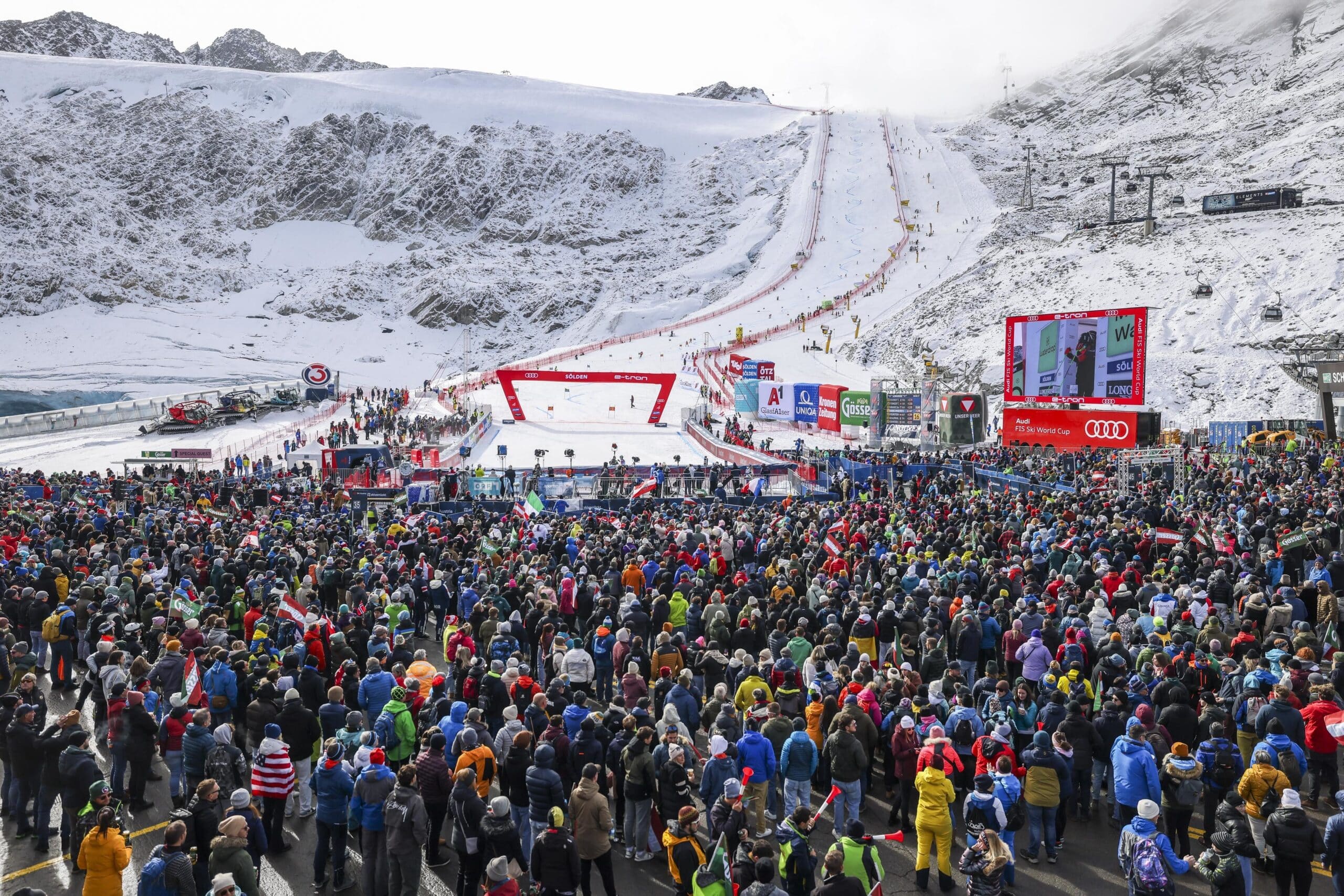
The Response from FIS
FIS has been the international governing body for skiing and snowboarding since 1924. They are in charge of the Olympic disciplines of alpine skiing, cross-country skiing, ski jumping, Nordic combined, freestyle skiing and snowboarding. Additionally, they added para-disciplines under the FIS umbrella in alpine, cross-country and snowboarding in 2022.
POW confronted the FIS with the topic in a written letter and a campaign with a call-to-action for people to sign a petition wanting FIS to ‘try harder’ in their sustainability efforts. FIS responded with a statement on how they have initiated sustainability efforts, they are planning for more initiatives, and how they believe POW misrepresented them.
Regarding the misrepresentation of the campaign, FIS brought up several points defending themselves against POW. First, they stated that POW did not mention that on October 13th, 2023, POW had a meeting with Susanna Sieff (Sustainability Director), where she informed them of the remarkable progress FIS was making regarding sustainability. Second, FIS believes a campaign like this ‘serves to splinter the winter sports community rather than unite it.’ Lastly, explaining that the photo was used from WWF Austria on the Pitztal Glacier, which they believe is ‘misleading the public to false information.’
FIS Sustainability Initiatives
Even though FIS was upset with how POW brought this challenging topic to attention, the federation continued to create a plan to implement sustainable efforts. The plan, in summary:
- FIS signed the UN Sports for Climate Action Framework (UNFCCC), where they committed to reduce its carbon emissions by 50% by 2030.
- Collect as much data as possible through this upcoming season to create a future sustainability plan.
- FIS will calculate their own emissions as an organization, so they have operational management and control. Then, they can reduce their footprint within their control, through their CO2 reduction plan.
- Delay the start of the season by one week and will continue to monitor that date.
- Spread awareness among the national associations on ways to cut emissions and reduce environmental impact.
- Strengthen partnerships internationally with other Sport Federations and NGOs, broadening partnerships for sustainability development.
- FIS hired a well-qualified Sustainability Director, Susanna Sieff.
- The FIS Rainforest Initiative was created to support indigenous people and avoid deforestation projects.
The release of these initiatives show how FIS is engaging in different, sustainable objectives and will continue to plan for the future. FIS stated, “Offsets are an impactful and necessary tool in the fight against climate change, and without them the 1.5-degree target cannot be achieved by 2050.”
Read more about the response from FIS
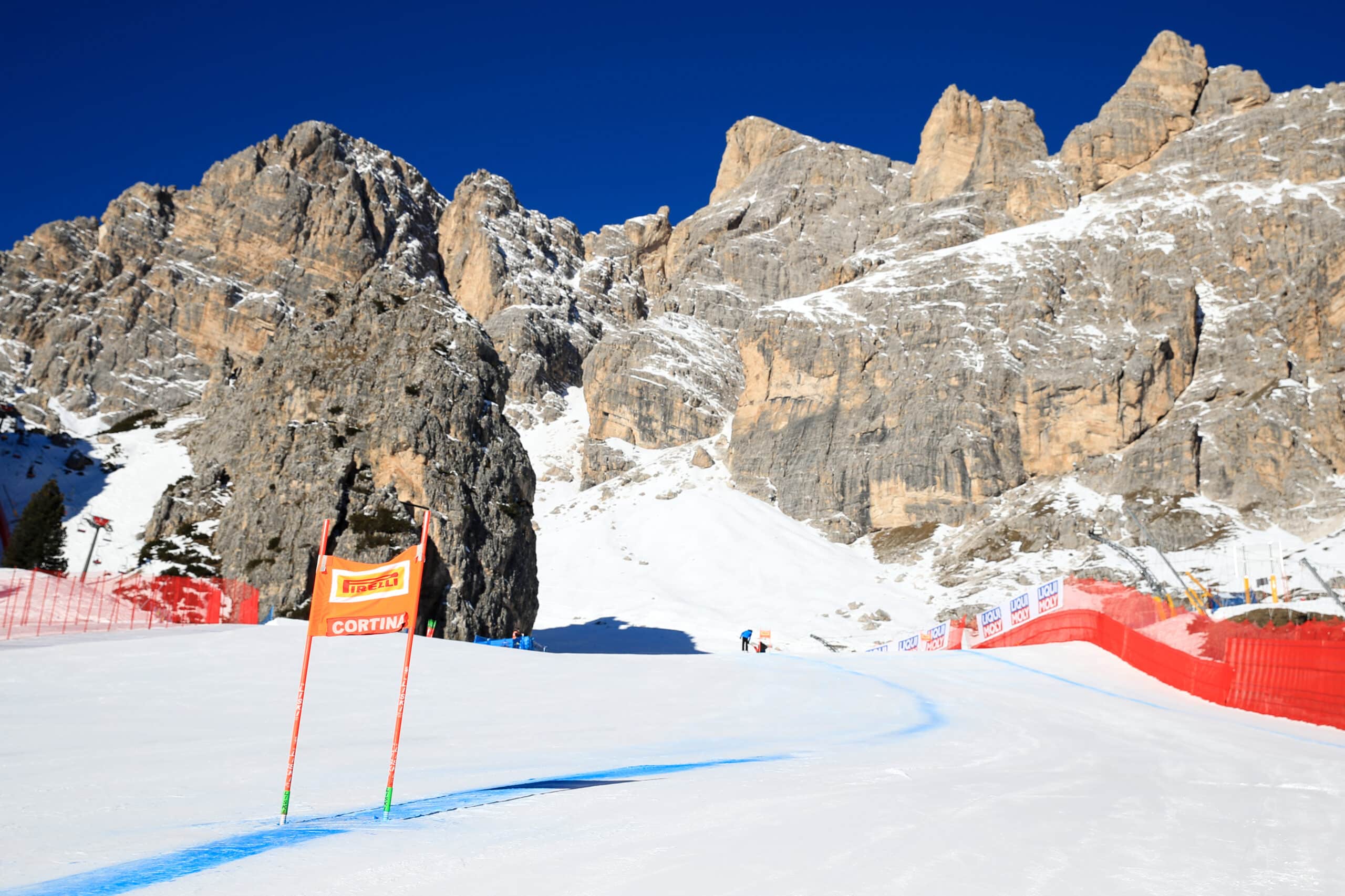
We All Need Winter – POW
Protect Our Winters is a non-profit organization that brings together concerned pro athletes, individuals, resorts, brand partners and passionate outdoor enthusiasts to create a national voice for sustainability initiatives and the outdoor sports community. Pro Snowboarder Jeremy Jones founded POW in 2007 to organize action to address climate change. In their 2021-2024 strategic plan, they aim to rapidly deploy solutions and capital to advance clean energy, make climate a top policy priority and spur cultural shifts.
Protect Our Winters originally confronted FIS with a letter written by Alpine Ski Racer Julian Schutter. She stated in the letter, “FIS needs greater ambition and transparency in its action on sustainability and to reduce the impact its own operations have on the planet and sport we love.”
Other athletes, such as Mikaela Shiffrin, Aleksander Kilde and Lucas Braathen also spoke up about the desire for more transparency from FIS and addressed the topic of climate change. Shiffrin recognized that we are not perfect but commented on the eagerness to change and strive for a better world.
POW also wrote suggestions to FIS on how they could be more sustainable, and they backed the suggestions with statements and evidence. In short, they suggested:
- Season adaptation
- Geographical race calendar
- Encouraging national federations
- Sustainable improvement on events
- Environmental management systems
- Education
- Political action
- Carbon offsetting
These suggestions align with the statements FIS gave in their plan for a better future in the ski racing industry.
Read more of the open letter to FIS
Moving Forward
This dispute highlighted that the ski racing community does care about the impact that the sport has on the environment and is looking for offsetting solutions to reduce the industry’s carbon footprint. Although there was an unfortunate dispute between POW and FIS, it did reveal a few key aspects—that athletes are looking for more transparency in the sport, that the federation does have obtainable goals set for a better future in the sport, that spectators of ski racing care about the sport’s environmental impact and that the ski racing industry can take actions in multiple areas to be more sustainable.
About the Author: Ellie Hartman