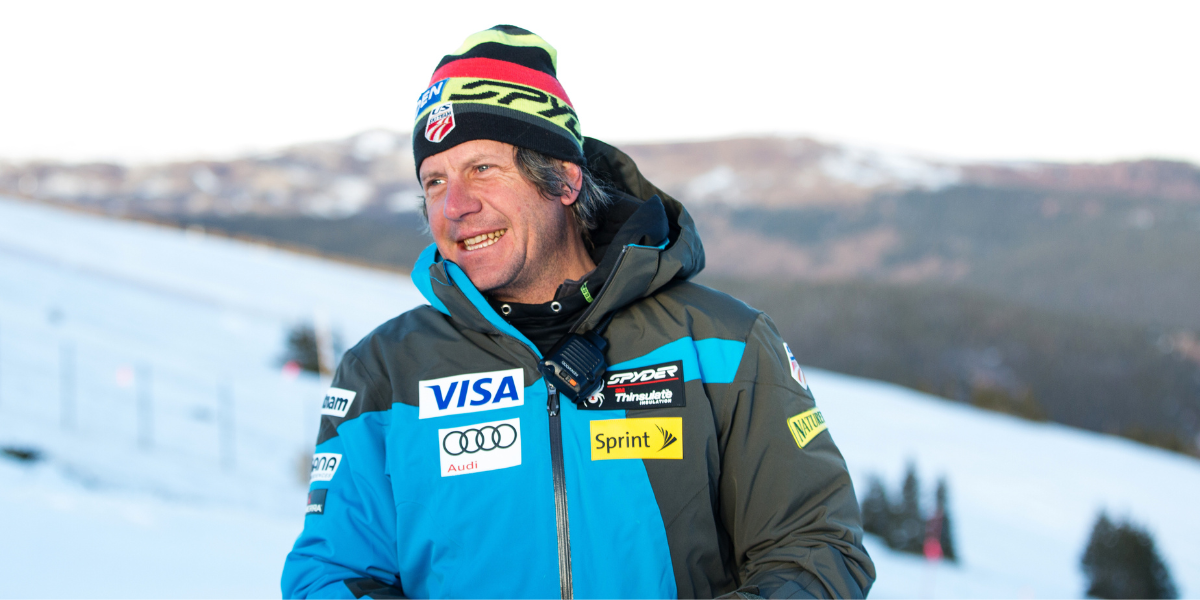
Sasha Rearick / Photo US Ski & Snowboard
PARK CITY, Utah — The Stifel U.S. Ski Team is reshaping its alpine leadership structure ahead of the 2026–27 World Cup season, naming Sasha Rearick as The Borgen Family Alpine Director and Paul Epstein as Men’s Head Tech Coach, according to a press release from U.S. Ski & Snowboard.
The move signals a clear shift toward long-term athlete development, stronger team culture and sustained World Cup success as the program builds beyond the most recent Olympic cycle.
What do these changes mean for the future of the U.S. alpine program?
With Rearick returning and Epstein stepping into a key World Cup role, the Stifel U.S. Ski Team is doubling down on structure, progression and performance.
“We are thrilled to bring on Sasha Rearick as The Borgen Family Alpine Director and Paul Epstein as the Men’s Head Tech Coach,” U.S. Ski & Snowboard Chief of Sport Anouk Patty said. “Both have demonstrated throughout their careers an ability to build strong foundations and cohesive team environments that will benefit our athletes.”
The direction is clear: build a system that develops athletes from the grassroots level all the way to the World Cup podium.
Why is Sasha Rearick’s return so important?
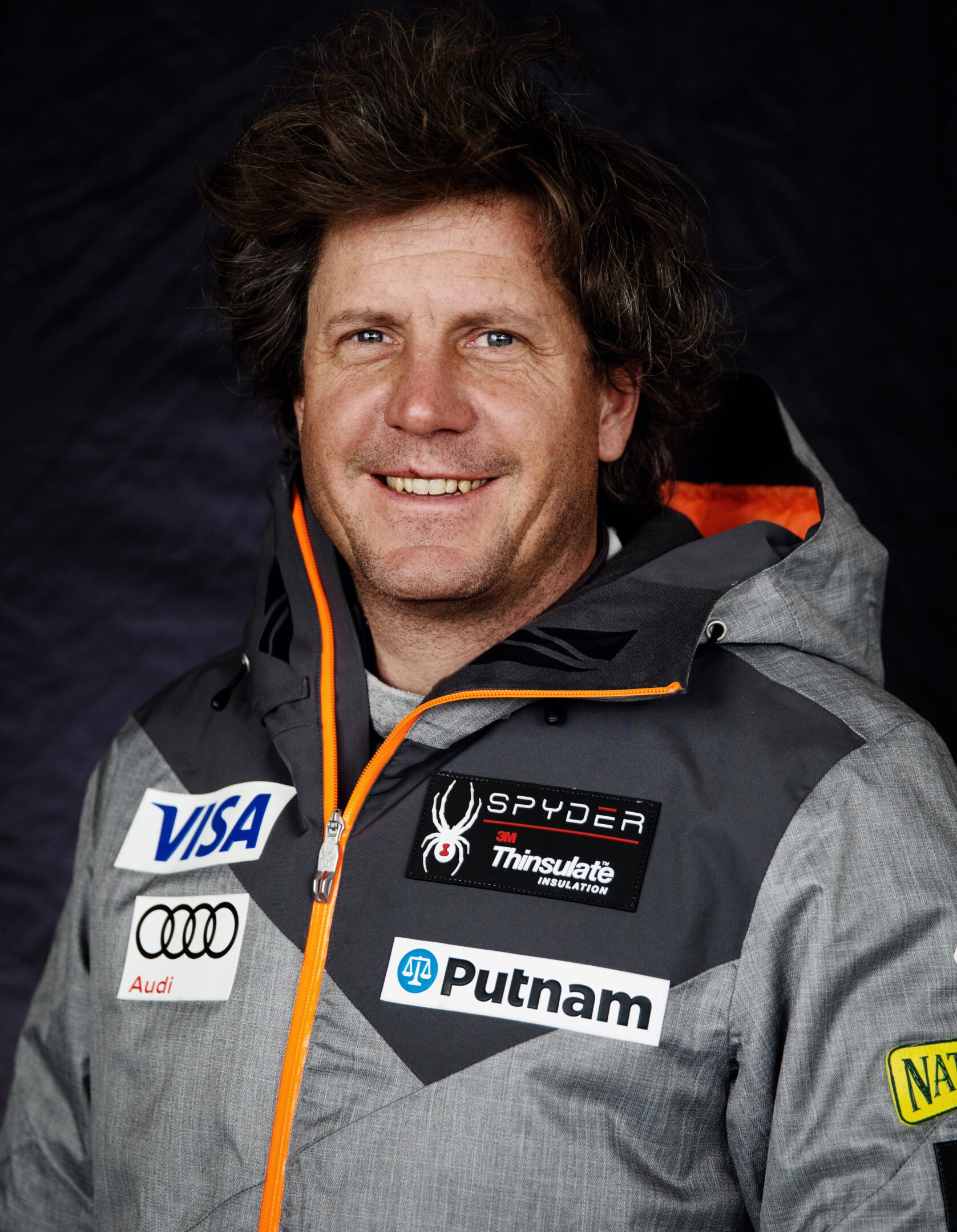
Photo: U.S. Ski Team
Rearick returns to a program he helped shape for nearly two decades. From 2002 to 2021, he worked across multiple roles, eventually serving as head men’s coach for 10 years.
During that time, his athletes delivered 15 Olympic and World Championship medals—proof of a system built on strength, discipline and progression.
Now, as The Borgen Family Alpine Director—a position supported through dedicated funding—Rearick takes on oversight of the entire alpine structure. His role centers on aligning development pathways, strengthening culture and creating a sustainable model for success at every level.
“Coming home to lead this program is both an honor and a challenge I’m deeply motivated by,” Rearick said. “From athletes just starting out to those competing for World Cup podiums, we will build a system grounded in process, clarity and daily habits.”
How did Rearick build his success outside the national team?
Most recently, Rearick served as Alpine Performance Director at APEX2100 International Ski Academy, where he helped grow the program into a full pipeline from U12 athletes to the World Cup level.
Under his leadership, the academy produced:
- Seven Olympic qualifications
- Four World Junior Championship medalists
- Eight athletes advancing to Europa Cup and World Cup national teams
That progression-focused model is exactly what the Stifel U.S. Ski Team now aims to strengthen across its entire system.

What does Paul Epstein bring to the men’s tech team?
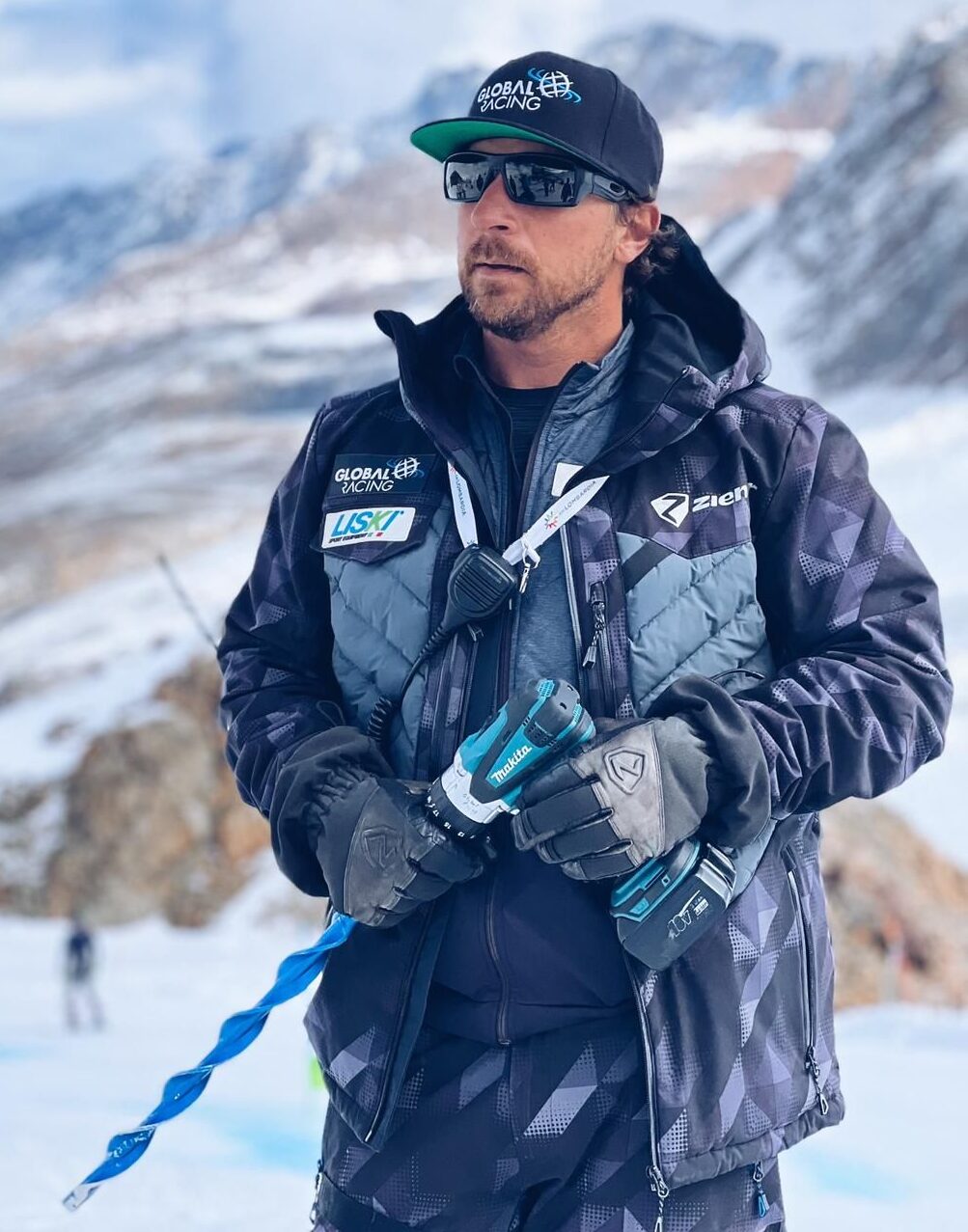
Epstein enters the role of Men’s Head Tech Coach with a strong track record of developing athletes through both domestic and international pathways.
He began coaching at Green Mountain Valley School before founding Global Racing, an elite independent program he led for 13 years. Over the past nine seasons, Global Racing helped 20 athletes earn World Cup points and qualify for or return to national teams.
Among those athletes is Belgium’s Sam Maes, who has recorded multiple World Cup top-10 finishes and ended the 2025–26 season ranked 12th in giant slalom.
“For many years, I’ve worked to support U.S. skiing from the outside,” Epstein said. “Now, being directly involved in the men’s World Cup tech team’s progress is incredibly motivating.”
Why is team culture a central focus moving forward?
Both Rearick and Epstein emphasized culture as the foundation for performance.
“My initial goal is to build a strong, cohesive environment with our staff and athletes,” Epstein said. “When everyone understands and commits to that culture, it creates consistency—and ultimately leads to stronger individual performances.”
That alignment between leadership roles reflects a broader strategy: create an environment where athletes can consistently push the limit through skill, strength and confidence.
What comes next for the Stifel U.S. Ski Team?
These leadership changes represent the first step in a broader restructuring of the alpine program. A full staff announcement is expected in the fall, according to U.S. Ski & Snowboard.
The focus moving forward is clear—strengthen development pathways, reinforce team culture and build a system capable of producing consistent World Cup results.
This article is based on information provided by U.S. Ski & Snowboard.
About the Author: SR Staff Report