Lindsey Vonn as Inspiration, Fans as Strength: Tereza Nová’s Journey Back to Everyday Life After a Terrifying Crash
News of the horrific crash of Czech alpine skier Tereza Nová during a training session in Garmisch-Partenkirchen spread around the world on January 24, 2025. Nearly a month in an induced coma, seven demanding surgeries, and the prospect of long-term rehabilitation with an uncertain outcome would break many people. But not Nová.
The brave, smiling, and persistent 27-year-old from Plzeň, Czechia, rarely complains during rehabilitation. She speaks openly about her condition, continues to follow ski racing, cheers for her idols, and focuses on one clear goal: to regain independence in everyday life. To people facing similar circumstances, she sends a powerful message — life does not end with an injury.
She is surrounded by strong support from fans, the ski racing community, and the organizers of the Women’s World Cup in her home country of Czechia, scheduled to take place exactly one year after her fall. Together with her father, Josef, they shared their story.
Tereza Nová: A Czech Sporting Multitalent
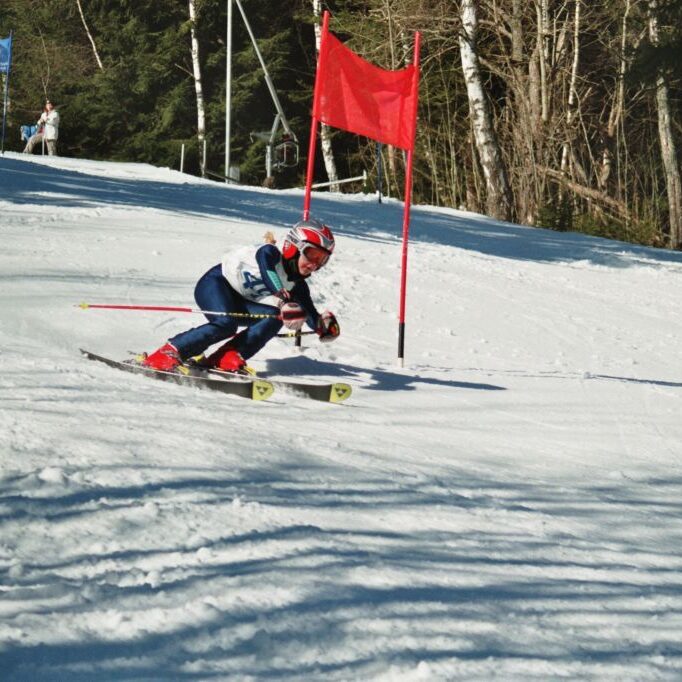
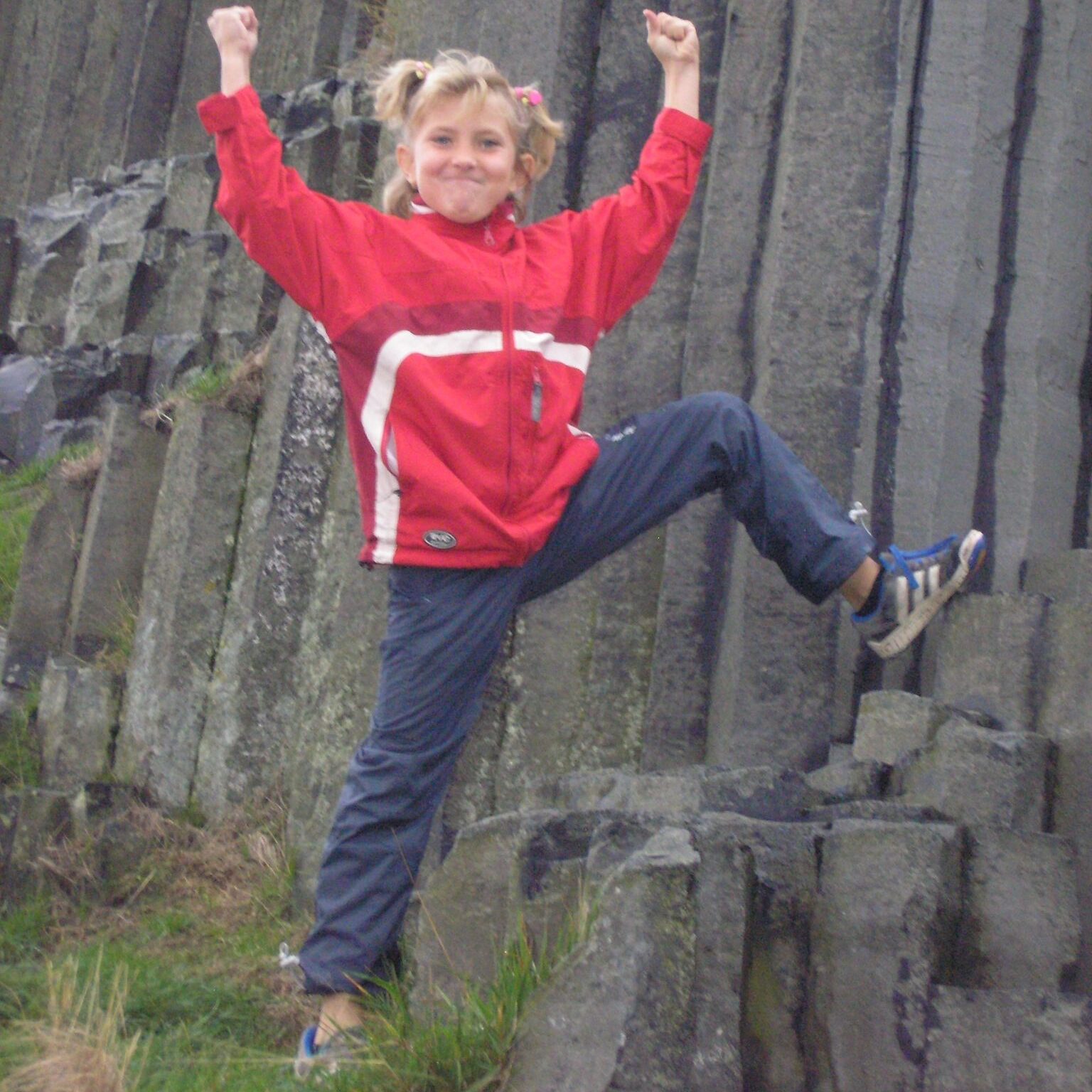
She first stood on yellow plastic skis on a small hill next to her kindergarten, excited that she would soon catch up with her sister, who was four years older. Her parents instilled a love for sport early, though at the time they had no idea it would one day lead to a 14th-place Olympic finish in Beijing, multiple podiums and victories in FIS races, and World Cup starts representing Czechia (Czech Republic).
As is often the case, talent, hard work, and the right environment formed the foundation for her career.
“It was clear from a very young age that Terka was athletically gifted,” said her father, Josef Nový. “She competed in swimming, athletics, climbing on artificial walls, and skiing. In all of them, she could win against her peers.” As a schoolgirl, he added, she represented the Plzeň Region at both the Summer and Winter Children’s Olympics.
Czechia has a history of producing multi-talented athletes — perhaps best illustrated by Ester Ledecká, Olympic champion in two sports.
“We had a great group of kids in Šumava when I was about ten,” Nová said. “We always looked forward to seeing each other on the weekends. I loved speed, freedom, and traveling. Skiing gave me all of that.”
Because of her evident potential, Tereza was admitted to an eight-year sports grammar school, which allowed her to manage demanding travel for training while keeping up academically. She never fell behind in school.
“My path was gradual and steady,” she said. “I was never an exceptional raw talent, but every year I improved. The older I got, the more persistent I became — and that’s when the results came.”
Asked which moments defined her career, she smiled. “My first victory — I was named the youngest racer to complete the course,” she said with a laugh. “And my first Junior World Championships, where I realized it wasn’t unrealistic to compete with the best skiers in the world.” She added that she remains proud to have represented Czechia and always fought hard for her place on the national team.
Click on images to enlarge
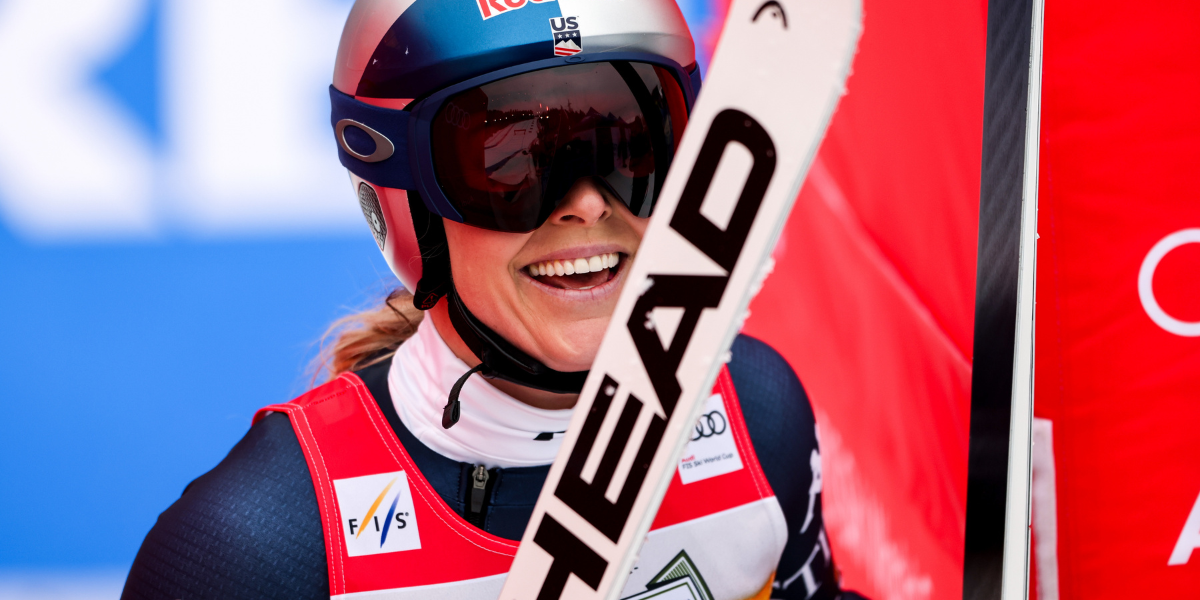
Big Inspirations From the United States
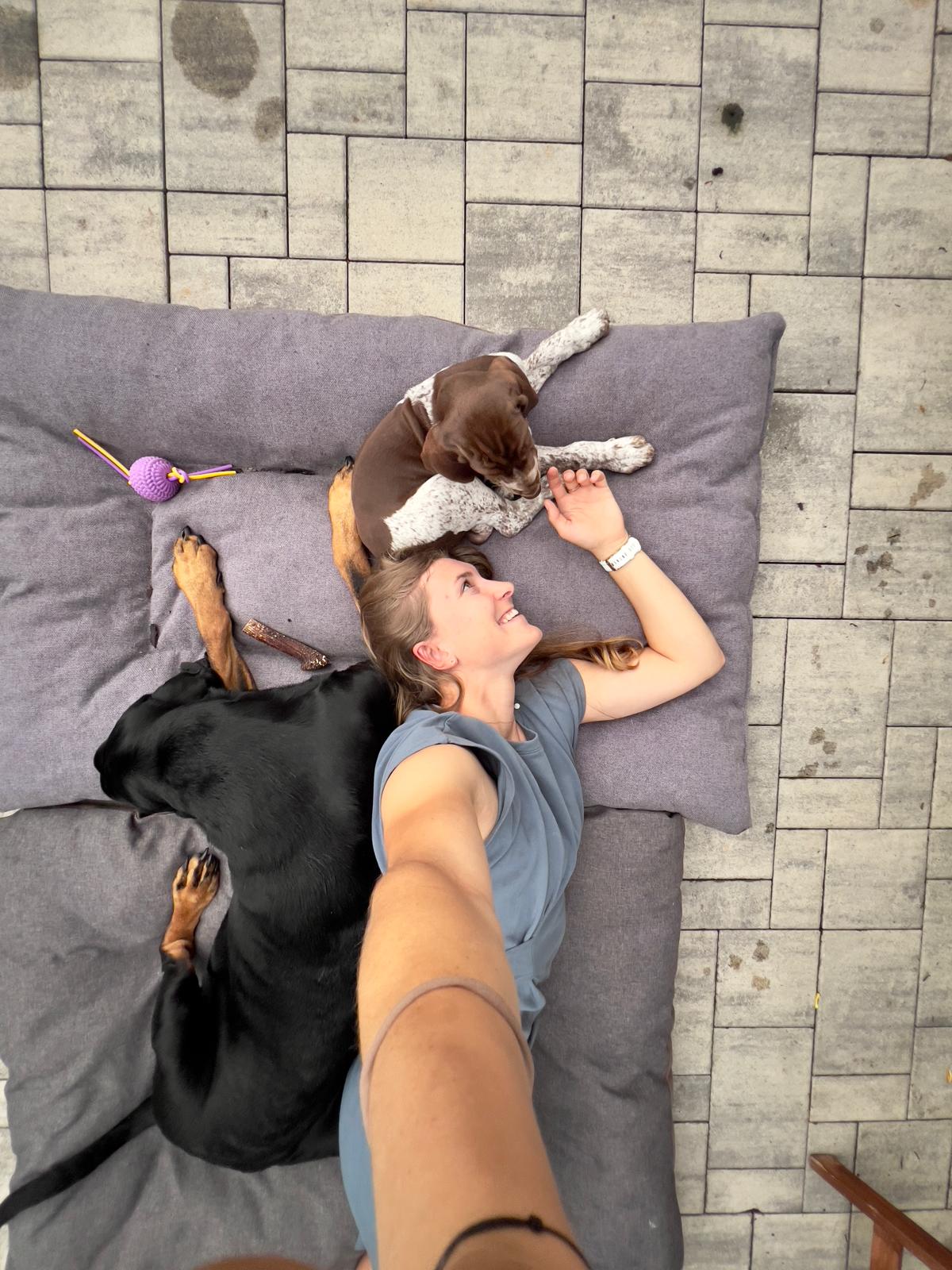
As Colombo, the friendly dog who now keeps her company, briefly wandered in front of the camera, Nová named her two greatest skiing heroes without hesitation: Bode Miller and Lindsey Vonn.
Encouraged by Vonn’s recent victory in St. Moritz — her first World Cup win since returning to racing at age 40 — Nová spoke with enthusiasm. “It was incredible for me to stand at the start with her last season,” she said. “A dream. I couldn’t believe I would ever experience that. And what she achieved this weekend — amazing.”
For her father, the relationship with ski racing changed dramatically after the crash. “I completely pushed skiing out of my mind after Tereza’s fall,” Josef said. “Watching this beautiful but dangerous sport became traumatic for me.” Over time, he said, seeing that his daughter never stopped loving skiing helped bring him back. “Now we watch it together again.”
Love, Commitment, and the Cost of Speed
Competing in speed disciplines from Czechia is never easy, given limited training opportunities and the financial demands of alpine skiing. Nová gradually transitioned from technical events into speed, a journey marked by injuries — including knee injuries after a crash in Jasná and kidney trauma during parallel training at the World Championships in Cortina d’Ampezzo.
At one point, it appeared her career might be over. Instead, she returned to the national team and committed fully to the speed disciplines.
“Financing a sport like this isn’t simple,” Josef said. “Without parental support and actively seeking sponsors, it probably wouldn’t be possible. When we commit to something, we go all in.”
While some super-G training took place in Czechia, Austria, and Switzerland, the most effective preparation she experienced came in South America.
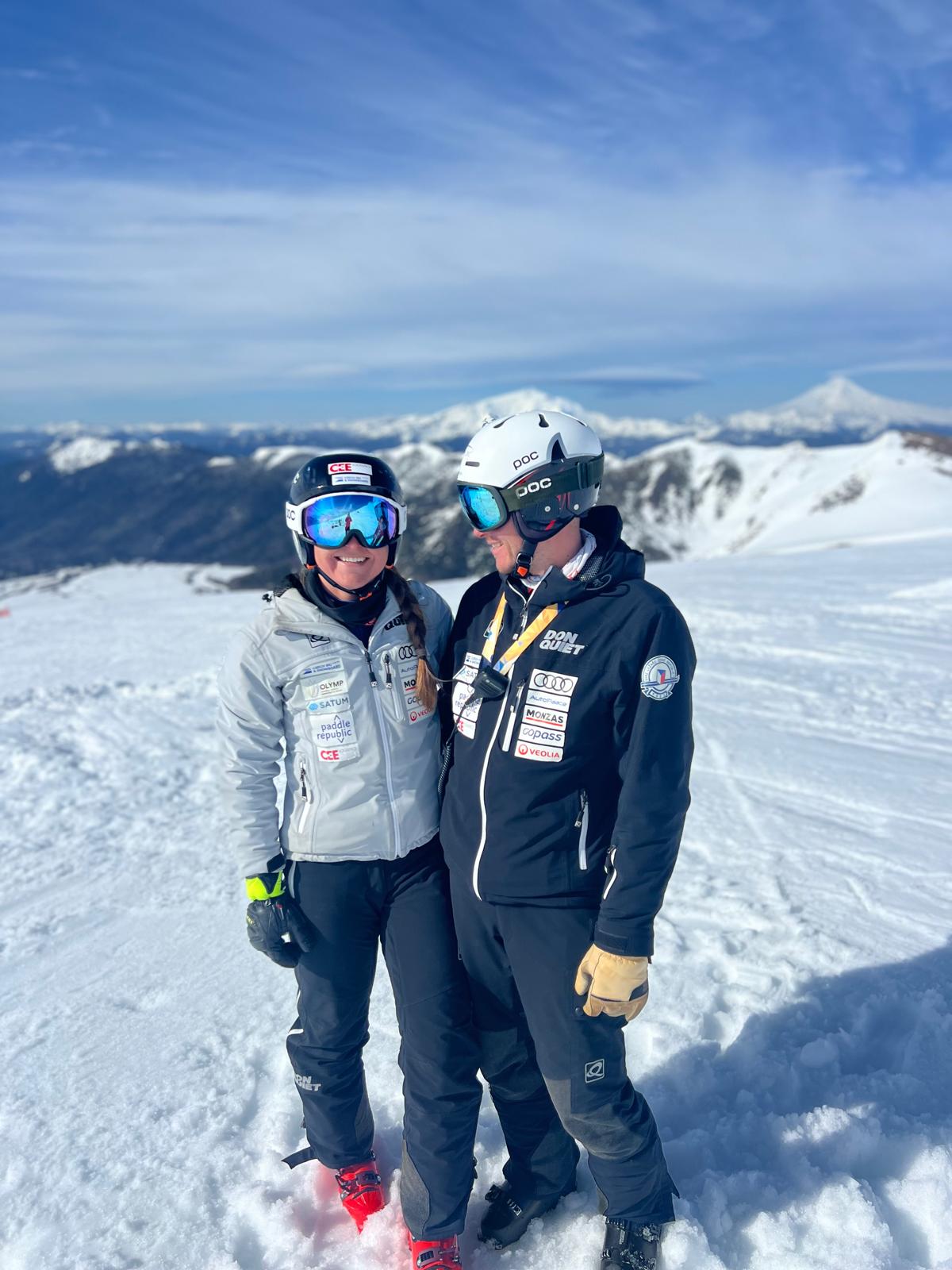
Her partner, Ondřej Berndt, later became her coach after ending his own racing career. “I thought about whether it would be the right solution,” Josef said. “But in the end, I agreed.” Nová said she trusted Berndt completely. “I didn’t have to explain things — he already understood.”
At races, she also received support from Ester Ledecká’s team. “Ester helped me at competitions,” Nová said. “She gave me information about the course — what to watch out for and where. It’s great when we can help each other like this.”
The Crash
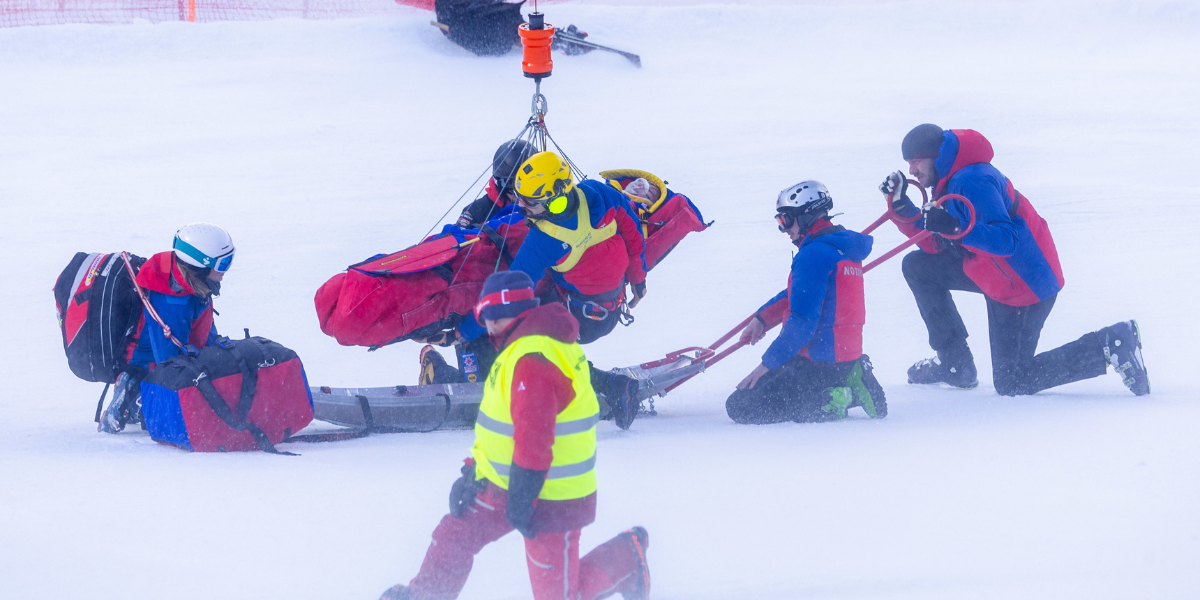
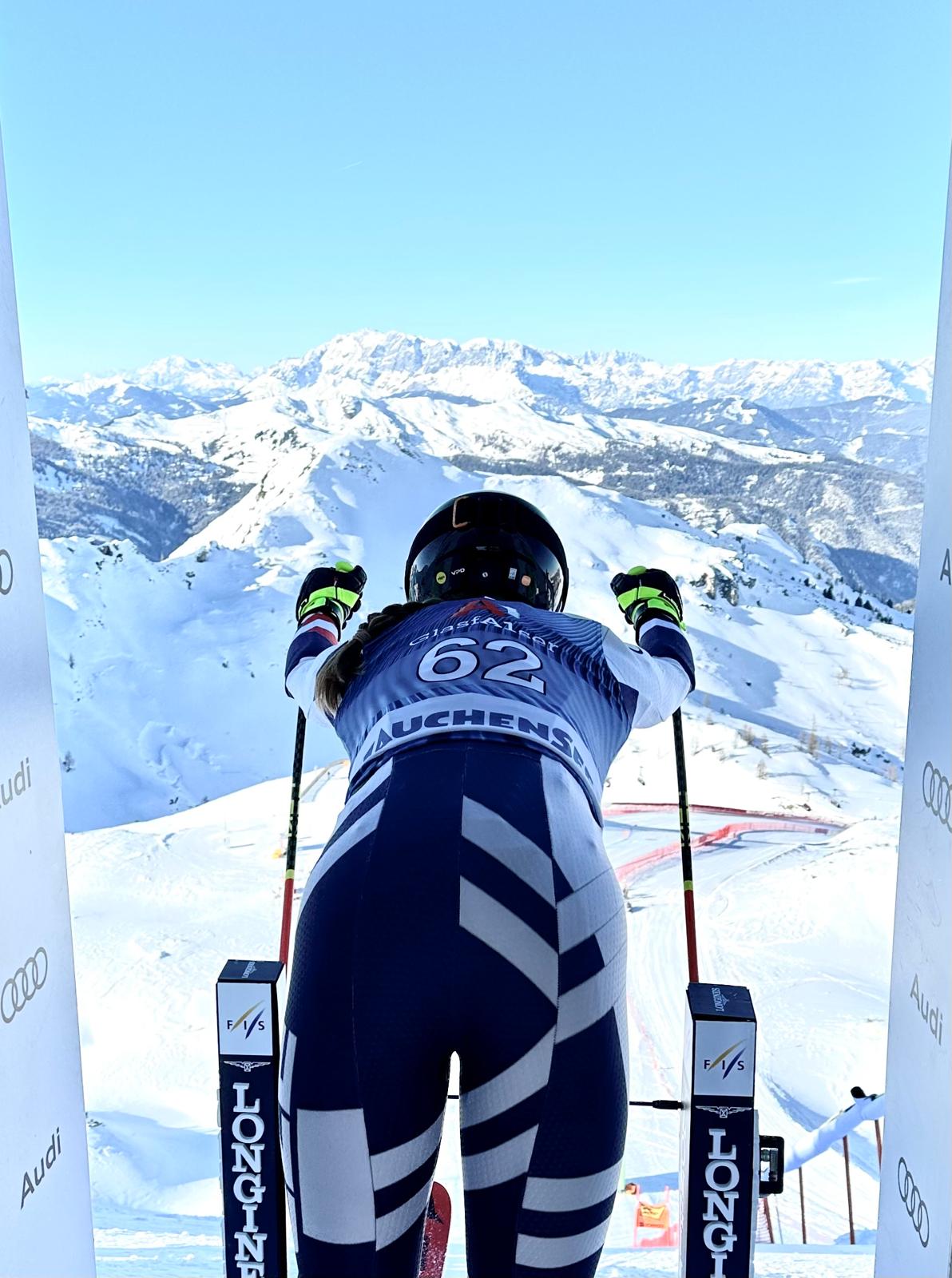
On January 24, 2025, a downhill training session took place in Garmisch-Partenkirchen, Germany. Soon after, devastating news spread — a fall, head injury, airlift, brain swelling, surgery, and an induced coma.
With the ski world still shaken by Cyprien Sarrazin’s serious crash weeks earlier, concerns about safety and outcomes intensified.
“I have some photos from the course inspection that look familiar,” Nová said. “But honestly, I don’t remember anything.” Her first memory, she explained, was waking up in the ICU at Motol Hospital in Prague more than a month later. “The nurses tied balloons to my bed, and I could tap them with my hands.”
For her father, February unfolded very differently. “A doctor explained to me that paralysis wasn’t the only fear,” Josef said. “There was an even greater threat — that her body might not be able to function without machines, that she might not be able to breathe on her own. I couldn’t accept that.”
Many of those worst fears did not materialize. But the road ahead remains long.
Progress and Motivation
The journey back to everyday life has not been without setbacks. “The biggest problems were caused by the implant that replaced the removed part of my skull,” Nová said. Bleeding after the first surgery required another operation, and a later bacterial infection forced doctors to remove the implant entirely. A new one was inserted three months later — meaning three additional head surgeries.
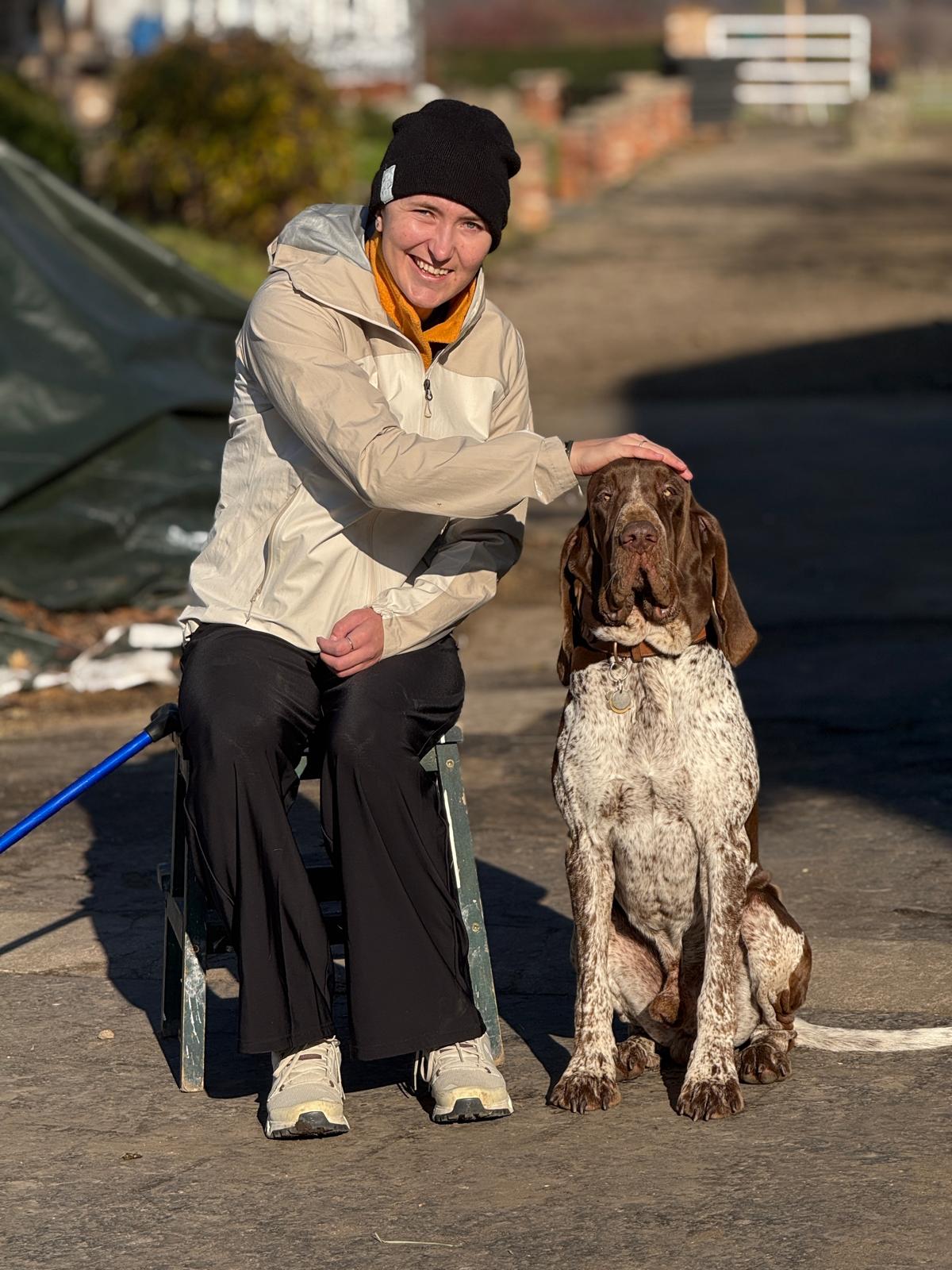
Her determination remains unmistakable. “Every day I do neuro-rehabilitation exercises,” she said. “Every day I train my cognitive functions. And every day I work on improving movement on the left side of my body.” Her goal, she said, is independence — including driving and not relying on others.
“I’m happy about every small improvement,” Josef added. “And I’m grateful for how positively Terka approaches everything.”
Everyone Helps
Jan Fiedler, Sports Director of the Alpine Skiing Section of the Czech Ski Association and head coach of the national team, has a deeply personal connection to Tereza Nová’s story. He has worked with her since youth categories and followed her entire path into the national team.
“What happened to Terka affected me deeply,” Fiedler said. “I was with her at her first World Cups and involved in her preparation and representation right up until the accident.”
In close communication with Nová’s father, the federation moved quickly to ensure long-term support. As a result, a dedicated foundation fund was established, allowing fans and members of the ski community to contribute directly to Tereza’s recovery.
Additional support came from the organizers of the Women’s World Cup in Špindlerův Mlýn, scheduled to take place on the anniversary of Nová’s fall. Ladislav Forejtek, chairman of the organizing committee, worked to ensure that a portion of ticket sales from the event would be directed toward her rehabilitation — an initiative that required both persistence and internal coordination.
Financial support, however, is only part of the story. The ongoing interest and encouragement from teammates, friends, fans, and the wider ski community continue to provide motivation as Tereza works toward greater independence.
Together to Špindl
The initiative “Together to Špindl” was launched in collaboration with United Ski Fans of the World, encouraging fan clubs to attend the World Cup together while supporting Nová’s recovery.
“United Ski Fans of the World is an initiative that connects ski fans and gives them a safe space for their passion,” said the founders of the initiative. “We show the world that fans and fan clubs of individual skiers are friends who support each other. Competition belongs on the slope, not in the stands. And if by supporting our favorite sport we can help a good cause, we should do it together.”
Nová has also received financial support through fan-club initiatives at other World Cup venues, including Sölden. Opportunities to contribute remain available through the Špindlerův Mlýn event website and related social media channels.
On behalf of Ski Racing Media, we wish Tereza Nová continued strength, patience, and perseverance as she returns to everyday life.
About the Author: Darka Sefcik Starnova

Matt Garcka is the co-host of the Skiing is Believing podcast. Garcka's involvement in ski racing, both as a fan and a journalist, has been relatively short-lived so far. His co-host and grandad inspired him to start watching ski racing four years ago. Matt's love for ski racing has only grown since then, with the podcast in its second series now. One day, he hopes to be a senior sports/ski racing commentator, with his journalistic career having recently begun at the age of 16.