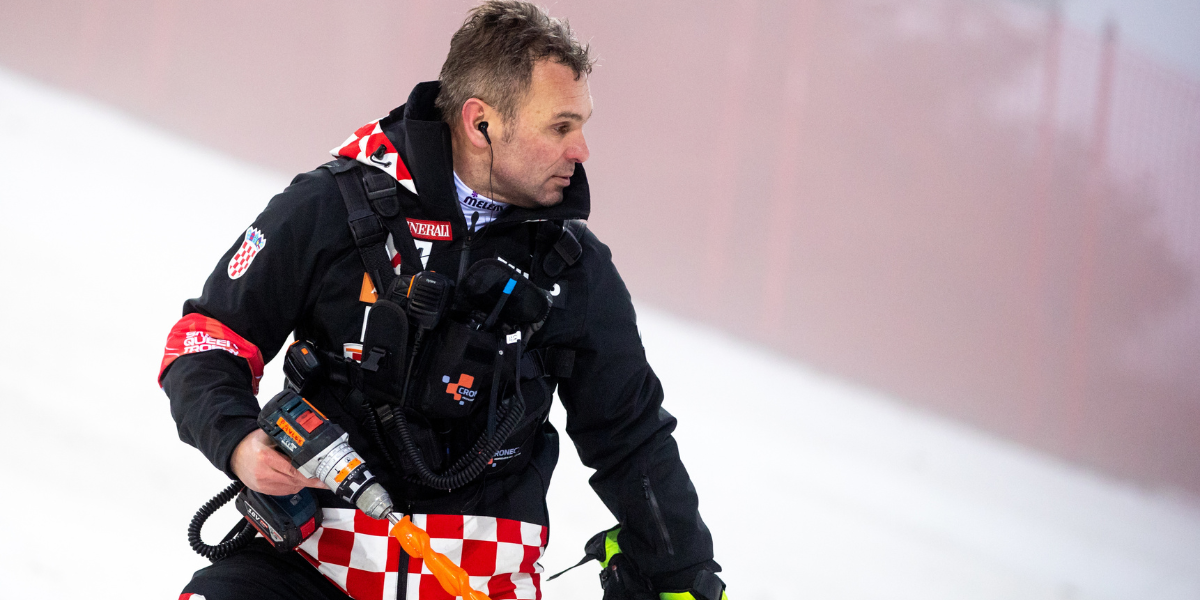

Featured Image: Katie Hensien of the Stifel US Ski Team. Provided by Katie Hensien.
As a coach, mentor, and former high-performance director, I’ve seen two very different kinds of off-seasons:
- The kind where athletes build confidence, capacity, and clarity.
- And the kind where athletes fall apart mentally, physically, or both.
So much emphasis is placed on race results, but I’d argue that what athletes do between May and November is where true long-term success is formed.
The off-season isn’t just a break; it’s an opportunity to get better at the things that don’t show up on a start list: mindset, movement quality, and self-awareness.
Why the Off-Season Matters More Than You Think
Ski racing is a sport of margins. Those hundredths we obsess over in the winter are earned through habits formed in the summer:
- Strength and conditioning to build durability and power.
- Goal setting and journaling to improve focus and accountability.
- Taking a mental reset to foster inner motivation.
- Not overdoing it when the body and brain are still developing is crucial.
I’ve had countless conversations with parents over the years who ask, “Should we be on snow more?” And while the question comes from a place of dedication, my answer is almost always the same: being on snow during the off-season can be valuable, but it’s not the most important thing.
If an athlete hasn’t put in the right kind of work in the gym or skipped the chance to address movement imbalances, mobility limitations, or mental skills, then more time on snow might actually set them back.
I’ve seen the setbacks firsthand:
- Athletes show up to fall camps tired and underpowered.
- Injuries start creeping in before the season even begins.
- Confidence dips because they don’t feel stronger, faster, or mentally tougher than they were last season.
In contrast, the athletes I’ve worked with who prioritized gym time and mindset work, even if they did fewer off-season ski days, show up to snow camps ready. They’re confident, coachable, and prepared to make changes quickly. The difference is noticeable.
3 Mistakes That Lead to Burnout (And What to Do Instead)
1. Overtraining Without Structure
The mistake: Filling every week with gym, dryland, camps, and activities without a phased plan.
The fix: Stick to a progressive plan that balances intensity with recovery. Periodization is key, as athletes can’t be in race shape year-round.
2. Skipping the Mental Reset
The mistake: Jumping straight from race season into camps and training without a mental break.
The fix: Take at least 2–4 weeks post-season to step back and let the body and mind fully recover. Use this time for cross-training, fun sports, or simply resting.
3. Losing Sight of the Big Picture
The mistake: chasing short-term gains with heavier lifts, earlier gates, or aesthetic goals.
The fix: Focus on movement quality, foundational strength, and transferable skills like balance, agility, and coordination.
How Coaches and Parents Can Support Off-Season Growth
Ask open-ended questions:
- “What are you most proud of from last season?”
- “What would you love to feel more confident in by next December?”
Encourage a balanced calendar:
- Integrate rest days, outdoor play, and cross-training.
- Avoid overbooking with camps or back-to-back intensity blocks.
Model the mindset:
- Remind athletes that it’s okay not to be “on” all the time.
- Success comes from consistency, not constant pushing.
- Starting to train the brain as much as your muscles starts early and has so many benefits.
Final Thought
The off-season isn’t glamorous. There are no podiums, no rankings, and often no recognition. But the athletes who embrace this phase with intention, curiosity, and balance are the ones who stand at the start in the winter with something real behind them.
I’ve seen it year after year: the strongest athletes aren’t always the ones who did the most ski days or chased reps down a glacier. They’re the ones who built themselves from the inside out.
Champions aren’t just made in the gym or on the hill. They’re made in the spaces in between.
About the Author: Katie Twible