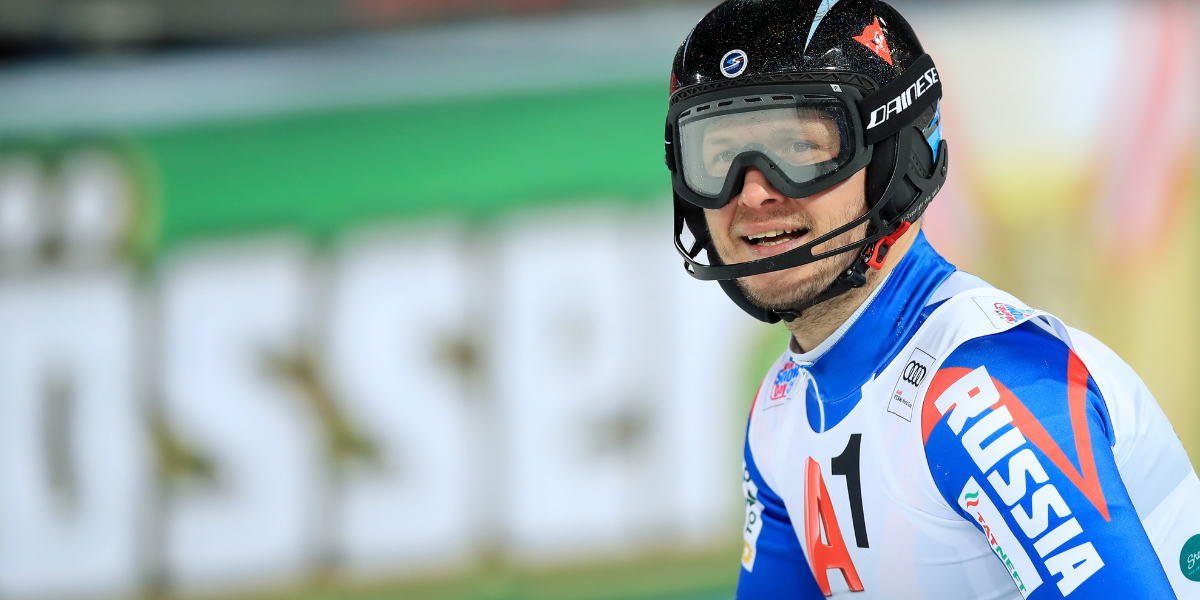

Caman Beauregard Photo Credit Photo credit Tania & Chuck Coffey
No more national development team. Regional squads now drive athlete advancement.
U.S. Ski & Snowboard has taken a bold new direction in its alpine development strategy. Starting with the 2025–26 season, the traditional D Team and National Development Group (NDG) have been replaced by a fully regionalized system aimed at developing high-performing athletes closer to home.
This new model—the National Regional Development Program (NRDP)—anchors talent development within the country’s three regions: East, West, and Rocky/Central. Each has a dedicated coaching staff, project-based training calendars, and flexibility to invite promising athletes who have not met formal selection criteria but show clear potential.
Who’s Leading the Charge?
U.S. Ski & Snowboard will appoint six coaches to lead its regional development teams. Five have already been named:
- West Region
- Women’s Coach: Seth McCadam
- Men’s Coach: Brad Saxe
- Rocky/Central Region
- Women’s Coach: Pat Duran
- Men’s Coach: Matt Underhill
- Alice McKennis Duran will also contribute to the women’s program in the Rocky/Central Region, serving as a speed project coach.
- East Region
- Women’s Coach: Roger Kimball
- Men’s Coach: (Position currently open)
All regional coaches report directly to Alpine Development Director Chip Knight. “From an athletic and high-performance side, they’re reporting in to me,” Knight said. “That national coordination helps avoid silos, but there are dotted lines to the regional directors because it’s important to stay connected to the regions and the clubs.”
Seth McCadam and Matt Underhill will lead national programming for the top athletes in each region. That programming will periodically integrate with the U.S. Ski Team.
“There is tremendous experience across the regional coaching staff moving forward,” Knight said. “Bringing in Alice McKennis Duran to coach on the speed side adds unique value to the program.” A two-time Olympian and World Cup winner, McKennis Duran brings a decade of experience at the sport’s highest level.
Who Made the Regional Teams?
Athletes earned regional team spots through objective performance criteria, primarily based on head-to-head racing results and FIS points. The full list of 2025–26 National Regional Development Program (NRDP) athletes includes:
2025–26 NRDP Athletes
| Region | Women | Men | U18/U16 |
|---|---|---|---|
| East | Beatrice May (2006) | Sawyer Reed (2005) | Troy Boissonneault (2007) |
| Katie Rowekamp (2009) | Harper Sargent (2006) | Cameron Blatz (2009) | |
| Kira Hiebert (2010) | Tor Borgia (2007) | ||
| Rocky/Central | Abby Olson (2007) | Carson Hume (2005) | Adrian Beauregard (2007) |
| Aksel Lindenmeyr (2005) | Caman Beauregard (2007) | ||
| Julian Arthur (2006) | Fletcher Hutto (2007) | ||
| Stewart Bruce (2006) | Trevor Palmquist (2009) | ||
| Alex Krupka (2006), Jevin Palmquist (2007) | |||
| West | Paige DeHart (2005) | Colin Hanna (2004) | — |
| Carl Ottosson (2005), Finnigan Donley (2005) |
Knight noted a slightly unexpected trend. “More men and fewer women met the criteria than we initially projected,” he said. “That reflects maturity curves in the sport and the fact that some women skip developmental levels as they progress.”

What About Invitees?
Coaches might add athletes to project rosters even if they haven’t named them to a regional team. They can select invitees who haven’t met formal criteria but show strong results or clear potential. These projects allow coaches to keep late bloomers, injury returnees, and recent standout performers moving through the development pipeline.
“It’s about building flexibility into the system,” Knight explained. “Criteria are important for clarity, but they aren’t perfect. We want multiple access points. If an athlete skied well at NorAms or showed something special in Europe, they may deserve a shot—even if they just missed a marker.”
Regional coaches suggest invitees based on performance, potential and progression. The national staff then evaluates each athlete on merit, available space, and the specific goals of the project.
How Athletes Get on the Radar
Knight emphasized that skiing well at significant events remains the most effective way to gain visibility.
“If you go to NorAms and ski well, you’re going to get noticed. If you earn a low world rank, we’ll notice too—but we take that with a grain of salt if you haven’t raced head-to-head with top U.S. athletes,” he said.
In short, racing in strong fields at tough venues matters. Development staff focus on where and how athletes compete, not just raw points.
Project Participation and Cost Structure
Each region hosts a series of U16, U18, and U22 training blocks, camps, and international trips. These projects deliver exposure, instruction and targeted funding support.
Regional team athletes receive a 50% subsidy toward project fees. Invitees pay the full cost, but the total does not include coaching expenses in the athlete’s fees. U.S. Ski & Snowboard or the regional budget covers staff travel, lodging and meal expenses.
“We’re trying to bend the cost curve,” Knight said. “We want to move in a direction where skiing gets a little less expensive as you improve—not more. That’s why we’re covering coach expenses and fundraising hard.”
Knight noted that U.S. Ski & Snowboard has reallocated funding that previously supported the now-disbanded D Team—along with additional resources—to fund the regional system. The long-term goal is to endow this level of development so that athlete costs can continue to decline. “It’s a meaningful target for athletes and their families. It’s the one I’m working hard to stand behind,” Knight said.
Development Model: Broad, Flexible, Focused
The development strategy laid out in the 2025 Spring Report reinforces a “funnel model”—a system that offers broad early access, focused mid-stage training, and high-level opportunities at the top.
- U16s receive early technical exposure and participate in regional prep camps, with access to the U16 Nationals and European trips for those who qualify.
- U18s train more intensively and seek NorAm and National Championship success.
- U22s focus on elite performance: NCAA competition, NorAms, and the World Junior Championships.
A structured calendar of in-region, national, and international opportunities accompanies each age range. Regional coaches oversee these programs with growing support from the national staff.
Additionally, regional team athletes will attend three conditioning camps over the summer at high-performance clubs nationwide, as fitness will be a cornerstone of the new regional development structure.
Looking Ahead
As U.S. alpine development evolves, this regional model could redefine how the country identifies and develops its future World Cup athletes.
“This is about scale,” Knight said. “We want more athletes with top-300 world rankings across multiple events. Regional teams let us reach more kids, coach them more directly, and build upward from a stronger foundation.”
The message is clear: Show up, ski fast, and coaches will notice you. The path may no longer run through a national development team—but with three regions deeply invested in athlete growth, there’s more than one path to the top.
About the Author: Peter Lange